
Can I tile my kitchen floor myself? Yes, with careful planning and the right tools, anyone can tile a kitchen floor. This guide will walk you through the entire process, from preparing your subfloor to the final seal. Let’s get your kitchen looking fantastic with new tile!
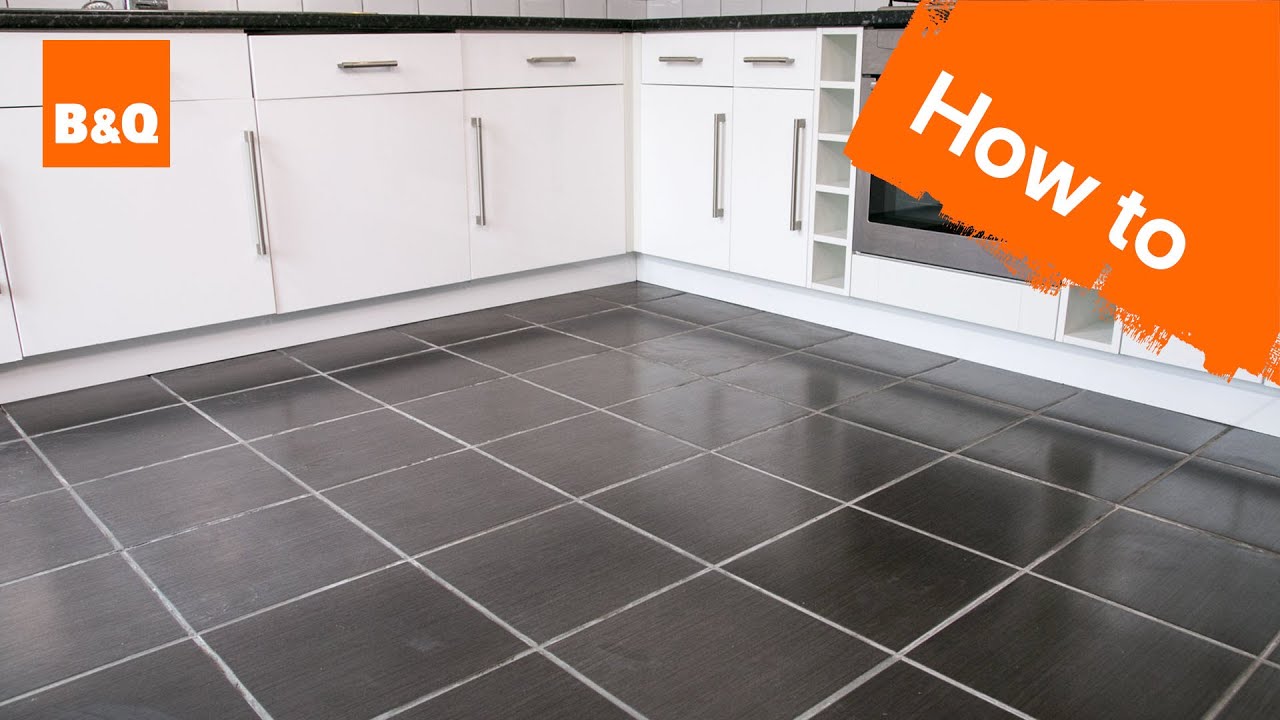
Image Source: i.ytimg.com
Getting Started: Your Tiling Project Blueprint
Tiling a kitchen floor is a rewarding DIY project. It transforms your space, adds value, and is surprisingly achievable with patience and a step-by-step approach. This guide will cover everything you need to know to successfully complete your tile installation.
Why Tile Your Kitchen Floor?
Kitchen floors take a beating. They face spills, dropped pans, and constant foot traffic. Tile is an excellent choice for kitchen flooring because it’s:
- Durable: Tiles can withstand heavy use and are resistant to scratches and dents.
- Water-Resistant: While grout can absorb moisture, properly sealed tile is highly water-resistant, crucial for a kitchen environment.
- Easy to Clean: Spills wipe up easily, making maintenance a breeze.
- Aesthetically Versatile: From classic ceramic to modern porcelain or natural stone, there’s a tile to match any kitchen style.
- Adds Value: A well-tiled floor can increase your home’s appeal and resale value.
Essential Tools and Materials for DIY Tiling
Before you begin DIY tiling, gather all your supplies. Having everything on hand prevents frustrating trips to the store mid-project.
Tools You’ll Need:
- Safety Glasses: Protect your eyes from dust and debris.
- Gloves: Keep your hands clean and protected from adhesives and grout.
- Tape Measure: For accurate measurements and layout.
- Pencil: To mark your layout and cut lines.
- Utility Knife: For scoring and cutting materials like paper.
- Notched Trowel: Specifically designed to spread thinset mortar evenly. The notch size depends on your tile size.
- Tile Saw (Wet Saw Recommended): Essential for precise tile cutting, especially for curves or intricate shapes. A manual tile cutter is suitable for straight cuts on ceramic tiles.
- Grout Float: A rubber-faced tool for spreading and pressing grout into the spaces between tiles.
- Grout Sponge: For cleaning excess grout from the tile surface.
- Buckets: For mixing mortar and grout, and for rinsing sponges.
- Spirit Level: To ensure your tiles are laid flat and evenly.
- Tile Spacers: To maintain consistent grout lines.
- Caulk Gun: For applying silicone caulk along edges and transitions.
- Chalk Line or String Line: For establishing straight layout lines.
- Stir Stick or Mixer Attachment for Drill: For thoroughly mixing thinset and grout.
- Grout Scraper/Putty Knife: To remove old grout if you’re retiling over an existing surface.
- Shop Vacuum: For cleaning up dust and debris throughout the process.
Materials You’ll Need:
- Tiles: Calculate the square footage of your floor and add 10-15% extra for cuts and potential breakage.
- Thinset Mortar: The adhesive used to bond tiles to the subfloor. Choose the right type for your tile material (e.g., ceramic, porcelain, natural stone).
- Grout: The material that fills the spaces between tiles. Select a grout type suitable for kitchens (e.g., sanded for wider joints, unsanded for narrow joints).
- Backer Board (Cement Board or DensShield): A moisture-resistant underlayment that provides a stable base for tile, especially important in kitchens where moisture can be an issue. Backer board installation is a critical step.
- Screws for Backer Board: Use screws specifically designed for attaching backer board to the subfloor.
- Thinset Mortar or Appropriate Adhesive for Backer Board: To adhere the backer board to the subfloor.
- Grout Sealer: To protect the grout from stains and moisture after it cures.
- Silicone Caulk: For sealing perimeter gaps and transitions to prevent water intrusion.
- Clean Rags or Microfiber Cloths: For cleaning up spills and excess materials.
Step 1: Planning Your Tile Layout
A good plan prevents costly mistakes. Laying out your tiles before you start gluing them down ensures a professional finish.
Measuring Your Space
- Measure the length and width of your kitchen.
- Calculate the total square footage: Length × Width = Square Footage.
- Add 10-15% to this number to account for cuts, waste, and potential future repairs.
Dry Laying Your Tiles
This is a crucial step in laying tile for the best visual appeal.
- Find the Center: Measure the room and find the exact center point. Mark this with a pencil.
- Establish a Starting Line: From the center, snap a chalk line or use a string line to create a perfectly straight reference line running through the center of the room. This is often done in both directions to create a crosshair.
- Lay Out Tiles: Starting from your center point or a prominent wall, lay out your tiles in the pattern you desire. Use tile spacers to represent the grout lines.
- Check for Cuts: See where your tiles will end up along the walls. Ideally, you want full tiles or at least substantial portions of tiles at the edges, not slivers. If you have very narrow cuts along all walls, you might adjust your starting line slightly off-center to create more balanced cuts.
Table: Tile Layout Considerations
| Feature | Importance in Kitchen Tiling | DIY Tip |
|---|---|---|
| Center Point | Ensures symmetrical tile placement and balanced cuts. | Mark clearly and use as your primary reference. |
| Starting Line | Critical for straight grout lines and a professional appearance. | Use a chalk line for the most accurate lines. |
| Full Tiles | Visually more appealing and easier to cut than many small pieces. | Adjust your starting point slightly if needed to avoid slivers along walls. |
| Grout Lines | Affect the overall look and spacing. | Use consistent spacers for uniform lines. |
| Pattern | Defines the style and feel of the finished floor. | Consider the room’s shape and natural light when choosing a pattern. |
Step 2: Floor Preparation – The Foundation of Success
This is arguably the most critical phase. A poorly prepared subfloor will lead to loose tiles, cracked grout, and an unstable floor. Proper floor preparation is non-negotiable.
Removing Existing Flooring
- If you have old flooring like vinyl, linoleum, or carpet, remove it entirely.
- For stubborn adhesives, use a floor scraper or a chemical adhesive remover.
Inspecting and Repairing the Subfloor
Your subfloor needs to be clean, dry, level, and structurally sound.
- Cleanliness: Sweep and vacuum the subfloor thoroughly. Remove any dust, debris, paint, or old adhesive.
- Levelness: Use a long straightedge (like a 2×4) to check for high spots and low spots. Low spots can be filled with a self-leveling underlayment. High spots may need to be ground down or filled.
- Structural Integrity: Ensure the subfloor is firm and doesn’t flex excessively. Walk on it; if you hear squeaks or feel significant give, you may need to reinforce the joists or add more plywood. The standard for tile installation is a maximum of 1/8-inch deflection over a 10-foot span.
- Moisture: Ensure the subfloor is completely dry. If tiling over a concrete slab, check for moisture issues.
Installing Backer Board
Backer board provides a stable, rigid surface that prevents tile from cracking due to subfloor movement. It also offers moisture resistance.
- Cut the Backer Board: Measure and cut the backer board to fit your room. You can score it with a utility knife and snap it, or use a specialized scoring tool.
- Lay Out Backer Board: Position the backer board pieces, leaving a small gap (about 1/8 inch) between the board and the walls. This gap is for expansion.
- Adhere the Backer Board: Apply a layer of thinset mortar to the subfloor using a trowel, then set the backer board into the thinset.
- Secure with Screws: Fasten the backer board to the subfloor using backer board screws. Space the screws about 6-8 inches apart in rows, and 8-12 inches apart along edges. Ensure the screw heads are slightly below the surface of the backer board, without tearing the paper or fiberglass facing.
- Tape and Mortar Seams: Use fiberglass mesh tape designed for backer board over the seams. Apply thinset mortar over the tape, embedding it into the board. This creates a seamless, strong surface. Let this dry according to the thinset manufacturer’s instructions.
Table: Backer Board Installation Checklist
| Task | Importance | Checkpoints |
|---|---|---|
| Subfloor Prep | Ensures adhesion and prevents cracking. | Clean, dry, level, no flexing. |
| Backer Board Fit | Creates a smooth, continuous surface. | Leave expansion gaps at walls. |
| Adhesive Application | Bonds backer board securely. | Even coverage of thinset. |
| Screw Placement | Prevents movement and buckling. | Correct spacing, heads slightly recessed. |
| Seam Taping & Mortaring | Strengthens joints, prevents cracks. | Use fiberglass mesh tape, embed in thinset, allow to cure. |
Step 3: Mixing and Applying Thinset Mortar
Thinset mortar is your tile’s glue. Mixing it correctly is vital for strong adhesion.
How to Mix Thinset Mortar
- Read the Manufacturer’s Instructions: Different thinset products have slightly different mixing ratios and cure times. Always follow the label.
- Add Water Gradually: Pour the recommended amount of clean, cool water into a clean bucket. Slowly add the dry thinset mix while stirring.
- Achieve the Right Consistency: Mix until the thinset has the consistency of peanut butter or thick cake batter. It should be smooth and free of lumps. Over-mixing or adding too much water can weaken the mortar.
- Let it Slake: Most thinsets require a “slaking” period – a rest period of 5-10 minutes. This allows the chemicals in the mix to fully activate. After slaking, mix it again briefly.
- Work in Small Batches: Thinset begins to set once mixed. Mix only what you can comfortably use within about 30-45 minutes to avoid waste and ensure it remains workable.
Applying Thinset Mortar
- Start Small: Begin spreading thinset on a small, manageable area (e.g., 2×3 feet).
- Use the Notched Trowel: Hold the trowel at a 45-degree angle to the subfloor. Apply firm pressure and spread the thinset evenly, creating consistent ridges. The ridges ensure full coverage under the tile.
- Maintain Wet Edge: Always work from the wet edge of the thinset. Don’t spread more than you can tile within 10-15 minutes, as the thinset will start to dry.
- Full Coverage: Ensure the ridges are uniform and that you have enough thinset to achieve 95-100% coverage on the back of each tile when pressed into place.
Table: Thinset Mortar Mixing Guide
| Stage | Action | Why It’s Important |
|---|---|---|
| Water | Add recommended amount of clean water to bucket. | Too much or too little water affects strength and workability. |
| Mixing Dry | Gradually add dry mix to water while stirring. | Prevents clumping and ensures even distribution of ingredients. |
| Consistency | Mix to peanut butter or thick batter consistency. | Ensures proper adhesion and spreadability. Too thin = weak; too thick = hard to spread. |
| Slaking | Let mixed mortar rest for 5-10 minutes, then remix. | Allows chemicals to fully hydrate, improving bond strength and workability. |
| Batch Size | Mix only what you can use within 30-45 minutes. | Thinset cures quickly; working with fresh mortar is crucial. |
| Trowel Angle | Hold trowel at 45 degrees to create uniform ridges. | Ridges ensure full contact between tile and mortar for a strong bond. |
Step 4: Laying Tile – The Heart of the Project
This is where your vision starts to take shape! Patience and precision are key when laying tile.
Setting Your First Tile
- Align with Your Line: Place your first tile carefully along your intersecting chalk lines, pressing it firmly into the thinset.
- Twist and Press: Give the tile a slight twisting motion as you press it down. This helps to collapse the thinset ridges and ensure full contact.
- Use a Level: Place a spirit level on the tile. If it’s not perfectly flat, gently tap it down with a rubber mallet or the handle of your trowel until it’s level.
- Place Spacers: Insert tile spacers at the corners of the tile to maintain a consistent grout line width.
Continuing to Lay Tile
- Work Outwards: Continue laying tile from your starting point, working outwards. Spread thinset in manageable sections.
- Use Spacers: Place spacers between each tile as you go.
- Maintain Straight Lines: Frequently check your rows against your chalk lines and the edge of the room to ensure they remain straight.
- Clean as You Go: Wipe away any excess thinset that squeezes up between tiles or gets on the tile surface with a damp sponge or rag immediately. Dried thinset is much harder to remove.
Cutting Tiles for Edges and Obstacles
Tile cutting is essential for a professional finish.
- Straight Cuts: Use a manual tile cutter for ceramic and porcelain tiles. Score the tile with the scoring wheel, then snap it cleanly over the edge of the cutter.
- Complex Cuts (Curves, Outlets): A wet saw is your best friend here. It allows for precise cuts, including curves needed around doorframes, pipes, or electrical outlets.
- Measure the required cut carefully.
- Mark the tile with a pencil.
- For outlet cutouts, you might score a pattern and then carefully break away sections, or use the wet saw for more precise shapes.
- Always wear safety glasses when using a tile saw.
Cutting for Obstacles and Walls
- Around Doorways: Cut tiles to fit snugly under door casings or jambs.
- Around Cabinets/Appliances: Tile up to the edge of fixed cabinets or appliances.
- Perimeter Tiles: The last row of tiles along the walls will likely need to be cut. Measure the gap precisely, remembering to account for the grout line width and your tile spacers.
Table: Tile Cutting Techniques
| Cut Type | Tool Needed | Best For | Tips |
|---|---|---|---|
| Straight | Manual Tile Cutter | Ceramic & porcelain with straight edges | Score firmly, snap cleanly. Practice on scrap pieces. |
| Angles/Curves | Wet Tile Saw | Porcelain, dense ceramic, intricate cuts | Use water to keep blade cool. Go slowly. Safety glasses are a must. |
| Outlet Cutouts | Wet Saw/Tile Nippers | Irregular shapes around openings | Measure twice, cut once. Consider using a cutout wheel on a grinder for some. |
Step 5: Curing and Grouting
Once all tiles are laid, they need time to set before grouting.
Allowing Thinset to Cure
- Wait Time: Let the thinset cure for at least 24 hours (or as recommended by the manufacturer) before walking on the tiles or attempting to grout.
- Remove Spacers: Once the thinset has cured enough to hold the tiles in place, remove all tile spacers.
Grout Application – Filling the Gaps
Grout application is what pulls the entire tiled surface together.
- Choose Your Grout: Select the right type of grout for your tile and grout line width.
- Mix the Grout: Similar to thinset, mix grout according to package directions. Aim for a smooth, consistent, paste-like consistency. Don’t mix too much at once; it dries quickly.
- Apply with Grout Float: Load the grout float with grout and spread it diagonally across the tile surface, pressing firmly to push the grout deep into the joints. Work in manageable sections.
- Scrape Excess Grout: Hold the float at a 45-degree angle and scrape off excess grout from the tile surface, again working diagonally. This helps prevent scratching the tiles.
Cleaning Excess Grout
This step requires a delicate touch to avoid pulling grout out of the joints.
- Initial Wipe: After about 15-20 minutes (or when the grout starts to firm up, known as “hazing”), lightly wipe the tile surface with a damp, but not soaking wet, grout sponge. Rinse the sponge frequently in a separate bucket of clean water.
- Second Wipe (Damp Sponge): After another 15-20 minutes, use a clean, slightly damp sponge to gently wipe away any remaining haze. Be careful not to disturb the grout in the joints.
- Final Polish: Once the grout has dried to a dull finish (usually after a few hours or overnight), use a clean, dry microfiber cloth to buff the tiles and remove any lingering haze.
Table: Grout Application Best Practices
| Task | Action | Why It’s Important |
|---|---|---|
| Grout Mixing | Mix to a smooth, paste-like consistency per manufacturer’s instructions. | Ensures proper curing, color consistency, and strength. |
| Application | Use a grout float held at a 45-degree angle, pressing grout into joints. | Fills all voids for a solid, durable grout line. |
| Excess Removal | Scrape off excess diagonally with the grout float. | Prevents scratching the tile surface and removes bulk grout. |
| Initial Cleaning | Use a damp sponge to lightly wipe away excess grout after a short curing period. | Removes bulk grout without pulling it from the joints. Rinse sponge frequently. |
| Haze Removal | Buff with a clean, dry cloth after grout has cured and hazed. | Restores the shine to the tile and removes residual grout film. |
Step 6: Sealing and Finishing Touches
The final steps ensure durability and a polished look.
Sealing Grout
Sealing grout is crucial for kitchen environments where spills and moisture are common.
- Wait for Grout to Cure: Most grout needs at least 48-72 hours to cure before sealing. Check your grout manufacturer’s recommendations.
- Apply Grout Sealer: Use a small brush or applicator to apply a quality grout sealer to the grout lines. Apply sparingly and wipe off any excess sealer that gets on the tiles immediately with a clean cloth.
- Follow Manufacturer Instructions: Allow the sealer to penetrate and dry as directed by the product. You may need to apply a second coat.
Caulking the Perimeter
- Remove Spacers: Ensure all tile spacers are out.
- Apply Caulk: Use a flexible silicone caulk designed for kitchens and bathrooms along the perimeter of the tiled area, where the tile meets the walls, cabinets, and appliances. This gap allows for expansion and prevents water from seeping underneath the tile.
- Smooth the Caulk: Dampen your finger or a caulk tool and run it along the bead of caulk to create a smooth, consistent line. Wipe away excess immediately.
Final Cleanup
Give your new floor a thorough cleaning. Sweep and then mop with a damp mop.
Frequently Asked Questions (FAQ)
Q: How long does it take to tile a kitchen floor?
A: For a standard kitchen, it can take anywhere from 2 to 5 days. This includes floor preparation, laying tile, allowing thinset to cure, grouting, and letting the grout cure before sealing.
Q: Can I tile over old vinyl flooring?
A: Generally, no. For a lasting, stable installation, you must remove old flooring down to a clean, solid subfloor. Some specialized thinsets can be used over certain well-adhered vinyl, but it’s not recommended for kitchens due to potential moisture issues.
Q: How much extra tile should I buy?
A: It’s recommended to buy 10-15% more tile than your calculated square footage. This accounts for cuts, waste, breakage during installation, and potential future repairs.
Q: What is the best type of tile for a kitchen floor?
A: Porcelain and ceramic tiles are excellent choices for kitchens. Porcelain is denser and more water-resistant, making it ideal. Natural stone tiles like granite or slate are also beautiful but require more maintenance and sealing.
Q: Do I need to seal the tiles themselves?
A: Most glazed ceramic and porcelain tiles do not require sealing. Unglazed tiles, natural stone, and some glass tiles will benefit from a tile sealer to protect against stains. Always check the tile manufacturer’s recommendations.
Q: How often should I reseal the grout?
A: Grout sealer typically lasts for 1-3 years, depending on foot traffic and cleaning habits. You can test if your grout needs resealing by putting a few drops of water on it. If the water soaks in and darkens the grout, it’s time to reseal.
By following these steps, you can confidently tackle tiling your kitchen floor, achieving a beautiful and durable result. Enjoy your new space!