
Can you replace a 3-hole kitchen faucet yourself? Yes, you absolutely can! This guide will walk you through the entire process of kitchen faucet replacement, specifically focusing on a three-hole faucet installation. We’ll cover everything from choosing the right faucet to the final tightening of connections, making replacing your kitchen tap a manageable DIY project. Whether you’re doing a kitchen sink faucet replacement or upgrading your entire look, this detailed guide will help you achieve a professional finish.
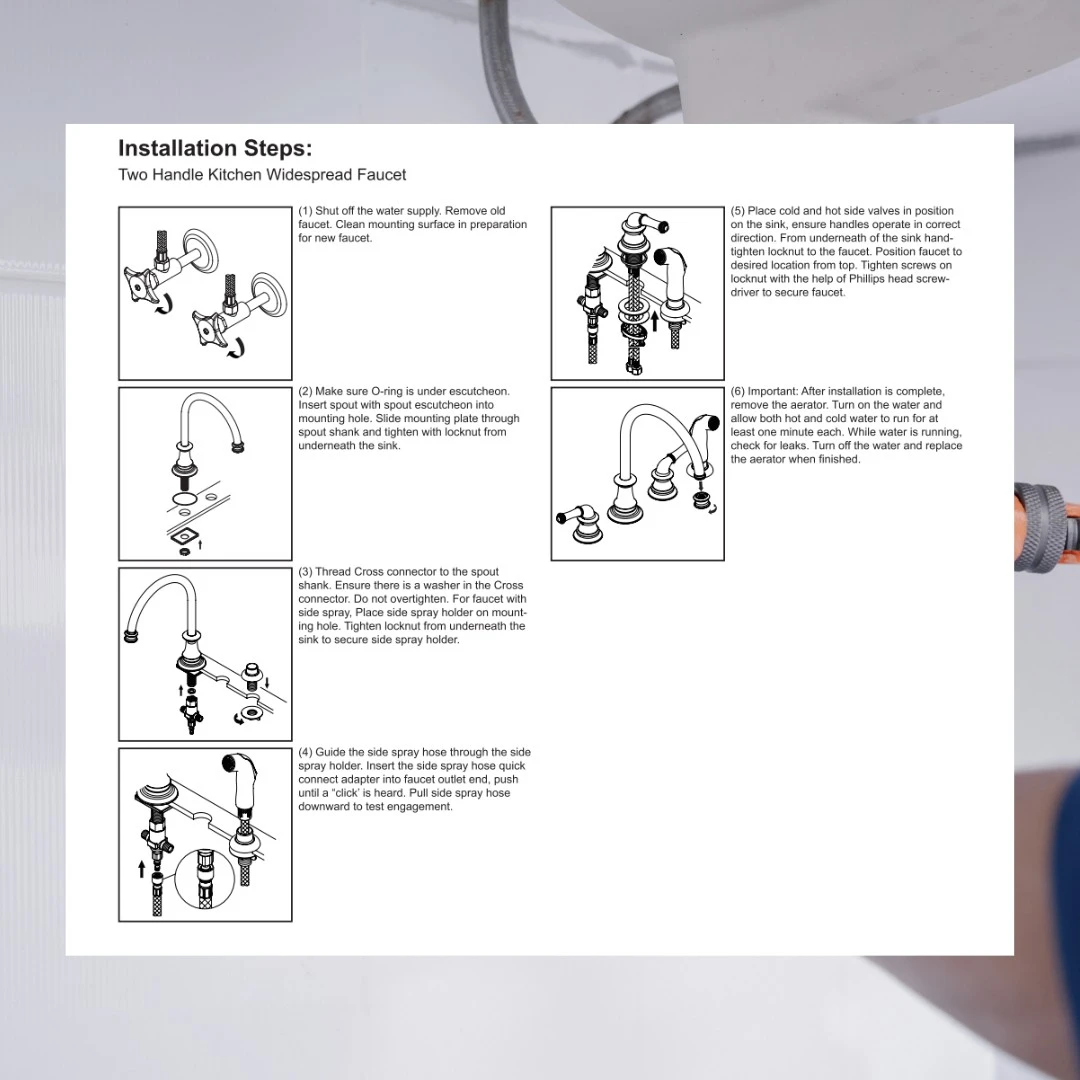
Image Source: pioneerind.com
Why Replace Your Kitchen Faucet?
Over time, kitchen faucets can start to show their age. Leaks can become persistent, handles can become stiff or wobbly, and the finish might be chipped or tarnished. A kitchen faucet replacement isn’t just about fixing problems; it’s also a fantastic way to update the look and functionality of your kitchen.
Common Signs Your Faucet Needs Replacing:
- Persistent Leaks: Dripping from the spout or around the handles is a clear indicator.
- Reduced Water Pressure: Mineral buildup or internal damage can significantly lower your water flow.
- Corrosion or Tarnishing: The faucet’s finish may be peeling, discolored, or pitted.
- Stiff or Difficult Handles: This can be due to worn-out cartridges or seals.
- Outdated Style: A new faucet can dramatically change the aesthetic of your kitchen sink.
Tools and Materials You’ll Need
Gathering all your tools and materials before you start is crucial for a smooth kitchen faucet replacement. This ensures you won’t have to stop midway to search for something.
Essential Tools:
- Adjustable Wrench: You’ll need this for loosening and tightening various nuts and fittings.
- Basin Wrench: This specialized tool is a lifesaver for reaching nuts in tight spaces under the sink.
- Plumber’s Tape (PTFE Tape): Used to create a watertight seal on threaded connections.
- Bucket: To catch any residual water when disconnecting the old faucet.
- Towels or Rags: For wiping up spills and keeping the work area dry.
- Safety Glasses: Protect your eyes from debris or dripping water.
- Gloves: Keep your hands clean and offer a better grip.
- Screwdriver Set: You might need a Phillips or flathead screwdriver for some parts.
- Utility Knife or Putty Knife: To scrape away old plumber’s putty or sealant.
- Flashlight or Headlamp: To illuminate the often-dark space under the sink.
- New Faucet: Ensure it’s designed for a 3-hole sink setup.
Materials:
- New 3-Hole Kitchen Faucet: Make sure it matches your sink’s hole configuration.
- Plumber’s Putty or Silicone Sealant: For sealing the base of the faucet to the sink.
Preparing for the Three Hole Faucet Installation
Before you begin the actual installation, proper preparation is key. This makes the process of replacing your kitchen tap much easier and cleaner.
Step 1: Turn Off the Water Supply
This is the most critical first step.
- Locate Shut-Off Valves: Look under your sink for two shut-off valves – one for hot water and one for cold water. They are usually small, round knobs or levers attached to the pipes coming from the wall.
- Turn Off the Valves: Turn both valves clockwise until they are fully closed.
- Test the Water: Turn on the old faucet to release any remaining pressure and ensure the water is completely off. Let it run until no more water comes out.
Step 2: Clear the Area Under the Sink
You’ll need plenty of space to work.
- Remove Everything: Take out all cleaning supplies, bins, or anything else stored under the sink.
- Place a Bucket and Towels: Position a bucket directly under the water supply lines to catch any drips. Lay down old towels to absorb any spills.
Step 3: Disconnect the Water Supply Lines
Now, you’ll detach the old faucet from the water supply.
- Loosen the Supply Line Nuts: Using your adjustable wrench, carefully loosen the nuts connecting the water supply lines to the shut-off valves. Turn them counter-clockwise. Be prepared for a small amount of residual water to drain into your bucket.
- Disconnect from Faucet: You may also need to disconnect the supply lines from the old faucet itself. Again, use your wrench to loosen these connections.
Removing the Old 3 Hole Kitchen Sink Faucet
This part involves carefully detaching the old unit. Removing an old 3 hole kitchen sink faucet can sometimes be tricky due to cramped spaces and corroded parts.
Step 4: Remove the Old Faucet
This is where the basin wrench becomes your best friend.
- Locate Mounting Nuts: Look up under the sink at the base of the faucet. You’ll find large nuts (or sometimes a mounting bracket with screws) that secure the faucet to the sink.
- Use the Basin Wrench: Position the basin wrench on these nuts. The long handle and pivoting head allow you to reach and turn them even in tight spots.
- Loosen and Remove Nuts: Turn the nuts counter-clockwise to loosen them. Once loose, you should be able to remove them by hand or with the wrench.
- Lift Out the Old Faucet: With the nuts removed, the old faucet should be loose. From above the sink, lift the entire unit out. If it’s stuck, gently wiggle it. You might need to use a utility knife to break any old sealant around the base.
Step 5: Clean the Sink Surface
Before installing the new faucet, it’s important to clean the area where the old one sat.
- Scrape Away Old Putty/Sealant: Use a putty knife or utility knife to carefully scrape away any old plumber’s putty or silicone sealant from the sink surface.
- Wipe Clean: Use a damp cloth and a mild cleaner to wipe down the area, ensuring it’s free of debris and residue. This ensures a good seal for your new faucet.
Installing Your New 3 Hole Kitchen Faucet
Now for the exciting part – installing your new faucet! This guide focuses on a typical 3 hole faucet installation, often comprising a main spout and two separate handles.
Step 6: Prepare the New Faucet
Many new faucets come with supply lines already attached. If yours doesn’t, you’ll need to attach them now.
- Attach Supply Lines (If Necessary): If your new faucet didn’t come with integrated supply lines, screw the new flexible supply lines onto the threaded shanks of the faucet spout and handles. Hand-tighten first, then use a wrench to give them an extra quarter-turn. Be careful not to overtighten.
Step 7: Position the New Faucet
This is where you’ll carefully place the new unit.
- Apply Sealant: Apply a bead of plumber’s putty or silicone sealant around the base of the new faucet. For a 3 hole faucet installation, ensure the sealant creates a barrier on the underside of the spout and each handle where they will meet the sink. Some faucets come with a rubber gasket; if yours does, you may not need putty or sealant, but check the manufacturer’s instructions.
- Insert Faucet into Holes: Carefully feed the faucet shanks and any separate handle shanks through the corresponding holes in your sink. Guide them from above.
- Align Faucet: Make sure the faucet is properly aligned and facing the correct direction.
Step 8: Secure the New Faucet from Below
This is where you’ll fasten the faucet in place.
- Install Washers and Nuts: From under the sink, slide the provided washers onto the faucet shanks. Then, thread on the mounting nuts.
- Hand-Tighten: Hand-tighten the nuts as much as you can.
- Align and Tighten with Wrench: Check the alignment of the faucet from above. Once it’s straight, use your basin wrench and adjustable wrench to tighten the nuts securely. Tighten them gradually and evenly, alternating between each nut to ensure the faucet remains centered. Don’t overtighten, as this can crack the sink or damage the faucet.
Step 9: Connect the Water Supply Lines
Now you’ll connect the new faucet to the water supply.
- Connect to Shut-Off Valves: Attach the flexible supply lines to the corresponding hot and cold shut-off valves. Hand-tighten the nuts first.
- Tighten with Wrench: Use your adjustable wrench to tighten the nuts. A quarter to a half turn past hand-tight is usually sufficient. Again, avoid overtightening.
- Install Plumber’s Tape: If your new faucet didn’t have integrated supply lines and you’re connecting directly to the valve’s threaded nipple, wrap plumber’s tape around the threads of the shut-off valve before connecting the supply line. This helps create a watertight seal.
Step 10: Connect the Sprayer Hose (If Applicable)
Many modern kitchen faucets come with a pull-out or side sprayer.
- Attach Hose: If your faucet has a sprayer, connect the sprayer hose to the designated outlet pipe under the faucet. Follow the manufacturer’s instructions carefully, as these connections can vary. Some have a quick-connect fitting, while others require a threaded connection.
- Secure Sprayer Holder: If there’s a separate hose weight or holder, attach it to the sprayer hose as per the instructions.
Testing and Finishing Touches for Your Kitchen Faucet Replacement
After the installation, it’s time to check your work and ensure everything is working correctly.
Step 11: Turn the Water Supply Back On
- Open Shut-Off Valves Slowly: Turn both the hot and cold water shut-off valves counter-clockwise to open them slowly.
- Check for Leaks: Immediately inspect all connections under the sink for any signs of leaks. Look at where the supply lines connect to the valves and where they connect to the faucet.
- Tighten if Necessary: If you see any drips, gently tighten the leaking connection slightly with your wrench.
Step 12: Test the New Faucet
- Turn On Faucet: Turn on the new kitchen faucet, starting with the cold water, then the hot water.
- Check Water Flow: Ensure water flows smoothly from the spout.
- Operate Handles: Test both handles to make sure they turn on and off properly and control the temperature mix as expected.
- Test Sprayer (If Applicable): If you have a sprayer, test its function and ensure there are no leaks from the hose or sprayer head.
- Check for Leaks Again: After running the water for a minute or two, do another thorough check for leaks under the sink. Pay attention to any condensation that might appear later.
Step 13: Clean Up
- Wipe Away Excess Sealant: If any plumber’s putty or sealant squeezed out around the base of the faucet, gently wipe it away with a damp cloth or a putty knife.
- Dry the Area: Make sure the area under the sink is completely dry.
- Replace Items: Put back any cleaning supplies or other items you removed from under the sink.
Common Issues and Troubleshooting for 3 Hole Kitchen Sink Faucet Installation
Even with the best preparation, sometimes issues can arise. Here’s how to handle common problems encountered during a kitchen faucet replacement.
Leaks Under the Sink
- Cause: Loose connections, improperly applied plumber’s tape, or damaged O-rings/washers.
- Solution: Double-check all connections. Tighten nuts slightly if loose. If a connection still leaks after tightening, you might need to disconnect it, reapply plumber’s tape to the threads (if applicable), or check for damage to seals.
Reduced Water Pressure
- Cause: Debris in the supply lines or faucet aerator, or shut-off valves not fully open.
- Solution: Ensure the shut-off valves are fully open. Unscrew the aerator from the tip of the faucet spout and clean out any sediment. If you recently replaced the faucet, some debris might have gotten into the lines. Running the faucet at full blast for a few minutes can sometimes flush it out.
Faucet Wobbles
- Cause: Mounting nuts not tightened enough.
- Solution: Go back under the sink and tighten the mounting nuts more securely using your basin wrench. Ensure they are tightened evenly.
Leaking Handles (3 Handle Faucet Replacement Specifics)
- Cause: Worn-out cartridges or valve seats in the handles.
- Solution: If your new faucet is still leaking from the handles, the cartridges or valve seats inside may be faulty. You would need to remove the handle (usually a small screw under a decorative cap), remove the cartridge, and replace it with a new one, ensuring you get the correct part for your faucet model. This is less common with brand new faucets but can happen with older replacements.
Frequently Asked Questions (FAQ)
Here are some common questions people have when tackling a 3 hole kitchen faucet replacement.
Q1: How long does it typically take to replace a 3 hole kitchen faucet?
A: For a DIYer with basic tools and some experience, replacing a 3 hole kitchen faucet can take anywhere from 1 to 3 hours. If it’s your first time, or if the old faucet is corroded and difficult to remove, it might take a bit longer.
Q2: What is the difference between a 3 hole faucet and a single hole faucet?
A: A 3 hole faucet typically has one hole for the spout and two separate holes for the hot and cold water handles. A single hole faucet integrates the spout and handles into one unit, requiring only one hole in the sink or countertop. Your existing sink will dictate which type you need.
Q3: Do I need plumber’s putty or silicone sealant?
A: Most faucets require some form of sealant to create a watertight barrier between the faucet base and the sink. Plumber’s putty is a traditional choice, while silicone sealant offers a more durable, waterproof bond. Always check the manufacturer’s instructions for your specific faucet, as some come with rubber gaskets and may not require additional sealant.
Q4: Can I replace just one handle on a 3 handle faucet replacement?
A: While you can replace a single handle if the issue is localized to that handle (e.g., a stripped thread or worn-out valve seat), it’s often recommended to replace all handles or the entire faucet if the faucet is old. Replacing one handle may lead to uneven wear or different aesthetic appearances. If you are performing a kitchen faucet repair 3 hole, and only one handle is problematic, you can replace that part.
Q5: What if my new faucet doesn’t fit the existing holes?
A: Standard 3 hole kitchen sinks typically accommodate faucets with centers spaced 4 inches apart (often referred to as centerset). If your holes are spaced differently, you might need a faucet designed for that specific spacing or a valve/escutcheon plate that bridges larger gaps. Always measure your sink’s hole spacing before purchasing a new faucet.
Q6: What’s the best way to tighten the nuts under the sink?
A: A basin wrench is the most effective tool for tightening the mounting nuts under the sink because of its long reach and pivoting head. An adjustable wrench can also be used once the nuts are somewhat accessible. Tighten them gradually and evenly to prevent the faucet from becoming crooked.
Replacing your kitchen faucet is a rewarding DIY project that can significantly improve your kitchen’s functionality and appearance. By following these detailed steps, you can confidently tackle a 3 hole kitchen sink faucet replacement, saving money and gaining valuable home improvement skills. Enjoy your new, leak-free kitchen tap!