
When thinking about how to renovate a kitchen, most people want to know if it’s a good investment and how much it generally costs. Yes, a kitchen renovation is typically a good investment, often increasing your home’s value. Kitchen renovation costs can vary widely, from a few thousand dollars for cosmetic updates to tens of thousands for a full gut job. This guide will walk you through every step of a successful kitchen renovation.
Embarking on a kitchen renovation can seem daunting, but with careful planning and execution, it can transform your home’s most central space. This comprehensive guide aims to demystify the process of kitchen remodeling, providing you with the knowledge and kitchen renovation ideas needed for a smooth and successful project. From initial concept to the final fixture, we’ll cover what you need to know.
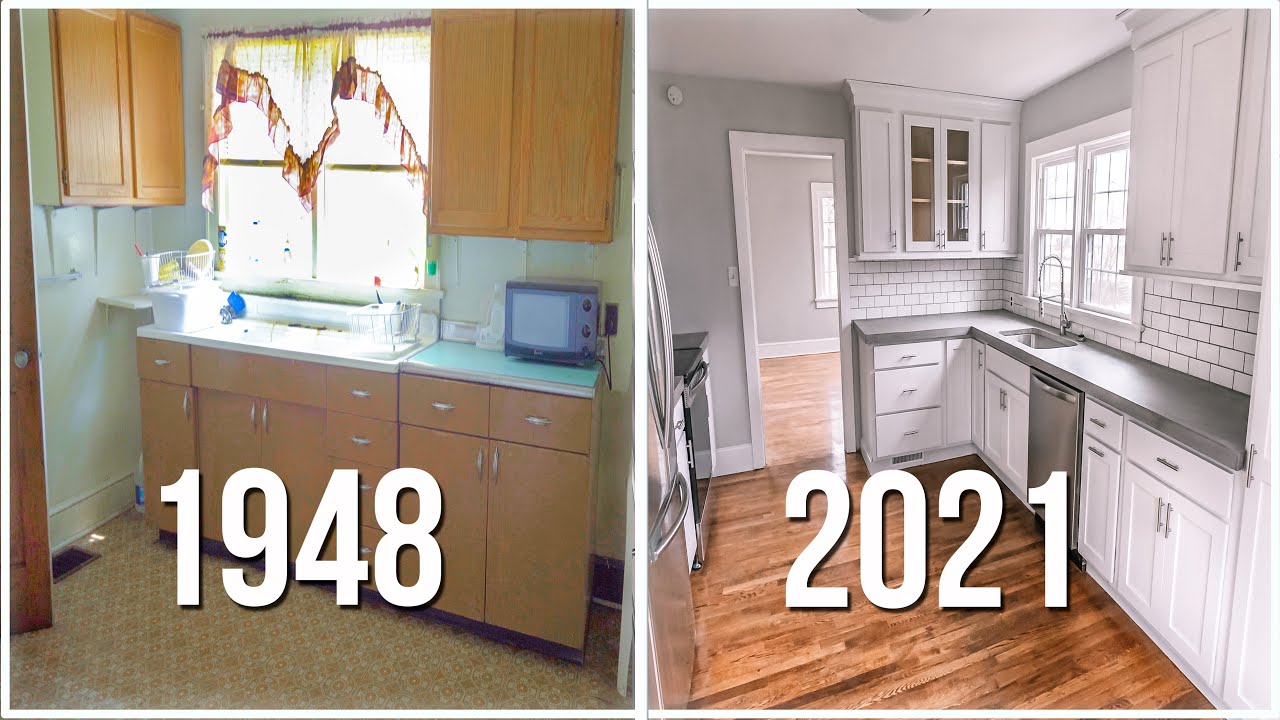
Image Source: i.ytimg.com
Planning Your Dream Kitchen
The first step in any successful kitchen renovation is thorough planning. This phase sets the foundation for the entire project, influencing everything from budget to timeline.
Defining Your Vision and Needs
Before diving into specific choices, take time to think about what you want from your new kitchen.
- Functionality: How do you use your kitchen? Do you cook elaborate meals, entertain frequently, or need space for kids to do homework? Your daily habits will dictate the best layout and features.
- Aesthetics: What style are you aiming for? Modern, farmhouse, traditional, or minimalist? Gather inspiration from magazines, Pinterest, and Houzz to define your look.
- Budget: Determine a realistic budget. It’s crucial to factor in a contingency fund (10-20%) for unexpected issues that often arise during renovations.
Creating a Realistic Budget
Kitchen renovation costs are a significant consideration. Breaking down potential expenses helps create a manageable budget.
- Design & Planning: Architect or designer fees (if applicable).
- Demolition & Disposal: Removing old materials.
- Cabinetry: This is often the largest single expense.
- Countertops: Material choice greatly impacts cost.
- Appliances: New refrigerators, ovens, dishwashers, etc.
- Flooring: Material and installation.
- Backsplash: Tile, stone, or other materials.
- Lighting: Fixtures and electrical work.
- Plumbing: Moving pipes or new fixtures.
- Electrical: Rewiring, new outlets, lighting.
- Painting & Finishing: Walls, ceiling, trim.
- Labor: Contractors, electricians, plumbers, tilers, etc.
- Permits: Local building permits.
- Contingency: For unforeseen expenses.
A simple kitchen remodel might range from $15,000 to $30,000, while a high-end, full renovation can easily exceed $50,000 or more.
Assembling Your Renovation Team
For a complex kitchen renovation, hiring professionals is often essential.
- Kitchen Designer: Helps with layout, material selection, and overall kitchen design.
- General Contractor (GC): Manages the entire project, hiring and coordinating subcontractors.
- Subcontractors: Electricians, plumbers, tilers, painters, cabinet installers, countertop fabricators.
Tips for Hiring:
- Get multiple quotes.
- Check references and reviews.
- Ensure they are licensed and insured.
- Get a detailed contract in writing.
The Design Phase: Bringing Your Vision to Life
Once the planning is done, it’s time to focus on the specifics of your kitchen design. This is where your vision starts to take tangible shape.
Layout and Workflow (The Kitchen Work Triangle)
The traditional kitchen work triangle connects the sink, refrigerator, and stove/cooktop. While this concept is still relevant, modern kitchen design often incorporates a “work zone” approach, especially in larger kitchens.
- Work Triangle: Aim for efficient movement between these key areas. The sum of the sides of the triangle should ideally be between 13 and 26 feet.
- Work Zones: Consider distinct areas for prep, cooking, cleaning, and storage. This is especially helpful for multiple cooks or busy households.
- Island or Peninsula: These can add valuable counter space, storage, and seating, improving workflow.
Cabinetry: The Heart of the Kitchen
Kitchen cabinet replacement or refacing is a major decision in a kitchen renovation. Cabinets impact both the look and functionality of your kitchen.
Types of Cabinets:
- Stock Cabinets: Mass-produced, offering the most budget-friendly option with limited customization.
- Semi-Custom Cabinets: Offer more choices in size, style, and finish than stock cabinets, with moderate pricing.
- Custom Cabinets: Built to your exact specifications, offering the widest range of styles, materials, and features, but at the highest cost.
Cabinet Styles:
- Shaker: Clean lines, simple recessed panel, very popular.
- Slab (Flat Panel): Modern, minimalist look.
- Inset: Doors and drawers sit inside the cabinet frame, offering a high-end, traditional look.
- Raised Panel: Classic, traditional style with a raised center panel.
Cabinet Finishes:
- Paint: Offers a vast color palette, but can chip over time.
- Stain: Enhances the natural wood grain, available in many shades.
- Veneer: Thin layer of wood over particleboard or MDF, good for consistent grain and often more stable.
- Laminate/Thermofoil: Durable, easy-to-clean synthetic materials.
Countertop Installation: Style and Durability
Choosing the right countertop material is crucial for both aesthetics and practicality in your kitchen renovation.
| Material | Pros | Cons | Cost Range (per sq ft, installed) |
|---|---|---|---|
| Granite | Durable, heat resistant, many unique patterns | Needs sealing, can chip/stain if not maintained | $50 – $200+ |
| Quartz | Non-porous, very durable, stain resistant, consistent | Can be damaged by extreme heat, higher cost | $60 – $220+ |
| Marble | Luxurious, beautiful veining | Porous, stains easily, scratches, needs sealing | $75 – $250+ |
| Butcher Block | Warm look, functional for prep, affordable | Needs regular oiling/sealing, can scratch/dent | $40 – $150+ |
| Laminate | Affordable, wide variety of styles, easy to clean | Can scratch/burn, not heat resistant, less durable | $30 – $70+ |
| Solid Surface | Seamless, non-porous, repairable, integrated sinks | Can scratch, sensitive to heat | $50 – $150+ |
When planning for kitchen countertop installation, consider edge profiles (e.g., eased, bullnose, ogee) and the need for backsplashes.
Kitchen Flooring: Balancing Beauty and Practicality
Kitchen flooring needs to withstand heavy traffic, spills, and dropped items.
- Tile (Ceramic/Porcelain): Durable, water-resistant, vast design options. Grout lines can require cleaning.
- Luxury Vinyl Plank (LVP)/Tile (LVT): Waterproof, durable, comfortable underfoot, mimics wood or stone.
- Hardwood: Classic, warm look. Can be susceptible to water damage and scratches.
- Laminate: Affordable, mimics wood or tile. Less water-resistant than LVP.
- Natural Stone (Slate, Travertine): Beautiful, durable, but can be porous and require sealing.
Backsplash: Adding Personality and Protection
A kitchen backsplash protects your walls from splashes and can be a major design element.
- Ceramic/Porcelain Tile: Most popular, affordable, wide range of styles, colors, and patterns.
- Glass Tile: Reflective, adds a sense of light and space.
- Natural Stone (Marble, Travertine): Elegant, can be costly and require sealing.
- Metal Tile (Stainless Steel, Aluminum): Modern, sleek look.
- Subway Tile: Classic and timeless.
Kitchen Lighting: Illuminating Your Space
Good kitchen lighting is essential for both task performance and ambiance. Layering different types of light is key.
- Ambient Lighting: General illumination for the entire room (e.g., recessed ceiling lights, chandeliers).
- Task Lighting: Focused light for work areas like countertops and the sink (e.g., under-cabinet lighting, pendant lights over an island).
- Accent Lighting: Highlights specific features like artwork or cabinetry (e.g., in-cabinet lighting, toe-kick lighting).
Consider dimmers to adjust the mood.
Selecting Kitchen Appliances
Choosing new kitchen appliances is a significant part of a kitchen renovation. Consider energy efficiency, features, and style.
- Refrigerator: French door, side-by-side, top-freezer, bottom-freezer.
- Range/Cooktop & Oven: Gas, electric, induction. Consider a range (all-in-one) or separate cooktop and wall oven.
- Dishwasher: Integrated, portable, panel-ready.
- Microwave: Over-the-range, countertop, built-in drawer.
- Ventilation: Range hood or microwave ventilation to remove smoke and odors.
Pro Tip: Measure all appliance dimensions carefully, including door swings and ventilation needs, before ordering.
The Renovation Process: From Demolition to Completion
With the design finalized and a team in place, the physical work begins.
Demolition and Preparation
This is where the old kitchen is removed to make way for the new.
- Disconnect Utilities: Water, gas, and electricity must be safely shut off.
- Remove Fixtures: Cabinets, countertops, sink, faucet, appliances, flooring, and backsplash are taken out.
- Structural Changes: If you’re moving walls or changing the layout, this is when those tasks are performed.
- Rough-ins: Plumbing and electrical work might need to be rerouted or updated before walls are closed up.
Installation of New Elements
This phase involves bringing in and installing the new components.
- Cabinet Installation: Kitchen cabinet replacement or installation of new units is usually the first major step. Ensure they are level and securely fastened.
- Countertop Installation: After cabinets are in, kitchen countertop installation takes place. This typically requires precise measurements taken after the cabinets are in place.
- Appliance Installation: Kitchen appliances are brought in and hooked up. Ensure proper ventilation for ranges and hoods.
- Flooring Installation: Kitchen flooring is laid down.
- Backsplash Installation: The kitchen backsplash is installed after countertops are in place.
- Sink and Faucet Installation: These are plumbed in.
- Lighting Fixture Installation: Kitchen lighting is wired and installed.
- Painting and Finishing: Walls and trim are painted.
The Final Touches and Inspection
The last steps involve all the details that make the kitchen complete.
- Hardware Installation: Cabinet pulls and knobs.
- Appliance Testing: Ensuring all kitchen appliances are working correctly.
- Plumbing and Electrical Checks: Testing all water flow and electrical circuits.
- Final Cleanup: A thorough cleaning of the entire space.
- Final Walk-through: Inspecting all work with your contractor to ensure everything is to your satisfaction.
Frequently Asked Questions (FAQ)
Q1: What is the average cost of a kitchen renovation?
A1: The average cost can range significantly, from around $15,000 for a minor update to $50,000 or more for a complete overhaul. Factors like materials, appliance choices, and labor costs heavily influence the final price.
Q2: How long does a kitchen renovation typically take?
A2: A typical kitchen renovation can take anywhere from 4 to 12 weeks, depending on the scope of the project, the availability of materials and labor, and any unforeseen issues that may arise.
Q3: Can I renovate my kitchen myself?
A3: While some DIY enthusiasts can tackle parts of a kitchen renovation, such as painting or simple fixture updates, complex tasks like plumbing, electrical work, and structural changes are best left to licensed professionals to ensure safety and compliance with building codes.
Q4: What are the most important elements to consider in kitchen design?
A4: Key elements include functionality (workflow, layout), aesthetics (style, color palette), storage solutions, adequate kitchen lighting, durable kitchen flooring, and the selection of quality kitchen cabinets and countertops.
Q5: What is the most expensive part of a kitchen renovation?
A5: Generally, kitchen cabinets and high-quality kitchen appliances represent the largest portion of kitchen renovation costs.
Q6: Should I replace my kitchen cabinets or reface them?
A6: Kitchen cabinet replacement offers the most flexibility for changing layout and style, but is more expensive. Refacing (replacing doors, drawer fronts, and veneers) is a more budget-friendly option if the existing cabinet boxes are sound.
Q7: What are popular kitchen backsplash materials?
A7: Popular choices for a kitchen backsplash include ceramic tile, porcelain tile, glass tile, and natural stone like marble or travertine, offering both protection and decorative appeal.
Q8: What kind of kitchen lighting is best?
A8: A layered lighting approach is best, combining ambient lighting for overall illumination, task lighting for work areas like countertops, and accent lighting for decorative features.
By following this guide, you can approach your kitchen renovation with confidence, transforming your kitchen into a functional, beautiful, and enjoyable space for years to come.