
Does your kitchen sink smell bad? You can remove that smell fast by using natural remedies like baking soda and vinegar, or by regularly cleaning your garbage disposal.
A stinky kitchen sink can be a real nuisance. It’s more than just unpleasant; it can be embarrassing when guests are over and can even indicate underlying issues that need addressing. But fear not! Getting rid of that lingering odor and making your kitchen smell fresh again is achievable with a few simple steps and common household items. Whether you’re dealing with the aftermath of a big meal, a stubborn clog, or just general grime, this guide will equip you with the knowledge and methods to banish sink smells for good.
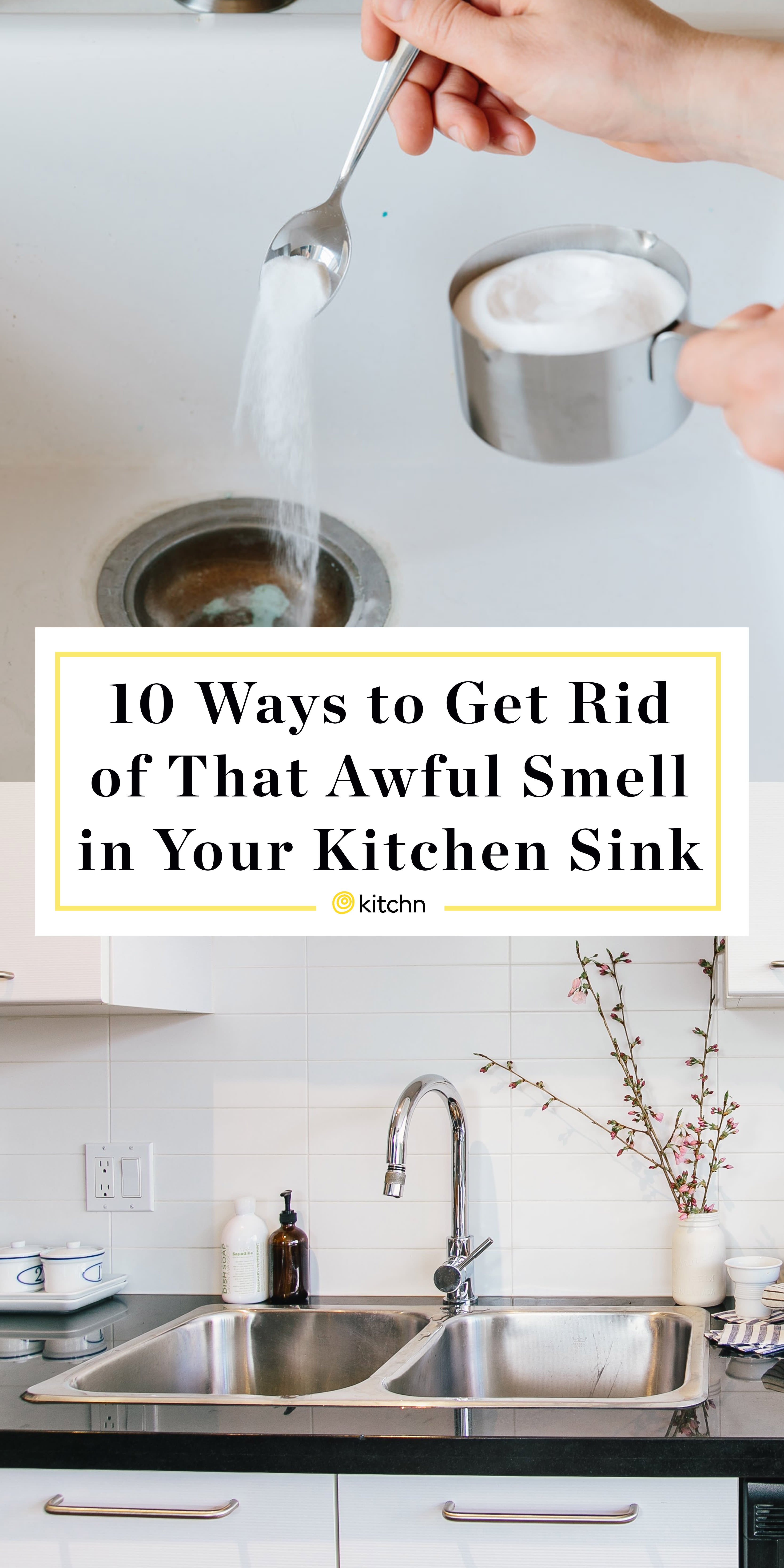
Image Source: cdn.apartmenttherapy.info
Deciphering the Source of Sink Smells
Before we dive into the solutions, it’s helpful to know why your sink might be smelling in the first place. Often, the culprit isn’t just surface-level dirt.
Common Causes of Kitchen Sink Odors
- Food Scraps: Small pieces of food can get trapped in the drain or the garbage disposal, especially if they aren’t fully ground up or if the disposal isn’t used regularly. These scraps decompose, releasing unpleasant odors.
- Grease Buildup: Pouring grease, fats, or oils down the drain is a common mistake. As they cool, they solidify and stick to the pipes, creating a sticky film that traps food particles and promotes bacterial growth. This is a primary cause of sluggish drains and foul smells.
- Biofilm Formation: Even without visible food particles, a thin layer of slime, known as biofilm, can form on the inside of pipes and drain openings. This biofilm is a breeding ground for bacteria that produce sulfurous, rotten-egg-like smells.
- Trapped Debris: Anything that goes down the drain – coffee grounds, eggshells, fibrous vegetables – can accumulate over time, especially if the sink isn’t flushed with hot water regularly. This buildup can rot and smell.
- Garbage Disposal Issues: If you have a garbage disposal, it’s a prime suspect. Food particles can get stuck in the grinding chamber, under the rubber splash guard, or in the disposal’s housing. If not cleaned properly, these can become a significant source of odor.
- Dirty P-Trap: The U-shaped pipe beneath your sink, called a P-trap, is designed to hold water. This water acts as a barrier, preventing sewer gases from coming up into your kitchen. If the P-trap becomes clogged with debris or dries out, it can let these gases escape, causing a foul odor.
- Mold and Mildew: Damp environments, like the underside of a sink or around the drain opening, can foster mold and mildew growth, which often have a distinct musty smell.
Natural Remedies for a Fresh Sink
Luckily, you don’t need harsh chemicals to tackle sink odors. Many effective solutions use everyday items you likely already have in your kitchen. These natural remedies are gentle on your pipes and the environment.
The Power of Baking Soda and Vinegar
This classic combination is a powerhouse for deodorizing and cleaning drains. The reaction between baking soda (a base) and vinegar (an acid) helps to break down grime, deodorize, and even dislodge minor blockages.
How to Use Baking Soda and Vinegar:
- Pour Baking Soda: Start by pouring about half a cup to a full cup of baking soda directly down the drain opening. Try to get as much as possible into the drain itself.
- Add Vinegar: Slowly pour an equal amount of white vinegar (about half a cup to a full cup) into the drain. You’ll notice a fizzing and bubbling reaction. This is the baking soda and vinegar working together.
- Cover and Wait: Immediately cover the drain opening with a sink stopper or a damp cloth. Let the mixture sit and work its magic for at least 15-30 minutes, or even longer (up to a few hours or overnight for stubborn smells).
- Flush with Boiling Water: After the waiting period, remove the stopper and carefully pour a kettle of boiling water down the drain. This will help to flush away the loosened debris and the vinegar-baking soda mixture.
Why it Works: Baking soda is alkaline and acts as a gentle abrasive and deodorizer. Vinegar is acidic and helps to dissolve grease and mineral deposits. Together, they create a chemical reaction that cleans and neutralizes odors.
Harnessing Boiling Water
Sometimes, a simple flush with very hot water can do wonders. Boiling water can melt away grease and loosen grime that may be causing odors.
How to Use Boiling Water:
- Boil Water: Fill a kettle with water and bring it to a rolling boil.
- Pour Carefully: Slowly and carefully pour the boiling water directly down the drain. Be cautious to avoid splashing yourself.
- Repeat if Necessary: For persistent odors, you can repeat this process a few times.
When to Use Boiling Water: This method is particularly effective for sinks where grease buildup is suspected, or as a regular maintenance step.
Important Note: While boiling water is great for melting grease, it’s generally not recommended for pipes made of PVC or plastic if done too frequently or in very large quantities, as extreme heat could potentially soften or damage them over time. However, occasional use is usually fine. If you have older plastic pipes, consider using very hot tap water instead.
The Gentle Touch of Salt and Baking Soda
Salt can act as a mild abrasive and also has some deodorizing properties. Combining it with baking soda enhances its cleaning power.
How to Use Salt and Baking Soda:
- Mix Ingredients: Combine about half a cup of baking soda with a quarter cup of salt.
- Pour into Drain: Pour this dry mixture down the drain.
- Add Vinegar or Hot Water: Follow up by pouring half a cup of vinegar and letting it fizz, or pour a kettle of boiling water down the drain.
- Let Sit and Flush: Allow it to sit for about 15-30 minutes, then flush with more hot water.
Citrus Peels for a Fresh Scent
Citrus peels, like lemon, orange, or grapefruit, can add a pleasant scent and their oils can help break down grease.
How to Use Citrus Peels:
- Save Peels: Keep citrus peels after juicing or eating the fruit.
- Grind (if you have a disposal): If you have a garbage disposal, toss a few citrus peels into it and run the disposal with cold water. This will grind them up and help to freshen the unit and the drain.
- Boil for a Scent: If you don’t have a disposal, you can boil citrus peels in a pot of water for a while. Let the scented steam fill your kitchen. You can also place a bowl of fresh citrus peels near the sink to absorb odors.
Tackling the Garbage Disposal
If your sink has a garbage disposal, it’s often the primary source of unpleasant smells. Food particles can get lodged in its components, leading to decomposition and odors. Regular cleaning is key to keeping it fresh.
Cleaning Your Garbage Disposal
Essential Cleaning Steps:
- Safety First: Always ensure the disposal is turned OFF and the power is disconnected before attempting to clean it. Never put your hands into the disposal unit.
- Remove Visible Debris: Use tongs or pliers to remove any visible food particles or foreign objects from the grinding chamber and around the splash guard.
- Baking Soda and Vinegar Treatment: Pour about half a cup of baking soda into the disposal. Follow with about a cup of white vinegar. Let it fizz for 10-15 minutes.
- Scrub the Splash Guard: The rubber splash guard at the opening is a common place for gunk to accumulate. Use an old toothbrush or a dedicated scrub brush with some baking soda paste (baking soda mixed with a little water) to scrub it thoroughly.
- Flush with Cold Water: Turn the water on to cold and run the disposal until all the loosened debris is flushed away.
- Ice Cubes: Periodically, you can toss a few ice cubes into the disposal and run it. The ice helps to knock off any residue clinging to the grinding plates.
- Citrus Peels: As mentioned before, grinding citrus peels is an excellent way to freshen the disposal.
What NOT to Put Down the Garbage Disposal
To prevent future smells and clogs, be mindful of what you put down your garbage disposal.
Items to Avoid:
- Grease, fats, and oils: These solidify and coat pipes.
- Fibrous vegetables: Celery, corn husks, and asparagus can wrap around blades.
- Coffee grounds and eggshells: While often thought to be okay, they can accumulate and create sludge.
- Pasta, rice, and bread: These expand with water and can form a paste-like clog.
- Fruit pits and seeds: They are hard and can damage the disposal.
- Bones: Too hard to grind effectively.
- Non-food items: Anything not meant for consumption or grinding.
Dealing with Clogs and Persistent Odors
Sometimes, the smell is a symptom of a more significant issue, like a clog. Addressing the clog is essential to eliminating the odor.
Identifying a Clog
Signs of a clog include:
- Slow draining water.
- Water backing up in the sink or dishwasher.
- Gurgling sounds from the drain.
- Unpleasant odors even after cleaning attempts.
Methods for Clearing Clogs
- Plunger: A sink plunger can create suction to dislodge minor clogs. Ensure there’s enough water to cover the plunger’s cup and create a good seal.
- Baking Soda and Vinegar (for minor clogs): As described earlier, this can help loosen minor blockages.
- Drain Snake (or Auger): For tougher clogs, a drain snake can be fed into the drain to physically break up or retrieve the blockage.
- Commercial Drain Cleaner: If natural methods fail, a store-bought drain cleaner can be used. However, use these with extreme caution. They contain harsh chemicals that can damage pipes and are dangerous if mixed or inhaled. Always follow the product instructions precisely, ensure good ventilation, and wear protective gear. It’s often best to try natural remedies first.
Table: Comparing Clog Clearing Methods
| Method | Effectiveness | Ease of Use | Potential Pipe Damage | Chemical Usage | Best For |
|---|---|---|---|---|---|
| Baking Soda & Vinegar | Mild clogs, deodorizing | Easy | Very Low | None | Routine cleaning, minor blockages |
| Boiling Water | Grease clogs, minor buildup | Easy | Low (for PVC) | None | Melting solidified grease |
| Plunger | Minor to moderate physical blockages | Moderate | Very Low | None | Simple obstructions |
| Drain Snake | Moderate to severe physical blockages | Moderate | Low | None | Solid debris, hair, etc. |
| Commercial Drain Cleaner | Stubborn organic clogs | Moderate | High | High | Tough grease, hair, and soap scum clogs |
Preventing Future Sink Smells
The best way to deal with sink smells is to prevent them from occurring in the first place. Regular maintenance is key.
Proactive Sink Maintenance
- Run Hot Water: After using the sink, especially after washing greasy dishes, run hot water for a minute or two to help flush away any remaining grease.
- Regular Deodorizing: Make a habit of using the baking soda and vinegar method once a week or every other week. This keeps the pipes clean and odor-free.
- Clean the Garbage Disposal: Don’t forget to clean your garbage disposal regularly, especially if you use it frequently.
- Avoid Grease: Never pour grease, fats, or oils down the drain. Wipe greasy pans with paper towels before washing them, or collect the grease in a container to dispose of in the trash.
- Scrape Plates: Scrape food scraps from plates into the trash or compost bin before rinsing them in the sink.
- Use a Drain Strainer: A good sink strainer can catch food particles, hair, and other debris, preventing them from going down the drain and causing clogs or smells. Empty the strainer regularly.
- Disinfect Regularly: Use a disinfectant cleaner around the sink basin, faucet, and drain opening to kill odor-causing bacteria and prevent mold or mildew growth.
Frequently Asked Questions (FAQ)
Q1: How often should I clean my kitchen sink to prevent smells?
A1: For optimal freshness, a quick deodorizing treatment with baking soda and vinegar once a week or every two weeks is recommended. Regular flushing with hot water after use also helps.
Q2: Can I use bleach to clean my sink drain and get rid of smells?
A2: While bleach is a powerful disinfectant, it’s generally not recommended for regular drain cleaning. Bleach can be harsh on pipes, especially older ones, and can create toxic fumes if mixed with other cleaners (like vinegar or ammonia). Natural remedies like baking soda and vinegar are safer and often just as effective for odor removal.
Q3: My sink still smells after trying baking soda and vinegar. What else can I do?
A3: If natural remedies aren’t cutting it, the odor might be due to a deeper clog or a buildup in the pipes that these methods can’t reach. Consider using a drain snake to physically remove the obstruction or consult a plumber if the problem persists.
Q4: Is it safe to use a commercial drain cleaner if natural methods don’t work?
A4: Commercial drain cleaners can be effective but should be used as a last resort. Always follow the instructions carefully, wear protective gear (gloves, eye protection), ensure good ventilation, and never mix different drain cleaners. If you’re unsure, it’s best to call a professional plumber.
Q5: How do I clean the area around my sink drain?
A5: Use an old toothbrush or a small scrub brush dipped in a paste of baking soda and water or a mild dish soap solution to scrub around the drain opening, the faucet base, and any visible grime. Rinse thoroughly.
By understanding the common causes of kitchen sink odors and employing these effective, often natural, cleaning methods, you can ensure your kitchen remains a fresh and inviting space. Regular maintenance is the most effective strategy for keeping those unwanted smells at bay, transforming your sink from a source of dread to a sparkling clean fixture.