
What is the safest way to put out a kitchen fire? The safest way to put out a kitchen fire is to act quickly and calmly, using the right tools and techniques. Always prioritize your safety and the safety of others, and know when to call for professional help.
Kitchen fires happen. They can start small but quickly become dangerous. Knowing exactly what to do can make all the difference between a minor incident and a major disaster. This guide will walk you through the steps for safely tackling common kitchen fires, from a small stovetop flare-up to a more serious oven incident. We’ll cover what tools you’ll need, what to do, and what absolutely not to do. Good fire safety starts with preparation and knowledge.
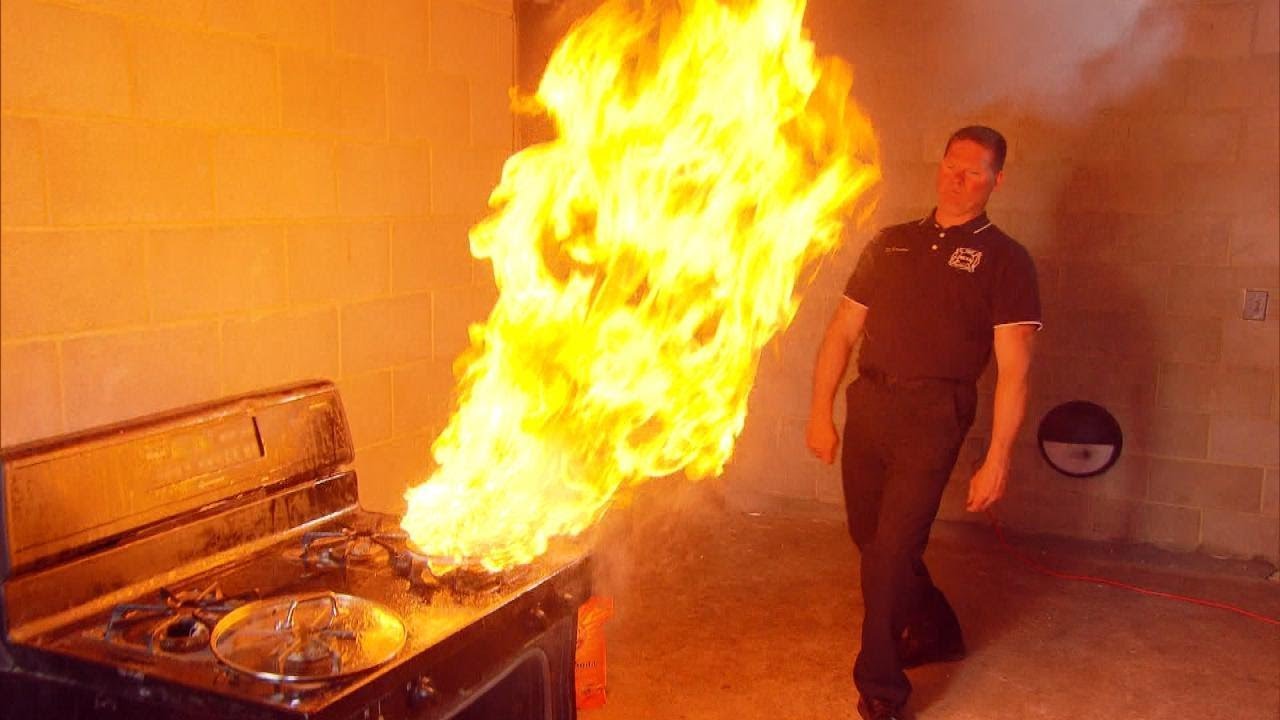
Image Source: i.ytimg.com
Preventing Kitchen Fires: The First Line of Defense
Before we delve into how to extinguish a fire, it’s crucial to talk about prevention. Many kitchen fires are preventable with simple precautions.
- Never leave cooking unattended: This is the golden rule. If you’re frying, grilling, or broiling, stay in the kitchen. If you must leave, turn off the heat.
- Keep flammable materials away from heat: Towels, oven mitts, paper products, curtains, and food packaging should be kept clear of stovetops and ovens.
- Clean cooking surfaces regularly: Grease buildup can ignite easily. Wipe down your stovetop, oven, and exhaust fan regularly.
- Wear short, close-fitting sleeves: Loose clothing can easily catch fire from a burner.
- Be cautious with cooking oil: Oil heats up quickly and can splatter. Never fill a pan too full. Heat oil slowly and watch for smoke, which indicates it’s getting too hot.
- Install smoke detectors: Ensure you have working smoke detectors in and near your kitchen. Test them monthly and change batteries at least twice a year.
Knowing Your Enemy: Common Types of Kitchen Fires
Kitchen fires are often categorized by what’s burning. The type of fire dictates the best method for putting it out.
1. Grease Fires (Class K Fires)
These are perhaps the most common and dangerous kitchen fires, often starting from cooking oil or fat.
- What they are: Fires involving flammable cooking liquids like oil, grease, and animal fats.
- Why they are dangerous: Grease fires can spread very quickly and are often very hot. Water should never be used on a grease fire.
2. Oven Fires
These can occur when food spills and burns at the bottom of the oven, or if the oven is left on for too long.
- What they are: Fires that ignite inside the oven cavity.
- Why they are dangerous: They can fill the kitchen with smoke and cause damage to the appliance.
3. Stovetop Fires
These are typically caused by unattended cooking, overheated oil, or flammable items placed too close to burners.
- What they are: Fires originating on the stovetop, often involving pots, pans, or spills.
- Why they are dangerous: They are often the most immediate and visible type of kitchen fire, requiring swift action.
4. Electrical Fires (Class C Fires)
These involve electrical equipment in the kitchen, such as faulty wiring, toasters, or microwaves.
- What they are: Fires caused by electrical malfunctions.
- Why they are dangerous: Water can conduct electricity, making it extremely dangerous to use.
Essential Tools for Kitchen Fire Safety
Having the right equipment readily available is key to tackling a kitchen fire effectively.
The Indispensable Fire Extinguisher
- What it is: A portable device used to put out fires.
- Importance: A fire extinguisher is your primary tool for fighting kitchen fires. Not all fire extinguishers are suitable for kitchen use, however.
- What to look for:
- Class K Rating: Specifically designed for cooking oils and fats.
- ABC Rating: Suitable for ordinary combustibles (Class A), flammable liquids (Class B), and electrical fires (Class C). An ABC extinguisher is a good general-purpose option for kitchens.
- Placement: Keep a fire extinguisher in an accessible location, not hidden away in a cupboard. Near the kitchen exit is often a good spot.
- Maintenance: Check the pressure gauge monthly and ensure it’s easily accessible.
Baking Soda: The Natural Fire Suppressant
- What it is: A common kitchen ingredient.
- How it helps: When heated, baking soda releases carbon dioxide, which can help to smother small flames. It’s especially effective on small grease fires.
- Quantity: You’ll need a significant amount to be effective, so keep a large box readily available.
Salt: A Similar Solution
- What it is: Another common kitchen staple.
- How it helps: Like baking soda, salt can help smother small grease fires by creating a barrier over the flames.
A Metal Lid or Baking Sheet
- What it is: A common kitchen item.
- How it helps: A lid or metal baking sheet is crucial for smothering flames. By cutting off the oxygen supply, you can extinguish the fire.
- Important: Ensure it’s metal. A glass lid might shatter from the heat.
A Damp (Not Wet) Towel
- What it is: A kitchen towel.
- How it helps: A slightly damp towel can be used to smother very small fires.
- Crucial Caution: The towel must be damp, not dripping wet. Excess water can spread the fire, especially if it’s a grease fire.
Step-by-Step Guide to Putting Out a Kitchen Fire
Every second counts. Knowing these steps can save lives and property.
Immediate Actions: Stop, Assess, and Act
- Stay Calm: This is the hardest but most important step. Panicking can lead to mistakes. Take a deep breath.
- Alert Others: Shout “Fire!” to alert everyone in the household.
- Assess the Situation: How big is the fire? Is it spreading rapidly? Is the smoke thick?
Putting Out a Grease Fire on the Stovetop
This is a critical skill for any home cook.
What to Do:
- Turn Off the Heat: If you can safely reach the stove controls, turn off the burner immediately. Do not try to move the burning pot or pan.
- Smother the Flames:
- Use a Metal Lid: Carefully slide a metal lid or a baking sheet over the pan. This cuts off the oxygen. Leave the lid on until the pan has cooled completely.
- Use Baking Soda or Salt: For very small grease fires, liberally pour baking soda or salt onto the flames. You need a large amount to be effective.
- Use a Fire Extinguisher (If Necessary): If the fire is larger and the above methods aren’t working, use your fire extinguisher. Aim at the base of the flames, from a safe distance (check your extinguisher’s instructions). Sweep the nozzle from side to side.
What NOT to Do:
- NEVER use water: Water will cause the burning grease to splatter, spreading the fire rapidly and violently.
- NEVER try to carry the burning pot or pan: You will likely spill the burning grease, spreading the fire and risking severe burns.
- NEVER use a wet towel: A wet towel can also cause the grease to splatter.
- NEVER use flour or sugar: These are flammable and will make the fire worse.
Dealing with an Oven Fire
Oven fires can be intimidating due to the confined space.
What to Do:
- Keep the Oven Door Closed: Do not open the oven door. This will feed the fire with oxygen and can cause a dangerous flare-up.
- Turn Off the Oven: Turn off the oven and the broiler.
- Wait and Watch: Leave the oven door closed. The fire will likely go out on its own once the heat source is removed and oxygen is limited.
- If the Fire Persists or Grows: If the flames do not go out, or if smoke starts to fill the kitchen, you must evacuate and call the fire department. You might need to use your fire extinguisher if you can safely do so from a distance, but only if the oven door is still closed.
What NOT to Do:
- Do not open the oven door: As mentioned, this is the most critical rule.
- Do not spray water into the oven: This can cause electrical damage or steam explosions.
Extinguishing an Electrical Fire
These require specific handling due to the electrical current.
What to Do:
- Cut Off Power: If safe to do so, immediately unplug the appliance or turn off the power at the circuit breaker.
- Use the Correct Fire Extinguisher: Use a fire extinguisher rated for Class C fires (electrical). An ABC extinguisher is suitable.
- Smother with Baking Soda: For very small fires involving small appliances, a generous amount of baking soda can also be used to smother the flames after the power is off.
What NOT to Do:
- NEVER use water: Water conducts electricity and can cause electrocution or spread the fire.
- NEVER use a wet towel: Same reason as water.
When to Evacuate and Call for Professional Help
It’s crucial to know your limits. Not all fires can or should be fought by untrained individuals.
Recognizing When to Get Out
- The fire is spreading rapidly: If the flames are growing quickly and you can’t control them.
- The smoke is thick and filling the room: Smoke inhalation is a major danger. If visibility is poor or you are having trouble breathing, evacuate immediately.
- You don’t have the right tools: If you don’t have a suitable fire extinguisher or the fire is too large for it.
- Your escape route is threatened: If the fire is blocking your exit or making it unsafe to leave.
- You are unsure or feel unsafe: Your personal safety is paramount. If you have any doubt, get out.
Making the Call: Contacting the Fire Department
- Dial 911 (or your local emergency number) immediately.
- Provide clear information:
- Your exact address.
- What is burning.
- If anyone is injured.
- Your name and phone number.
- Stay on the line until the dispatcher tells you to hang up.
After the Fire: Safety and Clean-up
Once the fire is out and the authorities have declared it safe, there are still steps to take.
Ventilation is Key
- Open windows and doors: This will help clear smoke and fumes from the kitchen and your home.
- Use fans: Place fans in windows to help circulate fresh air.
Safety Checks
- Inspect for damage: Carefully check for any structural damage, electrical issues, or lingering embers.
- Do not touch anything: Until the fire department or a professional has assessed the scene, avoid touching anything that was in the fire area.
- Check appliances: Ensure all gas and electrical appliances are turned off and have been inspected.
Clean-up Considerations
- Professional help: For significant fires, consider hiring professional fire and smoke restoration services. They have the specialized equipment and knowledge to clean and restore your home safely.
- Wear protective gear: When cleaning up, wear gloves, a mask (like an N95 mask), and eye protection to avoid inhaling soot and chemicals.
- Disposal: Dispose of all fire-damaged items, including food, charred materials, and contaminated cleaning supplies, according to local regulations.
Creating a Fire Escape Plan
A well-rehearsed escape plan is vital for ensuring everyone gets out safely.
Key Elements of Your Plan
- Two Ways Out: Every room, especially the kitchen and bedrooms, should have at least two escape routes (e.g., a door and a window).
- Meeting Place: Designate a safe meeting place outside your home, away from the building, where everyone can gather.
- Practice: Practice your escape plan at least twice a year. This includes practicing crawling low under smoke.
- Assign Responsibilities: If you have children or elderly individuals, assign someone to help them escape.
- Know Your Exits: Ensure all doors and windows open easily and are not blocked.
Fire Safety in the Kitchen
- Keep exits clear: Ensure the path from the kitchen to an exit is always clear of clutter.
- Practice fire drills: Include the kitchen in your regular fire drills.
Frequently Asked Questions (FAQ)
Q1: Can I use water to put out a kitchen fire?
A1: Absolutely not, especially if it’s a grease fire. Water can cause burning oil to splatter, making the fire much worse and spreading it rapidly. It can also be dangerous if the fire involves electricity.
Q2: What is the best way to put out a small grease fire on the stovetop?
A2: The safest and most effective ways are to carefully slide a metal lid or baking sheet over the pan to cut off oxygen, or to liberally pour baking soda or salt onto the flames. Turning off the heat source is also crucial if you can do so safely.
Q3: My oven caught fire. What should I do?
A3: Do not open the oven door. Turn off the oven and broiler. Keep the door shut to starve the fire of oxygen. If the fire doesn’t go out on its own, or if smoke is filling the kitchen, evacuate and call the fire department immediately.
Q4: How often should I check my fire extinguisher?
A4: You should check the pressure gauge of your fire extinguisher monthly. Ensure the pin is in place and there are no visible signs of damage. Fire extinguishers should also be professionally serviced according to the manufacturer’s recommendations, typically annually or every few years depending on the type.
Q5: What if I don’t have a fire extinguisher?
A5: If you don’t have a fire extinguisher, focus on smothering small flames with a metal lid or baking soda/salt if it’s a grease fire. For any fire that is growing or you cannot safely extinguish, your priority must be to evacuate and call the fire department. Having a readily accessible fire extinguisher is a vital part of kitchen fire safety.
Knowing how to react during a kitchen fire is a critical life skill. By understanding the different types of fires, having the right tools, and following these steps, you can significantly increase your chances of staying safe and minimizing damage. Remember, prevention is always better than cure, but preparation is key when the unexpected happens. Ensure your home is equipped with working smoke detectors and that your family has a practiced escape plan.