
Want to know how to organize kitchen cabinets to make more space and get rid of clutter? Start by emptying everything out, sorting items into keep, donate, or trash piles, and then group similar items together before putting them back in with helpful kitchen storage solutions.
A well-organized kitchen is a joy to work in. It makes cooking easier, reduces stress, and can even make your kitchen look bigger. Many people struggle with messy cabinets, overflowing drawers, and items they can’t find. This guide will show you how to transform your kitchen cabinets, from decluttering to smart storage. We’ll cover everything you need to know for effective kitchen cabinet organization.
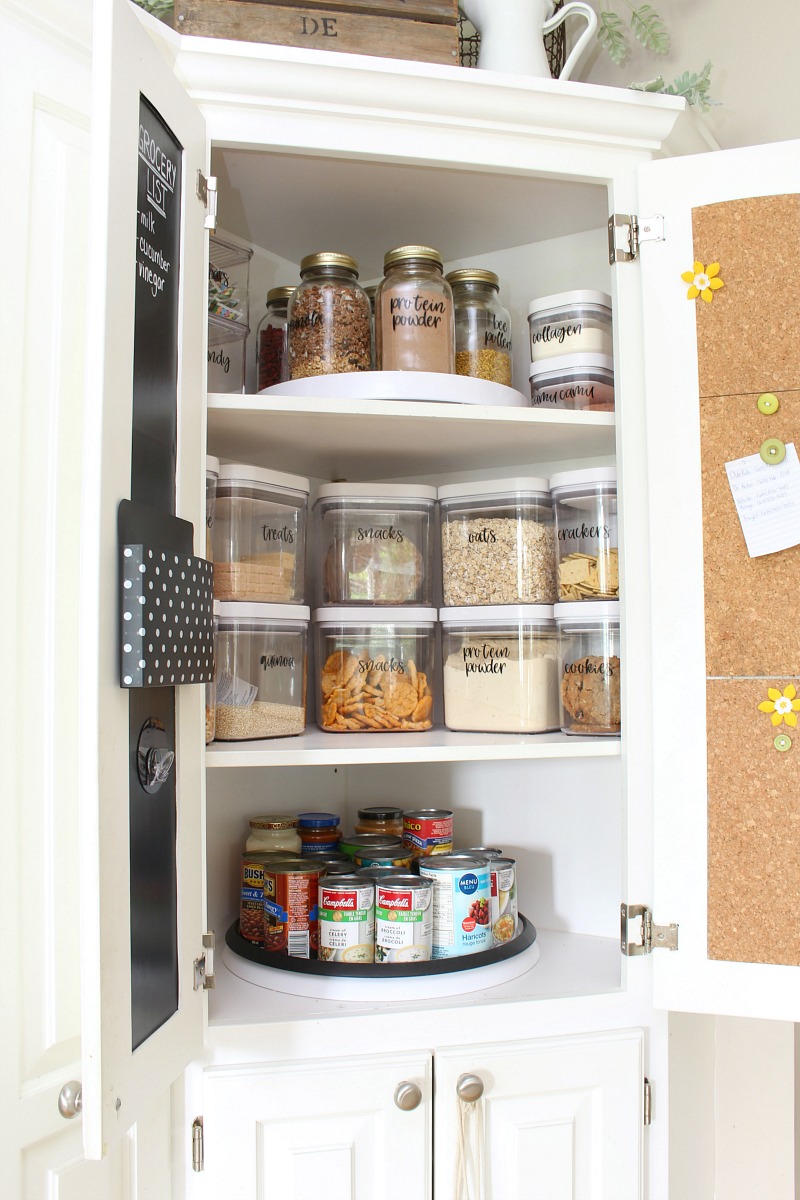
Image Source: www.cleanandscentsible.com
The Benefits of Organized Kitchen Cabinets
Why bother organizing your cabinets? The advantages go beyond just aesthetics.
- Saves Time: No more digging for that spice or that one lid. When everything has a place, you find things fast.
- Reduces Waste: You’ll see what you have, so you won’t buy duplicates or let food go bad because it’s hidden. This is especially true for pantry organization.
- Increases Usable Space: Smart organization can make small cabinets feel much larger, giving you room for more or making existing items easier to access.
- Enhances Cooking Experience: A tidy kitchen inspires culinary creativity. It’s more pleasant to cook when you’re not surrounded by clutter.
- Saves Money: By not buying things you already own and by reducing food waste, you can save money.
- Improves Safety: Less clutter means fewer things to knock over. Sharp knives or heavy pots are stored more securely.
Step 1: The Great Kitchen Cabinet Purge
Before you can organize, you must declutter kitchen cabinets. This is the most crucial step.
Empty Everything Out
Yes, everything. Take every single item out of every cabinet, drawer, and cupboard. Place items on your countertops, dining table, or even the floor if needed. This might seem daunting, but it’s essential to see exactly what you have and the space you’re working with.
Sort and Conquer
As you empty, create distinct piles:
- Keep: Items you use regularly and love.
- Donate/Sell: Items in good condition that you no longer need or use. Think about gadgets you bought on impulse or duplicates.
- Trash/Recycle: Broken items, expired food, packaging you no longer need, and anything else that’s unusable.
What to Look For During the Purge:
- Expired Food: Check expiration dates on canned goods, spices, and pantry staples.
- Duplicate Items: Do you really need five can openers?
- Broken or Damaged Items: Cracked bowls, chipped mugs, worn-out utensils.
- Unused Gadgets: That specialized appliance you’ve used once in five years?
- Items You Don’t Like: Mugs from a past relationship, serving dishes you never use.
- Stale Spices: Spices lose their flavor over time. If they don’t smell strong, toss them.
Clean Your Cabinets
Once everything is out, take the opportunity to clean the inside of your cabinets. Wipe down shelves and drawers with a damp cloth. For tougher grime, use a mild all-purpose cleaner. This is also a good time to install shelf liners for cabinets if you like. Shelf liners protect your shelves from spills, stains, and scratches, and they can add a decorative touch.
Step 2: Strategize Your Kitchen Cabinet Organization
Now that your cabinets are empty and clean, it’s time to think about how to put things back in the most efficient way.
Group Like Items Together
This is the golden rule of organization. Store similar items together. This makes finding things incredibly easy.
- Baking Supplies: Flour, sugar, baking soda, chocolate chips, measuring cups.
- Cooking Essentials: Oils, vinegars, salt, pepper, favorite spices.
- Dinnerware: Plates, bowls, mugs.
- Glassware: Drinking glasses, wine glasses.
- Pots and Pans: Group them by size or type.
- Food Storage Containers: Lids and containers together.
- Small Appliances: Toasters, blenders, mixers.
- Cleaning Supplies: Under the sink is usually the best spot.
Zone Your Kitchen
Think about your cooking workflow. Where do you do certain tasks?
- Prep Zone: Near your main counter space. Store knives, cutting boards, mixing bowls, and frequently used spices here.
- Cooking Zone: Near the stove. Keep pots, pans, spatulas, and cooking oils accessible.
- Baking Zone: If you bake often, dedicate a cabinet or drawer for baking essentials.
- Dishware Zone: Near the dishwasher or sink for easy unloading.
- Pantry Zone: For dry goods, canned items, and snacks.
Maximize Cabinet Space with Smart Solutions
This is where cabinet organizers and good kitchen storage solutions shine.
Tiered Shelving and Risers
These are fantastic for creating vertical space, especially in deep cabinets.
- What they do: Allow you to stack items without hiding what’s below.
- Best for: Canned goods, spices, mugs, small bowls.
- Tip: Look for adjustable risers to customize your space.
Lazy Susans (Turntables)
These are lifesavers for corner cabinets or deep shelves.
- What they do: Allow you to spin and access items at the back without reaching or moving everything else.
- Best for: Spices, oils, condiments, small jars, cleaning supplies.
- Tip: Use them in refrigerators too for condiments and small jars.
Drawer Dividers and Organizers
Organizing kitchen drawers can be just as important as cabinets.
- What they do: Keep utensils, gadgets, and even spices tidy and separated.
- Best for: Cutlery, cooking utensils, measuring spoons, small tools.
- Tip: Adjustable dividers are great for customizing drawer layouts. Consider shallow trays for larger drawers to prevent items from shifting.
Pull-Out Shelves and Baskets
These are more of an investment but dramatically improve accessibility.
- What they do: Bring items from the back of the cabinet to the front with a simple pull.
- Best for: Heavy items like stand mixers, large pots, or frequently used appliances.
- Tip: These are excellent for deep cabinets where items can get lost.
Vertical Dividers
These are great for storing flat items vertically.
- What they do: Help you store items upright, making them easier to see and grab.
- Best for: Baking sheets, cutting boards, platters, pot lids.
- Tip: You can buy these or make them yourself using scrap wood or tension rods.
Under-Shelf Baskets
These add an extra layer of storage beneath existing shelves.
- What they do: Utilize the dead space between shelves.
- Best for: Small packets, linens, dish towels, lightweight items.
- Tip: Ensure they fit securely and don’t obstruct the shelf above.
Food Storage Containers
Invest in a good set of matching food storage containers.
- What they do: Stackable, airtight containers keep food fresh and make cabinets look tidier.
- Best for: Dry goods like pasta, rice, flour, sugar, cereal, snacks.
- Tip: Decant pantry staples into clear, airtight containers. This not only looks neater but also helps keep food fresh and pests out. Measure your shelves before buying to ensure they fit perfectly.
Cabinet Organization Ideas for Specific Kitchen Areas
Let’s break down kitchen cabinet organization by area.
Upper Cabinets
These are typically for everyday items you use often.
- Front and Center: Your most frequently used dishes, glasses, and mugs.
- Higher Shelves: Less frequently used items, seasonal dishes, or backup sets.
- Spice Rack: If you have shallow upper cabinets, a tiered spice rack or a spice drawer organizer works well.
Lower Cabinets
These can be deeper and often house heavier items.
- Pots and Pans: Store them with lids. Consider pan organizers or stackable pots. If you have deep drawers, these are ideal.
- Small Appliances: Group them together, perhaps near where you use them (e.g., toaster near the bread).
- Mixing Bowls and Bakeware: Stack them, or use vertical dividers for baking sheets.
Pantry Organization
Whether it’s a dedicated closet or a few cabinets, a well-organized pantry makes meal prep a breeze.
- Group by Category: Canned goods, pasta/grains, breakfast items, snacks, baking supplies.
- Use Clear Containers: For dry goods, this is a game-changer. You can see what you have at a glance.
- Tiered Shelving: Perfect for canned goods. Place taller cans behind shorter ones.
- Baskets: Use for snacks, breakfast bars, or produce like potatoes and onions.
- Door Organizers: Utilize the back of pantry doors for spices, small jars, or packets.
Organizing Kitchen Drawers
Drawers are prone to becoming chaotic.
- Utensil Drawer: Use dividers to separate spatulas, whisks, ladles, and cutlery.
- Junk Drawer: If you must have one, try to keep it contained with small organizers for pens, batteries, tape, etc.
- Dish Towel Drawer: Fold neatly or roll them.
- Wrap and Bag Drawer: Use tension rods or dedicated organizers to keep foil, plastic wrap, and bags from unrolling.
Step 3: Maintaining Your Organized Kitchen
Organization isn’t a one-time event; it’s an ongoing process.
The “One In, One Out” Rule
When you buy something new, try to get rid of something similar. Bought a new set of mugs? Donate the old ones.
Regular Mini-Declutters
Dedicate 10-15 minutes each week to quickly tidy up your cabinets and drawers. Put stray items back in their homes.
Restock Smartly
When you bring groceries home, put items away in their designated spots immediately. This prevents clutter from accumulating.
Seasonal Review
Twice a year, do a quick review of your cabinets and pantry. Check expiration dates, and toss anything you haven’t used in a while. This is a good time for a mini kitchen cabinet makeover.
Creating a Kitchen Cabinet Makeover
Sometimes, a simple declutter and reorganization aren’t enough. You might want to consider a kitchen cabinet makeover for a fresh look and even better functionality.
Painting or Refacing Cabinets
A fresh coat of paint can transform the look of your cabinets. Light colors can make a kitchen feel larger and brighter. If your cabinet boxes are in good shape but the doors are dated, consider refacing them with new doors and drawer fronts.
Updating Hardware
New knobs and pulls can make a big difference with minimal effort and cost. They can update the style of your kitchen quickly.
Adding Lighting
Under-cabinet lighting can illuminate your countertops, making food prep easier and creating a more inviting atmosphere. It also highlights your organized items.
Installing New Cabinet Organizers
This is where you can really customize your space. Measure carefully and choose organizers that fit your needs and your cabinet dimensions.
Frequently Asked Questions About Kitchen Cabinet Organization
Q1: How often should I declutter my kitchen cabinets?
A1: It’s a good idea to do a thorough declutter once or twice a year. For daily maintenance, spend a few minutes each week tidying up.
Q2: What are the best kitchen storage solutions for small kitchens?
A2: For small kitchens, focus on maximizing vertical space with tiered shelving and stacking containers. Drawer dividers and pull-out organizers are also very effective. Wall-mounted organizers and magnetic strips can free up cabinet space.
Q3: How do I deal with awkward corner cabinets?
A3: Lazy Susans or corner shelving units are ideal for making corner cabinets accessible. If it’s a blind corner, consider installing pull-out shelves that bring the contents out to you.
Q4: What should I keep in my “junk drawer”?
A4: A “junk drawer” is usually a catch-all. If you need one, try to keep it organized with small boxes or dividers for items like pens, batteries, tape, scissors, and take-out menus. However, try to find specific homes for these items if possible.
Q5: Are shelf liners for cabinets necessary?
A5: No, they aren’t strictly necessary, but they are highly recommended. Shelf liners for cabinets protect surfaces from spills and scratches, make cleaning easier, and can prevent items from sliding around.
Q6: How can I organize pots and pans efficiently?
A6: Stack pots and pans with lids stored separately or use pot lid organizers. Vertical pan organizers or pull-out shelves are also excellent for easy access and maximizing space in lower cabinets or deep drawers.
Q7: What’s the best way to organize spices?
A7: Keep them together in one place. Use tiered spice racks in cabinets, drawer inserts, or magnetic spice racks on the fridge or wall. Make sure they are easily visible and accessible.
By following these steps, you can transform your kitchen cabinets from chaotic storage spaces into functional, organized hubs. Enjoy the benefits of a decluttered, efficient, and beautiful kitchen!