
What is the most important measurement when buying a kitchen sink? The most crucial measurements are the sink dimensions, specifically the length, width, and depth, as well as the sink cutout size for your countertop. These determine if the sink will fit correctly in your existing cabinet space and countertop. Can you replace a sink yourself? Yes, with careful planning and the right tools, many people can replace a kitchen sink themselves. Who should you call if you’re unsure about measuring or installation? A professional plumber or kitchen installer is the best person to consult if you have any doubts.
Choosing a new kitchen sink is exciting, but it can also be a bit daunting. The sheer variety of styles, materials, and configurations means you need to be prepared before you hit the showrooms or browse online. One of the biggest hurdles in this process is ensuring the sink you choose will actually fit your current kitchen setup. This isn’t just about aesthetics; it’s about functionality and avoiding costly mistakes. Getting your measurements right from the start is paramount for a smooth sink installation.
This guide will walk you through everything you need to know to accurately measure your kitchen sink area. We’ll cover the essential sink dimensions, different sink types, and the critical sink cutout size. By the end, you’ll be confident in selecting a sink that offers a perfect fit and enhances your kitchen’s beauty and usability.
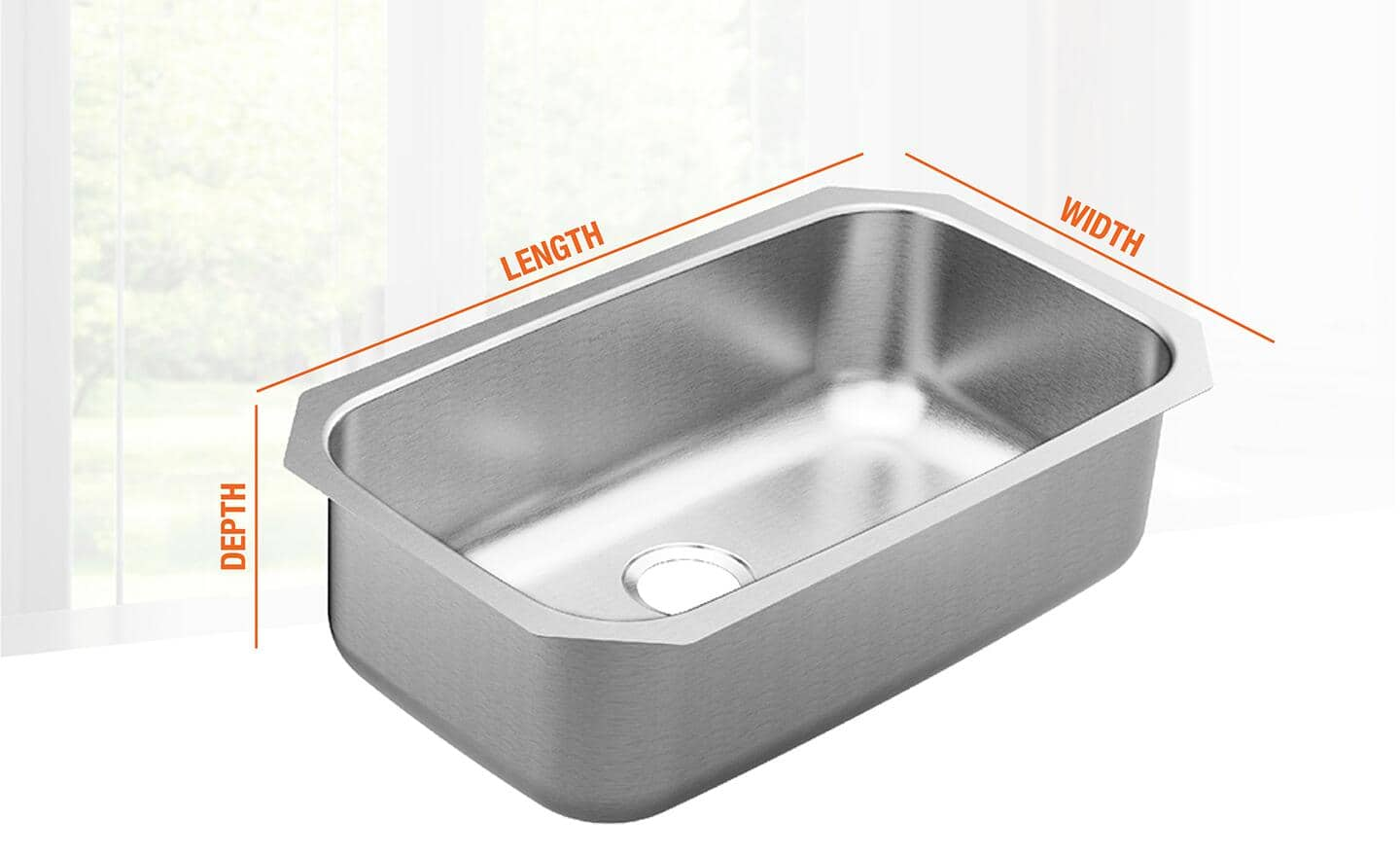
Image Source: dam.thdstatic.com
Decoding Sink Dimensions: The Key Measurements
When we talk about sink dimensions, we’re referring to the fundamental measurements that define a sink’s size and shape. These are typically expressed as length, width, and depth. It’s vital to measure these accurately for both existing sinks you might be replacing and for the space where a new sink will be installed.
Measuring Your Current Sink (If Replacing)
If you’re replacing an existing sink, measuring what you have now is a great starting point. This helps you understand the approximate size you’re working with.
- Sink Length: This is the measurement from the left-most edge to the right-most edge of the sink basin.
- Sink Width: This is the measurement from the front-most edge to the back-most edge of the sink basin.
- Sink Depth: This is the measurement from the rim of the sink down to the bottom of the basin. Measure in the deepest part.
Important Note: For sinks with multiple basins, measure the overall length and width of the entire sink unit, not just individual basins. You’ll also want to measure the depth of each basin.
Measuring Your Cabinet and Countertop Space
This is where precision truly matters. Your measurements must account for the cabinet that will house the sink and the countertop it sits within.
Cabinet Interior Measurements
The cabinet is the foundation for your sink. The internal dimensions of your base cabinet dictate the maximum size of sink you can install.
- Cabinet Width: Measure the interior width of the cabinet from left to right wall. Ensure you’re measuring the narrowest point.
- Cabinet Depth: Measure the interior depth of the cabinet from the front edge to the back wall.
- Cabinet Height: While less critical for sink fit, it’s good to know for clearances, especially for deeper sinks or specific faucet installations.
Countertop Space Measurements
The countertop is what you’ll see and work on. You need to measure the available space on your countertop for the sink and its associated cutout.
- Countertop Length: Measure the total length of the countertop section where the sink will be located.
- Countertop Width: Measure the total width of the countertop section where the sink will be located.
The Critical Sink Cutout Size
The sink cutout size is the most important measurement for fitting a new sink into an existing countertop. This is the hole that will be cut into your countertop to accommodate the sink. The cutout size is directly related to the sink’s mounting type.
Why the Cutout Size Matters
- Drop-in Sinks: These sinks have a rim that rests on top of the countertop. The cutout needs to be slightly smaller than the sink’s outer dimensions to allow the rim to sit securely on the counter. Manufacturers provide specific cutout dimensions for each drop-in sink model.
- Undermount Sinks: These sinks are installed from below the countertop, creating a seamless look. The cutout for an undermount sink is typically the exact size of the sink bowl itself. Again, always refer to the manufacturer’s specifications for the precise cutout dimensions.
- Farmhouse Sinks (Apron Front Sinks): These sinks have a distinctive exposed front panel. The measurements for farmhouse sinks are a bit different. You’ll need to measure the cabinet width and depth to ensure it can accommodate the apron front. The countertop cutout will be specific to the sink’s design, and you’ll need to account for the sink’s overall dimensions and how it integrates with the cabinetry.
How to Measure for the Sink Cutout
-
For Existing Cutouts: If you are replacing a sink and the countertop is staying, you need to measure the existing cutout.
- Measure the length of the cutout from edge to edge.
- Measure the width of the cutout from edge to edge.
- Crucially, find the sink manufacturer’s specifications for the original sink if possible. This will tell you if the cutout is sized for a specific sink model or a standard size.
-
For New Countertops or Major Renovations: If you are installing a new countertop or have a completely blank slate, you will measure the sink itself.
- For Drop-in Sinks: Find the manufacturer’s provided “cutout template” or “cutout dimensions.” This will tell you the precise length and width the hole in the countertop should be. The sink’s overall sink dimensions will be larger than the cutout.
- For Undermount Sinks: Measure the sink bowl’s length and width. This is usually the size of the required cutout. Again, always defer to the manufacturer’s template or specifications.
- For Farmhouse Sinks: Measure the overall length and width of the sink. Then, consult the manufacturer’s installation guide for cabinet requirements and specific countertop cutout instructions, which may involve angled cuts or specific bracing.
Differentiating Sink Types and Their Measurements
Different sink styles require slightly different measurement considerations. Here’s a breakdown of common types:
Drop-in Sink Measurements (Top-mount)
Drop-in sinks, also known as top-mount or self-rimming sinks, are the most common and easiest to install. Their rim sits on top of the counter.
-
Key Measurements:
- Overall Sink Dimensions (Length and Width): This is the entire sink, including the rim.
- Sink Cutout Size: The hole in your countertop. This will be smaller than the overall sink dimensions.
- Sink Depth: From the rim to the bottom.
- Cabinet Requirements: Ensure the sink’s overall dimensions (especially width) fit within your base cabinet. Many drop-in sinks are designed to fit standard 30-inch or 36-inch base cabinets.
-
How to Measure:
- Measure the sink length and sink width of the sink you are considering.
- Locate the manufacturer’s specified sink cutout size for that particular model.
- Measure the interior width and depth of your base cabinet to ensure the sink body will fit.
Undermount Sink Measurements
Undermount sinks are installed beneath the countertop, offering a sleek, modern look and making cleanup easier.
-
Key Measurements:
- Sink Bowl Dimensions (Length and Width): These are the critical dimensions for the sink cutout size.
- Sink Depth: From the underside of the countertop to the bottom of the basin.
- Overall Sink Dimensions (including rim/mounting flange): While the cutout matches the bowl, the sink itself has a physical size that needs to fit within the cabinet.
- Cabinet Requirements: Similar to drop-in sinks, ensure the sink fits within your base cabinet. Undermount sinks often require more support from the cabinet, so check manufacturer guidelines.
-
How to Measure:
- Measure the sink length and sink width of the sink bowl itself. This is your primary sink cutout size.
- Confirm these measurements with the manufacturer’s cutout template or specifications.
- Measure the depth of the sink basin.
- Verify that the overall sink dimensions will fit within your base cabinet, paying attention to any reinforcing brackets or the sink’s mounting system.
Farmhouse Sink Measurements (Apron Front Sinks)
Farmhouse sinks are characterized by their exposed front panel (the apron). They often require custom cabinetry or modifications to existing cabinets.
-
Key Measurements:
- Overall Sink Dimensions (Length, Width, and Depth): These are crucial for cabinet fit and countertop overhang.
- Apron Width: The width of the front panel.
- Apron Height: The visible height of the front panel.
- Cabinet Width Requirements: Farmhouse sinks are typically installed in specially designed cabinets or require the removal of the base cabinet’s front stile and modifications to the side panels. You’ll need to measure your cabinet’s internal width and depth and consult the sink’s specifications for cabinet modifications.
- Countertop Cutout: This is highly specific to the farmhouse sink design and often involves a custom cut to integrate the sink’s apron seamlessly with the countertop.
-
How to Measure:
- Measure the overall sink length, sink width, and sink depth of the farmhouse sink.
- For existing cabinets, measure the interior cabinet width and depth. Determine if your current cabinet can be modified to accept the apron front. Standard base cabinets may not work without significant alterations.
- Crucially, obtain the manufacturer’s installation guide. This will detail the exact countertop cutout dimensions, cabinet modifications needed, and recommended overhang.
- Pay attention to the sink’s lip or mounting flange – it needs to be supported by the countertop.
Other Essential Sink Measurements
Beyond the basic dimensions, there are other critical measurements to consider for a complete and functional sink installation.
Sink Depth Considerations
While we’ve touched on sink depth, it’s worth emphasizing. Deeper sinks (9 inches or more) are great for washing large pots and pans, but they can be problematic for shorter individuals, making it harder to reach the bottom of the sink. Shallower sinks (7-8 inches) are easier to access but might not accommodate bulky items as well.
- Measuring Sink Depth: Measure from the underside of the rim to the bottom of the sink basin. Ensure this depth works with your plumbing and cabinet clearance.
Sink Faucet Hole Spacing
The number and spacing of faucet holes are vital for selecting the correct faucet.
- How to Measure/Check:
- If you have an existing sink: Count the holes and measure the distance between the center of each hole. Standard spacing is often 4 inches or 8 inches for widespread faucets, or a single hole for a monoblock faucet.
- If you are buying a new sink: Check the product description for the number and configuration of faucet holes. If the sink has no holes, you’ll need a countertop-mounted faucet or a faucet with a base plate.
Sink Drain and Strainer Size
Most kitchen sinks use standard drain sizes (usually 3.5 inches in diameter), but it’s good to be aware. This measurement is important for selecting compatible strainers, disposals, and plumbing fittings.
Sink Radius (Corner Curve)
The radius of the sink’s corners affects both aesthetics and ease of cleaning. Tight radii offer a modern look but can be harder to clean. Larger radii are easier to maintain. This is usually a design choice rather than a strict fitting measurement, but it impacts the overall look and feel.
Tables for Quick Reference
Here are some tables to help you organize your measurements and compare sink types.
Table 1: Key Sink Measurements
| Measurement Name | What it Measures | Where to Measure | Importance |
|---|---|---|---|
| Sink Length | Left-most to right-most edge of the sink basin. | Across the top of the sink. | Determines overall footprint and fit within cabinet/countertop. |
| Sink Width | Front-most to back-most edge of the sink basin. | From front to back across the top of the sink. | Determines overall footprint and fit within cabinet/countertop. |
| Sink Depth | From rim to bottom of the basin. | Vertical measurement inside the sink basin. | Affects usability and clearance for plumbing underneath. |
| Sink Cutout Size | The opening in the countertop for the sink. | Measure the existing hole or consult manufacturer’s template for the sink you want. | Critical for ensuring the sink fits through the countertop. |
| Cabinet Width (Int.) | Interior width of the base cabinet. | Measure between the cabinet side walls. | Ensures the sink body will fit inside the cabinet. |
| Cabinet Depth (Int.) | Interior depth of the base cabinet. | Measure from the front cabinet support to the back wall. | Ensures the sink body will fit inside the cabinet and doesn’t interfere with pipes. |
| Sink Faucet Holes | Number and spacing of holes for faucet mounting. | On the sink deck or backsplash. | Determines faucet compatibility. |
Table 2: Sink Type Measurement Considerations
| Sink Type | Primary Measurement Focus | Cutout vs. Sink Size | Cabinet Consideration |
|---|---|---|---|
| Drop-in (Top-mount) | Sink Cutout Size (smaller than overall sink) | Cutout is smaller than the overall sink dimensions. | Overall sink must fit within cabinet width and depth. |
| Undermount | Sink Bowl Dimensions (equals cutout size) | Cutout size matches the sink bowl dimensions. | Sink body must fit within cabinet; support may be needed from cabinet sides. |
| Farmhouse (Apron) | Overall Sink Dimensions, Apron integration | Cutout often custom; apron front integrates with counter. | Requires specific cabinet design or modification to accommodate the apron. |
Practical Tips for Accurate Measurement
Taking measurements can seem straightforward, but a few practical tips can prevent errors.
- Use a Flexible Tape Measure: Especially for curved edges or measuring around existing sink components.
- Measure Twice, Cut Once: This old adage is especially relevant for sink installation. Double-check all your measurements.
- Account for Existing Plumbing: Note the location of pipes, valves, and the drain assembly. Ensure your new sink’s depth and placement won’t interfere.
- Consider Countertop Material: Some countertop materials (like granite or quartz) are more forgiving than others (like laminate or solid surface) when it comes to minor gaps around the sink. However, precise measurements are always best.
- Look for Manufacturer Templates: Many sink manufacturers provide printable templates online. These are invaluable for marking out the correct sink cutout size on your countertop.
- Factor in Edge Clearance: For undermount sinks, ensure there’s enough countertop material around the cutout for proper mounting and support.
- Check Sink Installation Measurements: Beyond the sink itself, consider how the faucet and any accessories will fit. Ensure you have enough clearance for the faucet handle to operate fully without hitting the backsplash.
Frequently Asked Questions (FAQ)
Q1: What if my new sink is slightly different in size than my old one?
A1: If you’re keeping your existing countertop, you must match the sink cutout size. If the new sink’s overall dimensions are larger than the old one but the cutout is the same, it might still work as a drop-in. If the cutout needs to be larger, you’ll need a professional to modify the countertop. If the new sink is smaller, you might have gaps that can be filled with caulk or require a new countertop.
Q2: Can I install a larger sink than my current one?
A2: You can install a larger sink if your base cabinet can accommodate it and your countertop has enough space for the cutout and any necessary overhang. Measure your cabinet’s interior dimensions carefully.
Q3: How do I measure for a double-bowl sink?
A3: Measure the overall length and width of the entire sink unit. Also, measure the length and width of each individual bowl. For the cutout, refer to the manufacturer’s specifications, as double-bowl sinks have specific cutout requirements.
Q4: What is the standard sink depth?
A4: Standard sink depth typically ranges from 7 to 9 inches. Deeper sinks (9+ inches) are common for larger basins or specialized needs.
Q5: Do I need to worry about sink faucet hole spacing if I’m getting a new faucet too?
A5: Yes. If you’re getting a new sink and a new faucet, ensure the number and spacing of the faucet holes on the sink match the faucet you plan to buy. If your sink has no holes, you can choose any faucet style (deck-mounted or wall-mounted).
Q6: How much clearance do I need around the sink cutout?
A6: For drop-in sinks, the rim needs to overlap the countertop edge. For undermount sinks, you need enough countertop material around the cutout for the sink’s mounting clips or adhesive to secure it properly. Always check the sink manufacturer’s specifications for recommended clearances and overhangs.
By meticulously measuring your cabinet space, countertop, and the sink itself, you set yourself up for a successful kitchen sink installation. Precise sink dimensions, correct sink cutout size, and careful consideration of sink depth will ensure your new sink fits perfectly, looks fantastic, and functions beautifully for years to come. Happy measuring!