
Are you looking to upgrade your kitchen’s look or fix a leaky faucet? Installing a new kitchen faucet might seem daunting, but with this guide, even a beginner can confidently tackle this project. Can you install a kitchen sink faucet yourself? Absolutely! With the right tools and a bit of patience, you can successfully replace your old faucet and give your kitchen a fresh feel.
This guide will walk you through every step of the kitchen faucet installation process, from shutting off the water to testing for leaks. We’ll cover everything you need to know to replace kitchen faucet with a new one, ensuring a professional-looking and leak-free result.
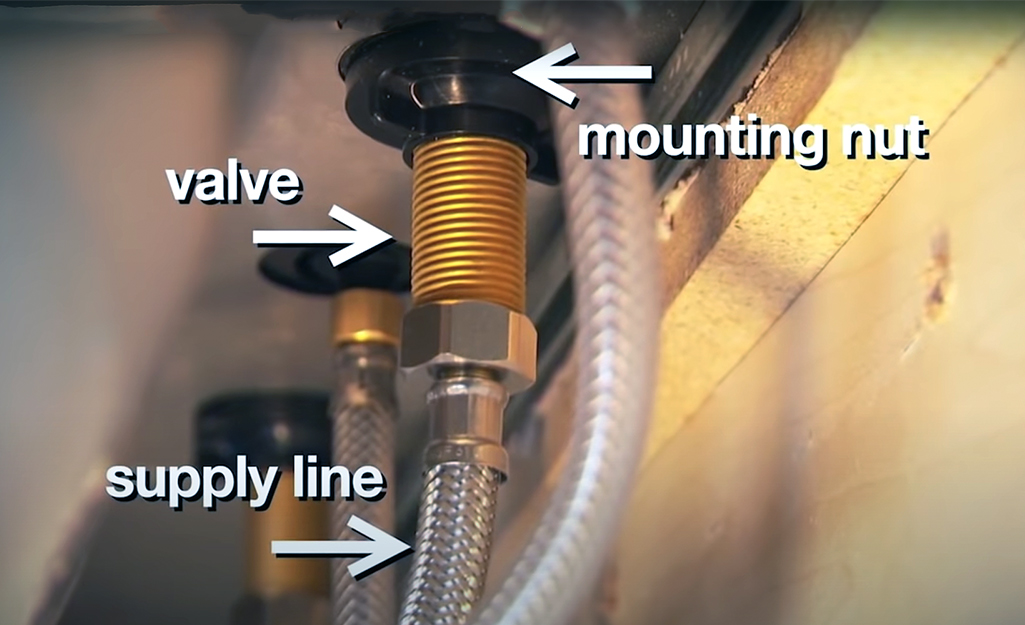
Image Source: contentgrid.homedepot-static.com
Gathering Your Tools and Materials
Before you start, make sure you have everything you need. Having all your supplies ready will make the installation process much smoother.
Here’s a list of common tools and materials you’ll likely need:
- New Kitchen Faucet: Make sure it’s compatible with your sink’s hole configuration (one, two, three, or four holes).
- Adjustable Wrenches: You’ll need at least two for various connections.
- Basin Wrench: This specialized tool is crucial for reaching nuts in tight spaces under the sink.
- Plumber’s Putty or Silicone Caulk: To create a watertight seal between the faucet and the sink.
- Screwdriver Set: For any screws that might be present.
- Bucket: To catch any residual water when disconnecting lines.
- Rags or Towels: For wiping up spills and keeping the workspace clean.
- Safety Glasses: To protect your eyes from debris or water.
- Gloves: To keep your hands clean and protected.
- Flashlight or Headlamp: It gets dark under the sink!
- Teflon Tape (Pipe Thread Sealant Tape): For threaded connections to ensure a watertight seal.
- New Supply Lines: It’s often a good idea to replace old supply lines when installing a new faucet. Make sure they are the correct length and have the right fittings for your shut-off valves and faucet.
- Old Toothbrush or Wire Brush: For cleaning threads and surfaces.
Step-by-Step Kitchen Faucet Installation
Let’s break down the process into manageable steps.
Step 1: Shut Off the Water Supply
This is the most critical first step. You shut off water supply at the valves located directly below your sink.
- Locate Shut-Off Valves: Look under your sink for two valves – one for hot water (usually on the left) and one for cold water (usually on the right).
- Turn Off Valves: Turn the handles of both valves clockwise until they stop. If your valves are lever-style, turn them a quarter turn so the lever is perpendicular to the pipe.
- Relieve Pressure: Turn on the old faucet to drain any remaining water in the lines and to relieve any pressure. Let it run until no more water comes out.
Step 2: Disconnect the Old Faucet
Now it’s time to remove the old faucet. This can be the trickiest part, especially if the old fittings are corroded or in a hard-to-reach spot.
- Disconnect Supply Lines: Place your bucket underneath the water supply lines where they connect to the old faucet. Use an adjustable wrench to loosen the nuts connecting the supply lines to the faucet. You might need a second wrench to hold the valve steady to prevent it from twisting.
- Disconnect Sprayer Hose (if applicable): If your old faucet has a side sprayer, disconnect its hose as well. There’s usually a clip or a threaded connection.
- Loosen Faucet Nuts: Look under the sink where the faucet mounts to the sink. You’ll see large nuts or mounting brackets holding the faucet in place. This is where your basin wrench will be invaluable. It’s designed to grip these nuts in tight spaces.
- Use the basin wrench to loosen and remove these nuts. This might require some force, especially if they are old and corroded.
- Remove the Old Faucet: Once the nuts are off and the lines are disconnected, you should be able to lift the old faucet straight up and out of the sink holes.
Step 3: Prepare the Sink for the New Faucet
Before you mount faucet, you need to make sure the sink surface is clean and ready.
- Clean the Sink Surface: Use a putty knife or scraper to remove any old plumber’s putty or caulk from the sink deck around the faucet holes.
- Clean the Faucet Holes: Use a rag to wipe away any residue or debris from the holes. If you have a wire brush or old toothbrush, you can use it to gently scrub the area for a cleaner surface.
Step 4: Install the New Faucet
This is where your new faucet starts to take shape.
Installing the Faucet Base Plate (Escutcheon)
Many new faucets come with a decorative base plate, also called an escutcheon. This covers any extra holes in the sink if your new faucet has fewer holes than the old one.
- Apply Sealant: If your faucet came with a rubber gasket for the base plate, place it on the underside of the base plate. If not, or if the instructions suggest it, apply a thin bead of plumber’s putty or silicone caulk around the edge of the base plate that will sit on the sink.
- Plumber’s Putty vs. Silicone Caulk:
- Plumber’s Putty: Best for porous surfaces like granite or quartz. It’s pliable and easy to work with.
- Silicone Caulk: Better for non-porous surfaces like stainless steel or porcelain, as putty can stain some materials. Always check your faucet manufacturer’s recommendations.
- Plumber’s Putty vs. Silicone Caulk:
- Position the Base Plate: Carefully place the base plate onto the sink deck, aligning it with the faucet holes.
Mounting the Faucet
Now you’ll mount faucet itself onto the sink.
- Position the Faucet: From above the sink, carefully insert the faucet body through the appropriate holes in the sink deck (and through the base plate, if used). Make sure the faucet is oriented correctly – the spout should face forward, and handles (if separate) should be in their intended positions.
- Secure the Faucet: From underneath the sink, slide any washers or mounting brackets onto the faucet shanks. Then, thread the mounting nuts onto the faucet shanks.
- Tighten Faucet Nuts: Hand-tighten the nuts first. Then, use your basin wrench or the tool provided by the manufacturer to snug them up.
- Important: Don’t overtighten, as this can crack the sink or damage the faucet. The faucet should feel secure and not wobble. Ensure the faucet is straight and centered before fully tightening. You may need an adjustable wrench for some nuts if a basin wrench doesn’t fit.
- Tighten Faucet Nuts: Hand-tighten the nuts first. Then, use your basin wrench or the tool provided by the manufacturer to snug them up.
Connecting the Water Lines
This is a crucial step in how to plumb faucet. You’ll need to connect water lines to the new faucet and the shut-off valves.
- Attach Supply Lines to Faucet: If your new faucet didn’t come with integrated supply lines, you’ll need to attach new ones. Most faucets have threaded shanks for the supply lines.
- Wrap the threads of the faucet shanks with Teflon tape, turning clockwise to ensure a good seal.
- Thread the appropriate supply lines onto the faucet shanks by hand. Tighten them with an adjustable wrench, being careful not to overtighten.
- Connect Supply Lines to Shut-Off Valves:
- Wrap the threads of the shut-off valves with Teflon tape.
- Connect the hot water supply line to the hot water shut-off valve and the cold water supply line to the cold water shut-off valve.
- Hand-tighten the nuts, then use an adjustable wrench to snug them up. Again, avoid overtightening.
Connecting the Drain Assembly (If Included)
Some faucet kits include a new drain assembly. If yours does, you’ll need to connect drain assembly now.
- Apply Plumber’s Putty: Roll a rope of plumber’s putty and place it around the underside of the drain flange.
- Insert Drain Flange: Push the drain flange down into the sink drain opening from above.
- Assemble Underside: From underneath the sink, place the rubber gasket, washer, and then the locknut onto the drain body.
- Tighten Drain Assembly: Use pliers or a wrench to tighten the locknut. Wipe away any excess plumber’s putty that squeezes out around the flange in the sink.
- Connect Tailpiece and P-Trap: Attach the tailpiece to the drain body and then connect it to your P-trap. You may need to adjust or replace parts of your existing drainpipe to connect everything. Ensure all connections are snug but not overtightened.
Step 5: Testing for Leaks
This is the moment of truth! You want to test for leaks thoroughly.
- Turn Water Back On: Slowly turn the hot and cold water shut-off valves back on by turning their handles counter-clockwise.
- Inspect All Connections: Get under the sink with your flashlight and carefully inspect all the connections you made:
- Where the supply lines connect to the shut-off valves.
- Where the supply lines connect to the faucet.
- Any connections on the drain assembly.
- Check for Drips: You can use a dry paper towel to wipe each connection. If there’s a leak, the paper towel will show moisture.
- Tighten if Necessary: If you find any drips, try gently tightening the leaking connection by a quarter turn. If it still leaks, you may need to turn off the water again, disconnect the fitting, reapply Teflon tape, and reconnect.
- Operate the Faucet: Turn on the new faucet, both hot and cold, at a moderate flow. Check again for leaks under the sink. Run the water for a few minutes and check thoroughly. Also, operate the sprayer, if you have one, and check its connections.
- Check the Drain: Fill the sink partially and then let it drain. Watch all drain connections for any signs of leaks.
Step 6: Final Touches
Once you’re confident there are no leaks, you can put everything back in order.
- Clean Up: Wipe down any excess plumber’s putty or caulk from the sink and faucet. Clean up your tools and the work area.
- Test Again: It’s always a good idea to check for leaks again after a few hours or the next day.
Troubleshooting Common Issues
Even with careful work, you might encounter a few hiccups. Here are some common problems and solutions.
| Problem | Possible Cause | Solution |
|---|---|---|
| Faucet Wobbles | Mounting nuts are not tight enough. | Get under the sink and tighten the mounting nuts with your basin wrench. Ensure it’s straight before tightening completely. |
| Leaking from Base of Faucet | Sealant (putty or caulk) is insufficient or improperly applied. | Turn off water, remove faucet, reapply a generous, even bead of plumber’s putty or silicone caulk, and reinstall. |
| Leaking from Supply Line Connections | Threads not properly sealed with Teflon tape or overtightened. | Turn off water, disconnect the line, re-wrap threads with Teflon tape, reconnect, and tighten snuggly (not forcefully). |
| Low Water Pressure | Aerator is clogged or supply lines are kinked. | Unscrew the aerator from the faucet spout and clean it. Ensure supply lines are not bent or kinked under the sink. |
| Sprayer Not Working Properly | Spray head clogged or hose connection is loose. | Clean the spray head (soak in vinegar if needed). Check the hose connection under the sink and tighten if loose. |
| Water Not Shutting Off Completely | Shut-off valve is faulty or debris in the valve. | If the valve itself is leaking when off, you might need to replace it. Ensure you’ve turned it as far as it will go. |
Frequently Asked Questions (FAQ)
How long does it take to install a kitchen faucet?
For a beginner, the process can take anywhere from 1 to 3 hours. If you’re experienced or replacing a similar faucet, it might only take 30 minutes to an hour.
What is the difference between plumber’s putty and silicone caulk for faucet installation?
Plumber’s putty is a malleable sealing compound often used for sealing drain flanges and faucet bases, especially on porous materials like granite. Silicone caulk is a waterproof sealant ideal for non-porous surfaces like stainless steel or porcelain, and it provides a more durable, long-lasting seal. Always check your faucet manufacturer’s recommendation.
Do I need to replace my old supply lines when I replace my faucet?
It’s highly recommended. Old supply lines can become brittle and prone to leaks. Replacing them at the same time as your faucet is good preventative maintenance and ensures a reliable connection.
What if I can’t reach the faucet nuts under the sink?
A basin wrench is specifically designed for this purpose. Its long shaft and pivoting head allow you to reach and turn nuts in tight spaces. If you still can’t reach, you might consider a flexible basin wrench attachment or hiring a plumber.
My new faucet has fewer holes than my old one. How do I cover the extra holes?
You’ll use the escutcheon plate (base plate) that often comes with new faucets. This plate sits between the faucet and the sink, covering the unused holes. Make sure to seal it properly with plumber’s putty or silicone caulk to prevent water from seeping underneath.
How tight should I tighten the faucet nuts?
You want them snug enough to prevent the faucet from wobbling but not so tight that you crack the sink or damage the faucet’s mounting hardware. Hand-tighten first, then use your tool to give it about a quarter to a half turn.
By following these detailed steps, you can confidently tackle the job of installing a new kitchen faucet. Remember to take your time, double-check your connections, and always test for leaks thoroughly. Enjoy your refreshed kitchen sink!