
What is a kitchen sink drain assembly and why is it important? A kitchen sink drain assembly is the system of parts that carries water from your sink to your home’s main plumbing. It’s crucial for preventing clogs and leaks, ensuring your kitchen stays dry and functional. Can you install a kitchen sink drain yourself? Yes, with the right tools and guidance, you can successfully install a kitchen sink drain as a DIY project, saving you money on plumber fees.
Installing a new kitchen sink drain can seem daunting, but it’s a manageable DIY project that can save you a significant amount of money. Whether you’re replacing an old, leaky drain or fitting one into a new sink, this guide will walk you through each step. We’ll cover everything from gathering your sink drain parts to ensuring a watertight seal, helping you avoid frustrating leaks and costly repairs.
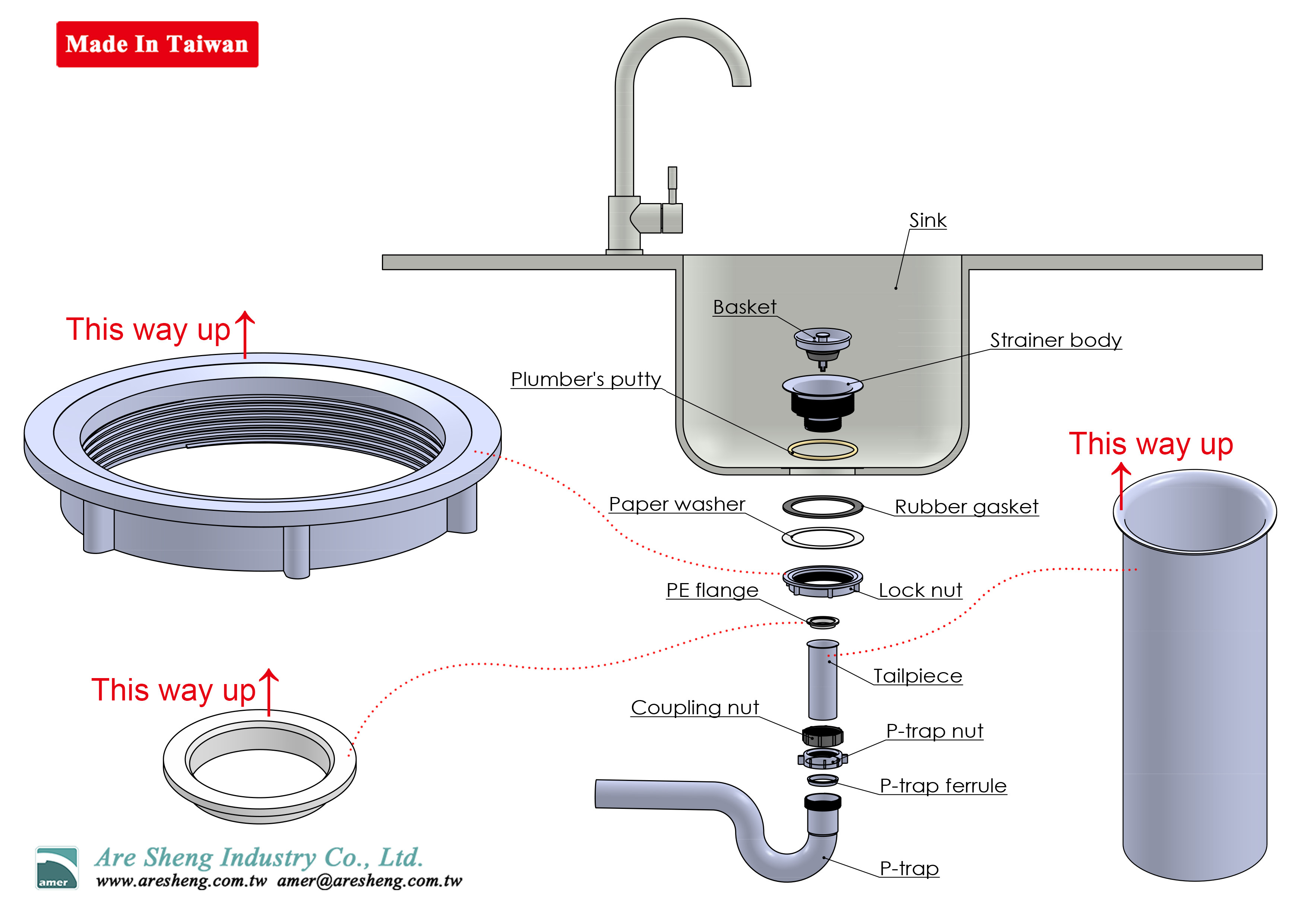
Image Source: www.aresheng.com.tw
Preparing for Your Kitchen Sink Drain Installation
Before you begin any plumbing work, proper preparation is key. This ensures a smooth process and helps you avoid unexpected problems.
What You’ll Need: Tools and Materials
Gathering all your necessary tools and materials beforehand will make the installation process much easier.
- Kitchen Sink Drain Assembly: This is the core of your project. It typically includes the sink strainer, tailpiece, and any necessary washers and nuts.
- Plumber’s Putty or Silicone Caulk: Used to create a watertight seal between the sink and the drain flange.
- Adjustable Wrench or Basin Wrench: Essential for tightening nuts and fittings. A basin wrench is particularly useful for reaching nuts in tight spaces under the sink.
- Screwdriver: For any screws that might be part of your drain assembly or mounting brackets.
- Bucket: To catch any residual water in the old drain pipes.
- Old Towels or Rags: For cleaning up spills and drying parts.
- Safety Glasses: To protect your eyes from debris.
- Gloves: To keep your hands clean and protected.
- Flashlight or Work Light: To see clearly in the often dark space under the sink.
- PVC Primer and Cement (if connecting to PVC pipes): For solvent welding PVC drain pipes.
- Teflon Tape (Pipe Thread Sealant Tape): For sealing threaded pipe connections.
- Optional: Pliers: Can be helpful for gripping and turning certain parts.
- Optional: Hacksaw or PVC Cutter: If you need to cut existing drain pipes to size.
Choosing the Right Sink Drain Parts
Selecting the correct sink drain parts is crucial for a functional and long-lasting installation.
Types of Kitchen Sink Strainers
The strainer is the part you see in the sink basin. They come in various styles and materials:
- Strainer Basket Type: Features a removable basket to catch food scraps. Easy to clean.
- Strainer with Stopper: Includes a stopper that can be pushed or pulled to control water flow.
- Garbage Disposal Flange: Designed to connect directly to a garbage disposal unit. This often has a thicker flange and a specific opening size.
Materials for Drain Assemblies
- Stainless Steel: Durable, rust-resistant, and aesthetically pleasing.
- Brass: Strong and corrosion-resistant, often used for higher-end fixtures.
- Plastic (ABS or PVC): Lightweight, easy to work with, and affordable. Commonly used for tailpieces and P-traps.
How to Install a Kitchen Sink Drain: Step-by-Step Guide
Let’s dive into the actual process of installing your new kitchen sink drain.
Removing the Old Sink Drain (If Applicable)
If you’re replacing an existing drain, you’ll need to remove the old one first.
- Turn Off Water Supply: Ensure the hot and cold water supply valves under the sink are turned off.
- Clear the Area: Remove everything from the cabinet under the sink. Place a bucket or basin directly beneath the trap kit to catch any water.
- Disconnect the Trap Kit: Loosen the slip nuts connecting the P-trap to the tailpiece of the sink drain. Use an adjustable wrench or pliers. Carefully remove the trap and empty any water into the bucket.
- Loosen the Strainer Nut: From underneath the sink, locate the large nut holding the drain assembly to the sink. Use a basin wrench or adjustable wrench to loosen and remove this nut.
- Remove the Old Drain: Push the old drain assembly up and out of the sink from underneath. You may need to gently tap the drain flange from the top of the sink if it’s stuck.
- Clean the Sink Opening: Once the old drain is removed, clean the sink opening thoroughly. Remove any old plumber’s putty or caulk.
Installing the Sink Strainer
This is where you’ll attach the new drain flange to your sink.
Attaching the Drain Flange
- Apply Sealant: Take your new kitchen sink drain assembly. Apply a generous bead of plumber’s putty or silicone caulk around the underside of the drain flange. This is crucial for sealing the drain assembly and preventing leaks.
- Insert the Flange: Press the drain flange firmly into the drain opening in your sink from the top. Ensure it’s centered.
- Attach the Gasket and Washer: From underneath the sink, slide the rubber gasket, followed by the friction ring (if included), and then the large mounting nut onto the threaded body of the drain.
- Tighten the Nut: Hand-tighten the nut first. Then, use your basin wrench or adjustable wrench to tighten it securely. Be careful not to overtighten, as this could crack a porcelain sink. The goal is to compress the putty/caulk and gasket, creating a watertight seal.
- Remove Excess Sealant: Wipe away any excess plumber’s putty or caulk that squeezed out around the flange in the sink basin.
Assembling the Drain Tailpiece and Connecting Drain Pipe
Now, you’ll assemble the pieces that carry water from the strainer to the trap.
Connecting the Tailpiece
- Attach the Tailpiece: The tailpiece is the vertical pipe that extends down from the drain flange. Screw it onto the threaded portion of the drain flange that extends below the sink. Tighten it by hand.
- Add Washers and Nuts: If your tailpiece requires it, add any necessary washers and slip nuts onto the threaded end of the tailpiece.
Connecting Drain Pipe
This step involves connecting the tailpiece to your existing drain plumbing, typically through a P-trap.
- Measure and Cut (if necessary): If your new tailpiece is too long or your existing drain pipes need adjusting, you may need to cut them. Use a hacksaw or PVC cutter for plastic pipes. Ensure cuts are straight and clean.
- Prepare Pipe Ends: If you’re using PVC pipes, clean and prime the ends to be joined. Then, apply PVC cement and quickly join the pipes, holding them together for about 30 seconds.
- Threaded Connections: For threaded connections, wrap Teflon tape around the threads a few times in a clockwise direction to ensure a good seal.
Trap Kit Installation
The trap kit, commonly known as a P-trap, is vital for preventing sewer gases from entering your home.
Attaching the P-Trap
- Assemble the P-Trap: Most P-trap kits come with a curved section and two slip nuts with plastic washers. Ensure the washers are correctly seated in the slip nuts – the tapered side should face the threaded fitting.
- Connect to Tailpiece: Attach the slip nut from the P-trap to the tailpiece extending from your sink drain. Hand-tighten it first, then snug it up with a wrench.
- Connect to Drain Pipe: Connect the other end of the P-trap to your existing drain pipe (which leads to the wall or floor). Again, hand-tighten the slip nut, then secure it with a wrench.
- Adjust as Needed: You might need to adjust the position or length of the pipes slightly to ensure a proper fit. The P-trap should have a slight downward slope towards the wall drain.
Sealing the Drain Assembly and Testing for Leaks
Proper sealing and testing are the final steps to ensure your installation is leak-free.
Ensuring a Watertight Seal
- Plumber’s Putty vs. Silicone: Plumber’s putty is generally preferred for sink drains as it remains pliable and can accommodate slight movements. Silicone caulk creates a more rigid seal. Ensure you use the appropriate sealant for your sink material and preference.
- Tightening Slip Nuts: Ensure all slip nuts are snug but not overly tight, which can strip threads or crack plastic fittings.
- Teflon Tape: For any threaded metal pipe connections, Teflon tape provides an extra layer of sealing.
Testing Your New Drain
- Run Water: With the water supply turned back on, fill the sink basin with water.
- Check for Leaks: While the water is filling, and especially as it drains, carefully inspect all connections under the sink. Look and feel for any drips or moisture.
- Drain the Sink: Allow the water to drain completely. Pay close attention to the strainer flange, tailpiece connections, and the P-trap.
- Tighten if Necessary: If you find any leaks, try tightening the offending slip nut or fitting slightly. If the leak persists, you may need to disassemble that section, check the washers, and reapply sealant or Teflon tape.
Troubleshooting Common Kitchen Sink Drain Issues
Even with careful installation, occasional problems can arise. Here are solutions for common issues.
What if the sink drain is leaking at the flange?
If you notice a leak around the drain flange in the sink basin, it means the seal isn’t tight.
- Action: Turn off the water, drain the sink, and loosen the mounting nut under the sink. Remove the drain assembly. Clean off all the old putty or caulk from both the sink and the flange. Reapply a fresh, generous bead of plumber’s putty or silicone around the underside of the flange. Reinstall the drain and tighten the mounting nut securely.
My P-trap is leaking at the slip nut connection.
Leaks at the slip nut connections are usually due to an improperly seated washer or a loose nut.
- Action: Check that the plastic washer inside the slip nut is correctly positioned with the tapered side facing the fitting it screws onto. Ensure the slip nut is tightened adequately. If it still leaks, try removing the nut, checking the washer for damage, and re-tightening. For threaded metal pipes, try adding more Teflon tape.
The new drain is slow to drain.
This could be due to a partial clog in the new drain assembly or a problem further down the line.
- Action: First, check if the sink strainer basket is clogged. Ensure there are no obstructions in the tailpiece or P-trap. If you recently installed a garbage disposal, ensure the knockout plug was removed if it’s the first time connecting to it. If the problem persists, you might have a blockage in the branch drain line.
Can I reuse old drain pipe fittings?
It’s generally not recommended to reuse old drain pipe fittings, especially washers and gaskets, as they can become brittle or deformed over time, leading to leaks. Always use new parts for a reliable installation.
Frequently Asked Questions About Kitchen Sink Drain Installation
Here are answers to common questions you might have.
How much plumber’s putty should I use?
You should use enough plumber’s putty to create a continuous bead around the underside of the drain flange that is about 1/4 to 1/2 inch thick. This ensures it can compress and create a good seal.
Do I need to use plumber’s putty if the drain comes with a rubber gasket?
Yes, even if your drain assembly includes a rubber gasket, plumber’s putty or silicone caulk is still essential. The gasket provides a primary seal, but the putty/caulk fills any microscopic imperfections in the sink surface and the flange, ensuring a completely watertight connection.
What’s the difference between a P-trap and a J-bend?
A P-trap is a U-shaped section of pipe that holds water to block sewer gases. A J-bend is a straight section that connects to the P-trap, directing the flow towards the wall or floor drain. Together, they form the trap assembly.
How tight should I make the drain nuts?
Tighten them snugly with a wrench. You want to compress the gasket or putty sufficiently to create a seal, but avoid overtightening, which can strip threads or crack plastic fittings. If you feel significant resistance, stop.
What are the basic sink drain parts?
The main sink drain parts include the drain flange (the visible part in the sink), the locknut that secures the flange to the sink, the rubber gasket, and the tailpiece (the pipe extending down from the flange). This assembly then connects to the P-trap and the waste pipe.
Cost Savings and Benefits of DIY Sink Drain Installation
Taking on this project yourself offers more than just the satisfaction of a job well done.
Avoiding Plumber Fees
Professional plumbers charge for their time, expertise, and often have a minimum service fee. By DIYing your kitchen sink drain installation, you can save anywhere from $100 to $300 or more, depending on your local rates and the complexity of the job.
Long-Term Savings with Proper Installation
A correctly installed drain assembly prevents leaks. Leaks can lead to:
- Water Damage: Ruined cabinets, flooring, and even structural damage.
- Mold and Mildew Growth: Causing health problems and further costly repairs.
- Pest Infestations: Damp environments attract insects and rodents.
By ensuring a watertight seal and correctly connecting drain pipe components, you avoid these potential expenses and maintain a healthy home environment.
Maintaining Your Plumbing System
Familiarizing yourself with your sink drain plumbing can empower you to perform basic maintenance, like cleaning clogs or replacing worn parts, without needing a professional for every small issue. This proactive approach keeps your system running smoothly.
Conclusion: Your Guide to a Leak-Free Sink Drain
Installing a kitchen sink drain assembly is a practical skill that empowers homeowners. By carefully selecting your sink drain parts, gathering the right tools, and following these detailed steps for attaching the drain flange, connecting the drain pipe, and executing the trap kit installation, you can achieve a professional-quality result. Remember to prioritize sealing the drain assembly effectively and thoroughly test for leaks. With this knowledge, you’re well-equipped to tackle this DIY sink drain project, save money, and ensure your kitchen plumbing is in top shape.