
Can you install a kitchen faucet yourself? Yes, you absolutely can! With a little patience and the right tools, anyone can tackle a kitchen faucet replacement. This comprehensive guide will walk you through the process of plumbing a kitchen faucet, ensuring a safe and successful DIY kitchen faucet setup. We’ll cover everything from removing an old faucet to connecting water lines and mounting the faucet securely. Let’s get your new kitchen faucet installed!
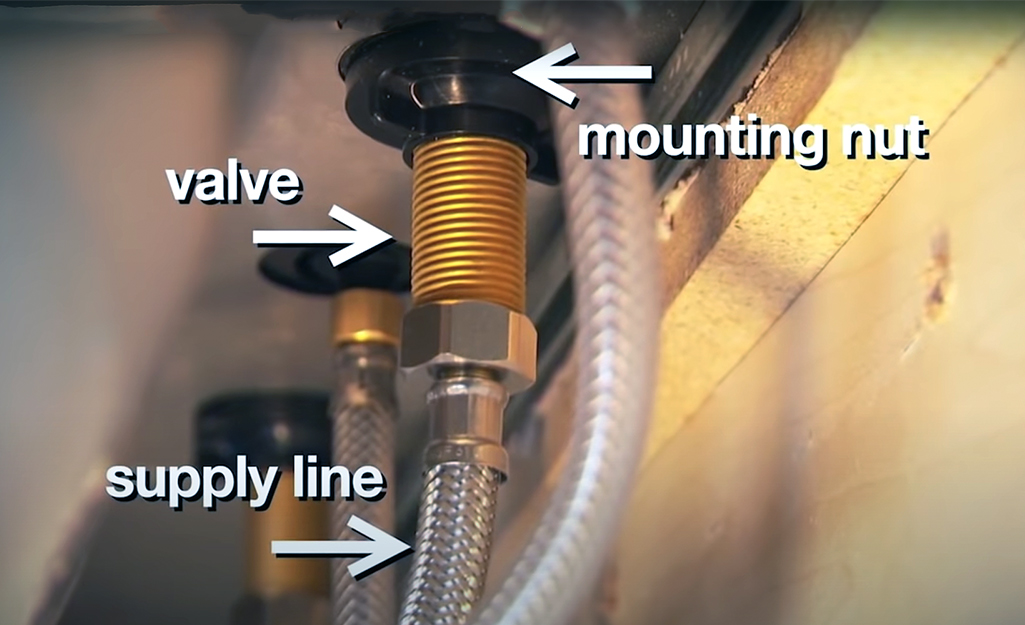
Image Source: contentgrid.homedepot-static.com
Preparing for Your Kitchen Faucet Installation
Before you start, it’s crucial to gather everything you need. This will make the faucet installation guide much smoother and prevent frustrating trips to the hardware store mid-project.
Choosing the Right Kitchen Faucet
There are many types of kitchen faucets available, each with its own features and installation quirks. Knowing what you’re buying is key to a successful DIY kitchen faucet setup.
- Single-Handle Faucets: These are the most common. One handle controls both water temperature and flow. They are easy to operate and often come with integrated sprayers.
- Double-Handle Faucets: These have separate handles for hot and cold water. They offer more precise temperature control but can be slightly more complex to install due to the extra connections.
- Pull-Down and Pull-Out Faucets: These have a retractable sprayer head, offering great flexibility for washing dishes and cleaning the sink. Installation is similar to single-handle faucets, but you’ll need to ensure the hose has enough room to move freely.
- Touchless or Sensor Faucets: These are the most advanced, turning on and off with a wave of your hand. They require a power source (batteries or an AC adapter) and have additional electronic components, making their installation a bit more involved.
When selecting your new faucet, consider:
- Number of Holes in Your Sink: Most sinks have one, two, three, or four holes. Your new faucet must match the number of holes you have, or you’ll need a base plate (escutcheon) to cover unused holes.
- Reach and Spout Height: Make sure the faucet will fit comfortably in your sink and allow you to wash large pots and pans.
- Style and Finish: Choose a faucet that complements your kitchen décor.
Essential Tools and Materials
Having the right tools makes all the difference. Here’s what you’ll likely need for your kitchen faucet replacement:
Tools:
- Adjustable Wrench (or two): For loosening and tightening various nuts and fittings.
- Basin Wrench: This specialized tool is essential for reaching nuts in tight spaces under the sink.
- Plumber’s Putty or Silicone Sealant: To create a watertight seal around the base of the faucet.
- Bucket: To catch any residual water from the pipes.
- Rags or Towels: For wiping up spills and drying parts.
- Safety Glasses: Protect your eyes from debris and dripping water.
- Work Gloves: For better grip and to protect your hands.
- Flashlight or Work Light: Essential for seeing in the cramped space under the sink.
- Screwdriver Set: For any screws that might be involved in the mounting.
- Utility Knife: For cutting old caulk or sealant.
Materials:
- New Kitchen Faucet: Ensure it’s the correct type and configuration for your sink.
- Flexible Water Supply Lines: It’s highly recommended to replace old supply lines with new ones. Make sure they are the correct length and have the right fittings for your shut-off valves and faucet.
- Thread Seal Tape (Teflon Tape): For sealing threaded connections to prevent leaks.
Step-by-Step: Removing Your Old Kitchen Faucet
Removing an old faucet is often the trickiest part of the process. Patience is key here.
Step 1: Shut Off the Water Supply
This is the most critical first step for safety.
* Locate the hot and cold water shut-off valves under your sink. They are usually small knobs or levers attached to the pipes coming out of the wall.
* Turn the handles clockwise until they are completely closed.
* Important: Turn on your old faucet to release any remaining water pressure in the lines and to confirm the water is indeed shut off. Let any residual water drain into the sink.
Step 2: Disconnect the Water Supply Lines
- Place a bucket or a shallow pan directly under the water supply line connections to catch any drips.
- Using an adjustable wrench, loosen the nuts connecting the supply lines to the shut-off valves. Be prepared for a small amount of water to escape.
- Next, disconnect the supply lines from the faucet tailpieces (the threaded pipes extending down from the faucet). You might need your basin wrench for this, especially if the nuts are hard to reach.
Step 3: Detach the Faucet Mounting Hardware
- This is where the basin wrench truly shines. Look up under the sink at the base of the faucet. You’ll see nuts or other fasteners securing the faucet to the sink or countertop.
- Use the basin wrench to loosen and remove these nuts. This can be a fiddly process, so take your time. You might need to reposition the wrench multiple times.
- If your faucet has a separate sprayer, there will be a hose and a mounting nut for that as well, which also needs to be removed.
Step 4: Remove the Old Faucet
- Once all connections and mounting hardware are removed, you should be able to lift the old faucet straight up and out from the top of the sink.
- If it’s stuck, check for any remaining caulk or sealant around the base. You might need to gently tap it with a rubber mallet or carefully use a utility knife to break the seal.
Step 5: Clean the Sink Surface
- Before installing the new faucet, thoroughly clean the area where the old one was mounted. Remove any old plumber’s putty, silicone, or grime. A clean surface is essential for a good seal with the new faucet.
Step-by-Step: Installing Your New Kitchen Faucet
Now for the exciting part – mounting the faucet! This guide focuses on a standard single-handle faucet with two supply line connections.
Step 1: Prepare the New Faucet
- Unpack your new faucet and check that all parts are present according to the manufacturer’s instructions.
- Many new faucets come with a gasket or O-ring already in place at the base. If yours doesn’t, or if the instructions specify, apply a bead of plumber’s putty or silicone sealant around the underside of the faucet base or mounting plate. For granite or quartz countertops, silicone is generally preferred to avoid staining. If you’re unsure, check your faucet manufacturer’s recommendations.
Step 2: Position the New Faucet
- Carefully feed the faucet’s tailpieces and any hoses through the appropriate holes in the sink or countertop.
- Ensure the faucet is oriented correctly – the handle(s) should be facing the desired direction.
Step 3: Secure the Faucet from Below
- From under the sink, slide any provided rubber washers, metal washers, and mounting nuts onto the faucet’s tailpieces.
- Tighten these nuts by hand first to hold the faucet in place.
- Use your basin wrench or adjustable wrench to snug them up. Do not overtighten, as this can damage the sink or the faucet. Ensure the faucet is straight before fully tightening. A slight wiggle test can help confirm it’s secure.
Step 4: Connect the New Water Supply Lines
This is a crucial part of plumbing a kitchen faucet.
- Connect to the Faucet: Screw the flexible supply lines onto the faucet’s tailpieces. Hand-tighten them, then give them a quarter to half turn with an adjustable wrench. Again, avoid overtightening. Many faucet manufacturers recommend using Teflon tape on these connections, but some modern supply lines have rubber gaskets and don’t require it. Check your faucet’s specific instructions.
- Connect to the Shut-Off Valves: Apply thread seal tape (Teflon tape) clockwise around the threads of the shut-off valve outlets. This helps create a watertight seal.
- Carefully screw the other end of the flexible supply lines onto the corresponding hot and cold shut-off valves. Hand-tighten them, then use an adjustable wrench to snug them up a quarter to half turn.
Step 5: Connect Sprayer Hose (If Applicable)
- If your faucet has a pull-down or pull-out sprayer, you’ll need to connect the sprayer hose to the designated port on the faucet body under the sink. Follow the manufacturer’s instructions carefully, as these connections are often quick-connect fittings.
- Make sure to attach the counterweight to the sprayer hose in the location specified in your faucet’s manual. This weight helps the sprayer retract smoothly.
Step 6: Turn On the Water and Check for Leaks
- Ensure the new faucet handle is in the “off” position.
- Slowly turn the hot and cold water shut-off valves back on by turning them counter-clockwise.
- Immediately check all connections you made (at the shut-off valves and at the faucet tailpieces) for any drips or leaks. Use your flashlight to get a good look.
- If you see any leaks, gently tighten the connection by about an eighth of a turn. Test again. Repeat this process until there are no leaks. It’s better to have a slightly snug connection than a leaky one.
Step 7: Test the Faucet Operation
- Turn on the new faucet slowly. Check both hot and cold water.
- Run the water for a minute or two to flush out any air or debris that might have been in the lines.
- Check the flow rate and temperature control.
- If you have a sprayer, test its function and ensure the hose retracts properly.
- Look for leaks again under the sink while the water is running and after you’ve turned it off.
Step 8: Final Touches
- Wipe down all connections and the faucet itself.
- Dispose of the old faucet and any packaging.
- Clean up your workspace.
Common Pitfalls and Troubleshooting
Even with careful preparation, you might encounter a few issues during your faucet installation guide.
Leaky Connections
- Cause: Not enough Teflon tape, overtightened fittings, damaged threads, or faulty rubber gaskets.
- Solution: Turn off the water, drain the lines, and re-do the connection. Ensure Teflon tape is applied correctly (clockwise). If using a gasket, make sure it’s seated properly. If connections consistently leak, you may need to replace the supply line or consider a new shut-off valve.
Faucet Wobbles
- Cause: Mounting nuts are not tight enough.
- Solution: Tighten the mounting nuts under the sink using your basin wrench. Be firm but don’t force it to the point of cracking anything.
Low Water Pressure
- Cause: Aerator is clogged with debris from the installation, or the shut-off valves are not fully open.
- Solution: Unscrew the aerator at the tip of the faucet spout. Clean out any debris. Check that the shut-off valves are fully open. If pressure is still low, there might be an issue with the supply lines or the house plumbing itself.
Sprayer Hose Not Retracting
- Cause: The counterweight is missing, misplaced, or the hose is kinked.
- Solution: Consult your faucet manual for the correct placement of the counterweight. Ensure the hose isn’t snagged on anything under the sink.
Best Practices for the Best Kitchen Faucet Installation
Adhering to a few best practices can significantly improve your experience and the longevity of your new faucet.
- Read the Manufacturer’s Instructions: Every faucet is slightly different. Always refer to the specific installation manual that came with your new faucet. This is your most reliable resource.
- Replace Old Supply Lines: Even if your old faucet worked fine, the supply lines can degrade over time. Replacing them during a kitchen faucet replacement is a proactive measure to prevent future leaks.
- Use the Right Tools: A basin wrench is almost non-negotiable for plumbing a kitchen faucet in most modern sinks. Having the right tool makes the job safer and easier.
- Work in a Well-Lit Area: The space under a sink is often dark and cramped. Use a good flashlight or headlamp to ensure you can see what you’re doing, especially when making connections.
- Don’t Overtighten: This is a common mistake. Overtightening can strip threads, crack plastic parts, or damage rubber seals, leading to leaks. Tighten connections until snug, then give them a small extra turn.
- Test Thoroughly: After turning the water back on, take your time to check every connection for leaks. Run the water and operate the faucet for several minutes before considering the job done.
- Take Pictures: Before you start, take a picture of your existing setup under the sink. This can be helpful for reference if you get confused about how things were connected.
Frequently Asked Questions (FAQ)
Q1: How long does it typically take to install a kitchen faucet?
A typical kitchen faucet replacement can take anywhere from 1 to 3 hours for a DIYer, depending on the complexity of the faucet and how easily the old one can be removed.
Q2: Do I need to shut off the main water supply to the house?
Generally, no. You only need to shut off the individual hot and cold water supply valves located under the sink.
Q3: What is plumber’s putty and when should I use it?
Plumber’s putty is a pliable compound used to create a watertight seal around fixtures that pass through a surface, like the base of a faucet or a drain flange. It’s typically used on stainless steel or cast iron sinks. For porous surfaces like natural stone (granite, marble) or solid surfaces, silicone sealant is usually recommended as putty can stain. Always check your faucet manufacturer’s recommendations.
Q4: Can I use Teflon tape on the supply line connections to the faucet?
Many modern flexible supply lines have built-in rubber gaskets and do not require Teflon tape. However, some manufacturers still recommend it. It’s best to consult the installation instructions for your specific faucet and supply lines. If you do use it, wrap it clockwise around the threads.
Q5: My old faucet is really stuck. What can I do?
Penetrating oil (like WD-40) applied to the mounting nuts and allowed to sit for a while can help loosen stubborn corrosion. If the nuts are still impossible to remove, you might need to carefully cut them off with a mini-hacksaw or a rotary tool with a cutting disc. Be very careful not to damage the sink during this process.
Q6: What if my sink has more holes than my new faucet?
You can use an escutcheon plate, also known as a deck plate, to cover the unused holes. These are usually included with the faucet or can be purchased separately.
Q7: Is it worth hiring a plumber for faucet installation?
If you’re not comfortable working with plumbing, or if you encounter significant difficulties (like corroded pipes or complex hookups), hiring a professional plumber is a wise choice. They can ensure the job is done correctly and safely, saving you potential headaches and water damage. However, for most standard kitchen faucet replacement jobs, a competent DIYer can succeed with this faucet installation guide.
By following these steps and tips, you can confidently tackle your DIY kitchen faucet setup. Enjoy your beautifully updated kitchen!