
Thinking about adding a backsplash to your kitchen? It’s a great way to upgrade your kitchen’s look. You can absolutely hang a kitchen backsplash yourself, even if you’re new to DIY projects. This guide will walk you through every step, from picking your material to the final touches.
Can you hang a backsplash with adhesive? Yes, many backsplashes come with a strong adhesive backing, making installation much simpler. This is a fantastic option for DIYers looking for a quick and clean way to transform their kitchen.
This comprehensive guide covers everything you need to know for a successful DIY backsplash project. We’ll delve into backsplash preparation, discuss how to measure for backsplash, guide you through tile backsplash installation, explain cutting kitchen tiles, cover grouting backsplash, and finish with sealing kitchen backsplash. A well-chosen and properly installed backsplash can elevate your entire kitchen renovation backsplash project.
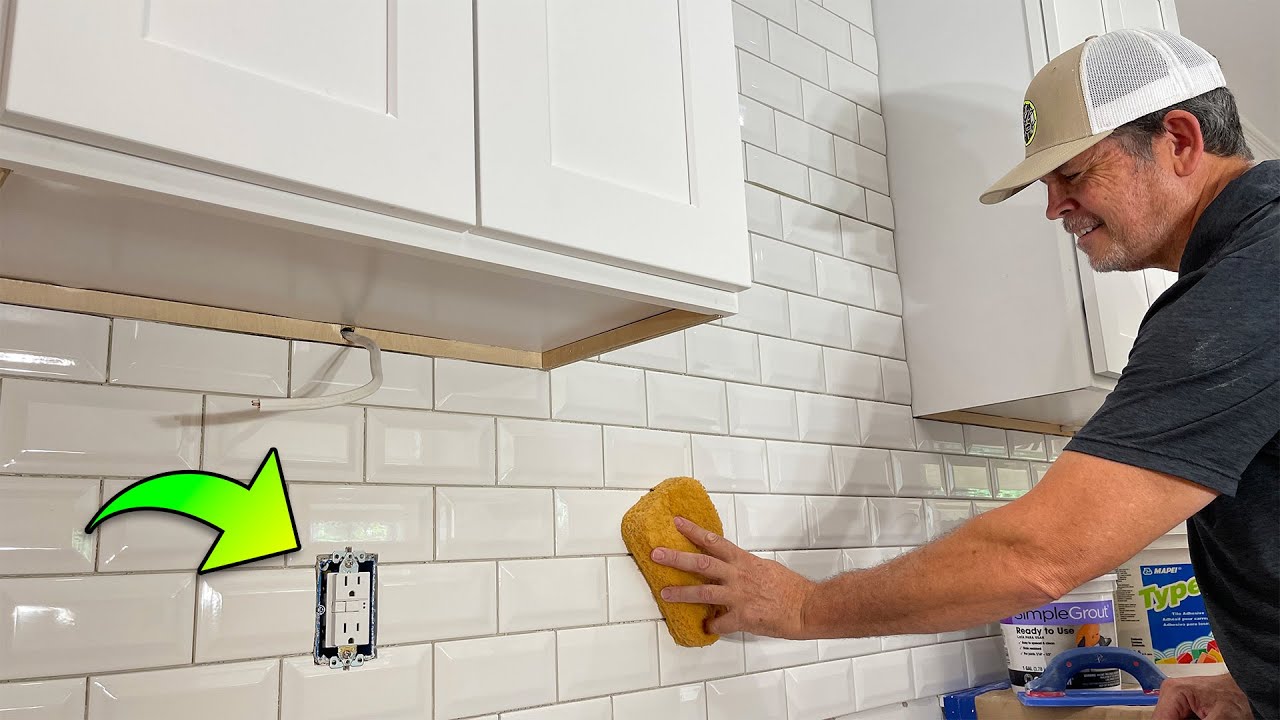
Image Source: i.ytimg.com
Planning Your Backsplash Project
Before you grab any tools, a little planning goes a long way. This phase is crucial for a smooth and successful installation.
Choosing Your Backsplash Material
The world of backsplashes is vast! From classic subway tiles to modern peel-and-stick options, your choice impacts the installation process and the final look.
- Ceramic and Porcelain Tiles: These are very popular, durable, and come in countless colors and styles. They offer a classic tile backsplash installation look.
- Glass Tiles: Offer a sophisticated and reflective surface. They can be a bit trickier to cut.
- Stone Tiles (Marble, Granite, Travertine): Provide a luxurious and natural feel. Stone tiles can be heavier and require specific sealants.
- Metal Tiles (Stainless Steel, Copper): Give a modern or industrial vibe. They are often available as adhesive backsplash panels, simplifying installation.
- Peel-and-Stick Backsplashes: These are often vinyl or PVC and come with a strong adhesive. They are the easiest DIY backsplash option for beginners.
How to Measure for Backsplash
Accurate measurements are key to ordering the right amount of material and avoiding waste.
- Measure the Height: Start at the countertop and measure up to the bottom of your upper cabinets. Measure this in several spots across the wall.
- Measure the Width: Measure the length of the wall space you want to cover. Again, measure in a few places.
- Account for Obstacles: Note the location and size of outlets, switches, windows, and doors. You’ll need to cut around these.
- Calculate Square Footage: Multiply the height by the width to get the square footage of your main backsplash area. Add this to any other backsplash areas you’re covering.
- Add for Waste: It’s wise to add 10-15% extra to your total square footage. This accounts for cuts, mistakes, and future repairs.
Table: Measuring Example
| Area | Width (inches) | Height (inches) | Square Inches |
|---|---|---|---|
| Main Wall | 72 | 18 | 1296 |
| Outlet Cutout | 6 | 4 | 24 |
| Total Area | 1272 | ||
| Waste (15%) | 191 | ||
| Total Needed | 1463 sq in |
Gathering Your Tools and Materials
Having everything ready before you start will make the process much smoother.
Essential Tools:
- Tape measure
- Pencil
- Level
- Utility knife (for peel-and-stick)
- Notched trowel (for adhesive tiles)
- Spacers (for tile grout lines)
- Tile nippers or wet saw (for cutting tiles)
- Grout float
- Sponge
- Bucket(s)
- Safety glasses
- Gloves
- Drop cloths or old newspapers
- Grout sealer
- Caulk gun and caulk
Materials:
- Your chosen backsplash material
- Tile adhesive or mastic (if not using adhesive backsplash)
- Grout
- Caulk (matching your grout color)
Backsplash Preparation: The Foundation for Success
Proper backsplash preparation is vital for a professional-looking finish and long-lasting adhesion. A clean, smooth, and dry surface ensures your backsplash stays put and looks its best.
Cleaning the Existing Wall
- Remove Old Backsplash (if applicable): If you have an old backsplash, carefully remove it. Use a putty knife or scraper. For stubborn adhesive, you might need a heat gun or solvent.
- Clean the Surface: Wipe down the wall with a mild detergent and water to remove grease, dirt, and any residue. For tough grease, a degreaser can be helpful.
- Rinse and Dry: Rinse the wall thoroughly to remove any soap or degreaser. Let the wall dry completely. Any moisture can interfere with the adhesive.
Repairing Imperfections
- Fill Holes and Cracks: Use spackling paste to fill any nail holes or small cracks. Sand smooth once dry.
- Address Unevenness: If the wall is significantly uneven, consider using a tile backer board or a leveling compound. This is especially important for a true tile backsplash installation.
Priming the Wall
- For porous surfaces or when using strong adhesives, applying a primer can improve adhesion. Follow the primer manufacturer’s instructions. Allow it to dry completely.
Installing Your Kitchen Backsplash: Step-by-Step
Now for the exciting part – bringing your kitchen to life with a new backsplash! We’ll cover different methods based on your material choice.
Method 1: Installing Adhesive Backsplash (Peel-and-Stick)
This is the easiest route for a DIY backsplash.
- Start in a Corner: Peel-and-stick tiles usually have a grid pattern to help you align. Begin in a corner, often the one furthest from the main sink area or where you want the most seamless look.
- Peel and Stick: Carefully peel off the backing from the first tile or sheet. Align it perfectly with your starting point and the countertop edge.
- Press Firmly: Smooth the tile onto the wall, pressing firmly from the center outwards to eliminate air bubbles. A roller tool can be helpful here.
- Continue Across the Row: Place the next tile, ensuring it aligns with the previous one. Many designs interlock or have a slight overlap.
- Cutting Around Obstacles: For outlets or switches, place the tile over the opening. Mark the shape on the backing paper, remove the tile, and carefully cut along your marks with a utility knife. Then, stick the cut tile into place.
- Working Upwards: Continue covering the entire area, row by row. Use your level to ensure each row is straight.
Method 2: Installing Tile Backsplash (Using Adhesive)
This method involves a bit more work but offers endless design possibilities for a classic tile backsplash installation.
Laying Out Your Design
- Dry Fit: Before applying any adhesive, lay out your tiles on the countertop or floor in the pattern you want. This is a good time to identify any issues and plan your cuts.
- Establish a Starting Point: Find the center of your longest wall or the most prominent feature. Using a level, draw a horizontal and vertical chalk line. This will be your guide.
Applying Adhesive
- Mix Adhesive (if needed): If using powdered tile adhesive, mix it according to the manufacturer’s instructions. Aim for a peanut-butter consistency.
- Spread Adhesive: Using the flat side of your trowel, spread a thin, even layer of adhesive onto a small section of the wall (about 2-3 square feet at a time).
- Create Ridges: Hold the trowel at a 45-degree angle and comb the adhesive to create uniform ridges. This ensures proper coverage and adhesion.
Placing the Tiles
- Set the First Tile: Start at your intersection point (where your chalk lines meet). Gently press the first tile into the adhesive with a slight twisting motion.
- Use Spacers: Insert tile spacers between each tile to maintain consistent grout lines.
- Continue Across the Row: Work your way outwards from the center. Use your level frequently to ensure tiles are straight and plumb.
-
Cutting Kitchen Tiles: This is where cutting kitchen tiles comes in.
- Tile Nippers: For small cuts or curves (like around outlets), tile nippers are useful. Practice on scrap pieces first.
- Wet Saw: For straight cuts, a wet saw is the most efficient and accurate tool. You can often rent these. Measure your tile, mark your cut line, and carefully guide the tile through the saw blade. Always wear safety glasses!
-
Fitting Around Obstacles: Measure the space needed for outlets and switches. Cut your tiles precisely to fit around these openings, leaving a small gap for caulking later.
Working with Different Tile Types
- Glass Tiles: These are often sold mounted on a mesh backing. You’ll apply adhesive to the wall and press the entire sheet into place. Be extra careful when cutting glass tiles.
- Stone Tiles: Natural stone can be porous and may require a specific adhesive. Check the manufacturer’s recommendations.
Letting the Adhesive Cure
- Once all tiles are in place, let the adhesive cure for at least 24 hours. Do not disturb the tiles during this time.
Grouting the Backsplash: Filling the Gaps
Grouting is the process of filling the spaces between tiles. It adds structural integrity and gives your backsplash a finished, professional look.
Preparing for Grouting
- Remove Spacers: Once the adhesive is fully cured, remove all tile spacers.
- Clean Tile Surfaces: Wipe down the tiles to remove any adhesive residue or dust.
Mixing and Applying Grout
- Mix Grout: Follow the manufacturer’s instructions for mixing the grout. Aim for a smooth, spreadable consistency.
- Apply Grout: Use a grout float, holding it at a 45-degree angle. Scoop a generous amount of grout onto the float and spread it diagonally across the tiles, forcing it into the gaps.
- Work in Sections: Grout a small area at a time.
Cleaning Excess Grout
- Wipe Diagonally: After about 10-15 minutes (or when the grout starts to firm up slightly), use a damp (not wet) sponge to gently wipe away the excess grout from the tile surfaces. Wipe diagonally across the grout lines to avoid pulling grout out.
- Rinse Sponge Frequently: Rinse your sponge often in a clean bucket of water.
- Second Wipe: After another 15-20 minutes, you may need to do a second, lighter wipe with a clean, damp sponge to remove any remaining haze.
Buffing the Haze
- Once the grout has dried further (check manufacturer’s instructions, usually after a few hours), use a clean, dry microfiber cloth to buff away any remaining grout haze from the tiles.
Sealing Your Backsplash: Protection and Longevity
Sealing your grout and certain types of tiles is essential for protecting them from stains and moisture.
When to Seal
- Allow the grout to cure completely. This typically takes 48-72 hours, but always check the grout manufacturer’s recommendations.
Applying the Sealant
- Choose the Right Sealer: Use a high-quality grout sealer specifically designed for kitchens. For porous stone tiles, you may need a separate stone sealer.
- Apply to Grout Lines: Use a small brush or applicator to carefully apply the sealer to the grout lines. Ensure you don’t get too much on the tiles themselves, especially if they are polished.
- Wipe Excess: Wipe away any excess sealer from the tile surface immediately with a clean cloth.
- Apply to Stone Tiles (if applicable): If you have natural stone tiles, follow the specific instructions for stone sealers. This might involve wiping it on and then buffing it off after a short period.
Reapplying Sealer
- It’s recommended to reapply grout sealer every 6-12 months to maintain optimal protection.
Finishing Touches
The final steps make all the difference in the finished appearance of your backsplash.
Caulking the Edges
- Apply Caulk: Use a paintable caulk to seal the gaps between the backsplash and the countertop, as well as along any edges where the backsplash meets cabinets or walls. This prevents water and debris from getting behind the backsplash.
- Smooth the Bead: Run a wet finger or a caulking tool along the bead of caulk to create a smooth, clean line.
Reinstalling Fixtures
- Once everything is dry and sealed, carefully reattach any outlet covers or switch plates that you removed.
Frequently Asked Questions (FAQ)
Q1: How long does it take to install a kitchen backsplash?
A1: The time it takes can vary greatly depending on the material, the size of the area, and your experience level. Peel-and-stick backsplashes can often be completed in a single day. For tile backsplashes, including grouting and sealing, it typically takes 2-3 days due to drying times.
Q2: Can I put a backsplash over an existing backsplash?
A2: In some cases, yes, but it’s generally not recommended. If the existing backsplash is flat, smooth, and well-adhered, some materials like certain peel-and-stick tiles might work. However, uneven surfaces or textured tiles can cause adhesion issues and a less professional look. It’s usually best to remove the old backsplash first for a clean, durable finish.
Q3: What is the easiest type of backsplash to install for a beginner?
A3: Peel-and-stick or adhesive backsplash options are by far the easiest for beginners. They require minimal tools and no grout or adhesive application in the traditional sense.
Q4: Do I need to grout peel-and-stick backsplashes?
A4: Generally, no. Most peel-and-stick tiles have a finished edge or interlock in a way that doesn’t require grouting. Always check the product’s specific installation instructions.
Q5: How do I clean a backsplash after installation?
A5: For most tile backsplashes, a soft cloth with mild soap and water is sufficient for regular cleaning. Avoid abrasive cleaners or scrub pads that can scratch the surface or damage the grout. For specific materials like natural stone, use cleaners recommended by the manufacturer.
Q6: What’s the difference between tile adhesive and mastic?
A6: Tile adhesive (often thin-set mortar) is a cement-based product that needs to be mixed with water and provides a stronger, more water-resistant bond, making it ideal for most tile installations, especially in potentially wet areas like backsplashes. Mastic is a pre-mixed adhesive that is easier to work with but is less water-resistant and not recommended for areas prone to moisture or heavy use. For a typical kitchen backsplash, both can work, but thin-set is often preferred for its durability.
This detailed guide should equip you with the knowledge and confidence to tackle your kitchen renovation backsplash project. Enjoy the process and the beautiful new look of your kitchen!