
What is the fastest way to get rid of fruit flies in the kitchen? The quickest way to eliminate fruit flies involves a multi-pronged approach: immediate sanitation, effective trapping, and diligent prevention. You can’t just do one thing and expect them to vanish overnight; it’s a process that requires action on several fronts simultaneously for the speediest results.
Seeing those tiny, annoying winged creatures buzzing around your kitchen is incredibly frustrating. Fruit flies, also known as Drosophila melanogaster, are more than just a nuisance; they can indicate unsanitary conditions and, if left unchecked, can lead to a full-blown fruit fly infestation. Fortunately, with a bit of know-how and some quick action, you can significantly reduce and eventually eliminate them from your home. This guide will walk you through proven methods to get rid of fruit flies in your kitchen fast, covering everything from immediate fixes to long-term solutions.
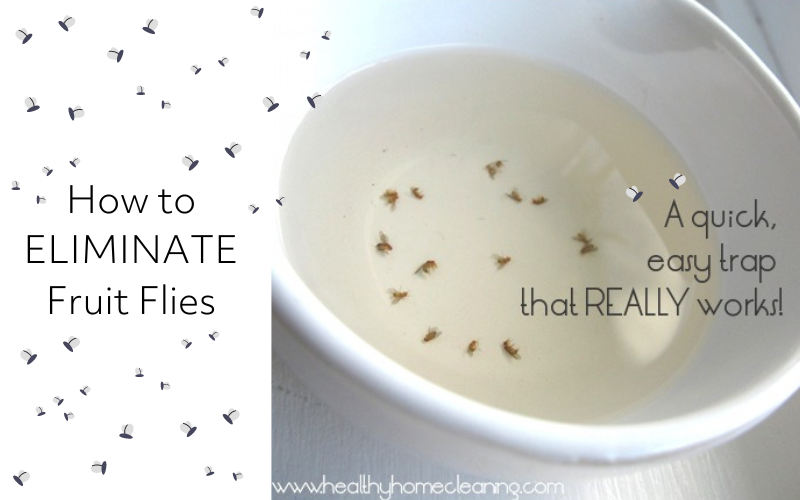
Image Source: healthyhomecleaning.com
Deciphering the Fruit Fly Lifecycle: Why They Keep Coming Back
To effectively combat fruit flies, it’s crucial to grasp their fruit fly lifecycle. This knowledge empowers you to target them at their weakest points.
- Eggs: A female fruit fly can lay up to 500 eggs in her short lifespan. These are typically laid on ripening or fermenting fruits, vegetables, or other organic matter. The eggs are tiny and often difficult to see with the naked eye.
- Larvae (Maggots): After about 24-30 hours, the eggs hatch into legless larvae. These larvae feed on the fermenting material where they were laid. This stage can last for about 4-5 days.
- Pupae: Once the larvae mature, they form a pupal case. This is a resting stage where the transformation into an adult fly occurs. This typically takes about 4-6 days.
- Adult Flies: Finally, adult fruit flies emerge. They become capable of reproduction within a couple of days and can live for several weeks. This rapid cycle means that a small problem can escalate into a significant infestation very quickly if not addressed.
Understanding this cycle highlights why simply swatting at the adult flies isn’t enough. You need to break the cycle by removing breeding grounds and trapping adults.
Immediate Action: Your First Strike Against Fruit Flies
When you notice that first tell-tale buzz, it’s time for immediate action. Here’s what to do right away:
1. Deep Clean and Sanitize: Remove Their Food and Breeding Sites
This is the absolute most important step. Fruit flies are attracted to anything fermenting or decaying.
- Discard Overripe Produce: Any fruit or vegetable that is past its prime, bruised, or has soft spots is a potential breeding ground. Bag them up immediately and take them outside to the trash.
- Check Fruit Bowls: Even seemingly fine fruit can have micro-organisms causing fermentation. Inspect your fruit bowl daily.
- Wipe Down Surfaces: Clean countertops, tables, and any surfaces where food is prepared or consumed. Pay attention to sticky residue from juices or spills.
- Empty Trash Cans: Fruit flies love the garbage. Empty your kitchen trash frequently, especially if it contains food scraps. Rinse out the bin itself if it has accumulated sticky residue.
- Clean the Sink and Drains: Food particles can get lodged in drains and begin to decompose, creating an ideal environment for fruit flies.
2. The Power of Traps: Capturing the Adults
While cleaning removes their homes, traps help capture the adult flies that are already present. Several DIY and store-bought options work wonders.
The Classic Apple Cider Vinegar Trap
This is a highly effective and popular apple cider vinegar trap for a reason. Fruit flies are irresistibly drawn to the sweet, fermented scent of apple cider vinegar.
How to Make It:
- Container: Get a small bowl, jar, or glass.
- Vinegar: Pour about an inch of apple cider vinegar into the container.
- Dish Soap: Add a drop or two of liquid dish soap. This is crucial because it breaks the surface tension of the vinegar, causing the flies to sink and drown rather than stand on the surface.
- Cover (Optional but Recommended): Cover the container with plastic wrap and poke a few small holes in it with a toothpick or fork. This creates a funnel that makes it harder for the flies to escape once they’re inside. Alternatively, you can roll a piece of paper into a cone shape and place it in the opening, ensuring the narrow end doesn’t quite touch the liquid.
Placement: Place these traps in areas where you see the most fruit fly activity. Usually, this is near fruit bowls, sinks, or trash cans.
The Banana Bait Trap
A banana bait trap works on a similar principle, using the strong scent of ripe fruit to attract them.
How to Make It:
- Container: Use a jar or bowl.
- Bait: Place a small piece of overripe banana (or other very ripe fruit like mango or peach) at the bottom of the container.
- Cover: Cover tightly with plastic wrap and secure with a rubber band.
- Poke Holes: Poke small holes in the plastic wrap.
Why it works: The flies are attracted by the banana’s smell, crawl inside through the holes, and get trapped.
Other Effective DIY Traps
- Red Wine Trap: Similar to the apple cider vinegar trap, a small amount of leftover red wine in a glass, with a drop of dish soap, can also be very effective.
- Sweet Solution Trap: A mixture of a little bit of sugar and water, again with a drop of dish soap, can also lure them in.
Table: DIY Fruit Fly Trap Comparison
| Trap Type | Attractant | Effectiveness | Ease of Setup | Notes |
|---|---|---|---|---|
| Apple Cider Vinegar | Apple Cider Vinegar | Very High | Easy | Dish soap is key to drowning them. |
| Banana Bait | Overripe Banana/Fruit | High | Easy | Good for using up old fruit. |
| Red Wine | Red Wine | High | Easy | Excellent if you have leftover wine. |
| Sugar Water | Sugar | Medium | Easy | Less potent than fermented options. |
3. Kitchen Drain Cleaner: Tackling Hidden Breeding Grounds
Don’t forget your drains! As mentioned earlier, sticky residue and organic matter can build up in kitchen sinks and disposals, creating a perfect breeding spot.
- Boiling Water Flush: Regularly pour boiling water down your drains. This can kill any eggs or larvae lurking there.
- Baking Soda and Vinegar Flush: A classic DIY fruit fly killer and cleaner for drains. Pour about half a cup of baking soda down the drain, followed by a cup of white vinegar. Let it fizz for about 10-15 minutes, then rinse with hot or boiling water. This is a natural kitchen drain cleaner that can break down gunk.
- Enzyme Drain Cleaners: For a more thorough clean, consider using enzyme-based drain cleaners. These products contain bacteria that digest organic matter, effectively cleaning out the gunk that fruit flies love.
Ongoing Battle: Maintaining a Fruit Fly-Free Kitchen
Once you’ve implemented the immediate fixes, you need to stay vigilant to prevent them from returning. This is where preventing fruit flies becomes paramount.
1. Mind Your Produce
- Refrigerate When Ripe: Once fruits and vegetables reach peak ripeness, store them in the refrigerator rather than on the counter.
- Wash Produce: Wash all produce thoroughly as soon as you bring it home from the store. This removes any existing eggs or larvae that may be present.
- Inspect for Damage: Be sure to check for any bruised or damaged spots on produce and either cut them away immediately or store them in airtight containers.
2. Seal Food Storage
- Airtight Containers: Store all food, especially ripe fruit, vegetables, and pantry staples like flour and sugar, in airtight containers. This includes anything that might attract them, even if it’s not produce.
- Don’t Leave Out Food: Never leave food out on counters, especially sugary or fermenting items.
3. Trash Management is Key
- Sealed Trash Bags: Use trash bags that can be securely tied.
- Outdoor Trash: If your kitchen trash can is outdoors or near an entrance, ensure the lid is tightly sealed.
- Rinse Recyclables: Rinse out cans and bottles, especially those that contained sugary drinks or fermented products like beer or wine.
4. Keep it Clean, Always
- Regular Wiping: Make a habit of wiping down counters and tables after meals and spills.
- Sink Maintenance: Don’t let dirty dishes pile up in the sink. Wash them promptly or place them in the dishwasher and close the door.
- Check Pet Food Bowls: Don’t leave wet pet food out for extended periods, as it can also attract fruit flies. Clean pet bowls regularly.
5. Harnessing Natural Fruit Fly Repellents
Beyond traps, there are natural ways to deter fruit flies.
Essential Oils for Fruit Flies
Certain essential oils for fruit flies have strong scents that can mask the attractants or actively repel them.
- Peppermint Oil: Fruit flies dislike the strong scent of peppermint. Mix 10-15 drops of peppermint essential oil with water in a spray bottle. Spray around windows, doors, and any areas where you see fly activity.
- Basil Oil: The scent of basil is also known to repel fruit flies. You can plant basil in your kitchen or use basil essential oil similarly to peppermint oil.
- Citronella Oil: Often used as an insect repellent, citronella can also work against fruit flies.
- Clove Oil: Another strong scent that can deter them.
How to Use Essential Oils:
- Spray: Mix a few drops of your chosen essential oil with water in a spray bottle. Lightly mist around your kitchen.
- Cotton Balls: Soak cotton balls in the essential oil and place them in strategic locations, like near fruit bowls or windows.
- Diffuser: Use an essential oil diffuser in your kitchen.
Other Natural Solutions
- Cloves: Stick whole cloves into an orange or lemon. The strong scent can help deter fruit flies.
- Vinegar Sprays: While vinegar attracts them to traps, a diluted vinegar spray can sometimes act as a deterrent on surfaces because they dislike the intensity of the scent when it’s not a trap.
These natural methods are part of an overall strategy to create an unwelcoming environment for fruit flies. They act as a natural fruit fly repellent.
When to Seek Professional Help
In most cases, a persistent approach with the methods outlined above should resolve your fruit fly problem. However, if you’ve tried everything and the infestation seems to be worsening or completely out of control, it might be time to consider professional pest control services. They can help identify the source of the problem, especially if it’s something beyond simple kitchen sanitation, and offer more targeted solutions.
Frequently Asked Questions (FAQ)
Q1: How long does it take to get rid of fruit flies?
A1: The speed at which you eliminate fruit flies depends on the severity of the infestation and your diligence. With immediate sanitation and effective trapping, you can see a significant reduction in numbers within 24-48 hours. However, it may take a week or more to completely break the lifecycle and eliminate them entirely.
Q2: Can I use dish soap alone to kill fruit flies?
A2: Dish soap alone isn’t a primary killer or attractant. Its crucial role is when added to traps like the apple cider vinegar trap. It breaks the surface tension of the liquid, causing the flies to sink and drown, rather than simply resting on the surface.
Q3: What attracts fruit flies besides fruit?
A3: Fruit flies are attracted to anything that ferments or decomposes. This includes:
* Vegetables (especially onions, potatoes, tomatoes)
* Sugary spills (soda, juice, wine)
* Spilled alcohol
* Grease and food debris in drains
* Dirty sponges or mops
* Wet garbage or compost
* Even the residue in empty soda cans or wine bottles can be enough to attract them.
Q4: Are fruit flies dangerous to humans?
A4: Fruit flies are generally not considered dangerous to humans in terms of biting or transmitting serious diseases. However, they can land on food and surfaces that have also been in contact with unsanitary conditions, potentially carrying bacteria. Their presence is more of a hygiene concern than a direct health threat.
Q5: I cleaned everything, but they are still here. What could be the problem?
A5: If you’ve thoroughly cleaned and are still seeing fruit flies, consider these less obvious sources:
* Drains: As mentioned, drains are common breeding grounds. Ensure your kitchen drain cleaner methods are effective.
* Houseplants: Overwatered soil or decaying plant matter in houseplants can attract them.
* Mop Buckets/Sponges: If you leave dirty, wet cleaning supplies around, they can become breeding sites.
* Forgotten Food: Check behind appliances, in pantry corners, or in seldom-used cabinets for any forgotten produce or spills.
* Trash Can Location: If your trash can is very close to an open window or door, flies from outside might be entering.
Q6: What is the best way to prevent fruit flies from coming back?
A6: Consistent good hygiene is the best prevention. This includes:
* Storing ripe produce properly (refrigerate).
* Washing produce immediately upon purchase.
* Keeping kitchen surfaces clean and dry.
* Regularly emptying and cleaning trash cans.
* Flushing drains with boiling water or a baking soda and vinegar mixture.
* Airtight storage of all food items.
By understanding their habits and implementing these comprehensive strategies, you can effectively banish fruit flies from your kitchen and enjoy a cleaner, more pleasant living space. Remember, consistency is key to preventing fruit flies and maintaining a fly-free home.