
Does your kitchen sink emit an unpleasant odor? You’re not alone. The most common reasons for a smelly kitchen sink are lingering food scraps, grease buildup, and bacteria growth in the drain or garbage disposal maintenance. Can you fix a smelly sink yourself? Yes, in most cases, you can effectively eliminate sink odors with simple, natural methods and regular drain cleaning.
A consistently foul-smelling sink can make even the most enjoyable cooking experience unpleasant. It’s a persistent problem that can leave your entire kitchen feeling less than fresh. But fear not! Tackling that lingering funk is often simpler than you think. This comprehensive guide will walk you through the causes of sink odors and provide actionable solutions to restore freshness to your kitchen. We’ll delve into effective cleaning methods, preventative measures, and even when it might be time to call in the professionals for more serious plumbing issues.
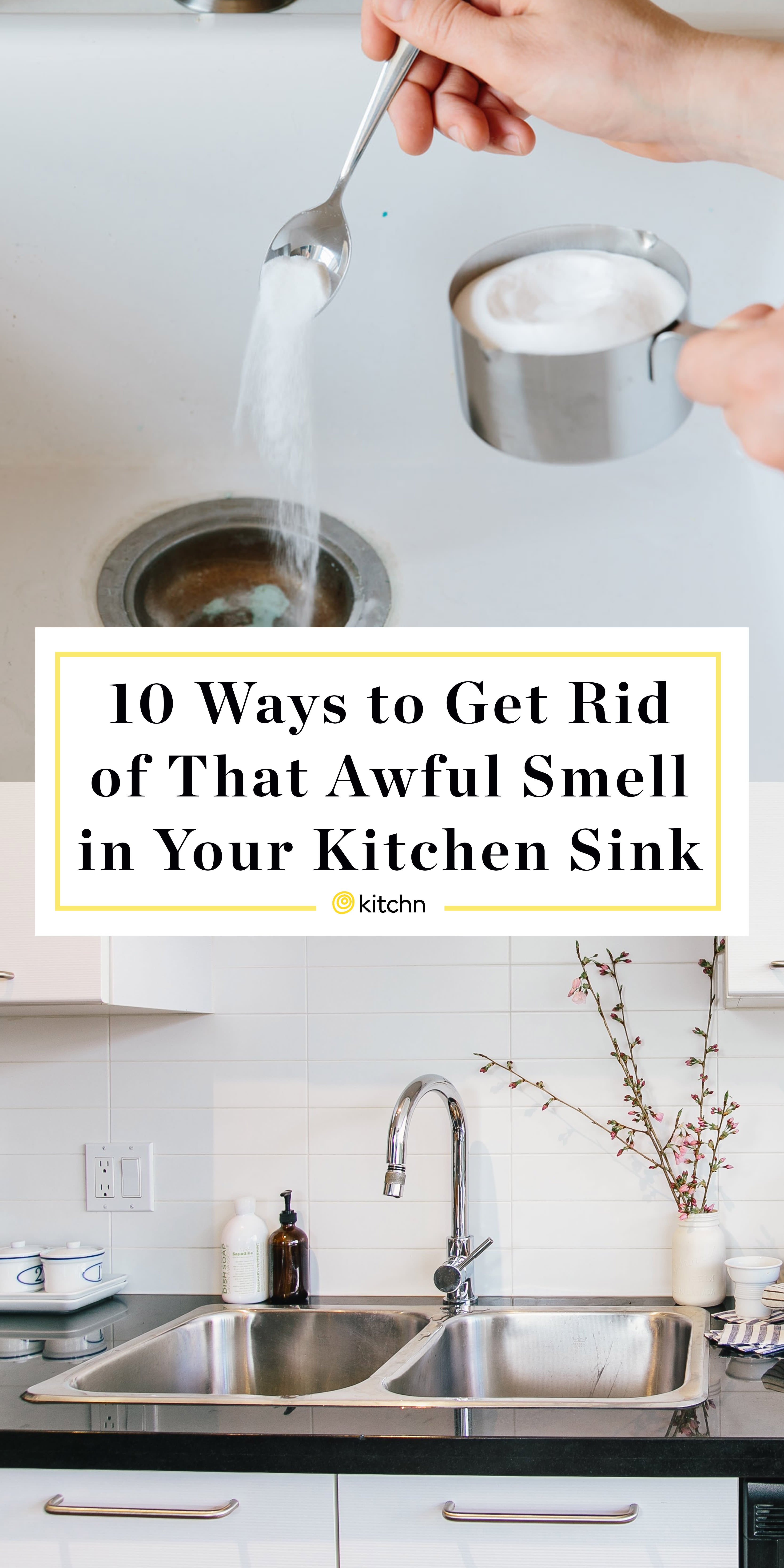
Image Source: cdn.apartmenttherapy.info
Deciphering the Source of the Stink
Before we launch into cleaning, it’s helpful to understand why your sink smells. The culprits are usually found within the drainpipe itself or the garbage disposal.
Common Causes Explained
- Food Scraps: Even with a garbage disposal, small bits of food scraps can get lodged in the drainpipe or disposal blades. These organic materials start to decompose, creating that characteristic rotten egg or sewage smell. Think about things like coffee grounds, vegetable peels, pasta, rice, and small bones – they are notorious for clinging to pipes.
- Grease Buildup: Pouring cooking grease, fats, and oils down the drain is a major contributor to sink smells. As these substances cool, they solidify and coat the inside of your pipes. This grease buildup creates a sticky surface where food particles can adhere and begin to decay, fueling odor-causing bacteria. It’s like a hidden layer of gunk that traps smells.
- Bacteria Growth: Warm, moist environments like sink drains are perfect breeding grounds for bacteria and mold. As food scraps and grease accumulate, they provide a nutrient-rich environment for these microorganisms to thrive. The metabolic processes of these bacteria release gases that are responsible for the unpleasant odors.
- Trapped Moisture and Stagnant Water: In some drain configurations, particularly those with P-traps, a small amount of water is meant to remain trapped to prevent sewer gases from entering your home. However, if the P-trap isn’t functioning correctly or if there’s a slow leak, stagnant water can contribute to musty or foul smells.
- Garbage Disposal Issues: While a garbage disposal is designed to handle food waste, improper garbage disposal maintenance can lead to serious odor problems. Food particles can get stuck in the grinding chamber, on the splash guard, or in the impellers, leading to decomposition and smell.
Natural Remedies for a Fresh Sink
Fortunately, you don’t always need harsh chemicals to combat sink smells. Many effective solutions utilize common household items.
The Power of Baking Soda and Vinegar
This classic duo is a superhero for cleaning and deodorizing. The reaction between baking soda (a mild alkali) and vinegar (a mild acid) helps to break down grime, kill bacteria, and neutralize odors.
How to Use Baking Soda and Vinegar:
- Pour Baking Soda: Start by pouring about 1/2 cup to 1 cup of baking soda directly down the drain. Ensure it coats the sides as much as possible.
- Add Vinegar: Slowly pour an equal amount of white vinegar over the baking soda. You’ll notice a fizzing reaction – this is the cleaning power at work!
- Let it Sit: Cover the drain opening (a stopper or a wet cloth works well) to contain the reaction. Let it sit for at least 15-30 minutes, or even longer for tougher smells.
- Flush with Hot Water: After the waiting period, flush the drain thoroughly with plenty of hot water. This helps to wash away the loosened debris and the residue from the cleaning agents.
This method is excellent for regular drain cleaning and odor prevention.
The Hot Water Flush Method
Sometimes, the simplest solution is the most effective. A good hot water flush can help dislodge minor buildup and wash away accumulated odors.
How to Perform a Hot Water Flush:
- Boil Water: Bring a kettle or pot of water to a boil.
- Pour Slowly: Carefully and slowly pour the boiling water directly down the drain. Be cautious to avoid splashing yourself.
- Repeat: For stubborn odors, you might need to repeat this process a couple of times.
Caution: While effective, this method should be used with care, especially if you have PVC pipes, as prolonged exposure to very high temperatures could potentially cause damage. For most standard plumbing, a regular hot water flush is safe and beneficial.
Lemon or Citrus Peels
The natural oils in citrus peels, like lemons, limes, and oranges, can help cut through grease and leave behind a fresh scent.
How to Use Citrus Peels:
- Grind them Up: Cut up a few lemon or orange peels into small pieces.
- Run Through Disposal (if applicable): If you have a garbage disposal, feed these pieces into it along with some cold water. The grinding action will release the oils and freshen the disposal and drain.
- Alternative for No Disposal: If you don’t have a garbage disposal, you can place the peels in a small amount of hot water and let them steep, then pour the infused water down the drain.
Salt and Ice Cubes
This combination can act as a mild abrasive and deodorizer.
How to Use Salt and Ice:
- Pour Salt: Pour about 1/2 cup of salt down the drain.
- Add Ice: Fill the drain with ice cubes.
- Grind (if applicable): If you have a garbage disposal, run it with cold water. The ice will help scour the disposal blades and pipes, while the salt helps to absorb odors.
- Flush: After grinding, flush with plenty of hot water.
Garbage Disposal Maintenance: A Key to Odor Control
Your garbage disposal is a workhorse, but it needs regular attention to prevent smells. Neglecting garbage disposal maintenance is a sure way to invite unpleasant odors.
Keeping Your Disposal Fresh
- Regular Flushing: Always run cold water while using the disposal and continue flushing for about 15-20 seconds after the grinding is complete. This helps to flush all food particles through the pipes.
- Avoid Problematic Foods: Certain foods are notorious for causing disposal issues and odors, including:
- Fibrous vegetables (celery, asparagus)
- Starchy foods (potato peels, rice, pasta)
- Coffee grounds
- Eggshells (can create a paste with other debris)
- Grease, oil, and fat
- Hard items like bones, pits, and fruit seeds
- Citrus Power: As mentioned earlier, running citrus peels through your disposal is a fantastic way to keep it smelling fresh and help break down minor grease.
- Baking Soda and Vinegar Treatment: Periodically treating your disposal with the baking soda and vinegar method can significantly reduce odor buildup.
- Scrub the Splash Guard: The rubber splash guard at the opening of the disposal can accumulate grime and bacteria. Use an old toothbrush or sponge with some dish soap or a vinegar solution to scrub it regularly.
Grinding Ice for Cleaning
Grinding a tray of ice cubes in your garbage disposal can help to dislodge any clinging food particles from the blades and the grinding chamber. Follow this with a flush of cold water.
Addressing Grease Buildup
Grease buildup is a silent killer of fresh drains. It’s a sticky, adhesive layer that traps everything else, becoming a breeding ground for odor.
Techniques to Combat Grease
- Hot Water and Dish Soap: For minor grease buildup, pouring a kettle of boiling water followed by a squirt of dish soap down the drain can help emulsify and wash away some of the grease.
- Enzyme Drain Cleaners: These cleaners contain enzymes that break down organic waste, including grease. They are a gentler alternative to harsh chemical drain cleaners and are effective for regular drain cleaning and maintenance. Follow the product instructions carefully.
- Avoid Pouring Grease Down the Drain: The best way to combat grease buildup is to prevent it in the first place. Wipe greasy pans with paper towels before washing them, and dispose of grease in a sealed container in the trash.
When to Consider Professional Help: Plumbing Issues
While most sink smells can be handled with DIY methods, persistent or unusually strong odors can indicate deeper plumbing issues.
Signs You Might Need a Plumber
- Persistent Odors: If you’ve tried all the natural remedies and professional cleaning methods, and the smell still lingers, it’s time to investigate further.
- Slow Drains: A recurring slow drain alongside a smell often points to a significant blockage or buildup within the pipes.
- Gurgling Sounds: Strange gurgling noises from your sink or other drains can signal a problem with the venting system or a serious clog.
- Water Backing Up: If water backs up into your sink or other plumbing fixtures when you use the sink or flush a toilet, this is a clear sign of a blockage that needs professional attention.
- Suspected Clogged Drain: If you suspect a clogged drain that you cannot resolve with plunger or basic drain cleaning, a plumber has the tools and expertise to clear it safely.
A plumber can inspect your pipes for cracks, breaks, or improper venting, which can all contribute to foul odors entering your home. They can also perform a more thorough drain cleaning to remove stubborn blockages.
Preventative Measures: Keeping Smells at Bay
The best way to deal with a smelly sink is to prevent the odors from forming in the first place. Consistent habits are key to good garbage disposal maintenance and overall drain health.
Daily and Weekly Habits for a Fresh Sink
- Rinse After Every Use: Always rinse your sink thoroughly with plenty of water after each use to wash away food particles and debris.
- Avoid Putting Certain Items Down the Drain: Be mindful of what goes down your sink. As mentioned, grease, coffee grounds, starchy foods, and fibrous vegetables should go in the trash or compost.
- Regular Hot Water Flushes: Make it a habit to run hot water down the drain for a minute or two at least once a week.
- Weekly Baking Soda/Vinegar Treatment: Dedicate a few minutes each week to the baking soda and vinegar cleaning method. It’s a quick and effective way to keep your drains clear and odor-free.
- Clean Your Garbage Disposal: Follow the garbage disposal maintenance tips outlined earlier – grind citrus peels, ice, and use the baking soda/vinegar treatment regularly.
- Wipe Down the Sink Area: Don’t forget to clean the sink basin, faucet, and surrounding countertops. Grime and spills in these areas can also contribute to overall kitchen odors.
Deeper Drain Cleaning Techniques
If the natural remedies aren’t cutting it, you might need to explore more robust drain cleaning methods.
Mechanical Drain Cleaning
- Plunger: A good old-fashioned plunger can be surprisingly effective for dislodging minor clogs and pushing debris through the pipe. Ensure a good seal around the drain opening for maximum effectiveness.
- Drain Snake (Auger): A drain snake is a flexible cable that you feed into the drain. It can physically break up or hook onto blockages, pulling them out or pushing them through. This is a more advanced DIY method for clogged drain situations.
Chemical Drain Cleaners: Use with Caution
While readily available, chemical drain cleaners should be used sparingly and with extreme caution. They can be very harsh and can damage pipes if used improperly or too frequently. Always follow the manufacturer’s instructions precisely and ensure good ventilation. They are a last resort for DIYers and often less effective for the lingering odors caused by grease buildup and bacteria growth than enzymatic cleaners or natural methods. If you’re dealing with a significant clogged drain, a chemical cleaner might not be strong enough.
Troubleshooting Specific Odor Types
Different smells can point to different problems.
What Does the Smell Mean?
- Rotten Egg Smell: Often indicative of sulfur compounds released by bacteria decomposing organic matter. This is common with food scraps and grease buildup.
- Sewage or Sulfide Smell: Can sometimes point to a problem with the P-trap or even a sewer line issue. If the smell is strong and persistent, it’s worth investigating your plumbing.
- Musty or Moldy Smell: Suggests trapped moisture or mold growth within the drain or sink basin.
Table: Sink Smell Solutions at a Glance
| Problem | Solution | Frequency |
|---|---|---|
| Lingering Food Scraps | Baking Soda & Vinegar, Hot Water Flush, Citrus Peels (Disposal) | Weekly/As Needed |
| Grease Buildup | Hot Water & Dish Soap, Enzyme Cleaners, Avoid Pouring Grease Down Drain | Monthly/Prevention |
| Bacteria Growth | Baking Soda & Vinegar, Enzyme Cleaners | Weekly |
| Garbage Disposal Odors | Citrus Peels, Ice Cubes, Baking Soda & Vinegar, Regular Flushing | Weekly/Monthly |
| Minor Clogs | Plunger, Drain Snake | As Needed |
| Persistent Odors/Drains | Professional Plumber | When Necessary |
FAQ: Your Sink Smell Questions Answered
Here are some common questions people have about getting rid of kitchen sink smells.
Q1: Can I pour boiling water down my sink every day?
A1: While a hot water flush is beneficial, daily use of boiling water might be too much for some plumbing systems, especially older PVC pipes. A weekly or bi-weekly hot water flush is usually sufficient for maintenance and odor control.
Q2: My garbage disposal smells, even after running citrus peels. What else can I do?
A2: If citrus peels aren’t enough, try the baking soda and vinegar method directly in the disposal. Let it fizz for about 30 minutes, then run cold water while grinding a handful of ice cubes. Ensure you are not putting problematic food scraps like grease buildup or starchy items into the disposal. Proper garbage disposal maintenance is key.
Q3: Is it safe to use chemical drain cleaners for smells?
A3: Chemical drain cleaners can be effective for some clogs, but they are harsh. They don’t always address the underlying cause of odors like bacteria growth or grease buildup as well as natural methods. Use them sparingly and with caution, as they can damage pipes over time and are not ideal for regular drain cleaning.
Q4: How often should I do a deep clean of my drains?
A4: For most households, a weekly treatment with baking soda and vinegar, combined with regular hot water flushes, is sufficient. If you notice persistent odors or slow drains, you might need more frequent drain cleaning or consider a professional service for a more thorough clean if you suspect a significant clogged drain.
Q5: My sink smells like sewage. What could be the problem?
A5: A sewage smell can be concerning. It might indicate a problem with the P-trap (the U-shaped pipe under the sink that holds water to block sewer gases), a dry P-trap, or even a vent stack issue. If the smell is strong and persistent, it’s best to contact a plumber to diagnose and fix the plumbing issues.
Conclusion: A Fresh Kitchen Awaits
Banish those unpleasant kitchen sink smells with a combination of smart habits and natural cleaning solutions. From the simple power of baking soda and vinegar to diligent garbage disposal maintenance and understanding the impact of food scraps and grease buildup, you have the tools to keep your kitchen smelling fresh. Regular drain cleaning and paying attention to potential plumbing issues will ensure your sink stays a pleasant part of your home. By implementing these strategies, you can say goodbye to sink odors and hello to a cleaner, more inviting kitchen environment.