
Are you dealing with a frustrating gnat problem in your kitchen? You can get rid of gnats in your kitchen fast by identifying the source of the infestation, cleaning thoroughly, and using effective traps and repellents. This guide will walk you through everything you need to know to reclaim your kitchen from these tiny pests.
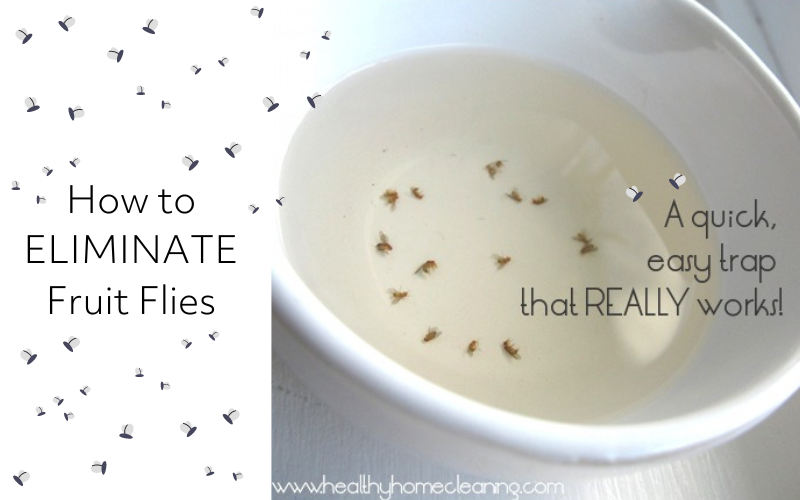
Image Source: healthyhomecleaning.com
Deciphering the Gnat Invasion: What Are These Kitchen Pests?
The tiny, annoying insects buzzing around your fruit bowl or hovering over your sink are most likely fungus gnats or fruit flies. While they might look similar, knowing which you’re dealing with can help tailor your approach.
Fungus Gnats vs. Fruit Flies: Spotting the Difference
- Fungus Gnats: These are typically dark brown or black and have long legs and antennae. They are often found near houseplants or areas with damp soil, as their larvae feed on fungi and organic matter in moist environments. They are attracted to decomposing organic material.
- Fruit Flies: These are smaller and often have reddish-brown eyes. They are usually found around ripe or overripe fruits and vegetables, garbage cans, and drains where organic matter collects. They are drawn to the fermentation process.
This article will cover general gnat control strategies that work for both, but recognizing the specific culprit can be a key step in gnat control.
The Root of the Problem: Locating the Gnat Breeding Grounds
Before you can effectively get rid of gnats, you need to discover where they are coming from. Gnats are attracted to moisture and decaying organic matter. Identifying these hotspots is crucial for lasting gnat control.
Common Kitchen Gnat Havens
- Overripe Produce: Left-out fruit on the counter or forgotten vegetables in the crisper drawer are prime breeding spots.
- Garbage Cans: Even a small amount of residue at the bottom of your bin can be an attraction.
- Drains: Kitchen sinks, disposals, and even bathroom drains can harbor organic buildup that attracts drain flies and other gnat varieties.
- Damp Sponges and Mops: Leftover food particles on cleaning supplies can become a food source.
- Spilled Liquids: Sticky residues from juice, soda, or wine under appliances or in cupboards.
- Houseplants: Overwatered soil is a common breeding ground for fungus gnats.
Eliminating the Source: A Non-Negotiable Step
Thorough cleaning is paramount. Don’t just swat at the gnats; remove what they love.
A Checklist for Gnat Source Elimination:
- Inspect all fruits and vegetables: Discard anything overripe or starting to spoil. Store remaining produce in the refrigerator.
- Empty and clean trash cans: Wash them out with soap and water regularly, especially if they’ve contained organic waste.
- Clean drains: Pour boiling water down drains to kill any eggs or larvae. You can also use a mixture of baking soda and vinegar. For persistent drain flies, a specialized drain cleaner might be necessary.
- Wash cleaning supplies: Ensure sponges, dishcloths, and mops are clean and dry.
- Wipe up spills immediately: Pay attention to hidden areas like under the toaster or microwave.
- Check houseplants: If you suspect your plants are the issue, allow the soil to dry out between waterings and consider repotting if the infestation is severe.
Effective Gnat Traps: Luring and Capturing Kitchen Pests
Once you’ve removed their food and breeding sources, you need to deal with the adult gnats. Gnat traps are an excellent way to reduce their numbers quickly.
The Classic Apple Cider Vinegar Gnat Trap
This is a favorite homemade gnat repellent and killer. Its sweet, fermented scent is irresistible to gnats.
How to Make an Apple Cider Vinegar Gnat Trap:
-
Materials:
- A small bowl or jar
- Apple cider vinegar (enough to cover the bottom of the bowl)
- A few drops of dish soap
- Plastic wrap or a paper funnel
-
Instructions:
- Pour a small amount of apple cider vinegar into the bowl.
- Add a few drops of dish soap. This breaks the surface tension of the vinegar, causing gnats to sink and drown when they land.
- Option 1 (Plastic Wrap): Cover the bowl tightly with plastic wrap. Poke a few small holes in the top with a toothpick. The gnats will be attracted by the vinegar, fly in through the holes, and get trapped inside.
- Option 2 (Paper Funnel): Roll a piece of paper into a cone shape, leaving a small opening at the bottom. Place the cone into the bowl, with the narrow end facing down into the vinegar, ensuring it doesn’t touch the liquid. The gnats will fly in but struggle to find their way out.
-
Placement: Set these traps in areas where you see the most gnat activity.
Other DIY Gnat Trap Ideas
- Wine Trap: A small amount of leftover red wine in a jar with a drop of dish soap works similarly to the apple cider vinegar trap.
- Fruit Bait Trap: Place a piece of overripe fruit in a jar, cover with plastic wrap, and poke holes.
Commercial Gnat Traps
If DIY isn’t your style, there are effective commercial options available.
- Sticky Traps: These brightly colored (often yellow) sticky cards attract gnats and trap them on contact. They are great for monitoring and controlling small populations.
- Light Traps: Some devices use UV light to attract gnats and then electrocute or trap them. These are usually more expensive but can be very effective for larger problems.
Natural Gnat Killer Strategies: Gentle Yet Effective
For those who prefer to avoid chemicals, there are several natural gnat killer methods you can employ.
Essential Oils as Natural Gnat Repellents
Certain essential oils have properties that can deter gnats.
Popular Essential Oils for Gnat Repelling:
- Peppermint: Strong scent that gnats dislike.
- Lavender: Pleasant for humans, but off-putting to many insects.
- Citronella: A well-known insect repellent.
- Eucalyptus: Has a strong aroma that can mask food attractants.
How to Use Essential Oils:
- Diffuser: Add a few drops to an essential oil diffuser in the kitchen.
- Spray: Mix a few drops with water in a spray bottle and mist around your kitchen, avoiding direct contact with food surfaces.
- Cotton Balls: Soak cotton balls in essential oil and place them in strategic locations.
Baking Soda and Vinegar for Drain Flies
As mentioned earlier, the combination of baking soda and vinegar is a potent natural gnat killer for drains.
Drain Cleaning Routine:
- Pour about half a cup of baking soda down the drain.
- Follow with half a cup of white vinegar.
- Let it fizz and sit for about 15-30 minutes.
- Flush the drain with hot or boiling water.
This can help break down organic matter that drain flies are attracted to.
When to Consider Gnat Spray: Targeted Solutions
While natural methods are often preferred, sometimes a gnat spray is necessary to quickly address a severe gnat infestation.
Choosing the Right Gnat Spray
- Insecticides: Look for sprays specifically labeled for gnats or flying insects. Read the labels carefully and follow all safety instructions.
- Natural Sprays: Some products use natural ingredients like pyrethrin (derived from chrysanthemums) that are effective but still require careful use.
Safe Usage of Gnat Sprays:
- Ventilation: Always ensure good ventilation when using any type of spray. Open windows and turn on exhaust fans.
- Food Safety: Never spray directly on food preparation surfaces or food items. Remove all food and dishes from the area before spraying.
- Pets and Children: Keep pets and children out of the sprayed area until it is safe to return (check product instructions).
- Targeted Application: Aim the spray directly at flying gnats or areas where they tend to congregate.
Long-Term Gnat Control: Preventing Future Infestations
Getting rid of gnats is one thing; keeping them away is another. Implement these strategies to prevent a recurring gnat infestation.
Proactive Kitchen Hygiene
- Frequent Cleaning: Make a habit of wiping down counters, stovetops, and sinks daily.
- Regular Trash Removal: Empty your kitchen trash can daily, especially if it contains food scraps.
- Produce Management: Don’t leave ripe fruit out for extended periods. Store produce properly.
- Drain Maintenance: Regularly clean your drains with boiling water or a baking soda/vinegar mixture.
- Moisture Control: Fix any leaky faucets or pipes. Ensure your sink area dries out between uses.
Sealing Entry Points
Inspect your kitchen for any small gaps or cracks where gnats might enter from outside or from other parts of your home. Seal these with caulk or sealant.
Using Fans
A simple oscillating fan can make a big difference. Gnats are weak flyers, and the airflow from a fan makes it difficult for them to land or fly around your kitchen.
Addressing Specific Gnat Types: Fruit Flies and Drain Flies
While many methods overlap, sometimes you need to focus on the specific type of kitchen pests you’re dealing with.
Tackling Fruit Flies
Fruit flies are notoriously drawn to fermenting sugars.
- Key Focus: Overripe fruit, spilled drinks, and moist organic matter in trash cans.
- Best Traps: Apple cider vinegar traps are exceptionally effective for fruit flies.
- Prevention: Store fruits and vegetables properly, and clean up any spills promptly.
Dealing with Drain Flies
These fuzzy-looking flies are often found near sinks and drains.
- Key Focus: Organic buildup within drain pipes.
- Best Methods: Boiling water, baking soda and vinegar treatments, and specialized drain cleaners. Ensure you also clean around the drain opening and faucet bases where moisture can collect.
- Prevention: Regular drain cleaning is crucial. Avoid letting food particles go down the drain.
A Gnat Control Plan: Step-by-Step Solution
Here’s a summary of how to tackle your gnat problem efficiently.
Phase 1: Elimination and Cleaning
- Identify and Remove: Find and discard all sources of attraction like overripe fruit, dirty dishes, and overflowing trash.
- Deep Clean: Thoroughly clean all kitchen surfaces, including countertops, sink, stove, and floors. Don’t forget under appliances.
- Drain Treatment: Clean all kitchen drains with boiling water and/or a baking soda and vinegar solution.
Phase 2: Trapping and Reduction
- Deploy Traps: Set up your chosen gnat traps (apple cider vinegar, sticky traps) in areas with high gnat activity.
- Spray (If Necessary): Use a targeted gnat spray if the infestation is severe, following all safety precautions.
Phase 3: Prevention
- Maintain Hygiene: Continue with regular cleaning and trash disposal.
- Store Produce: Refrigerate ripe fruits and vegetables.
- Drain Care: Keep drains clean and dry.
- Monitor: Keep an eye out for any returning gnats and address them immediately.
Frequently Asked Questions About Kitchen Gnats
Q1: How long does it take to get rid of gnats?
A: With consistent effort in cleaning and trapping, you can significantly reduce gnat populations within a few days. However, complete elimination might take a week or more, depending on the severity of the gnat infestation.
Q2: Can gnats bite?
A: No, gnats are not known to bite humans. They are primarily attracted to decaying organic matter and moisture. Their presence is more of a nuisance than a health hazard.
Q3: Are fruit flies and gnats the same thing?
A: While often used interchangeably, they are usually distinct. Fruit flies are drawn to fermenting fruit, while fungus gnats prefer moist soil and fungi. Both are common kitchen pests.
Q4: What is the best natural way to kill gnats?
A: The apple cider vinegar gnat trap is one of the most effective natural gnat killer methods. Essential oil sprays and the baking soda/vinegar drain treatment are also good natural options.
Q5: My drains keep having gnats. What can I do?
A: You likely have drain flies. Regularly clean your drains with boiling water and a baking soda and vinegar mixture. Ensure no organic matter is allowed to accumulate. If the problem persists, consider a specialized drain cleaner or calling a pest control professional.
Q6: Can I use a homemade gnat repellent on plants?
A: For houseplants, you can try letting the soil dry out between waterings or using a diluted solution of neem oil or insecticidal soap. Avoid essential oils directly on plant leaves unless you are sure they are safe for that specific plant.
By following these steps and staying vigilant with your cleaning routines, you can effectively banish gnats from your kitchen and enjoy a pest-free environment.