
Are you wondering how to get rid of gnats in your kitchen? Dealing with tiny flying insects can be frustrating, but there are effective ways to tackle them. This guide will walk you through the best methods, from DIY solutions to commercial products, to ensure your kitchen is gnat-free.
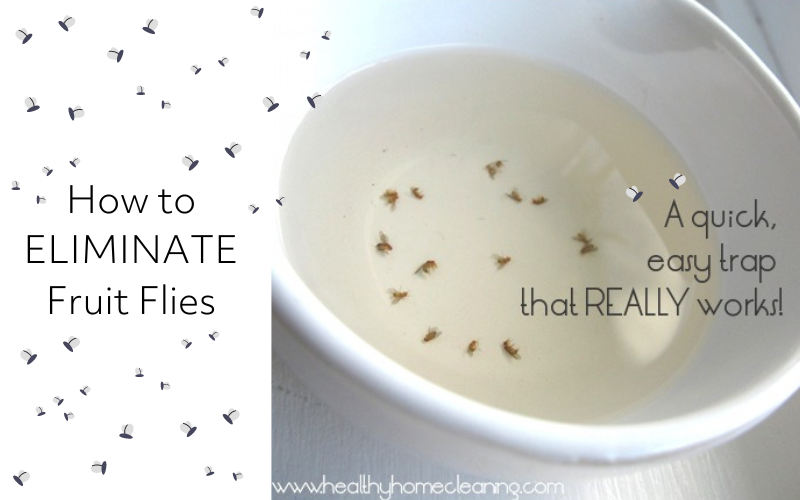
Image Source: healthyhomecleaning.com
The Gnat Problem: Identifying and Eliminating Them
Gnats are small, annoying flying insects that often invade kitchens. They are attracted to moisture, decaying organic matter, and ripe fruit. The most common types found in kitchens are fruit flies and fungus gnats. Fruit flies are typically brown and hover around overripe fruit, garbage, and drains. Fungus gnats are darker and smaller, often found near houseplants or damp areas. Getting rid of them requires a multi-pronged approach that addresses both the existing adult gnats and their breeding sources.
Why Gnats Invade Your Kitchen
Several factors contribute to a gnat infestation in your kitchen. Recognizing these causes is the first step to effective control.
Common Gnat Attraction Points:
- Overripe Fruit and Vegetables: Left out on counters or forgotten in the fruit bowl.
- Damp Areas: Sponges, dishcloths, sink drains, and even potted plants can harbor moisture.
- Garbage and Compost Bins: Especially those containing food scraps that are not sealed properly.
- Dirty Dishes: Left in the sink or dishwasher for extended periods.
- Spills and Residues: Sticky residues from juice, soda, or alcohol can attract gnats.
Recognizing a Gnat Infestation
A few gnats buzzing around might be a minor nuisance, but a true gnat infestation is characterized by a constant presence of these insects. You’ll see them flying around food, light fixtures, and windows. They may also appear to be coming from specific areas like your sink drain or houseplants.
What is a Gnat?
Gnats are small, winged insects belonging to several different orders, most commonly Diptera (true flies). While “gnat” is a general term, in the kitchen context, it usually refers to small flies like fruit flies, drain flies, or fungus gnats, each with slightly different habits and preferences.
Can I Get Rid of Gnats Permanently?
Yes, you can get rid of gnats permanently by consistently eliminating their food sources and breeding grounds, and by actively trapping or killing adult gnats. It requires diligence and a systematic approach.
Who is Most Affected by Gnats?
Anyone with a kitchen can experience gnats, but households with frequent fruit consumption, composting, or indoor plants are more susceptible. People who are sensitive to flying insects or concerned about hygiene may find them particularly bothersome.
Your Gnat Eradication Strategy: A Step-by-Step Guide
To effectively get rid of flying insects like gnats, you need a comprehensive plan. This involves cleaning, trapping, and prevention.
Step 1: Eliminate Food Sources and Breeding Grounds
This is the most crucial step. If gnats have nothing to eat or breed in, they will eventually die off.
Kitchen Hygiene Deep Dive:
- Fruit and Vegetable Management:
- Store ripe fruit in the refrigerator.
- Discard any overripe or damaged produce immediately.
- Wash fruits and vegetables as soon as you bring them home to remove potential gnat eggs or larvae.
- Garbage and Compost Management:
- Empty trash cans and compost bins regularly, ideally daily.
- Ensure lids are tightly sealed.
- Rinse out bins periodically to remove residue.
- Consider keeping an outdoor compost bin if possible.
- Dishwashing Discipline:
- Do not leave dirty dishes in the sink. Wash them promptly or place them in a running dishwasher.
- Clean out the sink drain.
Step 2: Tackle Sink Drain Gnats
Sink drain gnats (often drain flies) thrive in the organic slime that accumulates in drains.
Cleaning Your Drains:
- Boiling Water: Pour a pot of boiling water down the drain. This can kill some eggs and larvae.
- Baking Soda and Vinegar: Pour ½ cup of baking soda down the drain, followed by ½ cup of white vinegar. Let it fizz for 15-30 minutes, then flush with hot water.
- Enzyme Cleaners: Use a drain cleaner specifically designed to break down organic matter. These are often more effective than harsh chemicals and are safer for pipes.
- Physical Cleaning: Use a stiff brush or a drain snake to physically scrub away any buildup in the drainpipe.
Step 3: Address Houseplant Gnats
If you notice gnats hovering around your plants, these are likely fungus gnats.
Managing Houseplant Gnats:
- Avoid Overwatering: Fungus gnats lay eggs in moist soil. Allow the top inch or two of soil to dry out between waterings.
- Improve Drainage: Ensure your pots have drainage holes and use well-draining potting mix.
- Bottom Watering: Water plants from the bottom to keep the top layer of soil drier.
- Sand Layer: Apply a ½-inch layer of horticultural sand on top of the soil. This creates a barrier that makes it difficult for gnats to lay eggs.
- Sticky Traps: Place yellow sticky traps near your houseplants. The gnats are attracted to the yellow color and get stuck.
Step 4: Deploy Gnat Traps and Killers
While cleaning is paramount, you’ll also need to deal with the adult gnats currently flying around.
Effective Gnat Traps:
- Apple Cider Vinegar Trap: This is a classic and highly effective apple cider vinegar trap.
- How to Make It: Pour about an inch of apple cider vinegar into a jar or bowl. Add a drop or two of dish soap. The dish soap breaks the surface tension, causing gnats to sink and drown. Cover the opening with plastic wrap and poke a few small holes in it. Gnats will fly in but have trouble getting out.
- Placement: Place these traps in areas where you see the most gnats.
- Fruit Fly Killer: While often called a fruit fly killer, this method works for most kitchen gnats attracted to sweet odors.
- Other Bait Options: Besides apple cider vinegar, you can also use a small amount of wine, beer, or even a piece of ripe fruit as bait.
- Commercial Gnat Traps:
- Sticky Traps: Available in various colors (yellow and blue are common), these traps attract and capture gnats on a sticky surface.
- Electric Fly Zappers: Small, indoor-safe versions can be effective for larger populations.
- Specialized Gnat Killers: Some products are formulated specifically to attract and kill gnats.
Step 5: Natural Gnat Repellent and DIY Solutions
For those who prefer natural methods, several options exist.
Natural Gnat Repellent:
- Essential Oils: Certain essential oils can repel gnats. Peppermint, eucalyptus, citronella, and lavender are known for their insect-repelling properties.
- DIY Gnat Spray: Mix a few drops of your chosen essential oil with water in a spray bottle. You can also add a small amount of rubbing alcohol or witch hazel to help the oil disperse. Spray around windows, doors, and surfaces where gnats are seen.
- Herbs: Planting basil, rosemary, or mint in your kitchen can also help deter gnats.
- Cinnamon: Some people find that sprinkling cinnamon around problem areas can deter gnats.
DIY Gnat Spray:
A simple DIY gnat spray can be made with:
* 1 cup water
* 1 tablespoon dish soap
* (Optional) A few drops of peppermint or eucalyptus essential oil
Mix these ingredients in a spray bottle and use it to mist gnats directly. The soap breaks down their outer layer, causing dehydration.
Advanced Kitchen Insect Control: When to Escalate
If simple methods aren’t enough, it’s time for more robust kitchen insect control.
Identifying the Source of a Gnat Infestation
Sometimes, a persistent gnat infestation points to a hidden problem.
Hidden Gnat Havens:
- Cracks and Crevices: Check around windows, doors, and baseboards for potential entry points or hidden moisture.
- Appliance Leaks: Inspect under sinks, behind refrigerators, and around dishwashers for any minor leaks or dampness.
- Forgotten Food: Look in pantries, cabinets, and even behind appliances for forgotten food items that might have spoiled.
- Pet Food Areas: Damp pet food or water bowls can also attract gnats.
Professional Help
If you’ve tried everything and the gnats persist, it might be time to call a pest control professional. They can identify specific species and implement more targeted treatments.
Preventing Future Gnat Problems
Once you’ve successfully eradicated gnats, prevention is key to keeping them away.
Ongoing Prevention Strategies:
- Regular Cleaning: Maintain a consistent cleaning schedule for your kitchen, focusing on potential gnat attractants.
- Proper Food Storage: Always store fruits and vegetables correctly, refrigerating ripe items.
- Seal Entry Points: Seal any cracks or holes in screens, windows, and doors to prevent outdoor gnats from entering.
- Ventilation: Ensure good ventilation in the kitchen to reduce humidity.
- Immediate Spill Cleanup: Wipe up spills and crumbs as soon as they happen.
Frequently Asked Questions About Kitchen Gnats
Here are some common questions about dealing with gnats in the kitchen.
How long does it take to get rid of gnats?
The time it takes to get rid of gnats varies depending on the severity of the infestation and the methods used. It can take anywhere from a few days to a couple of weeks of consistent effort to eliminate them completely.
What is the fastest way to kill gnats?
The fastest way to kill adult gnats is by directly spraying them with a DIY gnat spray (water and dish soap) or a commercial insecticide. However, to get rid of gnats for good, you must also eliminate their breeding sources.
Are kitchen gnats dangerous?
Kitchen gnats are generally not dangerous to humans or pets. They do not bite and do not typically transmit diseases. Their presence is more of a nuisance and a sign of potential unsanitary conditions.
Why are gnats attracted to my sink drain?
Gnats are attracted to sink drains because the buildup of organic matter and moisture within the drain provides an ideal breeding ground and food source for them.
Can gnats come from my houseplants?
Yes, gnats commonly found in kitchens, particularly fungus gnats, originate from the soil of houseplants that are consistently kept too moist.
What is the difference between fruit flies and gnats?
While both are small flying insects often found in kitchens, “gnat” is a broader term. Fruit flies are a specific type of gnat known for their attraction to fermenting fruits and vegetables. Other kitchen gnats can include drain flies and fungus gnats, which have different breeding preferences.
By following these detailed steps and understanding the habits of these persistent pests, you can effectively reclaim your kitchen and say goodbye to gnats for good.