
Can you fit a kitchen sink yourself? Yes, with the right tools, clear instructions, and a bit of patience, fitting a kitchen sink is a manageable DIY project. This guide will walk you through every step of kitchen sink installation, from choosing the right sink to making the final connections.
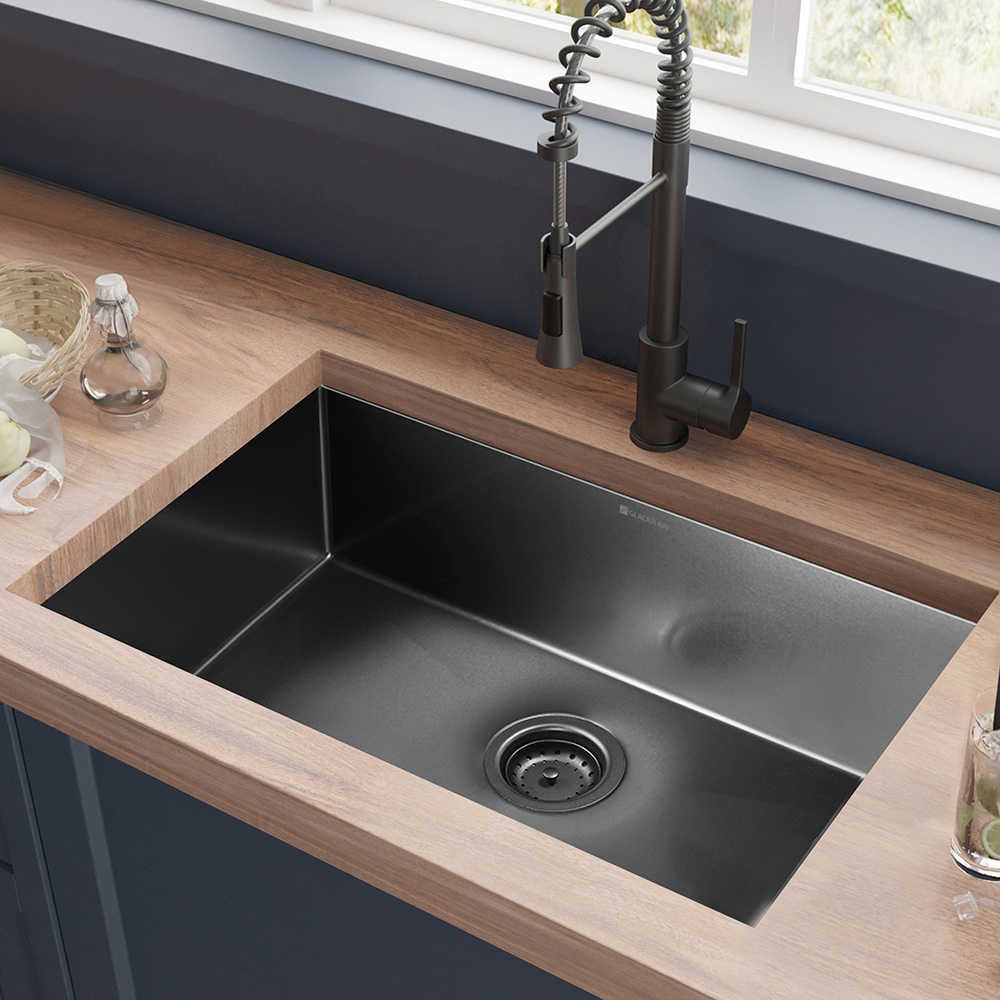
Image Source: contentgrid.homedepot-static.com
Preparing for Your Kitchen Sink Installation
Before you dive into the actual kitchen sink installation, thorough preparation is key to a smooth and successful job. This involves selecting the right sink for your needs and space, gathering all necessary tools and materials, and ensuring your existing plumbing is ready for the upgrade.
Choosing the Right Kitchen Sink
Your kitchen sink is a focal point of your kitchen, so picking the right one is crucial. Consider the following:
- Sink Type:
- Top Mount (Drop-In): These are the easiest to install. They have a rim that sits on top of the countertop. They are generally more affordable and don’t require precise undermount sink fitting skills.
- Undermount: These are fitted beneath the countertop, offering a seamless look and making cleanup easier. Undermount sink fitting requires a flush mount and often a stronger adhesive or clips.
- Farmhouse/Apron Front: These sinks have a distinctive front panel that extends over the cabinet. They often require custom cabinet modifications.
- Integral: The sink and countertop are made from the same material, creating a very sleek, modern look.
- Material:
- Stainless Steel: Durable, hygienic, and relatively affordable. Can be prone to scratches and water spots.
- Composite Granite/Quartz: Very durable, resistant to scratches and stains, and available in various colors. Can be heavier and more expensive.
- Fireclay/Porcelain: Classic look, durable, and resistant to stains. Can chip if heavy objects are dropped.
- Cast Iron (Enamel Coated): Extremely durable and heavy, with a classic, solid feel. Can be prone to chipping if the enamel is damaged.
- Size and Configuration: Measure your existing countertop cutout carefully. Consider the number of bowls (single, double, or even triple) and any special features like integrated drainboards.
- Faucet Compatibility: Ensure the sink has the correct number and placement of holes for your chosen faucet.
Essential Tools and Materials
Having all your tools and materials ready before you start DIY kitchen sink work will save you time and frustration.
Tools:
- Adjustable wrenches
- Pipe wrenches (two are helpful)
- Plumber’s putty or silicone sealant (check sink manufacturer’s recommendation)
- Bucket
- Rags or old towels
- Screwdriver set
- Utility knife or putty knife
- Measuring tape
- Safety glasses
- Gloves
- Caulking gun (for sealant)
- Jigsaw (if modifying countertop)
- Drill and various drill bits
- Pencil or marker
Materials:
- Your new kitchen sink
- Sink clips or mounting hardware (often included with the sink)
- Drain assembly (strainer, tailpiece, P-trap)
- Supply lines for hot and cold water
- Shut-off valves (if replacing existing ones)
- Sealant for kitchen sink (silicone sealant is common)
- Plumber’s tape (Teflon tape)
Pre-Installation Checks
- Water Shut-Off: Locate the hot and cold water shut-off valves under the sink. If they are old, stiff, or leaky, consider replacing them with new quarter-turn ball valves. Turn them off completely.
- Drain Inspection: Examine your existing drain pipes. Ensure they are in good condition and that the connections are secure.
- Countertop Condition: Check the condition of your countertop, especially around the existing sink opening. If it’s a laminate countertop, ensure the edges are sealed to prevent water damage.
Removing the Old Kitchen Sink
Before installing your new sink, you must carefully remove the old one. This process can vary slightly depending on the type of sink and how it was installed.
Disconnecting Plumbing
- Empty the Sink: Make sure there is no water left in the sink or the trap. Place a bucket directly underneath the P-trap to catch any residual water.
- Disconnect Supply Lines: Use an adjustable wrench to loosen the nuts connecting the hot and cold water supply lines to the faucet. Have rags ready to catch any drips.
- Disconnect the Drain:
- P-Trap: This is the U-shaped pipe under the sink. Loosen the slip nuts on both ends of the P-trap using a pipe wrench. Be prepared for water to drain out.
- Tailpiece: This is the pipe connecting the sink drain to the P-trap. It may have a slip nut connection to the sink strainer.
- Sink Strainer: The part where the water drains from the sink into the pipes. You’ll likely need to unscrew a large locknut from underneath the sink to release it.
Releasing the Sink from the Countertop
The method for detaching the sink depends on its type:
- Top Mount Sinks:
- Sealant: Most top mount sinks are sealed to the countertop with plumber’s putty or silicone sealant. Use a utility knife or putty knife to carefully cut through the old sealant around the rim of the sink.
- Clips: Many top mount sinks are also secured from underneath with clips. Locate these clips (usually metal tabs that screw into the sink flange and press against the underside of the countertop). Unscrew them.
- Loosening: Once the sealant and clips are dealt with, gently try to lift the sink. If it’s still stuck, you might need to tap it gently with a rubber mallet or pry carefully with a putty knife.
- Undermount Sinks:
- Sealant and Adhesive: Undermount sinks are typically glued to the underside of the countertop. You’ll need to remove any visible sealant first. Then, you might need to loosen clips or brackets that are screwed into the countertop.
- Cutting Adhesive: For very stubborn adhesive, you might need to use a chisel or putty knife to carefully break the bond. Be extremely cautious not to damage the countertop.
Lifting Out the Old Sink
Once all connections are severed and the sink is free from the countertop, carefully lift it out. It might be heavier than you expect, especially if it contains old debris. Get help if needed.
Installing the New Kitchen Sink
With the old sink out and the area cleaned, you’re ready for the kitchen sink replacement process. This section focuses on the actual kitchen sink mounting and plumbing connections.
Preparing the Countertop Opening
- Clean the Area: Thoroughly clean the countertop around the opening, removing all old putty, sealant, and debris. A clean surface is essential for a good seal.
- Check Dimensions: Measure the opening again to ensure your new sink fits correctly. If you are switching sink types (e.g., top mount to undermount), you may need to adjust the countertop opening. This usually requires a jigsaw and careful measurement.
- Protect the Countertop: For laminate countertops, apply a bead of silicone sealant along the cut edge of the opening to protect it from moisture.
Installing the Sink Fixtures (Faucet, Strainer)
It’s often easier to install the faucet, drain strainer, and basket assembly onto the sink before you place the sink into the countertop.
- Faucet Installation:
- Follow the manufacturer’s instructions for your specific faucet.
- Typically, you’ll insert the faucet shanks through the pre-drilled holes in the sink.
- From underneath, attach gaskets, washers, and mounting nuts. Tighten them securely with a wrench, but avoid over-tightening.
- Sink Strainer and Basket Assembly:
- Apply a generous bead of plumber’s putty or sealant for kitchen sink around the underside of the strainer flange.
- Press the strainer firmly into the drain opening from the top of the sink.
- From underneath, place a rubber gasket, a fiber washer, and then a locknut onto the strainer tailpiece.
- Tighten the locknut securely with a pipe wrench or the tool provided with the strainer. Wipe away any excess plumber’s putty or sealant that squeezes out around the flange.
Mounting the Sink
The kitchen sink mounting method depends on whether you have a top mount or undermount sink.
Top Mount Sink Installation
- Apply Sealant: Apply a continuous bead of plumber’s putty or silicone sealant around the underside edge of the sink’s rim that will meet the countertop.
- Position the Sink: Carefully lower the sink into the countertop opening. Ensure it is centered and flush with the countertop.
- Secure with Clips: From underneath, attach the sink clips provided with the sink. Screw them into place so they grip the underside of the countertop, pulling the sink down tightly and creating a secure seal. Distribute the clips evenly around the sink perimeter.
- Wipe Away Excess: Clean up any excess sealant that squeezed out around the sink rim with a damp rag.
Undermount Sink Fitting
Undermount sink fitting requires more precision and often stronger adhesion.
- Prepare Underside: Ensure the underside of the countertop and the top edge of the sink are clean and dry.
- Apply Adhesive: Apply a generous bead of high-quality silicone sealant or a specialized sink adhesive around the underside of the sink’s rim. Some systems use mounting brackets that are screwed into the countertop and then secured to the sink with screws or clips.
- Position and Secure: Carefully lift the sink and press it firmly into place against the underside of the countertop. If using clips or brackets, install and tighten them according to the manufacturer’s instructions. Some undermount sinks rely solely on adhesive and require bracing to hold them in place while the adhesive cures.
- Clean Up: Wipe away any excess adhesive or sealant immediately.
Plumbing a Sink: Connecting the Drain and Water Lines
Now comes the crucial part: plumbing a sink. This involves connecting the drain assembly and water supply lines.
Connecting the Drain Assembly
- Assemble the P-Trap: Connect the P-trap to the tailpiece extending from the sink strainer. Hand-tighten the slip nuts, then use a pipe wrench to snug them up slightly (about a quarter turn past hand-tight). Ensure the washers are correctly seated.
- Connect to Wall Pipe: Connect the other end of the P-trap to the waste pipe coming out of the wall. Again, hand-tighten the slip nuts and then snug them with a pipe wrench. Make sure all connections are aligned correctly to avoid leaks.
- Test for Leaks: Once everything is connected, you’ll perform a leak test later.
Connecting the Water Supply Lines
- Attach Supply Lines: Connect the flexible water supply lines to the faucet tailpieces. Hand-tighten, then use an adjustable wrench to tighten about a half to three-quarters of a turn. Do not over-tighten, as this can damage the fittings.
- Connect to Shut-Off Valves: Connect the other ends of the supply lines to the hot and cold water shut-off valves. Again, hand-tighten and then snug with a wrench. Using two wrenches – one to hold the valve and one to turn the nut – can prevent the valve from twisting.
- Use Plumber’s Tape: For threaded connections, wrap plumber’s tape (Teflon tape) clockwise around the threads of the shut-off valve outlet before attaching the supply line. This helps create a watertight seal.
Final Checks and Testing
After completing the kitchen sink installation, it’s vital to test your work thoroughly.
Leak Testing
- Turn On Water Slowly: Turn the water supply valves back on slowly.
- Inspect Connections: Carefully check all water supply line connections for any drips or leaks.
- Fill and Drain Sink: Fill both the sink bowls (if you have a double sink) with water, then let them drain.
- Check Drain Connections: As the water drains, closely inspect all drain pipe connections (tailpiece, P-trap, and wall pipe connections) for any signs of leaks.
- Tighten if Necessary: If you find any leaks, gently tighten the offending nut a small amount. If the leak persists, you may need to disconnect the fitting, check the washer and the threads, reapply plumber’s putty or tape if needed, and reassemble.
Other Checks
- Sink Stability: Ensure the sink is firmly seated and doesn’t move when you press on it.
- Faucet Operation: Test the hot and cold water flow, as well as the sprayer if applicable.
- Drainage: Make sure water drains freely from the sink without pooling.
Frequently Asked Questions (FAQ)
Q1: How much does it cost to have a kitchen sink installed?
The cost of professional installation can range from $150 to $400, depending on your location, the complexity of the job, and whether you need to replace plumbing fixtures. Doing it yourself can save you this labor cost, but you’ll need to factor in the cost of tools and materials if you don’t already have them.
Q2: What is the best sealant for a kitchen sink?
Silicone sealant is generally recommended for its flexibility and water resistance, especially for undermount sinks. Plumber’s putty is also effective for top mount sinks and drain flanges. Always check the sink manufacturer’s recommendations.
Q3: Can I replace a kitchen sink myself?
Yes, fitting a kitchen sink is a common DIY project. With the right tools and careful adherence to instructions, most homeowners can successfully complete a kitchen sink replacement.
Q4: What’s the difference between top mount and undermount sinks?
A top mount sink has a rim that rests on the countertop, making it easier to install. An undermount sink is installed beneath the countertop, offering a cleaner look and easier cleanup, but requiring more precise fitting.
Q5: How do I know if my countertop can support an undermount sink?
Undermount sinks require countertops made of solid materials like granite, quartz, solid surface, or marble, which can withstand the weight and are designed for this type of installation. Laminate and tile countertops are not suitable for undermount sinks.
Q6: What is a sink drain fitting?
A sink drain fitting refers to the assembly that connects the sink basin to the waste pipe. This typically includes the strainer, tailpiece, and P-trap.
Q7: How tight should I make the plumbing connections?
Connections should be snug but not overly tight. Hand-tighten first, then use a wrench for an additional quarter to half turn. Over-tightening can strip threads or crack fittings, leading to leaks.
Conclusion
Fitting a kitchen sink is a rewarding project that can significantly update your kitchen. By carefully following these steps, from preparing your workspace and gathering your tools to meticulously connecting the plumbing and testing for leaks, you can achieve a professional-looking result for your DIY kitchen sink endeavor. Whether you’re performing a kitchen sink replacement or installing a brand new one, this guide provides the comprehensive information needed for a successful kitchen sink installation and confident plumbing a sink. Remember to prioritize safety and consult professional help if you encounter any difficulties or are unsure about any part of the process.