
Can you clean wooden kitchen cabinets using natural methods? Yes, you absolutely can! Many effective and safe natural cleaners can bring your wooden kitchen cabinets back to life, tackling grease, grime, and everyday wear without harsh chemicals. This guide will walk you through the best ways to clean your wood cabinets naturally, offering DIY solutions and simple techniques for a sparkling kitchen.
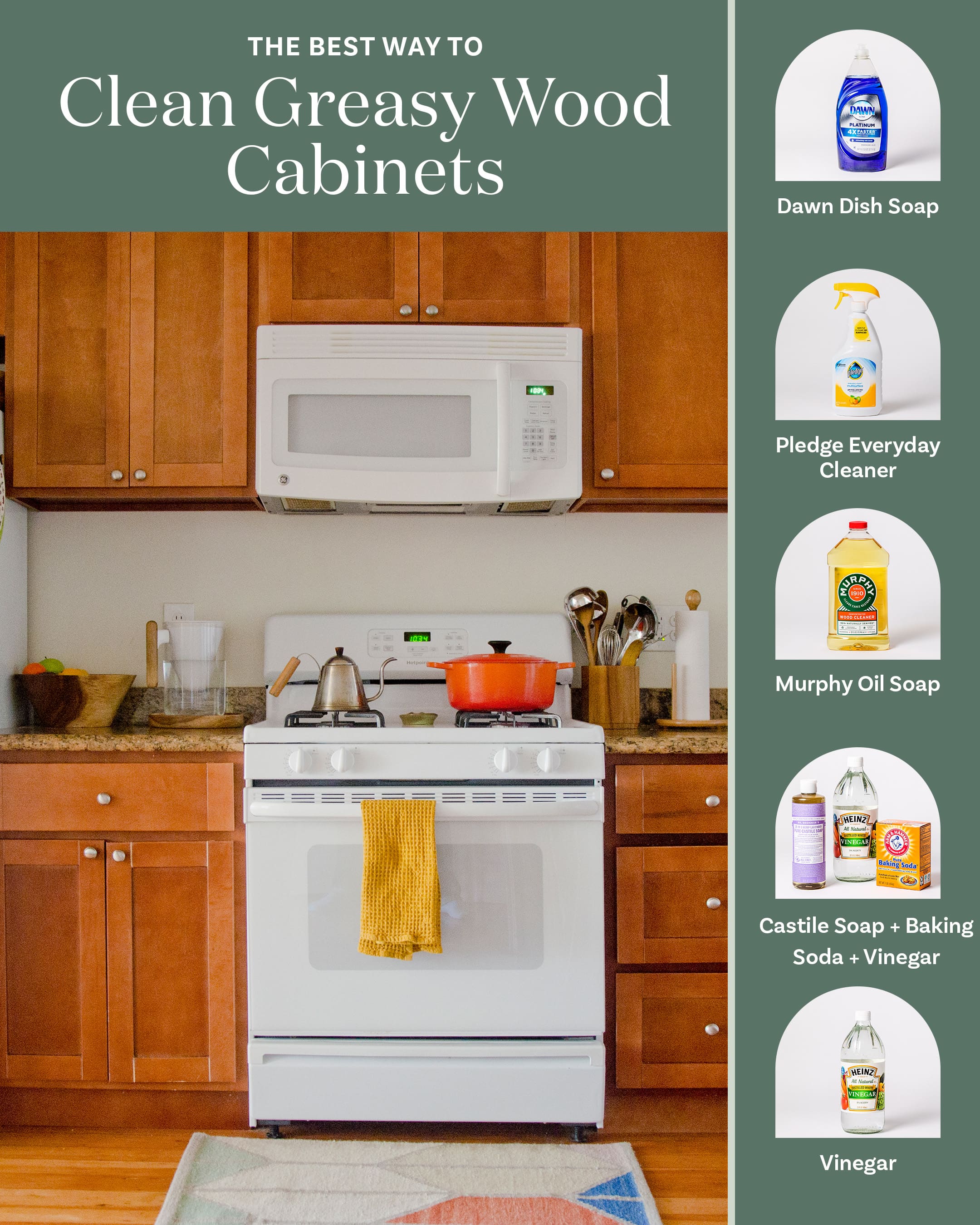
Image Source: cdn.apartmenttherapy.info
The Art of Caring for Your Wood Cabinets
Wooden kitchen cabinets are beautiful and add warmth to any home. However, they are also susceptible to spills, splatters, and the general wear and tear of a busy kitchen. Understanding how to clean and maintain them properly is key to their longevity and appearance. This guide will cover everything from tackling tough grease to keeping your cabinets looking their best with natural solutions.
What You’ll Need for Natural Cabinet Cleaning
Gathering the right supplies is the first step to a successful natural cleaning session. You don’t need a cabinet full of specialized products. Many common household items work wonders.
- Soft cloths: Microfiber cloths are excellent as they are gentle and absorbent.
- Sponges: A soft sponge is good for applying cleaners and wiping surfaces.
- Distilled water: Using distilled water prevents mineral deposits from tap water.
- White vinegar: A fantastic natural degreaser and disinfectant.
- Baking soda: A mild abrasive perfect for lifting stubborn grime.
- Olive oil or mineral oil: Great for conditioning and adding shine.
- Mild dish soap: A small amount can boost cleaning power.
- Spray bottles: For mixing and applying your homemade cleaners.
- Old toothbrush: For getting into nooks and crannies.
Natural Cleaning Solutions: DIY Wood Cabinet Cleaner Recipes
Creating your own wood cabinet cleaner is simple, cost-effective, and ensures you’re avoiding harsh chemicals. These natural wood cabinet cleaning solutions are effective for most finishes.
Gentle All-Purpose Cleaner
This is your go-to for everyday spills and light grime.
Ingredients:
- 1 cup distilled water
- 1 cup white vinegar
- Optional: 5-10 drops of essential oil (like lemon or lavender for scent)
Instructions:
- Combine distilled water and white vinegar in a spray bottle.
- If using, add essential oils.
- Shake well before each use.
How to Use: Spray lightly onto a soft cloth and wipe down the cabinet surfaces. Follow up with a dry cloth to buff.
Tackling Greasy Kitchen Cabinets Naturally
Cleaning greasy kitchen cabinets is a common challenge, especially around the stove and backsplash. Grease can build up quickly and dull the finish of your cabinets.
Degreasing Solution
This solution is more robust for cutting through stubborn grease.
Ingredients:
- 2 cups warm distilled water
- 1 tablespoon mild dish soap (like Dawn)
- 1 tablespoon baking soda
Instructions:
- In a bowl, mix the warm water, dish soap, and baking soda until the baking soda dissolves.
- Pour the mixture into a spray bottle or use it directly with a sponge.
How to Use: Apply the solution to a sponge or cloth, wring out excess moisture, and wipe the greasy areas. For tough spots, let it sit for a minute before wiping. Rinse the area with a damp cloth (just water) and dry thoroughly with a clean, soft cloth. This method is excellent for how to degrease cabinets without damaging their finish.
Restoring Wood Kitchen Cabinets: Deep Cleaning
Sometimes, cabinets need a bit more than a routine wipe-down. Restoring wood kitchen cabinets can involve tackling build-up and bringing back their natural luster.
Baking Soda Paste for Tough Spots
For stubborn, caked-on grime or sticky residues, a baking soda paste can be very effective.
Ingredients:
- Baking soda
- Water
Instructions:
- Mix baking soda with a little water to form a paste, similar to toothpaste consistency.
How to Use: Apply the paste to the affected area with a soft cloth or your finger. Gently rub the area in the direction of the wood grain. Do not scrub harshly. Wipe away the paste with a damp cloth and then dry immediately with a clean cloth.
The Best Way to Clean Wood Cabinets: A Step-by-Step Approach
The best way to clean wood cabinets involves a gentle, methodical approach that respects the wood’s finish. Here’s a comprehensive method for achieving clean, beautiful cabinets naturally.
Step 1: Preparation
- Clear the cabinets: Remove everything from the shelves and drawers you plan to clean.
- Dusting: Use a dry microfiber cloth or a soft brush attachment on your vacuum cleaner to remove loose dust and debris. This prevents you from smearing dirt around during the wet cleaning process.
Step 2: Spot Cleaning and Degreasing
- Test in an inconspicuous area: Before applying any cleaner to the entire cabinet, test it on a small, hidden spot (like the inside of a door or the underside of a shelf) to ensure it doesn’t damage or discolor the finish.
- Tackle grease: For areas with significant grease buildup (especially near the stove), use your degreasing solution. Apply with a damp cloth, working in the direction of the wood grain.
- Address spots and stains: For dried food splatters or other marks, use a damp cloth with your gentle all-purpose cleaner.
Step 3: General Cleaning
- Wipe down surfaces: Dampen a soft cloth with your chosen natural cleaner (all-purpose or degreaser, depending on the need). Wring out the cloth so it’s just damp, not dripping wet.
- Wipe in the direction of the grain: Gently wipe down each cabinet door and drawer front. Work in sections, wiping from top to bottom and side to side, always following the natural direction of the wood grain.
- Clean hardware: Use a separate cloth and a bit of your cleaner to wipe down cabinet knobs and handles. For metal hardware, be mindful of the finish.
Step 4: Rinsing and Drying
- Rinse the cabinet surfaces: Use a clean cloth dampened with plain distilled water to wipe down all the surfaces you’ve just cleaned. This removes any residue from the cleaning solution. Again, ensure the cloth is only slightly damp.
- Dry thoroughly: Immediately after rinsing, use a dry, soft cloth to wipe down all surfaces. This is crucial to prevent water spots and protect the wood finish. Buffing with a dry cloth will also help restore shine.
Maintaining Wooden Cabinets: Polishing and Protection
Regular cleaning is important, but maintaining wooden cabinets also involves occasional conditioning to keep the wood looking its best and protected.
Natural Wood Cabinet Polish
A homemade polish can add shine and protect the wood.
Ingredients:
- 1/2 cup olive oil
- 1/4 cup white vinegar or lemon juice
Instructions:
- Combine the olive oil and vinegar or lemon juice in a clean jar or bottle.
- Shake well before each use.
How to Use: Apply a small amount of the polish to a clean, soft cloth. Buff it onto the cabinet surfaces in a circular motion, following the wood grain. Allow it to sit for a few minutes, then buff off any excess with a separate, clean, dry cloth. This wood cabinet polish is excellent for restoring wood kitchen cabinets and giving them a healthy sheen.
Conditioning the Wood
Over time, wood can dry out, especially in kitchens where there’s a lot of temperature and humidity fluctuation.
- Mineral Oil: A simple application of mineral oil (food-grade, if possible) can help condition and protect the wood. Apply a thin layer with a soft cloth, let it soak in for about 15-20 minutes, and then wipe off any excess.
- Beeswax Polish: For a more durable finish, you can make a beeswax polish. Melt equal parts beeswax and mineral oil (or olive oil) in a double boiler. Stir until combined, then let it cool slightly before applying a thin coat with a cloth. Buff off excess once it sets.
Cleaning Wood Cabinets Without Harsh Chemicals
Many people prefer cleaning wood cabinets without harsh chemicals for health and environmental reasons. The methods outlined above—using vinegar, baking soda, and natural oils—achieve this perfectly. They are effective at removing grease, grime, and general dirt without the risk of damaging finishes or exposing your family to toxic fumes.
Specific Cleaning Challenges for Wood Cabinets
Let’s dive into some common issues and how to tackle them naturally.
Cleaning Greasy Kitchen Cabinets Around the Stove
The area around your stove is a hotspot for grease.
- Initial Wipe: Start with your degreasing solution (warm water, dish soap, baking soda).
- Stubborn Grease: For baked-on grease, you might need to repeat the application or let the solution sit for a bit longer. A paste of baking soda and water can also be applied to greasy spots, left for a few minutes, and then gently wiped away.
- Vinegar Power: A solution of equal parts white vinegar and water is also excellent for cutting through grease. Spray it on, let it sit for a minute, and wipe clean.
Dealing with Sticky Residue
Sticky spots from food or labels can be a nuisance.
- Baking Soda Paste: As mentioned, a paste of baking soda and water is great for lifting sticky residue. Apply gently, let it work, and then wipe away.
- Olive Oil: Sometimes, a little olive oil can help break down adhesive from labels. Apply a small amount, let it sit, and then gently rub the residue away.
Removing Water Marks
Accidental spills or condensation can leave water marks.
- Iron Method (with caution): Place a clean, dry cloth over the water mark. Gently run a warm (not hot) iron over the cloth for a few seconds. The heat and the cloth can help draw the moisture out of the wood. Test this method in an inconspicuous area first, as excessive heat can damage the finish.
- Toothpaste (non-gel): A small amount of non-gel white toothpaste applied with a soft cloth can sometimes gently buff out minor water marks. Apply, rub gently, and wipe clean.
Handling Smudges and Fingerprints
These are usually easy to manage.
- Microfiber Cloth: Often, a dry microfiber cloth is enough to wipe away everyday smudges and fingerprints.
- Gentle Cleaner: If a dry cloth doesn’t work, use your all-purpose natural cleaner sprayed lightly onto the cloth.
Things to Avoid When Cleaning Wood Cabinets
To ensure you’re maintaining wooden cabinets and not harming them, it’s vital to know what to steer clear of.
- Excessive Water: Never soak your cabinets. Too much moisture can warp the wood, damage the finish, and lead to mold growth. Always use damp, not wet, cloths.
- Harsh Chemicals: Avoid ammonia, bleach, abrasive cleaners, and all-purpose cleaners not specifically designed for wood. These can strip the finish, discolor the wood, or cause permanent damage.
- Abrasive Scrubbers: Steel wool, scouring pads, or stiff-bristled brushes will scratch and damage the wood surface and finish. Stick to soft cloths and sponges.
- Too Much Pressure: Scrubbing too hard can damage the finish. Be gentle, especially when dealing with tough spots.
- Direct Sprays: Always spray cleaners onto your cloth, not directly onto the cabinets. This gives you better control and prevents oversaturation.
- Leaving them Wet: Always dry your cabinets thoroughly after cleaning.
Cleaning Different Wood Finishes
While these natural methods are generally safe, it’s worth noting that different wood finishes might react slightly differently.
Sealed vs. Unsealed Wood
Most modern kitchen cabinets have a protective seal or finish (like lacquer, polyurethane, or varnish). These finishes are designed to protect the wood. The natural cleaners above are perfect for these sealed surfaces.
Unsealed or raw wood is less common in kitchens due to its susceptibility to staining and moisture damage. If you have unsealed wood, you’ll need to be even more careful with moisture and consider applying a protective finish or oil specifically designed for raw wood.
Oiled Finishes
If your cabinets have an oiled finish, they may require periodic re-oiling with food-grade mineral oil or a specialized wood oil to maintain their look and protection.
Putting it All Together: A Routine for Sparkling Cabinets
Consistent care is the secret to beautiful, long-lasting wooden kitchen cabinets.
Daily Quick Clean
- Wipe up spills as soon as they happen.
- Use a dry microfiber cloth to wipe down high-touch areas (like drawer pulls and cabinet fronts) to remove fingerprints.
Weekly Wipe-Down
- Use your gentle all-purpose natural cleaner on a damp cloth to wipe down all cabinet surfaces.
- Dry thoroughly with a clean cloth.
Monthly Deep Clean and Polish
- Address any greasy areas or stubborn spots with your degreaser or baking soda paste.
- After cleaning, apply your natural wood cabinet polish to condition and shine the wood.
Seasonal Conditioning
- Once or twice a year, consider a more thorough conditioning treatment with mineral oil or a beeswax polish, especially if your cabinets seem dry or dull.
Frequently Asked Questions (FAQ)
Here are answers to some common questions about cleaning wooden kitchen cabinets naturally.
Q1: What is the safest natural cleaner for wood cabinets?
A1: Distilled water and a soft microfiber cloth are the safest for light dusting and occasional smudges. For cleaning, a mixture of equal parts distilled water and white vinegar is generally considered very safe and effective for most sealed wood finishes.
Q2: Can I use olive oil to clean my wood cabinets?
A2: Yes, olive oil can be used as a gentle cleaner and for polishing. It’s particularly effective when mixed with a bit of vinegar or lemon juice to help cut through grime, and on its own, it can help condition the wood and add shine.
Q3: How do I clean greasy kitchen cabinets without damaging them?
A3: To clean greasy kitchen cabinets naturally, use a solution of warm water with a small amount of mild dish soap and a tablespoon of baking soda. Apply with a damp cloth, wipe gently, rinse with a damp cloth, and dry thoroughly. Avoid harsh scrubbing and excessive moisture.
Q4: Is vinegar bad for wood cabinets?
A4: Diluted white vinegar (usually 1:1 with water) is generally safe for most sealed wood cabinet finishes. The acidity helps cut through grease and grime effectively. However, always test in an inconspicuous area first and ensure you rinse and dry the cabinets afterward to prevent potential dulling of the finish over time. Never use undiluted vinegar.
Q5: How often should I polish my wood cabinets?
A5: You can polish your wood cabinets monthly using a natural wood cabinet polish as part of your routine cleaning. More intensive conditioning treatments with oils or waxes can be done seasonally, or whenever the wood looks or feels dry.
Q6: What’s the best way to clean cabinets with a matte finish?
A6: For matte finishes, it’s especially important to avoid anything that leaves a shine or residue. Stick to dusting with a dry microfiber cloth for daily cleaning. For tougher spots, use a very lightly damp cloth with distilled water or a highly diluted vinegar solution, and always dry immediately with a clean, dry cloth. Avoid oil-based polishes that can alter the matte appearance.
By following these natural cleaning methods and tips, you can keep your wooden kitchen cabinets looking beautiful, clean, and well-maintained for years to come. Enjoy your naturally sparkling kitchen!