
Can you use bleach on all kitchen countertops? No, bleach can damage some countertop materials like natural stone. What’s the best way to clean them? The best way depends on the material of your countertop, but generally, mild soap and water or specialized cleaners are effective. This guide will help you master kitchen cleaning tips for sparkling and safe surfaces.
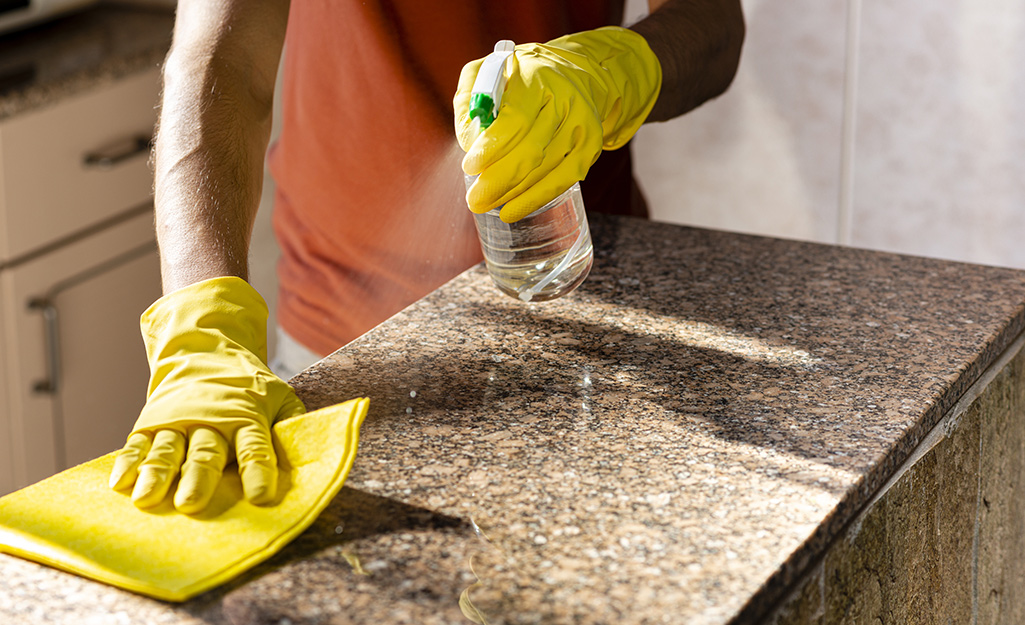
Image Source: contentgrid.homedepot-static.com
Keeping Your Kitchen Surfaces Pristine
Your kitchen countertops are the heart of your home. They’re where meals are prepared, coffee is brewed, and conversations happen. That’s why keeping them clean and hygienic is so important. Beyond just looking good, proper kitchen surface cleaning prevents the spread of germs and can even extend the life of your countertops. Whether you have granite, laminate, quartz, or butcher block, knowing the right countertop cleaning methods is key. This post will delve into effective ways to clean them, explore natural kitchen cleaners, discuss the best disinfectant for kitchen counters, how to tackle tough stains, and essential countertop maintenance. We’ll also touch on deep cleaning kitchen counters for that extra sparkle.
Material Matters: A Closer Look at Countertop Types
Before you grab any cleaner, it’s crucial to know what your countertops are made of. Different materials require different care. Using the wrong product can lead to etching, staining, or dulling.
Natural Stone (Granite, Marble, Quartzite)
- What to Use: pH-neutral cleaners are your best friend. A mild dish soap mixed with warm water is often all you need for daily cleaning. For a deeper clean or disinfection, look for cleaners specifically formulated for natural stone.
- What to Avoid: Acidic cleaners (like vinegar or lemon juice) and abrasive scrubbers can etch and dull the surface, especially marble and softer granites. Harsh chemicals can also break down the sealant, making the stone more susceptible to staining.
- Why: Natural stones are porous and can absorb liquids if not properly sealed. Acids can chemically react with the stone, causing permanent damage.
Quartz (Engineered Stone)
- What to Use: Quartz is non-porous and very durable. Mild dish soap and water work well for everyday cleaning. For tougher grime, a glass cleaner or an all-purpose cleaner is usually safe.
- What to Avoid: While very resilient, prolonged exposure to strong chemicals like oven cleaner or drain unblocker should be avoided. Also, avoid abrasive pads that could scratch the resin binder.
- Why: Quartz is made from natural quartz crystals mixed with resins and pigments. These resins can be sensitive to very harsh chemicals.
Laminate
- What to Use: Laminate is budget-friendly and easy to clean. Mild soap and water are excellent. For stubborn spots, a non-abrasive cleaner is suitable.
- What to Avoid: Avoid abrasive cleaners or scouring pads, as they can scratch the surface. Also, avoid allowing standing water, as it can seep into seams and cause damage.
- Why: The decorative layer on laminate can be scratched or dulled by harsh treatments.
Solid Surface (Corian, etc.)
- What to Use: These are generally easy to clean with mild dish soap and water. Mild abrasive cleaners can be used for tougher stains, as the color goes all the way through.
- What to Avoid: Avoid strong solvents like acetone or paint thinner, which can damage the surface.
- Why: While durable, aggressive solvents can dissolve or dull the acrylic or polyester resins.
Butcher Block (Wood)
- What to Use: For daily cleaning, a damp cloth is often sufficient. For disinfecting, a solution of vinegar and water (1:1 ratio) can be used, but it should be wiped dry immediately. Specialty wood cleaners are also an option.
- What to Avoid: Excessive water is the enemy of wood. Never soak butcher block. Avoid harsh chemicals that can dry out or stain the wood.
- Why: Wood can warp, crack, or stain if exposed to too much moisture or harsh chemicals. Regular oiling is crucial for maintenance.
Daily Kitchen Cleaning Tips for a Healthier Home
Establishing a routine for kitchen surface cleaning can make a world of difference. Here are some simple, effective daily habits:
- Wipe Up Spills Immediately: Don’t let liquids sit, especially on porous surfaces.
- Clear Debris: Remove crumbs and food particles after each meal preparation.
- Quick Wipe Down: Use a damp cloth or a dedicated countertop spray to wipe down surfaces after use. This prevents build-up.
- Sanitize Regularly: After handling raw meat or poultry, it’s essential to sanitize the area.
Effective Countertop Cleaning Methods: From Mild to Mighty
Choosing the right method ensures your countertops look great and remain hygienic.
The Power of Mild Soap and Water
This is the safest and most universally applicable method for most countertop materials.
- Gather Supplies: You’ll need a soft cloth or sponge, warm water, and a mild dish soap.
- Prepare Solution: Mix a few drops of dish soap into a bowl of warm water.
- Wipe Down: Dip your cloth or sponge into the soapy water, wring it out well, and wipe down your countertops.
- Rinse: Use a clean, damp cloth to wipe away any soap residue.
- Dry: Buff the surface dry with a clean, soft towel to prevent water spots and streaks.
This method is perfect for daily cleaning and general maintenance. It removes most common grime and food particles effectively.
Natural Kitchen Cleaners: Gentle Yet Effective
Many natural ingredients can be surprisingly effective for cleaning and disinfecting. These are great options if you prefer to avoid harsh chemicals.
Vinegar Solution
- For: Most surfaces except natural stone (marble, granite) and unsealed wood.
- Recipe: Mix equal parts white vinegar and water in a spray bottle.
- How to Use: Spray onto the surface, let it sit for a few minutes for disinfection, then wipe clean with a damp cloth and dry thoroughly.
- Caution: The acidity can etch natural stone and damage wood finishes.
Baking Soda Paste
- For: Stubborn stains and grime on durable surfaces.
- Recipe: Mix baking soda with a little water to form a paste.
- How to Use: Apply the paste to the stained area, let it sit for 10-15 minutes, then gently scrub with a soft cloth or sponge. Rinse thoroughly and dry.
- Caution: While generally safe, test on an inconspicuous area first, especially on delicate finishes.
Lemon Juice
- For: Light cleaning and deodorizing, especially on surfaces that won’t be harmed by acid.
- How to Use: You can use diluted lemon juice (a few tablespoons in a cup of water) in a spray bottle. Spray and wipe.
- Caution: Similar to vinegar, avoid on natural stone and unsealed wood due to its acidity.
Hydrogen Peroxide (3%)
- For: Disinfecting and tackling mildew.
- How to Use: Pour 3% hydrogen peroxide directly onto a cloth and wipe down surfaces. Let it sit for a few minutes to disinfect, then rinse and dry.
- Caution: It can have a mild bleaching effect on some materials, so test first. Avoid mixing with vinegar.
These DIY kitchen cleaning solutions offer a cost-effective and environmentally friendly way to keep your kitchen clean.
Choosing the Best Disinfectant for Kitchen Counters
When it comes to killing germs, especially after preparing raw meats, a good disinfectant is essential.
-
For Most Surfaces (Excluding Natural Stone):
- Bleach Solution: A solution of 1 tablespoon of bleach per gallon of water is a powerful disinfectant. Apply with a cloth, let sit for at least 5 minutes, then rinse thoroughly with water and dry. Never mix bleach with ammonia or other cleaners.
- Commercial Disinfectant Sprays: Many household disinfectants are effective. Look for products that are EPA-approved and safe for kitchen surfaces. Always follow the instructions on the label, particularly regarding contact time (how long the surface needs to stay wet to kill germs).
- Hydrogen Peroxide: As mentioned, 3% hydrogen peroxide is a good disinfectant.
-
For Natural Stone:
- Specific Stone Cleaners: These are formulated to disinfect without damaging the stone or its sealant.
- Mild Soap and Water: For most day-to-day disinfection needs, a thorough cleaning with mild soap and water, followed by drying, can be sufficient if done regularly.
Always ensure the disinfectant is appropriate for your countertop material and follow the manufacturer’s instructions carefully. Proper kitchen hygiene is paramount.
Removing Stains from Countertops: Tackling the Tough Stuff
Stains happen, but with the right approach, most can be removed.
General Stain Removal Techniques
- Identify the Stain: Is it oil-based, water-based, or something else? This helps determine the best removal method.
- Act Quickly: The sooner you treat a stain, the easier it will be to remove.
- Test First: Always test any cleaning solution or method on an inconspicuous area of your countertop before applying it to the stain.
Specific Stain Treatments by Type
-
Oil-Based Stains (Grease, Cooking Oil):
- Method: For granite, marble, and quartz, create a poultice. Mix baking soda with water to form a thick paste. Apply the paste to the stain, cover it with plastic wrap, and tape the edges. Let it sit for 24-48 hours. The baking soda will absorb the oil. Remove the plastic, scrape off the dried paste, and wipe clean. Repeat if necessary.
- For Laminate/Solid Surface: A degreasing dish soap applied directly to the stain and gently scrubbed with a soft cloth might work. Rinse and dry.
-
Water Spots and Rings:
- Method: For stone, a gentle polish with a soft cloth might suffice. For laminate, a non-abrasive cleaner or a paste of baking soda and water can help. For wood, a very fine steel wool (0000 grade) can sometimes buff out minor marks, followed by re-oiling.
-
Coffee/Tea Stains:
- Method: For most surfaces, a mild dish soap and water is the first step. If the stain persists, try a paste of baking soda and water. For resilient surfaces, a diluted bleach solution or a specialized stone cleaner might be needed.
-
Food Stains (Berries, Wine):
- Method: For light-colored countertops, a paste of hydrogen peroxide and baking soda can be effective. For darker surfaces, try a paste of baking soda and water. Rinse and dry thoroughly.
Poultice for Deep Cleaning Stone
A poultice is an absorbent material mixed with a cleaning agent to draw out stains from porous surfaces like natural stone.
- Ingredients:
- Absorbent material: Baking soda, diatomaceous earth, or kaolin clay.
- Cleaning agent: Water, hydrogen peroxide (for organic stains), or a specialized stone cleaner.
- Preparation: Mix the absorbent material with the cleaning agent to create a thick paste, like peanut butter.
- Application: Spread the paste evenly over the stain, about 1/4 to 1/2 inch thick. Cover with plastic wrap and tape down the edges. Let it dry completely (usually 24-48 hours). As it dries, it draws the stain out of the stone.
- Removal: Once dry, carefully remove the plastic and scrape away the dried poultice with a plastic scraper. Rinse the area with clean water and dry.
This method is an excellent way of deep cleaning kitchen counters when facing stubborn, ingrained stains.
Countertop Maintenance: Keeping Them in Top Shape
Consistent maintenance is the best way to prevent damage and keep your countertops looking their best.
Sealing Natural Stone
- Why: Sealant protects natural stone from staining by preventing liquids from penetrating the pores.
- How Often: This depends on the type of stone and the sealant used, but typically every 1-3 years. A simple water test can tell you if it’s time: sprinkle some water on the surface. If it beads up, the sealant is good. If it darkens the stone or soaks in, it’s time to reseal.
- Process: Clean the countertops thoroughly and allow them to dry completely. Apply a quality stone sealant according to the product’s instructions. Wipe away any excess before it dries.
Oiling Butcher Block
- Why: Oiling prevents wood from drying out, cracking, and absorbing moisture.
- What to Use: Food-grade mineral oil or specialized butcher block oil.
- How Often: Monthly is a good general guideline, or whenever the wood looks dry.
- Process: Apply a generous amount of oil to the wood surface. Let it soak in for at least 15-30 minutes, or even overnight for a deep treatment. Wipe away any excess oil with a clean cloth.
Avoiding Damage
- Use Trivets and Hot Pads: Never place hot pots or pans directly on any countertop, especially laminate, solid surface, and some natural stones.
- Use Cutting Boards: Always use a cutting board for chopping and dicing. Avoid cutting directly on your countertops, as even the hardest materials can be scratched or chipped over time.
- Be Gentle with Edges: The edges of countertops can be more susceptible to chipping. Be careful when moving heavy items or dropping things near the edge.
- Clean Up Acidic Spills Promptly: Even on quartz and laminate, prolonged contact with acidic substances can dull the finish.
Deep Cleaning Kitchen Counters: The Ultimate Refresh
Once in a while, your countertops might need a more thorough cleaning to remove built-up residue or lingering grime. This is where deep cleaning kitchen counters comes in.
- Step 1: Clear Everything: Remove all items from your countertops – appliances, canisters, fruit bowls, everything.
- Step 2: Dry Wipe: Brush or wipe away all loose crumbs and debris.
- Step 3: Choose Your Cleaner: Select a cleaner appropriate for your countertop material (mild soap and water, natural cleaner, or specialized cleaner).
- Step 4: Thorough Scrubbing: Use a soft cloth or sponge and work in sections. For stubborn areas, let the cleaner sit for a few minutes. For very tough grime, a non-abrasive scrub brush might be used on resilient surfaces.
- Step 5: Rinse and Repeat: Rinse the surface thoroughly with a clean, damp cloth to remove all cleaning solution residue. For heavily soiled areas, you might need to repeat the scrubbing and rinsing process.
- Step 6: Sanitize (If Needed): If you’re focused on hygiene, apply your chosen disinfectant and follow its contact time instructions.
- Step 7: Dry and Buff: Dry the countertops completely with a clean, soft towel. Buffing can help restore shine and prevent water spots.
Deep cleaning ensures that no grime is left behind, leaving your kitchen surfaces truly pristine.
Table: Quick Guide to Countertop Cleaning and Maintenance
| Countertop Material | Daily Cleaning | Stain Removal | Disinfecting | Maintenance | What to Avoid |
|---|---|---|---|---|---|
| Granite | Mild soap & water, dry cloth | Baking soda paste, poultice | Stone-specific disinfectant, 3% hydrogen peroxide (test first) | Reseal every 1-3 years | Acidic cleaners, abrasive pads, harsh chemicals |
| Marble | Mild soap & water, dry cloth | Baking soda paste, poultice (for specific stains) | Stone-specific disinfectant, 3% hydrogen peroxide (test first) | Reseal frequently (often yearly) as it’s very porous | Acids (vinegar, lemon), abrasive cleaners, bleach, oil-based cleaners |
| Quartz | Mild soap & water, glass cleaner | Non-abrasive cleaner, baking soda paste | Mild soap & water, glass cleaner, specialized disinfectant | None required beyond regular cleaning | Harsh chemicals (oven cleaner, drain cleaner), abrasive pads, extreme heat |
| Laminate | Mild soap & water | Non-abrasive cleaner, baking soda paste | Mild soap & water, diluted bleach (if manufacturer allows), disinfectant sprays | Clean spills promptly, avoid standing water | Abrasive cleaners, scouring pads, harsh chemicals, knives |
| Solid Surface | Mild soap & water | Mild abrasive cleaners, baking soda paste | Mild soap & water, disinfectant sprays | Buff out minor scratches with fine-grit sandpaper/pad | Strong solvents (acetone), abrasive cleaners, extreme heat |
| Butcher Block | Damp cloth | Baking soda paste, light sanding (for deep marks) | 1:1 Vinegar/water (wipe dry immediately), specialized wood cleaner | Oil monthly with food-grade mineral oil | Excessive water, harsh chemicals, knives, direct heat |
This table provides a handy reference for your kitchen cleaning needs.
Frequently Asked Questions (FAQ)
Q1: Can I use an all-purpose cleaner on my countertops?
A1: It depends on the cleaner and your countertop material. Many all-purpose cleaners are safe for laminate and quartz. However, for natural stone like granite and marble, it’s best to stick to pH-neutral cleaners or those specifically designed for stone. Always check the product label and test in an inconspicuous area if unsure.
Q2: How do I get rid of soap scum on my countertops?
A2: For most surfaces, a paste of baking soda and water can help lift soap scum. Let it sit for a few minutes, then gently scrub with a soft cloth or sponge. Rinse thoroughly. For stubborn build-up on resilient surfaces, a mild degreaser might be necessary.
Q3: Is it safe to use disinfecting wipes on all kitchen counters?
A3: Disinfecting wipes can be convenient, but they often contain alcohol or other chemicals that could potentially damage certain countertop materials over time, especially natural stone. It’s best to use them sparingly or opt for a liquid disinfectant applied with a cloth, ensuring it’s safe for your specific countertop type.
Q4: My granite countertops look dull. What can I do?
A4: Dullness in granite can be due to a few things: a worn-out sealant, soap residue build-up, or etching from acidic substances.
* Sealant: Test your sealant. If it’s not repelling water, it’s time to reseal.
* Residue: Try a deep clean with mild soap and water, rinsing very thoroughly.
* Etching: Minor etching might be buffed out with a granite polishing compound, but significant etching often requires professional restoration.
Q5: What is the best way to maintain my butcher block countertops?
A5: Regular oiling is key. Apply a food-grade mineral oil or butcher block conditioner monthly, or whenever the wood appears dry. This replenishes the oil, preventing drying and cracking, and making it more resistant to stains and moisture. Clean spills immediately.
By following these guidelines and choosing the right products for your specific countertop material, you can ensure your kitchen surfaces remain clean, safe, and beautiful for years to come. Happy cleaning!