
Can you clean wood kitchen cabinets safely? Yes, you absolutely can! This guide will show you how to clean wood kitchen cabinets safely and naturally. We’ll cover everything from everyday spills to tougher grime, ensuring your cabinets look beautiful for years to come.
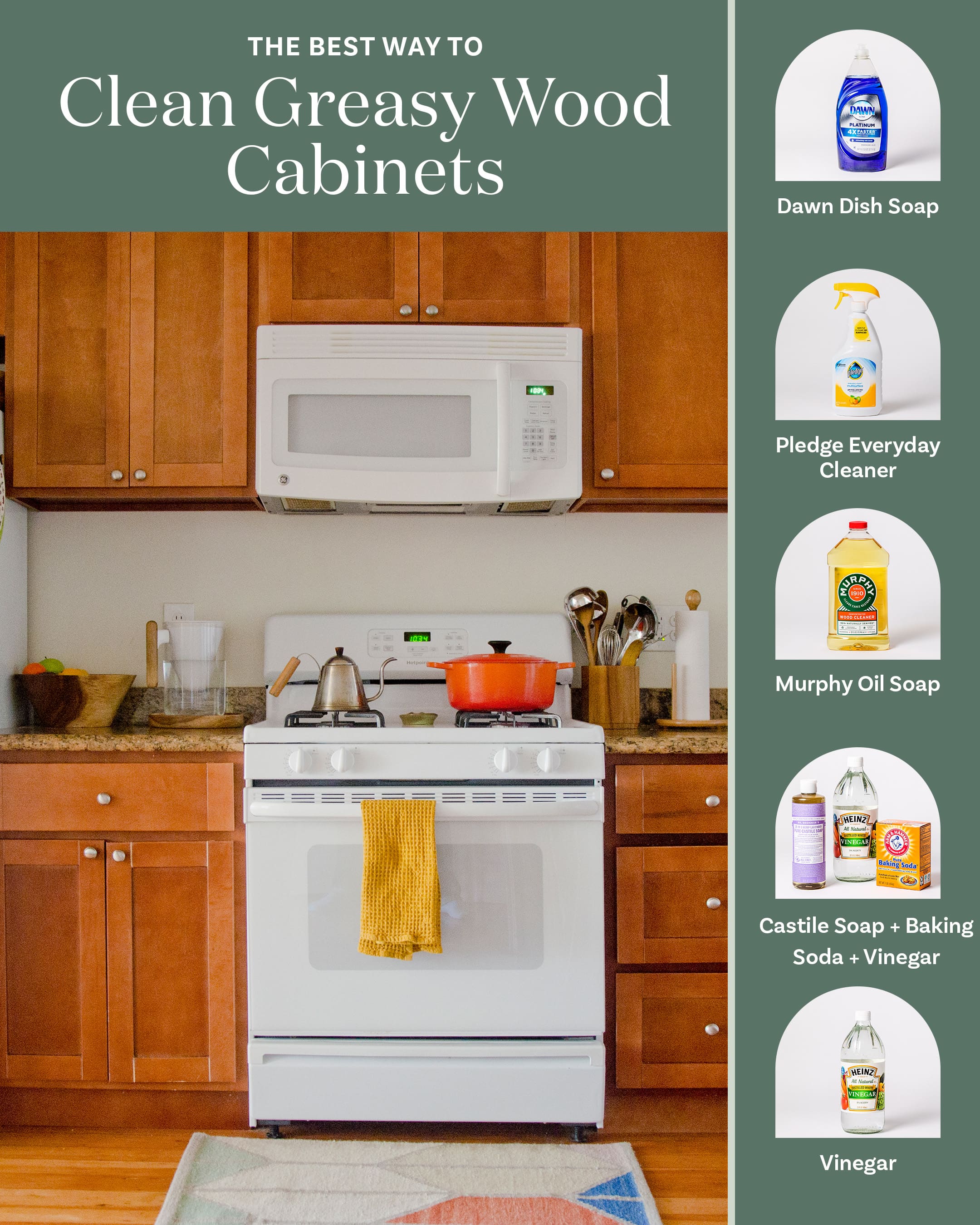
Image Source: cdn.apartmenttherapy.info
Keeping Your Kitchen Cabinets Looking Their Best
Your kitchen cabinets are more than just storage; they are a significant part of your kitchen’s overall aesthetic. Over time, grease, food splatters, and general kitchen dust can accumulate, dulling their finish and making them look worn. Knowing how to clean wood kitchen cabinets properly is key to maintaining their beauty and prolonging their lifespan. This guide focuses on safe and natural methods, avoiding harsh chemicals that can damage wood finishes.
Why Natural Cleaning is Better for Wood Cabinets
Harsh chemical cleaners, often found in commercial wood cabinet cleaners, can strip away the protective finish on your cabinets, leading to drying, cracking, and discoloration. Natural cleaning solutions, on the other hand, are gentle yet effective. They tackle grease and grime without compromising the integrity of the wood. This approach is not only safer for your cabinets but also for your family and the environment. When we talk about wood cabinet cleaning, we are aiming for a method that is both effective and preserves the natural beauty of the wood.
Preparing for Wood Cabinet Cleaning
Before you start any wood cabinet cleaning, proper preparation is essential. This ensures you have everything you need and that the process is as smooth as possible.
Gathering Your Supplies
Having the right tools makes the job much easier. For safe and natural wood cabinet cleaning, you’ll want to gather these items:
- Two clean, soft cloths: Microfiber cloths are ideal as they are absorbent and won’t scratch surfaces.
- A bucket or bowl: For mixing your cleaning solution.
- Gentle dish soap: A small amount is all you need.
- Warm water: The base for most natural cleaning solutions.
- White vinegar (optional): For tougher grease or disinfecting properties.
- Baking soda (optional): For scrubbing tougher spots.
- A soft-bristled brush or old toothbrush: For cleaning in crevices and around hardware.
- A dry cloth for buffing: To ensure a streak-free finish.
- Wood polish or wax (optional): For adding shine and protection after cleaning.
Protecting Your Kitchen Area
Protecting your surrounding kitchen surfaces is also a good idea. Lay down old towels or newspapers around the base of your cabinets to catch any drips. Remove any items from the countertops that might get in your way.
Step-by-Step Natural Wood Cabinet Cleaning
Cleaning your cabinets doesn’t have to be complicated. Follow these simple steps for effective and natural wood cabinet cleaning.
Step 1: Dusting Your Cabinets
Always start with a thorough dusting. This removes loose dirt and debris, preventing it from turning into mud when you introduce moisture.
- Use a dry microfiber cloth.
- Wipe down all cabinet surfaces, doors, and drawer fronts.
- Pay attention to the tops of cabinets, as these often collect the most dust.
Step 2: Mixing Your Natural Cleaning Solution
There are several excellent natural cleaning solutions you can create at home.
Mild Soap and Water Solution
This is your go-to for everyday cleaning and is usually sufficient for most messes.
- In your bucket or bowl, mix about 1 gallon of warm water with 1-2 teaspoons of mild dish soap.
- Stir gently to combine. You don’t want too many suds, as excess moisture can be detrimental to wood.
Vinegar and Water Solution (for tougher grease)
Vinegar is excellent at cutting through grease and also has mild disinfecting properties.
- Mix 1 part white vinegar with 2 parts warm water.
- This solution is slightly more potent, so test it on an inconspicuous area first.
Step 3: Cleaning the Cabinet Surfaces
Now it’s time to tackle the grime.
- Dampen one of your soft cloths with the cleaning solution. It should be damp, not dripping wet. Wring out the cloth thoroughly.
- Gently wipe down the cabinet doors and drawer fronts. Work in small sections.
- For areas with built-up grease or grime, you might need to go over them a few times.
- How to remove grease from wood cabinets often requires a bit more attention. If the mild soap and water solution isn’t enough, try the vinegar and water solution.
- Use the soft-bristled brush or old toothbrush to clean intricate details, cabinet edges, and around hardware.
Step 4: Rinsing the Cabinets
Even with mild cleaners, it’s a good idea to rinse.
- Dampen your second soft cloth with clean water. Again, ensure it’s just damp, not wet.
- Wipe down the cabinets to remove any soap residue.
- If you used the vinegar solution, rinsing is particularly important to remove the vinegar smell.
Step 5: Drying and Buffing
This is a crucial step to prevent water spots and damage.
- Immediately dry the cabinets with a clean, dry microfiber cloth.
- Buff the wood gently in the direction of the grain. This will help restore shine and prevent streaks.
Addressing Specific Kitchen Cabinet Cleaning Challenges
Sometimes, you encounter tougher issues than general grime. Here’s how to handle them naturally.
How to Remove Grease from Wood Cabinets Effectively
Grease is a common enemy in kitchens.
- Mild Dish Soap: For light grease, the mild dish soap and water solution is often enough. Apply the solution with a damp cloth and wipe away.
- Vinegar Solution: For more stubborn grease, the 1:2 vinegar and water solution is more effective.
- Baking Soda Paste: For really tough, baked-on grease, you can make a paste of baking soda and water.
- Mix baking soda with a little water to form a thick paste.
- Apply the paste directly to the greasy spot with a soft cloth or your finger.
- Let it sit for a few minutes.
- Gently scrub with a damp cloth.
- Wipe clean with a damp cloth and then dry thoroughly. Always test baking soda on an inconspicuous area first, as it can be slightly abrasive on delicate finishes.
Removing Stains from Wood Cabinets Naturally
Stains can be tricky, but natural methods can often help.
- Water Stains (White Marks): These are often caused by moisture trapped in the finish.
- Hair Dryer: Try holding a hairdryer on a low setting a few inches away from the stain. Move it constantly. The gentle heat can help evaporate the trapped moisture. Follow up by buffing with a soft cloth.
- Mayonnaise or Petroleum Jelly: For stubborn white rings, apply a small amount of mayonnaise or petroleum jelly to the stain with a soft cloth. Let it sit for an hour or two. Wipe it off and buff. The oils can help displace the moisture.
- Dark Stains (e.g., from food or drinks):
- For minor dark stains, the mild dish soap or vinegar solution might be enough.
- If the stain has penetrated the finish, removing stains from wood cabinets can be challenging without professional kitchen cabinet restoration. For very light, surface-level dark spots, you might try a very mild solution of hydrogen peroxide on a cotton swab, applied only to the stain. Test this method in a hidden spot first, as peroxide can bleach wood. Follow up with damp cloth rinsing and thorough drying.
Cleaning Cabinet Hardware
Don’t forget the hardware!
- Brass Hardware: For a natural shine, rub with lemon juice and salt, then rinse and buff.
- Metal Hardware: Mild soap and water is usually sufficient. For tarnished metal, a baking soda paste can sometimes work.
- Wooden Knobs/Pulls: Clean them with the same methods as your cabinet doors.
Wood Cabinet Restoration and Maintenance
Beyond basic cleaning, regular maintenance is key to kitchen cabinet restoration and ensuring they stay in good condition.
Waxing Wood Cabinets
Applying a wax finish can add an extra layer of protection and enhance the natural beauty of your wood cabinets. This is a crucial part of wood cabinet maintenance.
- Choose the Right Wax: Opt for a high-quality paste wax specifically designed for wood furniture. Beeswax or carnauba wax-based polishes are excellent natural options.
- Apply Sparingly: Apply a thin, even coat of wax using a soft cloth.
- Buff to a Shine: Allow the wax to haze slightly (follow product instructions), then buff it vigorously with a clean, soft cloth until it shines.
- Frequency: Waxing your cabinets once or twice a year is usually sufficient for wood cabinet maintenance.
Polishing Your Cabinets
Wood polish can add shine and help protect the finish between waxing sessions.
- Natural Polishes: Many natural oils, like lemon oil or orange oil, can be used as wood polishes. Ensure they are pure oils and not mixed with solvents.
- Application: Apply a small amount to a soft cloth and rub it into the wood. Buff with a clean cloth to remove any excess and bring out the shine.
- Caution: Avoid silicone-based polishes, as they can build up and make future refinishing difficult.
Regular Touch-Ups
Small spills or splatters should be wiped up immediately to prevent them from becoming stubborn stains. This is part of proactive wood cabinet maintenance.
What Is the Best Wood Cabinet Cleaner?
The best wood cabinet cleaner is often the simplest and most natural one you can make yourself. For everyday cleaning, a solution of warm water with a tiny amount of mild dish soap is incredibly effective and safe. If you need something stronger for grease, a diluted white vinegar solution is an excellent choice. The key is to avoid overly harsh chemicals.
DIY Wood Cabinet Cleaning Recipes
Here are a few reliable DIY wood cabinet cleaning recipes:
| Cleaner Type | Ingredients | Best For |
|---|---|---|
| Mild All-Purpose | 1 gallon warm water + 1-2 tsp dish soap | General cleaning, light grime |
| Grease-Cutting | 1 part white vinegar + 2 parts water | Grease buildup, sticky residue |
| Gentle Scrub (for spots) | Baking soda + water (paste) | Tough, localized spots, baked-on grease |
| Natural Polish | Pure lemon oil or orange oil | Adding shine, light conditioning |
| Natural Wax Protection | Beeswax or carnauba wax polish | Long-term protection, deep shine, wood cabinet maintenance |
Can I Use Vinegar on My Wood Cabinets?
Yes, you can use vinegar on your wood cabinets, but it should always be diluted with water. A common ratio is 1 part white vinegar to 2 parts water. Vinegar is acidic and helps cut through grease and grime effectively. However, it’s crucial to rinse the cabinets with plain water afterward and dry them thoroughly to prevent any potential damage from prolonged exposure to acidity and to remove the vinegar smell. Always test the diluted solution on an inconspicuous spot first to ensure it doesn’t affect your cabinet’s finish.
Important Considerations When Using Vinegar
- Dilution is Key: Never use undiluted vinegar.
- Rinse Thoroughly: Always follow up with a water rinse.
- Dry Immediately: Ensure cabinets are completely dry after cleaning.
- Test First: Check a hidden area before cleaning the entire cabinet.
Who Should I Call for Kitchen Cabinet Restoration?
If your cabinets have significant damage, deep scratches, peeling finishes, or extensive discoloration that natural cleaning methods cannot fix, it might be time to call a professional. Look for furniture restoration specialists or cabinet refinishers who have experience with wood. They can perform services like sanding, staining, and refinishing to bring your cabinets back to life. For minor issues, DIY wood cabinet cleaning and maintenance will likely suffice.
How to Maintain Wood Cabinets for Longevity
Proactive wood cabinet maintenance is far better than reactive cleaning.
- Wipe Up Spills Immediately: This is the most important step.
- Dust Regularly: A quick dusting a few times a week prevents buildup.
- Avoid Excessive Moisture: Never spray cleaners directly onto the cabinets. Always apply to your cloth.
- Protect from Sunlight: Direct sunlight can fade wood finishes over time. Consider blinds or curtains.
- Be Mindful of Heat: Avoid placing hot items directly on cabinet surfaces.
Frequently Asked Questions About Cleaning Wood Kitchen Cabinets
Here are some common questions people have about cleaning their wooden cabinets.
Q1: Can I use all-purpose cleaners on my wood kitchen cabinets?
A1: It’s best to avoid most standard all-purpose cleaners, as they can contain harsh chemicals that may damage the wood finish. Stick to gentle, natural solutions like mild dish soap and water or diluted vinegar.
Q2: How often should I clean my wood kitchen cabinets?
A2: For general cleaning, a wipe-down every week or two is usually sufficient, especially in high-use areas. Deeper cleaning to tackle grease or stains might be needed monthly or as necessary. Regular dusting should be done more frequently.
Q3: What if my cabinets have a painted finish instead of a stained wood finish?
A3: The cleaning methods for painted cabinets can be similar, but you need to be even more cautious with abrasives and moisture, as paint finishes can be more delicate. Always test your chosen cleaner in a hidden spot first. For painted cabinets, a damp cloth with mild soap and water is usually the safest bet.
Q4: My cabinets feel a little sticky. What’s the best way to clean them?
A4: Stickiness is usually a sign of grease buildup. The diluted vinegar and water solution (1 part vinegar to 2 parts water) is excellent for cutting through sticky residue. Make sure to wipe down with a damp cloth afterward and dry thoroughly.
Q5: Should I use furniture polish on my kitchen cabinets?
A5: You can use a wood-specific polish, but choose natural oil-based polishes (like lemon or orange oil) over silicone-based ones. Apply sparingly and buff well. Waxing provides more protection than polishing and is a better long-term wood cabinet maintenance strategy.
By following these natural and safe cleaning methods, you can keep your wood kitchen cabinets looking beautiful, clean, and well-maintained for years to come, ensuring your kitchen remains a welcoming heart of your home.