How To Clean Grease Off Kitchen Cabinets Easily & Without Damage: Best Cleaner & Natural Solutions

Can you easily clean grease off kitchen cabinets without causing damage? Yes, you absolutely can! With the right cleaners and techniques, you can restore your cabinets to their former shine.

Grease buildup on kitchen cabinets is an inevitable, albeit frustrating, part of cooking. Splatter from frying, cooking fumes, and even just the natural oils in the air can settle on your cabinet surfaces, creating a sticky, dull film. This film not only looks unsightly but can also attract more dirt and grime, making your kitchen feel less clean. Many homeowners wonder about the best way to remove grease kitchen cabinets effectively without harming the finish. This guide will walk you through the process, offering both commercial and natural solutions, and providing tips to keep your cabinets looking their best.

How To Clean Grease Off Kitchen Cabinets
Image Source: cdn.apartmenttherapy.info

Why Grease Accumulates on Kitchen Cabinets

Before we dive into cleaning, let’s understand why grease sticks around. Cooking, especially with fats and oils, releases tiny airborne particles. These particles, along with steam and cooking fumes, settle on all surfaces in your kitchen, including cabinets. Over time, this layer of grease becomes a sticky base that grabs onto dust and dirt, creating that stubborn grime. The heat from cooking can also “bake” this grease onto the surface, making it harder to remove.

Identifying Your Cabinet Material: The First Step

Before you grab any cleaner, it’s crucial to know what your cabinets are made of. Different materials require different cleaning approaches to avoid damage.

Wood Cabinets

  • Solid Wood: Often finished with varnish, lacquer, or oil. These finishes protect the wood but can be sensitive to harsh chemicals, excessive water, and abrasive scrubbing.
  • Veneer: A thin layer of real wood bonded to a core material (like particleboard or MDF). Veneer is more delicate and can be easily damaged by moisture or strong cleaners.
  • Laminate/Melamine: These are synthetic materials that often mimic the look of wood. They are generally more durable but can be scratched or discolored by certain solvents.

Painted Cabinets

Painted cabinets, whether solid wood or composite, need careful cleaning. The type of paint and its finish (matte, satin, semi-gloss) will influence how you clean them. Glossier finishes are usually more forgiving.

Stainless Steel Cabinets

These are common in modern kitchens. While durable, they can scratch easily. They also show fingerprints and grease streaks prominently. Special care is needed to maintain their shine.

The Best Cleaner for Greasy Cabinets: Commercial Options

When seeking the best cleaner for greasy cabinets, you have several effective commercial options. Always start with the gentlest cleaner and work your way up if needed.

Mild Dish Soap and Warm Water

This is often the first and most effective line of defense for everyday grease.

  • How to Use:
    1. Mix a few drops of mild dish soap (like Dawn) with warm water in a bucket.
    2. Dip a soft, lint-free cloth into the soapy water and wring it out thoroughly so it’s damp, not wet.
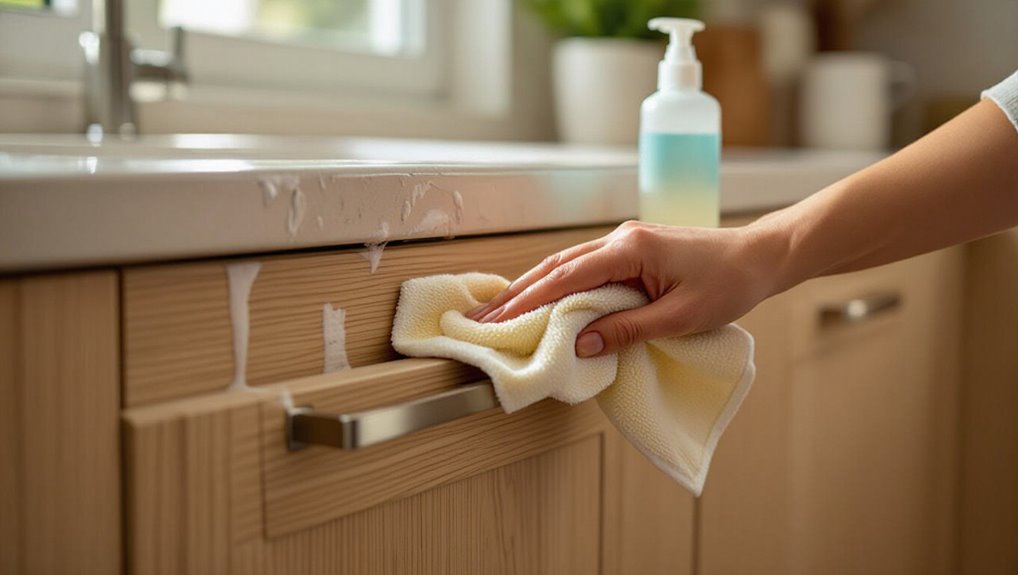
    3. Gently wipe down kitchen cabinets, focusing on areas with visible grease.
    4. Rinse the cloth frequently in clean water, re-soaping as needed.
    5. After cleaning, use a separate clean, damp cloth to wipe away any soap residue.
    6. Immediately dry the cabinets with a soft, dry cloth to prevent water spots or damage to the finish.

All-Purpose Kitchen Cleaners

Many general kitchen cleaners are formulated to cut through grease. Look for ones specifically labeled as safe for kitchen cabinets.

  • Pros: Convenient, readily available, and often effective.
  • Cons: Can sometimes contain harsh chemicals that might damage certain finishes if used too frequently or left on too long. Always test in an inconspicuous area first.
  • How to Use:
    1. Spray the cleaner onto a clean cloth, not directly onto the cabinets.
    2. Wipe the greasy areas gently.
    3. Follow up with a clean, damp cloth to remove residue.
    4. Dry thoroughly with a soft cloth.

Specialized Kitchen Cabinet Degreasers

If regular cleaners aren’t cutting it, a dedicated kitchen cabinet degreaser is your next best bet. These are formulated to break down tough grease and grime.

  • How to Use:
    1. Read the product label carefully for instructions specific to your cabinet material.
    2. Apply the degreaser to a cloth.
    3. Wipe the affected areas. For stubborn grease, you might need to let the degreaser sit for a minute or two (check the product instructions).
    4. Wipe clean with a damp cloth.
    5. Rinse with a clean, damp cloth.
    6. Dry immediately and thoroughly.

Important Note on Degreasers: Some heavy-duty degreasers can be very strong. Always test in a hidden spot first. Avoid letting them sit on the surface for too long, as they could potentially strip the finish or discolor the material.

Stainless Steel Cabinet Cleaning Grease

For stainless steel, specific cleaners are best to avoid scratches and streaks.

  • How to Use:
    1. Use a cleaner specifically designed for stainless steel.
    2. Apply the cleaner to a soft microfiber cloth.
    3. Wipe in the direction of the grain.
    4. Buff with a clean, dry microfiber cloth to shine. Avoid abrasive scrubbers or paper towels, which can scratch.

Natural Solutions for Removing Grease from Kitchen Cabinets

For those who prefer a more natural approach, several household items can effectively remove grease kitchen cabinets without harsh chemicals. These are excellent DIY cabinet cleaning solutions.

Vinegar Solution

White vinegar is a fantastic natural degreaser due to its acidity.

  • How to Use:
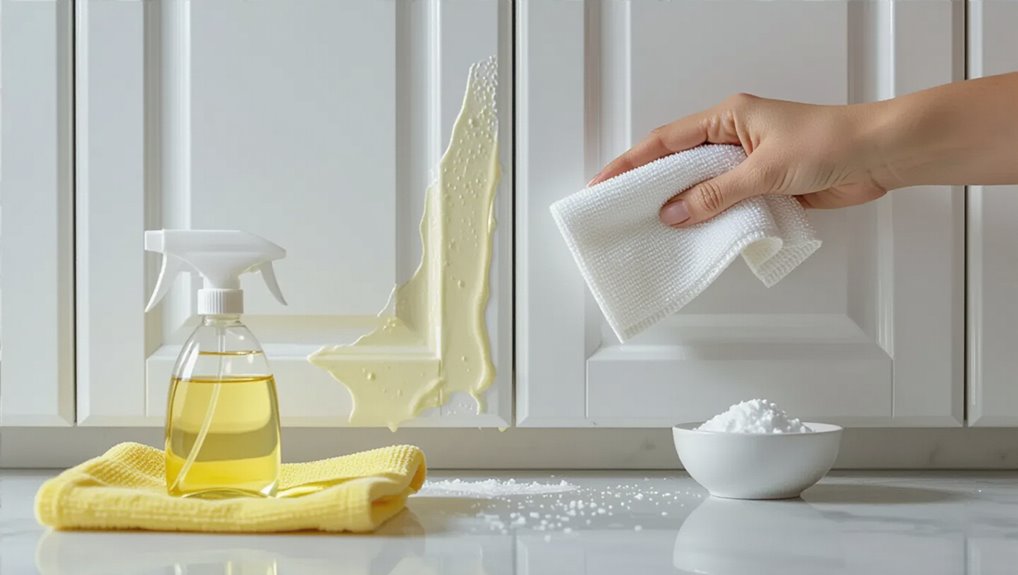
    1. Mix equal parts white vinegar and warm water in a spray bottle or bowl.
    2. Dip a soft cloth into the solution, wring it out well, and wipe the cabinets.
    3. For more stubborn spots, you can apply the solution directly to the cloth or use a slightly stronger vinegar-to-water ratio (e.g., 2 parts vinegar to 1 part water), but always test this first.
    4. Wipe with a clean, damp cloth to remove the vinegar smell and residue.
    5. Dry thoroughly with a soft cloth.

Baking Soda Paste

Baking soda is a gentle abrasive and a natural deodorizer, perfect for tackling tougher grease.

  • How to Use:
    1. Mix baking soda with a small amount of water to form a paste. The consistency should be like toothpaste.
    2. Apply the paste directly to the greasy areas using a soft cloth or sponge.
    3. Gently rub the paste in a circular motion. The baking soda will help lift the grease.
    4. Wipe away the paste with a clean, damp cloth.
    5. Rinse the cloth frequently.
    6. Dry the cabinets thoroughly with a soft, dry cloth.

Lemon Juice

The citric acid in lemon juice acts as a natural degreaser and leaves a fresh scent.

  • How to Use:
    1. Mix fresh lemon juice with an equal amount of water.
    2. Apply the solution to a soft cloth.
    3. Wipe the greasy cabinets.
    4. Wipe with a clean, damp cloth to remove residue.
    5. Dry thoroughly.

Rubbing Alcohol (Isopropyl Alcohol)

Rubbing alcohol is a powerful solvent that can cut through grease very effectively.

  • How to Use:
    1. Dilute rubbing alcohol with an equal amount of water.
    2. Apply to a cloth and wipe the greasy areas.
    3. This method is particularly good for painted cabinet grease removal where the paint is durable (like semi-gloss or gloss).
    4. Be very careful with wood cabinets, especially those with oil or wax finishes, as alcohol can strip them. Always test in an inconspicuous area first.
    5. Wipe with a clean, damp cloth and dry immediately.

Specific Challenges: Painted Cabinets and Stainless Steel

Painted Cabinet Grease Removal

Painted cabinets can be tricky. The key is to avoid anything that could dull or scratch the finish.

  • Best Approach: Start with mild dish soap and water. If that doesn’t work, try the vinegar or baking soda paste methods. For stubborn spots, a diluted rubbing alcohol solution can be effective, but always test it on a hidden area first. If you have matte or chalk-painted cabinets, be extra gentle, as these finishes are less durable.
  • What to Avoid: Abrasive scrubbers (steel wool, harsh sponges), ammonia-based cleaners, and strong solvents like acetone.

Stainless Steel Cabinet Cleaning Grease

When it comes to stainless steel cabinet cleaning grease, the goal is to remove the grime without leaving streaks or scratches.

  • Effective Methods:
    • Microfiber Cloths: These are your best friends for stainless steel. Use one damp cloth to clean and another dry one to buff.
    • Specialized Stainless Steel Cleaners: These often contain mineral oil or other conditioners that help repel fingerprints and maintain shine.
    • Natural Oils: A tiny bit of olive oil or mineral oil on a cloth, after cleaning with a mild detergent, can help polish and protect stainless steel surfaces. Apply it sparingly and buff well.
  • What to Avoid: Steel wool, abrasive powders, bleach-based cleaners, and scrubbing against the grain.

Tackling Stubborn Residue

Sometimes, grease isn’t the only problem. You might also deal with sticky residue from labels, tape, or old polish.

Removing Sticky Residue Off Cabinets

There are several effective ways to remove sticky residue off cabinets:

  • Dish Soap: Often the first step for any residue.
  • Vegetable Oil or Olive Oil: Apply a small amount of oil to the residue and let it sit for a few minutes. The oil helps break down the adhesive. Then, gently scrape with a plastic scraper or wipe with a cloth. Clean the area afterward with dish soap and water.
  • Rubbing Alcohol: Can be effective for dissolving sticker residue. Apply to a cloth, rub the residue, and then clean the area.
  • Commercial Adhesive Removers: Products like Goo Gone are specifically designed for this purpose. Always follow product instructions and test in an inconspicuous area.

Step-by-Step Guide to Cleaning Your Kitchen Cabinets

Here’s a comprehensive approach to cleaning grease off your cabinets, applicable to most materials:

Step 1: Prepare Your Workspace

  • Clear the counters and remove any items from the cabinet doors.
  • Lay down old towels or newspaper on your countertops to catch drips.

Step 2: Choose Your Cleaner

  • Start with the gentlest option (dish soap and water).
  • If necessary, move to a mild all-purpose cleaner or a vinegar solution.
  • For tougher jobs, consider a specialized kitchen cabinet degreaser or baking soda paste.
  • Always test any cleaner in an inconspicuous spot first (e.g., the inside of a cabinet door or a less visible corner).

Step 3: The Cleaning Process

  • Dip a soft, lint-free cloth (microfiber cloths are ideal) into your chosen cleaning solution.
  • Wring out the cloth very well. It should be damp, not dripping wet, to prevent water damage to wood or particleboard.
  • Gently wipe down kitchen cabinets, working in sections. Use a gentle, circular motion for tougher spots.
  • For heavily soiled areas, you might need to go over them a few times or let the cleaner sit for a minute (but avoid letting it dry on the surface).
  • Rinse your cloth frequently in clean water to avoid spreading grime.

Step 4: Rinsing Away Residue

  • Once you’ve cleaned a section, use a separate clean cloth dampened with plain water to wipe away any cleaner residue. This is crucial to prevent finishes from being damaged by leftover chemicals.
  • Again, wring the cloth out well.

Step 5: Drying and Buffing

  • Immediately after rinsing, use a clean, dry, soft cloth (microfiber is best) to thoroughly dry the cabinets. This prevents water spots and protects the finish.
  • For a polished look, especially on wood or stainless steel, you can buff the dry cabinets with a clean, dry cloth.

Maintaining Your Clean Cabinets

Once your cabinets are sparkling clean, keeping them that way is much easier.

Regular Wiping

  • Make it a habit to wipe down kitchen cabinets with a damp cloth (or a dry microfiber cloth) after cooking, especially if you’ve been frying or splattering. This prevents grease from building up.

Deep Cleaning Schedule

  • Plan for a more thorough cleaning every 3-6 months, depending on your cooking habits and kitchen ventilation.

Protecting Your Cabinets

  • Ensure your kitchen has good ventilation (use your range hood fan!).
  • Clean up spills and splatters as soon as they happen.

Tips for Different Cabinet Finishes

Wood Cabinet Grease Cleaner

  • For Varnished/Lacquered Wood: Mild dish soap, vinegar solution, or a specific wood cleaner. Avoid excessive water and abrasive scrubbers. Dry immediately.
  • For Oiled or Waxed Wood: Use very mild soap and water. Avoid strong cleaners. Reapply oil or wax periodically as needed.
  • For Laminate/Veneer: Mild dish soap or all-purpose cleaner is usually safe. Avoid soaking the surface, as moisture can damage the core material.

Stainless Steel Cabinet Cleaning Grease

  • Always wipe with the grain.
  • Use microfiber cloths.
  • Specialized stainless steel cleaners or a gentle soap and water followed by an oil polish work well.

Table: Cabinet Cleaning Solutions at a Glance

Problem Best Commercial Cleaner Best Natural Cleaner How to Use (General)
Everyday Grease Mild Dish Soap / All-Purpose Kitchen Cleaner Dish Soap & Water, Vinegar Solution Wipe with damp cloth, rinse, dry.
Stubborn Grease Specialized Kitchen Cabinet Degreaser Baking Soda Paste, Stronger Vinegar Mix Apply, let sit briefly, gently scrub, rinse, dry.
Painted Cabinets (Greasy) Mild Cabinet Cleaner Vinegar Solution, Diluted Rubbing Alcohol Gentle wiping, rinse, dry. Test alcohol first.
Stainless Steel (Greasy) Stainless Steel Cleaner Mild Dish Soap & Water Wipe with grain using damp cloth, buff dry with another.
Sticky Residue (Labels, etc.) Adhesive Remover (e.g., Goo Gone) Vegetable Oil, Rubbing Alcohol Apply, let sit, gently scrape/wipe, clean residue with soap and water.
Water Spots/Streaks Glass Cleaner (for some surfaces), Stainless Steel Polish Dry Buffing Wipe with damp cloth, then dry polish.

Frequently Asked Questions (FAQ)

Q1: How often should I clean my kitchen cabinets?

A1: It’s best to wipe down kitchen cabinets regularly after cooking. A thorough cleaning every 3-6 months is usually sufficient, but you might need to clean more often if you do a lot of greasy cooking or have poor kitchen ventilation.

Q2: Can I use a Magic Eraser on my kitchen cabinets?

A2: While Magic Erasers can be effective for removing tough marks, they are abrasive. They can dull or even remove the finish on painted or wood cabinets. Use them with extreme caution and only on the most stubborn spots, always testing in an inconspicuous area first and using very gentle pressure.

Q3: My cabinets have a lot of built-up grease. What is the best way to remove it?

A3: For heavy buildup, start with a good kitchen cabinet degreaser or a baking soda paste. Apply the cleaner, let it sit for a few minutes to break down the grease, then gently scrub with a soft cloth or sponge. You may need to repeat the process or use a stronger cleaner. Always rinse thoroughly and dry immediately.

Q4: Are natural grease removers cabinets safe for all finishes?

A4: Generally, natural cleaners like diluted vinegar, baking soda, and lemon juice are safer than harsh chemicals. However, it’s still essential to test them on an inconspicuous area first, especially on delicate wood finishes, antique cabinets, or certain types of paint, as even natural acids can affect some surfaces if left on too long or used at too high a concentration.

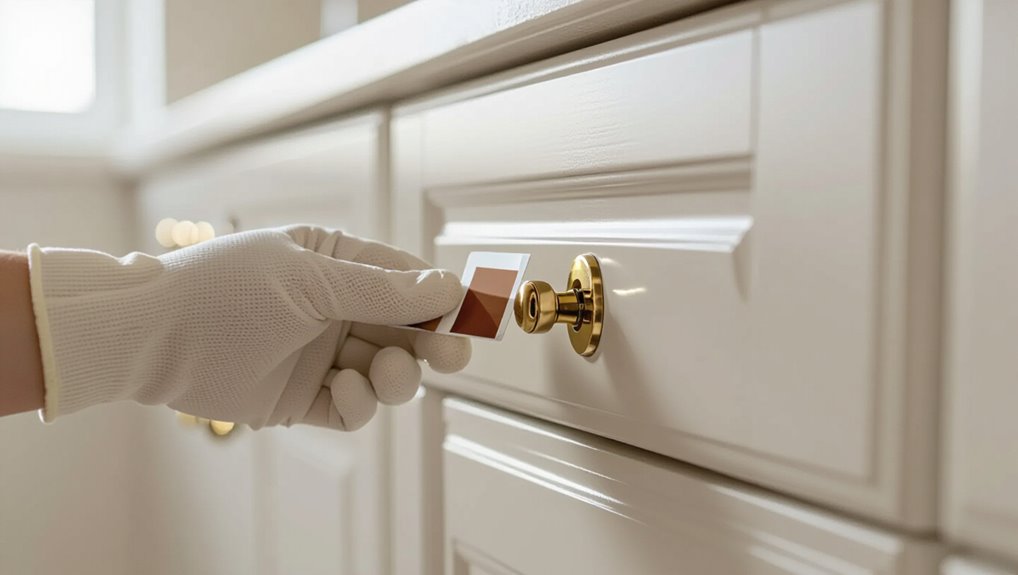
Q5: How do I clean the cabinet hardware (handles and knobs)?

A5: Most hardware can be cleaned with a mild dish soap and water solution. For brass or antique hardware, you may need specific brass cleaners. For stainless steel hardware, use a stainless steel cleaner or mild soap and water, drying and buffing afterward. Avoid harsh chemicals that could damage the finish of the hardware.

Q6: My cabinets feel sticky. How do I remove that sticky residue off cabinets?

A6: A sticky feeling usually indicates a layer of grease and grime. Start with a good cleaning using a mild dish soap and water or a vinegar solution. If the stickiness persists, try a kitchen cabinet degreaser or a paste of baking soda and water. Ensure you rinse and dry thoroughly afterward to remove all residue.

By following these guidelines, you can effectively clean grease off your kitchen cabinets, keeping them looking fresh and well-maintained without causing any damage. Happy cleaning!

Leave a Comment