
Yes, you can absolutely change out your kitchen faucet yourself! It’s a common home improvement task that most handy individuals can tackle with the right tools and a little patience. This comprehensive guide will walk you through each step of a kitchen faucet replacement, making your DIY kitchen faucet installation a success. We’ll cover everything from preparing for the job to tightening that final faucet mounting nut.
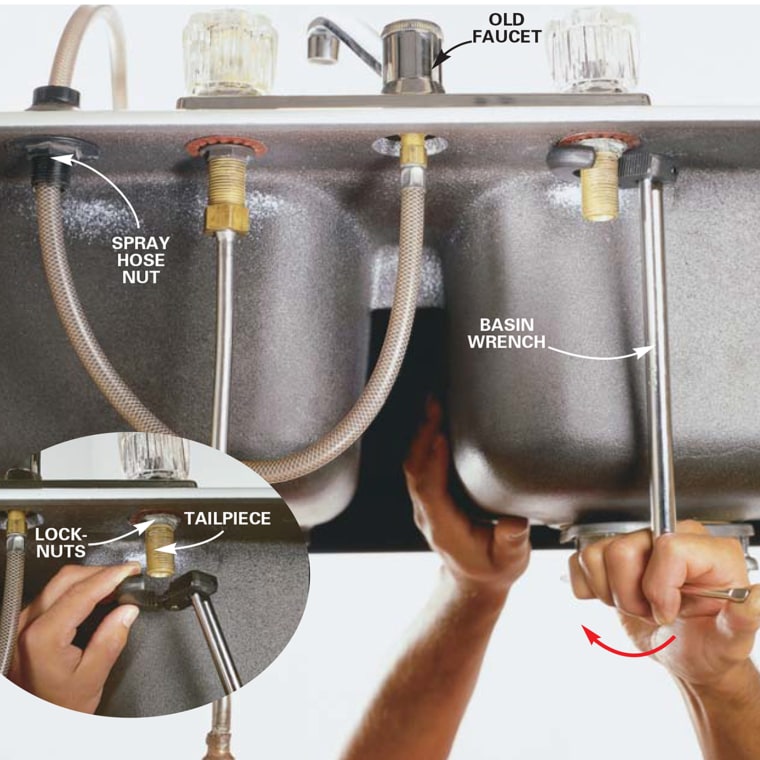
Image Source: media-cldnry.s-nbcnews.com
Why Change Your Kitchen Faucet?
There are several reasons why you might be looking to change your kitchen faucet. Perhaps your current one is old and showing signs of wear and tear, like drips, leaks, or a corroded finish. It might not be working as efficiently as it once did, or maybe you’re simply looking to update your kitchen’s style and aesthetics. A new faucet can dramatically change the look and feel of your kitchen, offering better functionality and a fresh, modern appeal. Whatever your motivation, replacing a kitchen faucet is a very achievable DIY project.
Gathering Your Tools and Materials
Before you begin, ensure you have all the necessary tools and materials. Having everything ready will make the process smoother and prevent interruptions.
Essential Tools for Faucet Replacement:
- Adjustable Wrenches (2): You’ll need these to loosen and tighten various nuts and fittings. Having two allows you to hold one fitting in place while turning another.
- Basin Wrench: This specialized tool is a lifesaver for reaching nuts in tight spaces, particularly the faucet mounting nut located above the sink basin.
- Plumber’s Putty or Silicone Caulk: This creates a watertight seal between the faucet base and the sink surface.
- Bucket: To catch any residual water that might drain from the pipes.
- Towels or Rags: For wiping up spills and keeping the work area dry.
- Safety Glasses: To protect your eyes from debris and water splashes.
- Work Gloves: To protect your hands.
- Screwdriver Set: You might need a Phillips or flathead screwdriver for some mounting hardware.
- Wire Brush (Optional): For cleaning threaded connections.
- Penetrating Oil (Optional): If fittings are old and corroded, this can help loosen them.
- Pliers: Can be useful for gripping certain parts.
- Flashlight or Headlamp: To see clearly in the often dim under sink plumbing area.
New Faucet and Related Materials:
- New Kitchen Faucet: Ensure it’s compatible with your sink’s hole configuration (e.g., single-hole, 3-hole, 4-hole).
- Water Supply Lines: It’s highly recommended to replace your old water supply lines when installing a new faucet. These connect the faucet to your home’s water shut-off valves. Make sure they are the correct length and have the right threaded fittings for your faucet and shut-off valves.
- Thread Seal Tape (PTFE tape) or Pipe Dope: For sealing threaded pipe connections.
Step-by-Step Guide to Changing Your Kitchen Faucet
Let’s get started with the actual installation process.
Step 1: Shutting Off the Water Supply
This is the most crucial first step for any kitchen faucet replacement. You cannot proceed without shutting off water supply.
- Locate the Shut-Off Valves: Look under your kitchen sink for two small valves, usually located on the wall or floor. One is for hot water, and the other is for cold water. They typically have a lever or a knob.
- Turn Off the Valves: Turn the handles clockwise until they are fully closed. If you don’t have shut-off valves under the sink, you’ll need to turn off the main water supply to your house. This valve is usually in the basement, garage, or near your water meter.
- Test the Shut-Off: Turn on your old faucet to drain any remaining water in the lines and to confirm that the water supply is indeed off. Let the water run until it stops completely.
Step 2: Preparing the Workspace
With the water off, prepare the area where you’ll be working.
- Clear Under the Sink: Remove everything from the cabinet below the sink. This will give you ample space to work and prevent items from getting wet or damaged.
- Place a Bucket: Position a bucket directly under the under sink plumbing connections to catch any water that might still be in the pipes.
- Lay Down Towels: Place old towels or rags around the work area to absorb drips and spills.
Step 3: Removing the Old Faucet
Now it’s time for removing old faucet. This can sometimes be the trickiest part, especially if the faucet is old or corroded.
- Disconnect Water Supply Lines:
- Using an adjustable wrench, loosen the nuts connecting the water supply lines to the shut-off valves. Have your bucket ready to catch any drips.
- Next, disconnect the other end of the supply lines from the faucet shanks (the threaded pipes extending down from the faucet).
- Loosen the Faucet Mounting Nut:
- Look up under the sink at the base of the faucet. You’ll see threaded shanks that go through the sink or countertop.
- The faucet mounting nut is a large nut that secures the faucet to the sink from below.
- This is where your basin wrench comes in handy. Its long shaft and pivoting jaw are designed to reach these awkward nuts.
- Place the jaws of the basin wrench around the faucet mounting nut and turn it counter-clockwise to loosen and remove it. You might need to reposition the wrench multiple times.
- If you encounter a mounting bracket or a plastic retainer, loosen those as well.
- Remove Any Other Connections: Some faucets have a sprayer hose. If yours does, disconnect it from the faucet body.
- Lift Out the Old Faucet: Once all connections are loose and the mounting nut is removed, carefully lift the old faucet assembly straight up and out of the sink holes. You might need to wiggle it a bit if there’s any old sealant holding it in place.
Step 4: Cleaning the Sink Area
Before installing the new faucet, it’s important to clean the area where the old faucet was mounted.
- Remove Old Sealant: Scrape away any old plumber’s putty, silicone caulk, or gunk from the sink surface around the faucet holes. A putty knife or razor blade can be useful here. Be careful not to scratch your sink.
- Clean Thoroughly: Wipe down the area with a damp cloth to remove dust and debris. A clean surface ensures a good seal for the new faucet.
Step 5: Preparing the New Faucet for Installation
Unpack your new faucet and read the manufacturer’s instructions. Different faucets have slightly different installation methods.
- Apply Plumber’s Putty or Sealant:
- If your faucet doesn’t come with a rubber gasket or instructions to use silicone caulk, you’ll need to apply plumber’s putty or silicone caulk around the base of the faucet.
- Roll a rope of plumber’s putty about ¼ to ½ inch thick and place it around the underside of the faucet base or escutcheon (the decorative plate that covers the sink holes). Ensure it forms a continuous ring. If you’re using silicone caulk, apply a thin, even bead.
- Install Gaskets (if applicable): Some faucets have pre-attached rubber gaskets that create the seal. In this case, you won’t need plumber’s putty.
- Attach Supply Lines (Pre-installation): Many modern faucets come with integrated water supply lines. If yours do, ensure they are securely attached to the faucet shanks before you place the faucet in the sink. If they are separate, thread them onto the faucet shanks by hand until snug, then tighten them gently with a wrench, being careful not to overtighten.
Step 6: Installing the New Faucet
This is where you start connecting new faucet.
- Position the Faucet: Carefully lower the new faucet assembly into the corresponding holes in the sink or countertop. Make sure it’s aligned correctly and sits flat.
- Secure from Underneath:
- From under the sink, slide any provided washers or gaskets onto the faucet shanks.
- Thread the faucet mounting nut or mounting hardware onto the faucet shanks. Hand-tighten it first.
- Ensure the faucet is still straight and properly positioned on the sink.
- Use your basin wrench or the wrench provided with the faucet to tighten the faucet mounting nut securely. Again, don’t overtighten, as this can crack ceramic sinks or damage countertops. Tighten until the faucet is stable and doesn’t wobble.
- Connect Sprayer Hose (if applicable): If your faucet has a sprayer, connect the sprayer hose to the designated port on the faucet body, following the manufacturer’s instructions. This often involves a quick-connect fitting or a threaded connection.
Step 7: Connecting the Water Supply Lines
Now it’s time to connect your new faucet to the water supply.
- Attach to Shut-Off Valves: Connect the new water supply lines to the hot and cold water shut-off valves.
- Ensure you connect the hot water line to the hot valve (usually on the left) and the cold water line to the cold valve (usually on the right).
- Hand-tighten the fittings first, then use an adjustable wrench to tighten them another quarter to half turn. Be firm, but avoid overtightening, which can strip threads or damage the lines.
- Check for Leaks: Once everything is connected, double-check that all nuts are snug.
Step 8: Testing for Leaks and Functionality
This is the moment of truth for your DIY kitchen faucet installation.
- Turn on the Water Supply: Slowly turn the hot and cold water shut-off valves back on (counter-clockwise).
- Check for Leaks: Carefully inspect all connections under the sink for any drips or leaks. Pay close attention to where the supply lines connect to the shut-off valves and the faucet shanks.
- Test the Faucet: Turn on the new faucet.
- Let the water run for a minute or two to flush out any air or debris that might have entered the lines.
- Check the hot and cold water flow.
- Operate the sprayer (if applicable) and check its connections.
- Inspect all fittings again for any signs of leaks while the water is running.
- Tighten if Necessary: If you see any small drips, try tightening the leaky connection slightly with your wrench.
Step 9: Final Touches and Cleanup
- Wipe Away Excess Sealant: If you used plumber’s putty or silicone caulk, wipe away any excess that squeezed out from around the faucet base.
- Clean Up: Dry any remaining water spills, put away your tools, and place everything back under the sink.
Troubleshooting Common Issues
Even with careful planning, you might encounter a few snags.
Table: Common Faucet Installation Problems and Solutions
| Problem | Possible Cause | Solution |
|---|---|---|
| Leaking from supply line connection | Loose fitting, damaged threads, or no thread tape | Tighten the fitting slightly. If it still leaks, turn off the water, disconnect, reapply thread seal tape, and reconnect. |
| Leaking from faucet base | Improperly applied plumber’s putty/sealant, loose mounting nut | Ensure putty/sealant forms a continuous seal. Tighten the faucet mounting nut more. |
| Low water pressure | Clogged aerator, debris in lines, partially closed shut-off valve | Unscrew the aerator and clean it. Flush lines again. Ensure shut-off valves are fully open. |
| Faucet wobbles | Faucet mounting nut is not tight enough | Tighten the faucet mounting nut using the basin wrench. |
| Sprayer not working properly | Kinked hose, loose connection, or faulty sprayer | Check hose for kinks. Ensure the hose is securely connected. Contact manufacturer if it seems faulty. |
Frequently Asked Questions (FAQ)
Q: How long does it take to replace a kitchen faucet?
A: For most DIYers, a kitchen faucet replacement can take anywhere from 1 to 3 hours. If it’s your first time, it might take a bit longer, especially if you encounter stubborn old fittings.
Q: Do I need to replace the water supply lines when changing my faucet?
A: It is highly recommended. Old water supply lines can become brittle or corroded over time, increasing the risk of leaks or bursting. Replacing them with new ones during your DIY kitchen faucet installation is a good preventative measure.
Q: What is a basin wrench used for?
A: A basin wrench is a specialized tool with a long shaft and a pivoting jaw. It’s designed to reach and turn nuts in tight, awkward spaces, making it essential for loosening and tightening the faucet mounting nut located above the sink basin.
Q: Can I use plumber’s putty or silicone caulk?
A: Both are commonly used to create a watertight seal between the faucet and the sink. Check your faucet’s instructions. Some faucets come with a rubber gasket that eliminates the need for either. If not, plumber’s putty is traditional, while silicone caulk offers a more flexible and durable seal, especially for granite or composite sinks.
Q: What if I can’t find the shut-off valves under my sink?
A: If you don’t have dedicated shut-off valves under the sink, you will need to turn off the main water supply to your house. This valve is usually located in a basement, crawl space, utility closet, or near your water meter. After turning off the main supply, open the faucet to drain the remaining water.
Q: What if the old faucet is really stuck?
A: If the faucet mounting nut or other fittings are corroded and won’t budge, you might need to use a penetrating oil. Apply it generously and let it sit for 15-30 minutes (or longer, as per the product instructions). You can also try using a hacksaw blade to carefully cut through the nut if all else fails, but be very cautious not to damage the sink or countertop.
Changing out your kitchen faucet is a rewarding DIY project that can significantly improve your kitchen’s functionality and appearance. By following these detailed steps and using the right tools, you can confidently complete your kitchen faucet replacement and enjoy your newly updated kitchen.