
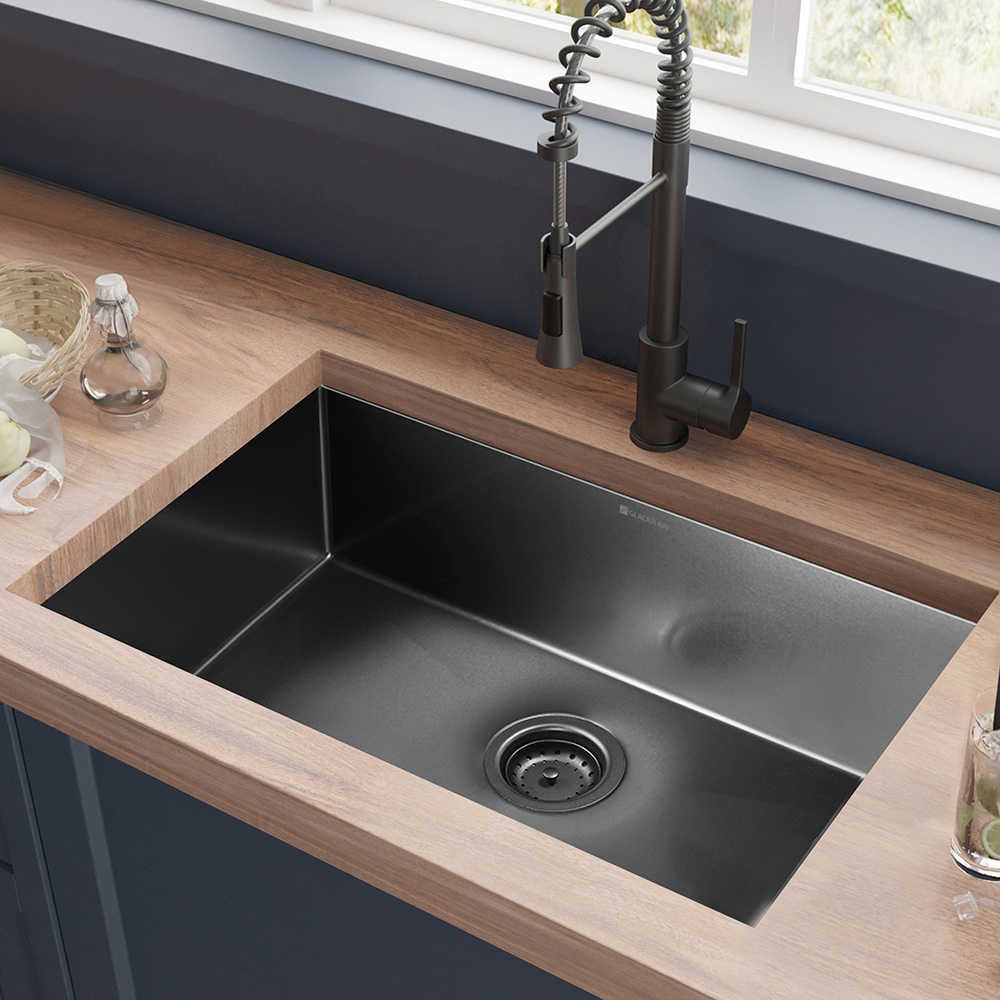
Image Source: contentgrid.homedepot-static.com
How to Change a Kitchen Sink: Your DIY Guide
Can you change a kitchen sink yourself? Yes, absolutely! With the right tools and a step-by-step approach, changing your kitchen sink is a manageable DIY project. This guide will walk you through everything you need to know, from removing your old sink to installing your sparkling new one. We’ll cover kitchen sink replacement, installing a new kitchen sink, and DIY kitchen sink installation in detail.
Getting Started: What You’ll Need
Before you dive in, gather all your tools and materials. Having everything ready will make the process much smoother.
Essential Tools:
- Adjustable Wrenches (2): For loosening and tightening nuts and bolts on plumbing connections.
- Pipe Wrench: For gripping pipes and fittings.
- Basin Wrench: A specialized tool for reaching nuts in tight spaces under the sink, especially for faucet mounting.
- Screwdriver Set: Both Phillips and flathead.
- Pliers: Slip-joint pliers are very useful.
- Putty Knife or Scraper: To remove old caulk and sealant.
- Bucket or Container: To catch any residual water when disconnecting pipes.
- Rags and Towels: For cleaning up spills and drying surfaces.
- Safety Glasses: To protect your eyes from debris and water.
- Gloves: To protect your hands.
- Utility Knife: For cutting caulk and sealant.
- Caulking Gun: For applying new sealant.
- Silicone Caulk: Kitchen and bath specific, mold and mildew resistant.
- Plumber’s Putty or Silicone Sealant: For creating watertight seals.
- New Sink: Make sure it fits your existing countertop opening or is compatible with your countertop material.
- New Faucet and Drain Assembly: (Optional, but often a good idea to replace at the same time).
- Supply Lines: If replacing the faucet, new supply lines are recommended.
- P-Trap and Other Drainage Parts: If your old ones are worn or you’re changing sink configuration.
Preparing Your Workspace:
- Clear the Area: Remove everything from under the sink.
- Protect Surfaces: Lay down old towels or newspapers to catch drips and protect your cabinets.
- Turn Off Water: Locate the hot and cold water shut-off valves under the sink. Turn them clockwise until they are fully closed. If you don’t have individual shut-off valves, you’ll need to turn off the main water supply to your house.
- Test Water Shut-Off: Turn on the faucet to ensure the water is off. Let any remaining water drain out.
Step 1: How to Remove a Kitchen Sink
Removing your old sink is the first major hurdle. The process will vary slightly depending on whether you have a drop-in or an undermount kitchen sink.
Removing a Drop-In Sink:
Drop-in sinks, also known as top-mount sinks, rest on top of the countertop and are held in place by clips from underneath and sealant around the rim.
- Disconnect Plumbing:
- Place your bucket under the P-trap.
- Use your adjustable wrenches to loosen the slip nuts connecting the tailpiece of the sink drain to the P-trap. Be prepared for some water to drain out.
- Disconnect the P-trap from the wall pipe.
- Disconnect the hot and cold water supply lines from the faucet shanks.
- Remove Faucet and Drain Assembly:
- Using your basin wrench, loosen and remove the mounting nuts holding the faucet to the sink.
- If you have a garbage disposal, disconnect it from the sink flange. This often involves a mounting ring that twists to release. You may need a specialized disposal wrench or a hammer and chisel to persuade it if it’s stuck. Important: Ensure the power to the disposal is turned off at the breaker box before attempting to disconnect it.
- Loosen and remove the nuts holding the sink drain flange from underneath.
- Break the Seal:
- Use a utility knife to carefully cut through the caulk or silicone sealant around the rim of the sink where it meets the countertop. Work your way around the entire perimeter.
- Release Sink Clips:
- Look underneath the sink for mounting clips that secure the sink to the countertop. These are usually metal clips with screws.
- Use your screwdriver or pliers to loosen and remove these clips.
- Lift Out the Old Sink:
- Gently push up on the sink from below, or try to lift it from above. It may still be stuck.
- If it’s stubborn, you might need to gently tap around the edges with a rubber mallet or use your putty knife to carefully pry it loose, being careful not to damage the countertop.
- Once freed, lift the old sink out of the countertop opening.
Removing an Undermount Sink:
Undermount sinks are installed beneath the countertop, creating a sleek, seamless look. This usually means they are held in place by clips and a strong adhesive.
- Disconnect Plumbing and Faucet: Follow the same steps as for a drop-in sink to disconnect the water supply lines, drain pipes, and garbage disposal (if applicable).
- Remove Faucet and Drain Assembly: Similar to a drop-in sink, remove the faucet mounting nuts and the drain assembly.
- Break the Seal and Adhesive:
- This is where undermount sinks can be trickier. They are typically secured with a strong adhesive (like silicone or construction adhesive) in addition to mounting clips.
- Start by carefully running a utility knife around the seam between the sink lip and the underside of the countertop to break any caulk seal.
- Locate and remove the mounting clips from underneath.
- Loosen Adhesive Bond:
- This is the most challenging part. You’ll need to carefully work your putty knife or a specialized adhesive scraper between the sink and the countertop.
- Be patient and work your way around the entire sink perimeter. You may need to apply gentle pressure.
- For very stubborn adhesive, a heat gun (on a low setting) can sometimes help soften it, but be extremely cautious not to damage the countertop material.
- Support and Remove:
- Once the adhesive bond is broken and clips are removed, the sink might be loose but still held by the drain and faucet connections if not fully disconnected.
- Have someone help you support the sink from underneath as you carefully maneuver it away from the countertop. Be prepared for some weight.
Step 2: Preparing the Countertop Opening
With the old sink removed, it’s time to clean up the countertop.
- Clean the Opening: Use your putty knife or scraper to remove all old caulk, sealant, and any adhesive residue from the countertop surface around the sink opening.
- Wipe Down: Clean the area thoroughly with a degreaser and a clean cloth. Ensure the surface is completely dry before installing the new sink.
- Inspect for Damage: Check the countertop for any chips or damage that might affect the new sink’s seal. Repair if necessary.
Step 3: Installing a New Kitchen Sink
This is where your new sink starts to take shape! The method for installing a new kitchen sink depends on whether it’s a drop-in or undermount type.
Installing a Drop-In Sink:
This is generally the simpler of the two.
- Prepare the New Sink:
- If your sink came with a template, use it to confirm the opening size if needed, though usually you’re fitting into an existing opening.
- Install the sink strainer or drain assembly into the sink’s drain hole(s). Apply plumber’s putty or silicone sealant under the flange of the drain assembly and tighten it from underneath with the provided locknut. Make sure the gasket is positioned correctly.
- Install the faucet according to its manufacturer’s instructions. This usually involves placing gaskets and then securing the faucet from underneath with mounting nuts. Hand-tighten first, then snug with a basin wrench.
- Apply Sealant to Countertop:
- Apply a continuous bead of silicone caulk or plumber’s putty around the underside edge of the sink rim that will contact the countertop. A consistent bead is crucial for a good seal.
- Position and Lower the Sink:
- Carefully lower the new sink into the countertop opening. Make sure it’s centered and aligned correctly.
- Press down firmly to ensure the sealant makes good contact with the countertop.
- Secure the Sink from Below:
- From underneath the sink, attach and tighten the mounting clips. Ensure they are evenly spaced and snugged up firmly against the underside of the countertop. This is what truly holds the sink in place.
- If you’re not using clips, some sinks rely solely on the adhesive and the weight of the plumbing. Follow your sink manufacturer’s specific instructions.
- Connect the Plumbing:
- Connecting Kitchen Sink Drain: Reconnect the tailpiece from the sink drain to the P-trap. Hand-tighten the slip nuts first, then use your adjustable wrench to snug them up. Don’t overtighten, as this can crack plastic fittings.
- Connect the P-trap to the wall drain pipe.
- Connect the new water supply lines from the faucet to the shut-off valves. Again, hand-tighten, then give a quarter turn with a wrench.
- If you have a garbage disposal, mount it to the sink’s garbage disposal flange according to its instructions. This usually involves aligning and twisting a mounting ring. Ensure the power is still off at the breaker.
- Test for Leaks:
- Turn the water supply back on slowly at the shut-off valves.
- Open the faucet and let the water run for a minute or two.
- Carefully check all connections under the sink for any drips or leaks. Tighten any fittings slightly if you see any signs of moisture.
- Fill the sink with water, then let it drain. Check the drain connections again for leaks.
Installing an Undermount Kitchen Sink:
This requires more precision and often involves a bit more adhesive work.
- Prepare the New Sink:
- Install the drain assembly and faucet onto the new undermount sink before you mount it to the countertop. This is much easier to do when the sink is not installed.
- Apply plumber’s putty or silicone sealant to the underside of the drain flange and secure it from below with the locknut and gasket.
- Install the faucet, ensuring all gaskets are in place and secure the mounting nuts from underneath.
- Prepare for Mounting:
- Some undermount sinks come with their own mounting clips or brackets. Install these now, loosely, according to the manufacturer’s instructions.
- Apply Adhesive:
- Apply a generous, continuous bead of high-quality silicone adhesive (or the adhesive recommended by the sink manufacturer) to the underside of the sink’s rim. This is what will hold the sink securely to the countertop.
- Position and Mount the Sink:
- With help, carefully lift the sink and position it into the countertop opening from below.
- Press the sink firmly against the countertop to spread the adhesive evenly and ensure good contact.
- Tighten the mounting clips or brackets to hold the sink securely in place while the adhesive cures. Be careful not to overtighten, which could crack the countertop or damage the sink.
- Connect the Plumbing:
- Follow the same kitchen sink plumbing steps as for a drop-in sink: connect the drain pipes, P-trap, and supply lines.
- Connect the garbage disposal if applicable.
- Allow Adhesive to Cure:
- Crucially, allow the adhesive to cure completely according to the manufacturer’s instructions before putting the sink into heavy use. This might take 24 hours or more. Avoid running water or placing heavy items in the sink during this time.
- Test for Leaks:
- Once the adhesive has cured, turn the water back on and check all connections for leaks as described for the drop-in sink.
Step 4: Final Touches and Cleanup
With the plumbing connected and tested, it’s time for the finishing touches.
- Caulk the Rim:
- For drop-in sinks, apply a neat bead of silicone caulk around the seam where the sink rim meets the countertop. Smooth the bead with your finger (dipped in soapy water) or a caulk tool for a clean finish. This seals out water and prevents debris from getting under the sink.
- For undermount sinks, this step is usually done during the initial installation phase when securing the sink to the countertop.
- Clean Up:
- Wipe away any excess caulk or sealant immediately.
- Remove all tools and protective coverings.
- Wipe down the sink, faucet, and surrounding countertop area.
- Turn on Water: Ensure both hot and cold water are fully on.
- Enjoy Your New Sink!
Kitchen Sink Plumbing: Key Components and Connections
A well-functioning kitchen sink relies on proper kitchen sink plumbing. Here’s a look at the main parts and how they connect:
- Sink Strainer/Flange: This is the metal ring that fits into the sink’s drain opening. It’s sealed to the sink with plumber’s putty or silicone.
- Tailpiece: This is a short pipe that extends downward from the sink strainer. If you have a garbage disposal, the disposal unit connects directly to the sink flange, and its outlet pipe becomes the tailpiece.
- P-Trap: This U-shaped pipe is a critical component. It holds a small amount of water, creating a seal that prevents sewer gases from entering your home through the drain. It connects the tailpiece to the wall drain pipe.
- Slip Nuts and Washers: These are used to connect the various pieces of the drain assembly (tailpiece, P-trap, trap arm). The slip nuts screw onto threaded fittings, and rubber or plastic washers create the watertight seal.
- Water Supply Lines: Flexible hoses that connect your faucet to the hot and cold water shut-off valves.
- Shut-Off Valves: Located on the hot and cold water pipes leading to the faucet, these allow you to turn off the water supply to the sink without affecting the rest of the house.
Common Kitchen Sink Plumbing Issues and Solutions:
| Issue | Cause | Solution |
|---|---|---|
| Leaks at Drain | Loose slip nuts, worn washers, cracked fittings, improper sealant. | Tighten slip nuts, replace worn washers, inspect and replace damaged parts, ensure proper use of plumber’s putty/sealant. |
| Slow Draining | Clogs in the drain pipes, buildup in the P-trap. | Clear clogs with a plunger, drain snake, or enzymatic cleaner. Clean out the P-trap. |
| Bad Odors | Water evaporated from P-trap, food debris buildup. | Run water regularly, clean the P-trap and garbage disposal (if applicable). |
| Leaking Faucet | Worn washers or O-rings within the faucet. | Replace worn internal faucet parts according to manufacturer’s instructions. |
Sink Styles: Drop-In vs. Undermount
The choice between a drop-in kitchen sink and an undermount kitchen sink impacts installation complexity and aesthetics.
| Feature | Drop-In Sink | Undermount Sink |
|---|---|---|
| Installation | Rests on top of the countertop, easier installation. | Mounted beneath the countertop, requires more precision. |
| Countertop Edge | Covers the raw edge of the countertop. | Exposes the countertop edge, creating a clean look. |
| Cleaning | Debris can collect at the rim. | Easier to wipe debris directly into the sink. |
| Cost | Generally less expensive. | Typically more expensive due to installation labor/complexity. |
| Countertop Type | Works with most countertop materials. | Best suited for solid surface, quartz, granite, and marble. |
When selecting your new sink, consider not only your budget and desired look but also the type of countertop you have and your comfort level with DIY tasks.
Kitchen Sink Disposal Installation: A Closer Look
If you’re installing a new kitchen sink disposal, here are some extra tips:
- Power Off: This cannot be stressed enough. Turn off the power to the garbage disposal at the breaker box.
- Sink Flange: The disposal connects to the sink via a mounting assembly. Ensure the sink flange is properly sealed to the sink with plumber’s putty.
- Mounting Rings: Most disposals use a three-ring mounting system. The sink flange has a groove for a rubber gasket, then a backup flange, and finally a mounting ring that screws onto the flange, pulling the unit tight against the sink.
- Tightening: Tighten the mounting ring securely. You might need a special wrench or to tap it with a hammer and screwdriver to lock it into place.
- Drain Connection: The disposal will have an outlet that connects to your existing drain pipes (usually the P-trap). Make sure this connection is watertight.
- Dishwasher Drain Line: If your dishwasher drains into the disposal, you’ll need to knock out the knockout plug inside the disposal’s dishwasher inlet port before mounting the disposal to the sink. If you forget, your dishwasher will back up.
Frequently Asked Questions (FAQ)
Q1: How long does it take to change a kitchen sink?
A1: For a DIYer with basic plumbing knowledge, removing an old sink and installing a new one can take anywhere from 2 to 6 hours. Factors like sink type (undermount takes longer), complexity of plumbing, and experience level will affect the time.
Q2: Do I need a special tool to remove an old sink?
A2: A basin wrench is highly recommended for loosening faucet mounting nuts in tight spaces. Otherwise, standard wrenches, screwdrivers, and a putty knife are usually sufficient.
Q3: What type of sealant should I use for a new sink?
A3: Silicone caulk specifically designed for kitchens and bathrooms is ideal for sealing the rim of a drop-in sink to the countertop. For sealing the drain flange to the sink itself, plumber’s putty is traditionally used, though silicone can also work.
Q4: Can I install a new kitchen sink myself if I’m not a plumber?
A4: Yes, this is a common DIY project. If you can follow instructions and are comfortable with basic tool use and minor plumbing, you can do it. If you encounter significant problems or are unsure, it’s always best to call a professional plumber.
Q5: What’s the difference between a drop-in and an undermount sink installation?
A5: A drop-in sink sits on top of the counter and is secured from below. An undermount sink is installed from underneath the counter and adhered to it, offering a more seamless look. Undermount installations are generally more complex.
Q6: What if my new sink doesn’t fit the old opening?
A6: If you’re replacing a sink with a different size or style, you may need to adjust the countertop opening. This can involve cutting the countertop, which might require professional help depending on the material. It’s crucial to measure carefully before purchasing a new sink.
By following these detailed steps, you can successfully tackle the project of changing your kitchen sink, breathing new life into your kitchen space.