
Can you build a kitchen counter yourself? Yes, you absolutely can! Building your own kitchen counter is a rewarding DIY project that can save you money and let you customize your kitchen exactly how you want it. This comprehensive guide will walk you through the entire process, from planning and choosing materials to the final installation. Whether you’re tackling a full kitchen remodeling or just updating your countertops, this tutorial is for you.
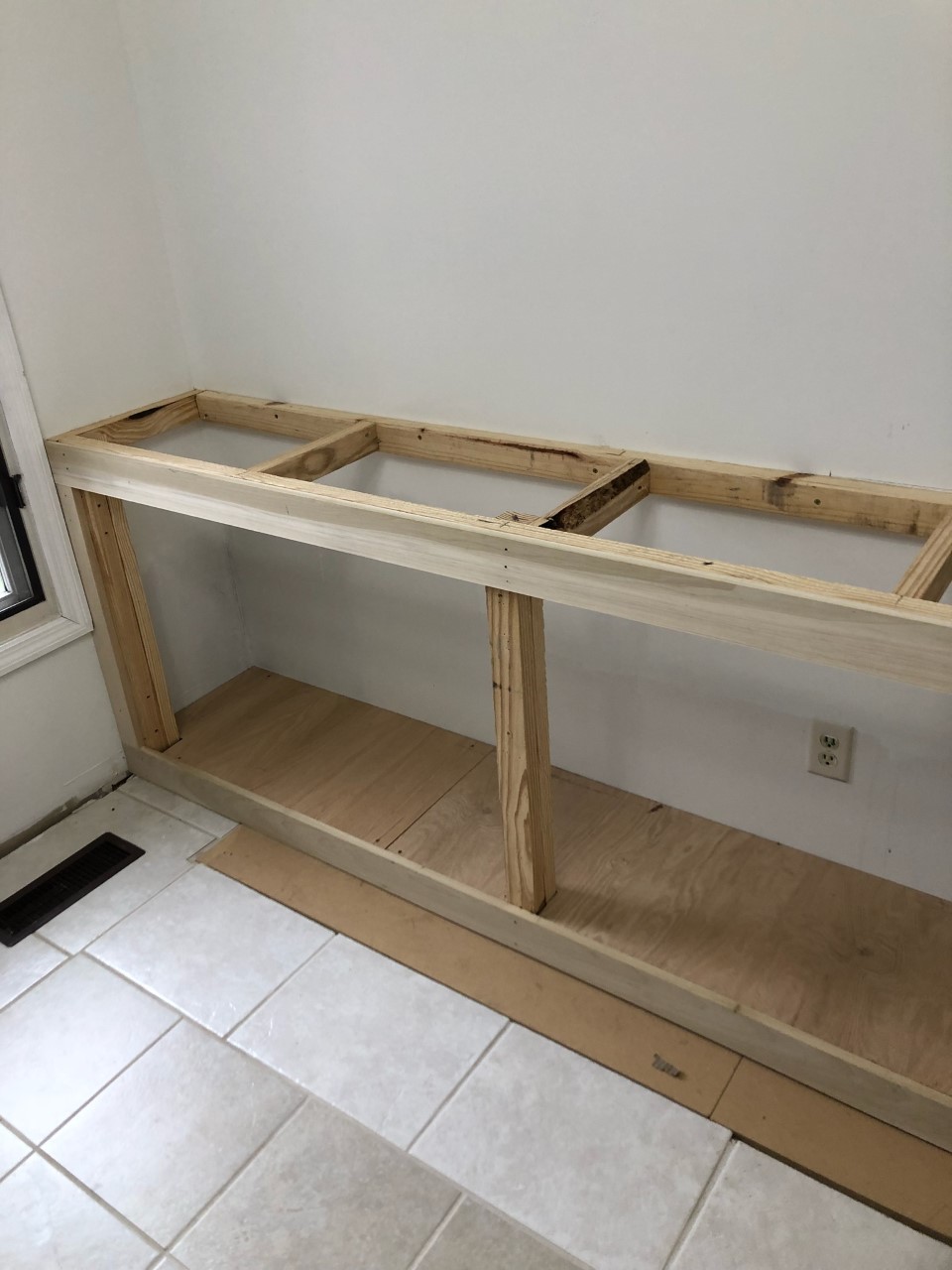
Image Source: designingvibes.com
Planning Your DIY Kitchen Counter
Before you even pick up a tool, thorough planning is key to a successful DIY kitchen counter project. This stage ensures your counter fits your space perfectly, suits your needs, and aligns with your budget.
Measuring Your Space
Accurate measurements are the foundation of your DIY kitchen counter. You need to measure the length and depth of each counter section. Don’t forget to account for:
- Existing Cabinets: Measure from the front of your base cabinets to the back splash or wall.
- Sink Cutout: If you have a sink, measure its dimensions and position precisely. Mark the location where the sink will be installed on your counter template.
- Stovetop or Cooktop: If you’re integrating a cooktop, measure its exact size and the required cutout.
- Overhangs: Decide on the desired overhang for the front and sides. A standard front overhang is 1 to 1.5 inches.
- Corners and Edges: Measure all corners and any irregular edges.
Pro Tip: Use a flexible measuring tape for curved surfaces and a rigid one for straight lines. It’s always a good idea to measure twice and cut once!
Creating a Template
For complex shapes or if you’re unsure about direct measurements, creating a template is highly recommended. This is especially useful for DIY kitchen counter projects involving existing cabinets that might not be perfectly square.
Materials for Templating:
- Craft Paper or Cardboard: Large rolls are ideal.
- Marker: For tracing.
- Scissors or Utility Knife: For cutting the template.
- Tape: To secure the paper to the cabinets.
Templating Process:
- Lay your template material over the existing cabinets where the counter will sit.
- Carefully press the material into all corners and around any obstacles.
- Use your marker to trace the exact outline of the counter area, including sink and cooktop cutouts.
- Label each template piece clearly (e.g., “Left Counter,” “Island Back”).
- Cut out the template precisely along your marked lines.
- Test fit the template on the cabinets to ensure it aligns correctly. Make any necessary adjustments.
Budgeting for Your Project
Building a DIY kitchen counter involves costs for materials, tools, and potentially hardware. The cost will vary significantly based on your chosen countertop materials.
Cost Factors:
- Countertop Material: This is the biggest variable. Laminate is budget-friendly, while granite installation or quartz countertop can be more expensive. Butcher block counter offers a mid-range option.
- Edge Profile: Simple eased edges are cheaper than ornate profiles.
- Sink Cutout: Complex cutouts can add cost or labor.
- Seams: The fewer seams, the less labor and potential for error.
- Tools: If you don’t own the necessary tools, factor in rental or purchase costs.
Choosing Your Countertop Material
Selecting the right countertop material is crucial. Each material has its pros, cons, and aesthetic appeal. Here’s a look at popular choices for your DIY kitchen counter:
| Material | Pros | Cons | DIY Friendliness | Estimated Cost (per sq ft, installed) |
|---|---|---|---|---|
| Laminate | Affordable, wide variety of patterns and colors, easy to clean | Can scratch and chip, not heat-resistant, seams can be visible | High | $20 – $60 |
| Butcher Block | Warm, natural look, durable, can be sanded and refinished, hygienic | Requires regular oiling and sealing, can stain and scratch, water damage | Medium | $40 – $100 |
| Solid Surface | Seamless appearance, non-porous, repairable, wide color range | Can scratch and scorch, requires professional installation for seams | Low | $50 – $100 |
| Granite | Durable, heat-resistant, unique natural patterns, adds value | Porous (requires sealing), heavy, can chip, professional installation often needed for granite installation | Low | $50 – $200 |
| Quartz | Non-porous, stain-resistant, durable, consistent patterns, low maintenance | Can be damaged by extreme heat, heavier than laminate, higher cost | Low | $60 – $150 |
| Concrete | Highly customizable (color, shape, finish), modern look, durable | Porous (requires sealing), heavy, prone to cracking if not installed properly, requires specialized skills | Very Low | $75 – $150 |
| Wood (other) | Various wood species, unique grains, can be stained or painted | Susceptible to moisture, stains, and scratches; requires maintenance | Medium | $30 – $80 |
Grasping Countertop Material Characteristics:
- Porosity: How easily a material absorbs liquids. Non-porous materials like quartz and solid surface are more stain-resistant. Granite and concrete are porous and need sealing.
- Durability: Resistance to scratches, chips, and stains. Quartz and granite are very durable.
- Heat Resistance: How well a material withstands hot pans. Granite and quartz are generally good, but direct contact with very hot items should be avoided. Laminate and solid surface are less heat-resistant.
- Maintenance: The upkeep required. Butcher block needs regular oiling, while quartz and solid surface are low maintenance.
- DIY Suitability: How easy it is to cut, shape, and install for a beginner. Laminate and butcher block are generally easier for DIYers.
Building Your DIY Kitchen Counter: Step-by-Step
Once you’ve planned and chosen your material, it’s time to get hands-on. This section covers the construction and installation process.
Preparing Your Base Cabinets
Before you can install your new countertop, your base cabinets need to be ready. This is a critical step, especially if you’re undertaking a broader kitchen remodeling project that involves building kitchen cabinets from scratch or modifying existing ones.
Key Preparations:
- Leveling: Ensure your base cabinets are perfectly level. Use shims if necessary. An unlevel cabinet will result in an unlevel countertop, which can cause issues with sink installation and overall appearance.
- Securing: Make sure the cabinets are securely fastened to the wall and to each other. This provides a stable base for the countertop.
- Reinforcement: For heavier countertop materials like granite or concrete, you may need to add extra bracing or support to the cabinets. Plywood sheets can be screwed to the top of the cabinets to create a solid substrate.
Cutting and Shaping Your Countertop Material
This is where your template and measurements come into play. The cutting process depends heavily on the chosen material.
Cutting Laminate Countertops
Laminate is relatively easy to cut with the right tools.
Tools Needed:
- Circular Saw with a fine-tooth blade (carbide-tipped)
- Jigsaw with a fine-tooth blade (for sink/cooktop cutouts)
- Measuring Tape and Pencil
- Straight Edge or Clamps
Cutting Process:
- Transfer Measurements: Lay your laminate sheet on a protected, flat surface. Transfer your template or measurements onto the laminate, ensuring you account for the finished edge and any overhang.
- Make Straight Cuts: Use a circular saw with a fine-tooth blade for long, straight cuts. Clamp a straight edge guide to the laminate to ensure a clean, straight cut. Cut from the underside of the laminate to minimize chipping on the visible surface.
- Cut Out Sink/Cooktop Openings: Use a jigsaw for intricate cutouts like sink or cooktop openings. Drill a pilot hole inside the marked cutout area to start your saw. Cut slowly and precisely along your marked lines.
Cutting Butcher Block Countertops
Butcher block is wood, so it’s cut similarly to other woodworking projects.
Tools Needed:
- Circular Saw or Table Saw
- Jigsaw (for cutouts)
- Measuring Tape and Pencil
- Sanding Supplies (sandpaper of various grits)
Cutting Process:
- Measure and Mark: Lay out your butcher block slab. Mark your cut lines clearly.
- Cut with Saw: Use a circular saw or table saw for straight cuts. Ensure the blade is sharp and set to the correct depth to avoid tear-out on the underside.
- Cutouts: Use a jigsaw for sink or cooktop openings.
- Sand Edges: After cutting, sand all cut edges smooth. Start with a coarser grit and move to finer grits for a polished finish.
Cutting Granite, Quartz, and Solid Surface
These materials are much harder and often require specialized tools and techniques. For a DIY kitchen counter, it’s often more practical and safer to have these materials cut to size by the supplier or a professional fabricator, especially for complex shapes or edge profiles.
If you do decide to cut these materials yourself:
Tools Needed:
- Wet Saw with Diamond Blade: Essential for granite and quartz.
- Angle Grinder with Diamond Blade: For smaller cuts or adjustments.
- Router with Diamond Router Bit: For creating edge profiles.
- Jigsaw with Diamond Blade: For cutouts.
- Water Source and Spray Nozzles: To keep the blade cool and suppress dust.
- Safety Gear: Respirator, safety glasses, hearing protection, gloves.
Important Considerations for Hard Surfaces:
- Dust Control: Cutting these materials generates a significant amount of silica dust, which is hazardous. Proper ventilation and respiratory protection are critical.
- Cooling: The diamond blades need to be kept cool with water to prevent damage and ensure a clean cut.
- Support: Ensure the material is well-supported during cutting to prevent cracking.
For most DIYers tackling a DIY kitchen counter project, ordering these materials pre-cut or with cutouts made by the fabricator is the most sensible approach.
Fabricating Edge Profiles
The edge profile of your countertop significantly impacts its look and feel. You can opt for a simple “eased” edge or a more decorative profile.
Common Edge Profiles:
- Eased Edge: A slightly rounded, softened edge. Easiest for DIY.
- Beveled Edge: A diagonal cut on the edge.
- Bullnose: A rounded, semi-circular edge.
- Ogee: An S-shaped profile.
DIY Edge Fabrication:
- Laminate & Wood: These can often be shaped using a router with the appropriate bit. Practice on scrap material first.
- Granite, Quartz, Concrete: These require specialized router bits and techniques, often best left to professionals or purchased with the desired edge profile already fabricated.
Creating Sink and Cooktop Cutouts
This is a critical step that requires precision.
Process:
- Mark the Cutout: Use your template or precise measurements to mark the exact location and size of the sink or cooktop cutout on the underside of the countertop. This prevents visible pencil marks on the finished surface.
- Drill Pilot Holes: Drill a hole inside the marked area large enough for your jigsaw blade to enter.
- Cut the Opening: Use a jigsaw with the appropriate blade for your material. Cut slowly and steadily, following your marked lines. For heavy materials, consider using a plunge router with a template bit if you’re fabricating custom cutouts.
- Smooth Edges: After cutting, sand or file any rough edges. For stone or solid surface, you may need a router with a diamond bit to create a smooth, finished edge around the cutout.
Installing Your New Kitchen Countertop
With your countertop cut and prepared, it’s time for installation. This is the culmination of your DIY kitchen counter project.
Attaching the Countertop to Cabinets
The method of attachment depends on your countertop material and cabinet construction.
General Attachment Methods:
- Silicone Adhesive: For most laminate, solid surface, and even stone countertops, a bead of high-quality silicone adhesive applied to the top edges of the cabinets is sufficient. This provides a strong bond and a waterproof seal.
- Screws (for Wood/Butcher Block): For butcher block or other wood countertops, you can use screws from the underside of the cabinet support braces into the countertop. Predrill pilot holes to prevent splitting. Be careful not to overtighten.
- Clamps (Temporary): You might use clamps to hold the countertop in place while the adhesive cures.
Installation Steps:
- Dry Fit: Carefully place the countertop onto the base cabinets to check the fit. Ensure all edges align as expected.
- Apply Adhesive: Lift the countertop slightly and apply a generous bead of silicone adhesive along the top edges of the base cabinets.
- Position and Lower: Carefully lower the countertop into place, aligning it precisely with the cabinets.
- Secure (if applicable): If using screws for wood, drive them from the underside of the cabinet bracing into the countertop.
- Add Weight: Place heavy objects (like bags of sand or water jugs) on top of the countertop to ensure good contact with the adhesive while it cures.
- Clean Excess Adhesive: Immediately wipe away any excess silicone that squeezes out with a damp cloth or paper towel.
Installing the Sink and Faucet
This is often done after the countertop is in place, but some prefer to install the sink into the countertop before placing it on the cabinets, especially for undermount sinks.
Undermount Sink Installation:
- Apply Adhesive: Apply silicone adhesive around the rim of the sink where it meets the underside of the countertop.
- Position Sink: Carefully position the sink into the cutout from below.
- Secure: Use sink clips or temporary bracing to hold the sink in place while the adhesive cures.
- Install Faucet: Install the faucet and connect the water lines.
Drop-in Sink Installation:
- Apply Adhesive: Apply a bead of silicone adhesive around the edge of the sink cutout on the countertop.
- Place Sink: Carefully lower the drop-in sink into the cutout.
- Secure: Install the sink clips from underneath according to the manufacturer’s instructions.
- Install Faucet: Install the faucet and connect the water lines.
Sealing and Finishing
The final steps involve sealing and finishing your DIY kitchen counter, especially important for materials like butcher block, granite, and concrete.
- Butcher Block: Apply several coats of food-grade mineral oil or a specialized butcher block conditioner. Allow each coat to soak in and wipe off any excess.
- Granite/Quartz: While quartz is non-porous, granite requires sealing. Use a high-quality penetrating sealer specifically designed for natural stone. Follow the manufacturer’s instructions for application and curing.
- Concrete: Concrete countertops need to be sealed with a food-grade concrete sealer to prevent staining and etching. Multiple coats are usually required.
Advanced DIY Considerations and Materials
For those looking for more specialized looks or greater durability, exploring advanced countertop materials and techniques can elevate your DIY kitchen counter project.
Butcher Block Countertops: A Deeper Dive
Building with butcher block offers a warm, inviting aesthetic.
Types of Butcher Block:
- Edge Grain: Strips of wood glued together along their edges. Most common and durable.
- End Grain: Short pieces of wood glued together on their ends. Traditional for cutting boards, can be used for countertops but requires more maintenance.
- Face Grain: The widest surface of the wood strip is glued to another wide surface. Least durable for heavy use.
Maintenance of Butcher Block:
- Regular Oiling: Oil your butcher block counter regularly (monthly or as needed) with food-grade mineral oil or beeswax blends. This prevents drying, cracking, and staining.
- Immediate Spill Cleanup: Wipe up spills immediately, especially liquids that can penetrate the wood.
- Sanding and Refinishing: If your butcher block becomes significantly scratched or stained, you can sand it down and reapply a finish.
Laminate Countertops: Maximizing Durability
While budget-friendly, laminate can be made more resilient.
Tips for Laminate:
- Use a Trivet: Always use trivets or hot pads under hot pots and pans.
- Cutting Boards: Use cutting boards for all food preparation.
- Avoid Harsh Cleaners: Stick to mild dish soap and water or specialized laminate cleaners.
- Repair Kits: Small chips or scratches can sometimes be repaired with laminate repair kits.
Granite Installation: Precision is Key
Granite is a beautiful, durable choice, but its weight and hardness present challenges for DIYers.
Key Aspects of Granite Installation:
- Weight: Granite slabs are extremely heavy. You’ll likely need assistance to lift and maneuver them.
- Seams: Minimizing seams is ideal for aesthetics and durability. Proper planning can reduce the number of seams needed.
- Leveling: Even slight imperfections in cabinet leveling can be amplified with granite.
- Sealing: Proper sealing is vital to prevent staining.
Quartz Countertops: Engineered Beauty
Quartz offers a consistent look and excellent performance.
What Makes Quartz Different?
Quartz countertops are engineered by combining crushed quartz crystals with polymers and pigments. This process makes them non-porous and highly resistant to stains, scratches, and heat.
Installation Nuances:
- No Sealing Required: Unlike granite, quartz does not need to be sealed.
- Heat Caution: While durable, prolonged exposure to very high heat can damage the resin binder. Use trivets.
- Weight: Quartz is also heavy and requires careful handling.
Concrete Countertops: The Ultimate Customization
Concrete countertops offer unparalleled customization but demand advanced DIY skills.
Creating Concrete Countertops:
- Mixing: Requires precise measurement of cement, aggregate, water, and additives.
- Molding: Creating strong, well-reinforced forms is essential.
- Casting: Concrete can be cast in place or poured into molds.
- Polishing and Sealing: Achieving a smooth, durable, and food-safe finish involves extensive polishing and sealing.
Frequently Asked Questions (FAQ)
Q1: How thick should a kitchen counter be?
A1: Standard kitchen countertops are typically 1.25 to 1.5 inches thick. However, you can customize the thickness based on your material and aesthetic preference. For heavier materials, a thicker profile can add to the perceived value and durability.
Q2: What is the best countertop material for a DIY kitchen counter?
A2: For beginners, laminate and butcher block are generally the most DIY-friendly countertop materials. They are easier to cut, shape, and install without specialized tools.
Q3: Do I need to seal a granite countertop?
A3: Yes, granite is porous and requires sealing to protect it from stains and etching. The frequency of sealing will depend on the type of granite and the sealer used.
Q4: Can I cut granite myself?
A4: While technically possible with specialized tools like a wet saw and diamond blades, cutting granite is challenging, generates hazardous dust, and requires precision. For most DIYers, it’s advisable to have granite cut by a professional fabricator.
Q5: How do I prevent my laminate countertop from chipping?
A5: Always use trivets under hot items and cutting boards for food preparation. Avoid dragging heavy pots or appliances across the surface.
Q6: What is the difference between granite installation and quartz countertop installation?
A6: Granite installation requires sealing the porous material and careful handling due to its natural variations. Quartz countertop installation is simpler as it doesn’t require sealing and has a more uniform composition, but it’s still a heavy material.
Q7: Is building kitchen cabinets a part of building a kitchen counter?
A7: While you can build a kitchen counter to sit on existing cabinets, a complete kitchen remodeling often involves building kitchen cabinets as a foundation for the countertop. This tutorial focuses on the countertop itself, assuming a stable cabinet base.
Building your own kitchen counter is a rewarding project that can transform your kitchen. By carefully planning, choosing the right materials, and following these steps, you can achieve a professional-looking result for your DIY kitchen counter.