
Do you want to know how to arrange your kitchen cupboards for maximum space? The answer lies in decluttering, categorizing, and utilizing smart storage solutions. This guide will walk you through the steps to transform your messy cabinets into perfectly organized spaces.
A well-organized kitchen isn’t just about aesthetics; it’s about functionality and efficiency. When your kitchen cupboard organization is on point, you can find what you need quickly, reduce food waste, and enjoy cooking more. Let’s dive into how to achieve this!
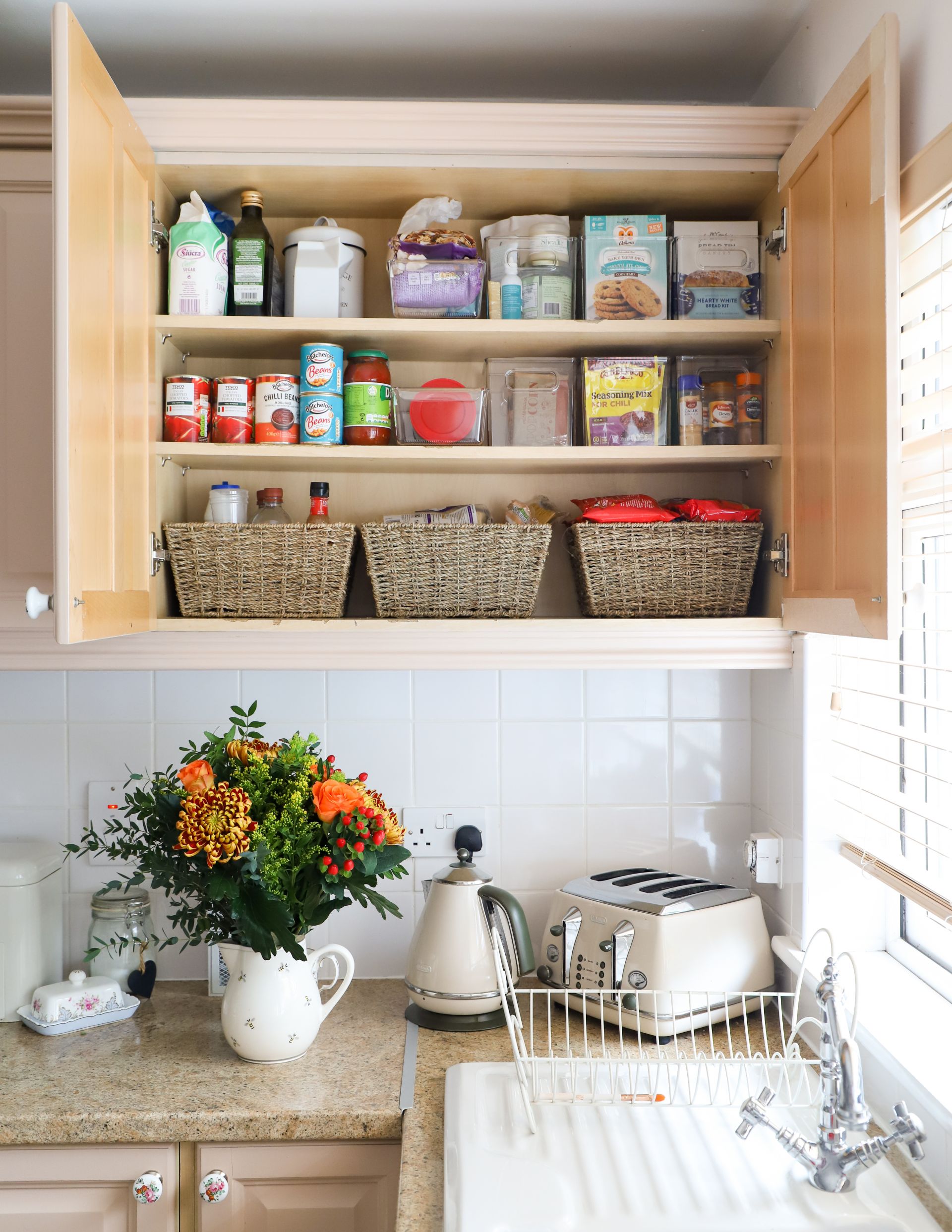
Image Source: www.daintydressdiaries.com
Getting Started: The Great Kitchen Cupboard Declutter
Before you can start arranging, you need to make space. This means tackling the clutter head-on. When you declutter kitchen cupboards, you’re not just removing items; you’re making room for better organization.
Step 1: Empty Everything
Yes, everything. Take out all the contents from your cabinets and drawers. This is the only way to get a true sense of what you have and what you need to get rid of. Use your countertops or a large dining table as temporary staging areas.
Step 2: Sort and Purge
Go through each item and ask yourself these questions:
- When did I last use this? If it’s been over a year, it’s probably time to let it go.
- Do I have duplicates? Keep the best one and donate or discard the rest.
- Is it broken or expired? Check expiration dates on food items, spices, and even cookware. Discard anything damaged.
- Do I actually like or need this? Be honest with yourself. Those novelty gadgets or items you received as gifts but never used can go.
Create three piles:
- Keep: Items you use regularly and love.
- Donate/Sell: Items in good condition that you no longer need.
- Discard: Broken, expired, or unusable items.
Step 3: Clean Your Empty Cupboards
With everything out, it’s the perfect time to give your cabinets a good cleaning. Wipe down shelves, remove any crumbs or sticky residue, and consider a fresh liner if desired.
Strategic Arrangement: Organizing Your Kitchen Cabinets for Efficiency
Now that you’ve decluttered, it’s time to organize kitchen cabinets in a way that makes sense for how you use your kitchen. Think about workflow and accessibility.
Grouping Similar Items
The most fundamental principle of kitchen cupboard organization is to group like items together. This makes it easy to find what you need.
- Baking Supplies: Flour, sugar, baking soda, extracts, sprinkles, cookie cutters, baking pans, mixing bowls.
- Everyday Dishes: Plates, bowls, mugs, glasses you use daily.
- Special Occasion Dishes: China, serving platters, glassware for entertaining.
- Pots and Pans: Keep them near the stove.
- Spices and Seasonings: Ideally near your prep area or stove.
- Canned Goods and Dry Goods: Your pantry staples.
- Small Appliances: Mixers, blenders, toasters.
- Cleaning Supplies: Under the sink is usually the best place.
- Food Storage Containers: Group all your Tupperware, glass containers, and lids together.
Zone Your Kitchen
Think about your kitchen as different zones based on activity. This helps dictate where things should be stored.
- Prep Zone: Knives, cutting boards, mixing bowls, spices, oils, vinegars. Keep these close to your main counter space.
- Cooking Zone: Pots, pans, cooking utensils, oven mitts, baking sheets. Store these near the stove and oven.
- Dishware Zone: Plates, bowls, glasses, cutlery. Place these near the dishwasher or sink for easy unloading.
- Pantry Zone: Canned goods, dry pasta, rice, snacks, cereals. Group all your food items here.
- Cleaning Zone: Dish soap, sponges, cleaning sprays, trash bags. Typically under the sink.
Maximizing Kitchen Storage: Smart Solutions for Every Cabinet
Once you know where things should go, it’s time to implement kitchen storage solutions to maximize every inch of space.
Utilize Vertical Space
Many cabinets have wasted vertical space. Shelf dividers kitchen and stackable shelves can double your storage capacity.
Shelf Dividers and Risers
- Adjustable Shelf Dividers: These can be slid into place to create custom compartments for plates, baking sheets, or cutting boards.
- Stackable Shelves: Add an extra layer of shelving in taller cabinets to store more dishes, cans, or jars. This is a game-changer for pantry organization ideas.
- Under-Shelf Baskets: These slide onto existing shelves to create extra storage for smaller items like spice packets or tea bags.
Stacking Pots and Pans
Instead of nesting them all in one stack, consider vertical pan organizers or tiered racks. This allows you to grab a pan without pulling out the entire stack.
Kitchen Drawer Organization Strategies
Drawers can become chaotic quickly. Investing in drawer organizers is crucial for kitchen drawer organization.
Drawer Dividers and Inserts
- Cutlery Trays: The classic solution for keeping forks, knives, and spoons separate.
- Adjustable Drawer Dividers: Perfect for larger drawers holding utensils, gadgets, or towels. You can customize them to fit your needs.
- Spice Drawer Inserts: Angled inserts allow you to see spice labels easily when they are laid flat.
- Utensil Organizers: Deep drawers benefit from deeper organizers that can hold larger cooking utensils.
Maximize Deep Drawers
For deep drawers holding pots or small appliances, consider using stackable bins or risers to keep items tidy and accessible.
Clever Cabinet Organizers
There are many specialized cabinet organizers designed to make your life easier.
Turntables (Lazy Susans)
- Corner Cabinets: Perfect for making those hard-to-reach corners accessible. Store spices, oils, condiments, or cleaning supplies.
- Refrigerator: Great for keeping condiments, jars, and smaller items organized and visible.
Pull-Out Shelves and Baskets
- Lower Cabinets: Installing pull-out shelves makes it much easier to access items stored at the back of deep cabinets, especially heavy pots or appliances.
- Pantry Shelves: Pull-out baskets are excellent for pantry organization ideas, allowing you to easily access bags of chips, pasta, or snacks.
Door Organizers
- Cabinet Doors: Utilize the inside of cabinet doors for storing lids, foil and plastic wrap boxes, or even small cleaning brushes.
- Pantry Doors: Hang organizers for spices, cleaning bottles, or small bags.
Specialty Organizers
- Plate Racks: Keep plates upright and prevent them from chipping.
- Lid Organizers: Vertical racks or wall-mounted holders for pot lids.
- Cutting Board Racks: Store cutting boards vertically to save space.
Smart Food Storage Containers
Using proper food storage containers is key to both organization and food preservation.
Decanting Dry Goods
- Airtight Containers: Transfer dry goods like flour, sugar, pasta, rice, cereal, and snacks into clear, airtight containers. This keeps them fresh longer, prevents pests, and creates a uniform look in your pantry.
- Stackable Containers: Choose containers that stack efficiently to maximize vertical space in your cabinets and pantry.
- Labeling: Don’t forget to label your containers with the contents and expiration date.
Refrigerator and Freezer Organization
- Clear Bins: Use clear bins to group similar items in the refrigerator (e.g., yogurts, cheeses, produce). This makes it easy to see what you have and prevents items from getting lost.
- Tiered Shelving: If your fridge has adjustable shelves, use them to create different levels for better visibility.
- Freezer Bags and Containers: Use resealable bags and stackable containers for efficient freezer storage.
Putting It All Together: Arranging Specific Kitchen Cupboards
Let’s get specific about how to arrange different types of kitchen cupboards for maximum space and efficiency.
The Base Cabinets (Under the Counter)
These are typically the deepest cabinets and often the hardest to organize.
For Pots and Pans:
- Stacking Pans: Use a tiered pan organizer or store them vertically if you have a rack.
- Lids: Store lids vertically in a separate rack or in a designated drawer.
- Oven Mitts/Pot Holders: Keep these in a nearby drawer or hanging on hooks inside the cabinet door.
- Baking Sheets and Muffin Tins: Store them vertically using dividers or racks.
For Dishes and Bowls:
- Everyday Dishes: Stack plates and bowls on shelves. Use stackable shelf risers if you have tall cabinets to create an extra level.
- Serving Dishes: Store larger serving platters and bowls on lower shelves or in a dedicated cabinet.
For Small Appliances:
- Frequently Used: Keep items like toasters or blenders on the counter or in easily accessible base cabinets.
- Less Frequently Used: Store less-used appliances in higher or less accessible cabinets. Consider pull-out shelves for heavy items like stand mixers.
The Wall Cabinets (Above the Counter)
These are great for everyday items you want to keep within easy reach.
For Glasses and Mugs:
- Stacking: Stack mugs if they are designed for it.
- Glasses: Store glasses on shelves, perhaps with a riser to add another layer if the cabinet is tall.
- Specialty Glassware: Keep wine glasses or decorative glasses on higher, less frequently accessed shelves.
For Spices and Condiments:
- Tiered Risers: Excellent for making spice jars visible and accessible.
- Turntables: Ideal for corner cabinets or deeper wall cabinets.
- Drawer Inserts: If you have a dedicated spice drawer, use angled inserts.
For Canned Goods and Dry Goods (Mini-Pantry):
- Tiered Risers: Arrange cans on a tiered riser so you can see all labels.
- Stackable Bins: Group smaller items or bags in stackable bins.
- Labeling: Clearly label everything.
The Pantry
This is where your main food storage resides. Pantry organization ideas are crucial here.
Categorize and Conquer:
- Baking Supplies: Group flour, sugar, baking soda, extracts, etc.
- Breakfast Items: Cereals, oatmeal, pancake mix.
- Dinner Staples: Pasta, rice, grains, canned tomatoes, sauces.
- Snacks: Crackers, chips, cookies, nuts.
- Beverages: Tea, coffee, juice boxes.
- Oils and Vinegars: Keep them together, perhaps on a turntable.
Maximize Shelf Space:
- Stackable Shelves: Add extra layers to tall pantry shelves.
- Clear Bins and Baskets: Group smaller items or bags of snacks. Label them!
- Turntables: Essential for condiments, jars, and oils in deeper pantries.
- Door Organizers: Utilize the pantry door for spices, foil, or small packaged goods.
The Sink Cabinet
This is often the most challenging cabinet to organize due to plumbing.
- Cleaning Supplies: Store cleaning sprays, dish soap, sponges, and trash bags here.
- Under-Sink Organizers: Use pull-out drawers or tiered shelves designed to fit around pipes.
- Hooks: Hang brushes or gloves on hooks attached to the cabinet door.
- Fire Safety: Keep flammable cleaning supplies away from heat sources.
Tips for Maintaining Your Organized Kitchen
Organizing your kitchen cupboards for max space is one thing; keeping them that way is another.
Regular Purges
Schedule a mini-declutter session every few months. Check expiration dates and identify items you haven’t used.
Put Items Back Immediately
The key to maintaining organization is to put things back in their designated spots as soon as you’re done with them.
Label Everything
Clear labels on containers, bins, and even shelves can make it easy for everyone in the household to find and return items correctly.
Adjust as Needed
Your kitchen habits might change. Don’t be afraid to re-evaluate your system and make adjustments as needed.
Frequently Asked Questions (FAQ)
Q1: How often should I declutter my kitchen cupboards?
A1: It’s a good practice to do a thorough declutter at least once a year, with smaller mini-purges every 3-6 months to keep things in check.
Q2: What are the best cabinet organizers for deep cabinets?
A2: For deep cabinets, consider pull-out shelves, tiered risers, and stackable bins. These help you access items at the back and utilize the vertical space more effectively.
Q3: Should I store spices in a drawer or on a shelf?
A3: Both can work well! Spice drawers with angled inserts allow for easy visibility of labels. Tiered shelf risers in wall cabinets also work well. The best option depends on your kitchen layout and personal preference.
Q4: How can I organize my food storage containers?
A4: The best way to organize food storage containers is to nest the containers and store the lids separately but vertically in a drawer or on a rack. This prevents the dreaded avalanche of plastic.
Q5: Is it worth investing in pantry organization ideas like containers?
A5: Yes, absolutely! Airtight, stackable food storage containers not only keep your pantry neat and maximize space but also help keep food fresher for longer, reducing waste. Labeling them is key!
By implementing these strategies, you can transform your kitchen cupboards from cluttered chaos to organized efficiency, truly maximizing your kitchen storage space. Happy organizing!