
How To Arrange Kitchen: Your Ultimate Guide
A well-arranged kitchen is the heart of an efficient and enjoyable home. Knowing how to arrange your kitchen is key to a smooth-running household. This guide provides actionable steps for achieving optimal kitchen organization, from initial decluttering to maximizing every inch of space. We’ll cover everything from crafting the perfect kitchen layout for your needs to implementing smart small kitchen storage solutions and perfecting your pantry organization. Get ready to transform your kitchen into a functional paradise.
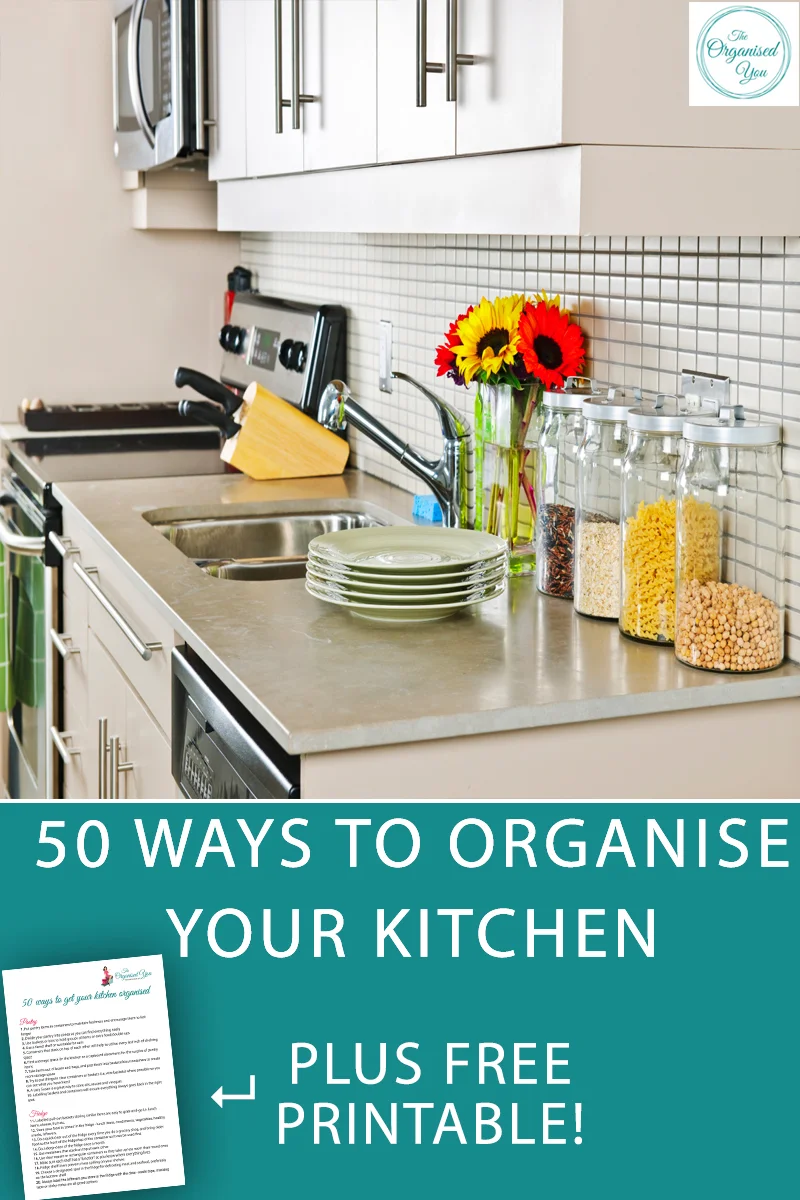
Image Source: images.squarespace-cdn.com
Getting Started: The Foundation of Kitchen Arrangement
Before you start moving things around, a foundational understanding of your current kitchen and your goals is crucial. This involves honest assessment and strategic planning.
1. The Great Kitchen Decluttering: Less is More
The first, and perhaps most critical, step in any kitchen arrangement project is thorough kitchen decluttering. This process isn’t just about tidying up; it’s about making conscious decisions about what you truly need and use.
Why Declutter?
- Improved Efficiency: When you know where everything is and don’t have duplicates or broken items cluttering your space, your kitchen workflow becomes significantly smoother.
- More Usable Space: Removing unnecessary items frees up valuable real estate, especially crucial for small kitchen storage.
- Mental Clarity: A tidy, organized kitchen reduces stress and makes cooking and cleaning more pleasant.
The Decluttering Process: A Step-by-Step Approach
- Empty Everything: Start by emptying one area at a time – a cabinet, a drawer, the pantry. This allows you to see everything you have.
- Categorize and Sort: Create distinct piles: Keep, Donate, Trash, Relocate (items that belong elsewhere in the house).
- The “When Was The Last Time?” Rule: For items you’re unsure about, ask yourself when you last used them. If it’s been over a year and it’s not a specialty item (like holiday baking pans), it might be time to let it go.
- Check Expiration Dates: Be ruthless with expired food items in your pantry and refrigerator.
- Test Functionality: Get rid of appliances, gadgets, or utensils that are broken, don’t work properly, or have missing parts.
- One In, One Out: Once you’ve decluttered, adopt a policy of removing one item for every new item that enters your kitchen.
2. Defining Your Kitchen Layout: Functionality First
Your kitchen layout significantly impacts how easily you can move around and prepare food. The goal is to create a logical flow, often referred to as the kitchen workflow.
The Work Triangle: A Classic Concept
The traditional kitchen work triangle connects the sink, refrigerator, and stove/cooktop. The idea is to minimize steps between these key areas.
- Sink: The primary food preparation and cleaning station.
- Refrigerator: Where you store your food.
- Stove/Cooktop: Where you cook.
The distance between these points should be manageable – not too far apart to be inconvenient, but not too close to feel cramped.
Modern Kitchen Layout Considerations
While the work triangle is a good starting point, modern kitchens often incorporate additional zones:
- Prep Zone: An area dedicated to chopping, mixing, and assembling. This often includes ample countertop space and proximity to the sink and trash bin.
- Cooking Zone: Centered around the stove and oven, with easy access to pots, pans, utensils, and spices.
- Cleaning Zone: Dominated by the sink and dishwasher, with space for drying racks and cleaning supplies.
- Storage Zone: Primarily your pantry and cabinets for dry goods, dishes, and small appliances.
- Serving/Eating Zone: If you have a breakfast nook or island seating.
When arranging your kitchen, consider how you most commonly use your space. Do you do a lot of baking? Prioritize prep space. Do you entertain often? Ensure easy access to serving dishes.
Maximizing Storage: Smart Solutions for Every Space
Once decluttered and with a clear layout in mind, the next step is to optimize your storage. This is where clever kitchen organization comes into play.
3. Mastering Cabinet Organization: Taming the Cupboards
Cabinets are often the workhorses of kitchen storage. Effective cabinet organization is key to accessing what you need quickly and efficiently.
Zone Your Cabinets
Think about what you store where.
- Everyday Dishes & Glasses: Store near the dishwasher or sink for easy unloading.
- Pots, Pans & Lids: Keep near the stove. Consider stackable options or lid organizers.
- Food Storage Containers: Store near your prep area or pantry.
- Baking Supplies: Group together for easy access when baking.
- Small Appliances: Store less frequently used appliances in higher or lower cabinets.
Utilize Cabinet Organizers
These tools can dramatically improve cabinet organization:
- Shelf Risers/Expandable Shelves: Create extra vertical space for plates, bowls, or canned goods.
- Pull-Out Shelves/Drawers: Make accessing items at the back of deep cabinets much easier.
- Lazy Susans (Turntables): Perfect for corner cabinets or storing spices and oils, allowing you to spin items into view.
- Lid Organizers: Keep pot lids tidy and accessible.
- Under-Shelf Baskets: Add extra storage below existing shelves for smaller items like packets or napkins.
- Door Organizers: Can be mounted on cabinet doors to hold spices, foil, plastic wrap, or cleaning supplies.
Strategic Placement
- Heavy Items: Store heavier pots, pans, and appliances on lower shelves or in pull-out drawers to prevent strain and potential accidents.
- Frequently Used Items: Keep them at eye level and within easy reach.
- Infrequently Used Items: Store these on higher shelves or in the back of cabinets.
4. Perfecting Pantry Organization: The Food Storage Hub
A well-organized pantry is a game-changer for kitchen efficiency. It prevents food waste and makes meal planning a breeze.
Decanting for Clarity
- Airtight Containers: Transfer dry goods like pasta, rice, flour, sugar, cereal, and snacks into clear, airtight containers. This keeps food fresh, deters pests, and allows you to see inventory at a glance.
- Uniformity: Using similar containers creates a visually appealing and organized look.
- Labeling: Clearly label each container with the contents and, if applicable, the expiration date.
Creating Zones within the Pantry
- Baking Supplies: Group flour, sugar, baking soda, vanilla, etc.
- Breakfast Items: Cereals, oatmeal, pancake mix.
- Snack Items: Granola bars, crackers, chips.
- Dinner Staples: Pasta, rice, grains, canned vegetables, sauces.
- Oils & Vinegars: Group cooking oils, vinegars, and other liquid flavorings.
- Spices: If not in cabinets, dedicate a shelf or tiered rack.
Maximizing Pantry Space
- Tiered Shelving/Risers: Excellent for canned goods, allowing you to see what’s behind the front row.
- Wire Baskets: Ideal for produce like potatoes and onions, or for corralling bags of snacks.
- Over-the-Door Organizers: Can hold spices, small jars, or packets.
- Turntables: Useful for oils, sauces, or jars.
Small Kitchen Storage for Pantries
If you have a small kitchen with limited pantry space, consider:
- Using Wall Space: Install narrow shelves for spices or frequently used cans.
- Stackable Containers: Maximize vertical space.
- Under-Shelf Baskets: Add storage below pantry shelves.
5. Drawer Organization: Unlocking Hidden Potential
Drawers can quickly become chaotic junk drawers if not managed properly. Dedicated drawer organization systems are essential.
Drawer Dividers: Your Best Friend
- Utensil Drawers: Use adjustable dividers to create separate compartments for forks, knives, spoons, and cooking utensils.
- Gadget Drawers: Dedicate a drawer for smaller gadgets like peelers, graters, can openers, and measuring spoons. Use dividers to keep them separated and easy to find.
- Linen Drawers: Keep dish towels, oven mitts, and aprons neatly folded and separated.
Specialty Drawer Inserts
- Knife Blocks: For safety and proper blade care.
- Spice Drawer Inserts: Angled inserts so you can read spice labels easily.
- Cutlery Trays: Traditional trays or custom inserts for silverware.
Grouping Like Items
Store similar items together. For example, all your baking utensils in one drawer, all your cooking utensils in another.
6. Countertop Organization: Keeping Surfaces Clear
Cluttered countertops can make a kitchen feel smaller and less functional. Prioritize countertop organization for a cleaner, more efficient workspace.
The Essentials Only Rule
Your countertops should primarily be for items used daily or that are actively being used in meal prep.
-
What to Keep Out:
- Everyday appliances (coffee maker, toaster).
- Frequently used utensils in a crock near the stove.
- A small fruit bowl.
- A decorative item or two.
- Kitchen essentials like a cutting board and chef’s knife.
-
What to Put Away:
- Small appliances that aren’t used daily.
- Mail, keys, or random clutter.
- Excessive décor.
- Cleaning supplies not in immediate use.
Utilizing Vertical Space on Countertops
- Tiered Stands: For displaying fruit or holding frequently used items like salt and pepper.
- Utensil Crocks: Keep spatulas, whisks, and spoons handy near the stove.
- Wall-Mounted Spice Racks: Frees up cabinet or countertop space.
Maintaining Cleanliness
- Wipe Down Regularly: A quick wipe of your countertops at the end of each cooking session helps maintain order.
- Have a Designated Spot for Everything: When items have a “home,” they’re less likely to end up scattered on the counter.
Enhancing Kitchen Efficiency: Streamlining Your Workflow
Ultimately, good kitchen arrangement leads to better kitchen efficiency. It’s about making every task easier and faster.
7. Optimizing the Kitchen Workflow: How You Move Matters
Your kitchen workflow refers to the sequence of actions you take to prepare and cook meals. Arranging your kitchen to support this flow is crucial.
Key Workflow Stages:
- Food Storage & Retrieval: Getting ingredients from the fridge, pantry, or cabinets.
- Preparation: Washing, chopping, mixing on the countertop.
- Cooking: Using the stove, oven, or microwave.
- Plating & Serving: Getting food onto plates.
- Cleaning: Washing dishes, wiping surfaces.
Arranging for Flow:
- Prep Zone Proximity: Ensure your primary prep area (countertop space) is located between the sink and the stove. This minimizes steps when washing and chopping ingredients before cooking.
- Utensil & Spice Placement: Keep commonly used utensils and spices close to the stove.
- Trash & Recycling Accessibility: Ensure bins are easily accessible from the prep and cooking areas.
- Dishwasher Location: Ideally, the dishwasher is near the sink and the main dish storage area.
8. Small Kitchen Storage Strategies: Making Every Inch Count
Small kitchens present unique challenges, but with the right strategies, they can be incredibly functional and efficient.
Go Vertical
- Tall, Narrow Cabinets: Maximize vertical space from floor to ceiling.
- Wall-Mounted Shelving: Use walls for spice racks, utensil rails, or open shelving for frequently used items.
- Hanging Pot Racks: Frees up cabinet space and adds a decorative element.
Multi-Functional Furniture & Accessories
- Kitchen Carts/Islands: Can provide extra prep space, storage, and sometimes even dining.
- Collapsible/Nesting Bowls and Utensils: Save space when not in use.
- Over-the-Sink Drying Racks: Utilize the space above your sink.
Utilize Cabinet and Drawer Interiors Fully
- Slim Pull-Out Organizers: For spices or cleaning supplies in narrow cabinet spaces.
- Drawer Dividers: Essential for keeping small items organized.
- Under-Shelf Baskets: Add a second layer of storage within cabinets.
Think Inside the Fridge and Freezer
- Stackable Bins: Organize items and prevent rolling.
- Door Organizers: For condiments and small jars.
Maintaining Your Organized Kitchen: Long-Term Success
Arranging your kitchen isn’t a one-time event. Regular maintenance is key to keeping it organized and efficient.
9. Daily Habits for Kitchen Efficiency
- Clean as You Go: Wash dishes or load the dishwasher immediately after cooking. Wipe down counters and the stovetop after use.
- Put Items Away: Don’t let things accumulate on the counters. Return items to their designated homes immediately after use.
- Quick Tidy: Spend 5-10 minutes at the end of each day putting stray items back in their places.
10. Weekly and Monthly Kitchen Maintenance
- Pantry Check: Wipe down shelves, check expiration dates, and restock as needed.
- Fridge Clean-Out: Discard old leftovers and wipe down shelves.
- Drawer and Cabinet Wipe-Down: Quickly wipe down the insides of frequently used drawers and cabinets.
- Deep Declutter (Quarterly/Annually): Revisit your decluttering process every few months to catch items that have crept back in.
Putting It All Together: A Checklist for Your Ideal Kitchen
Here’s a quick checklist to guide your kitchen arrangement:
- [ ] Declutter: Remove anything you don’t use, need, or love.
- [ ] Assess Layout: Consider your kitchen workflow and identify key zones.
- [ ] Cabinet Strategy: Group similar items, use organizers, and store by frequency of use.
- [ ] Pantry Plan: Decant, label, and zone your dry goods.
- [ ] Drawer Management: Use dividers and group like items.
- [ ] Countertop Clarity: Keep surfaces clear, displaying only essentials.
- [ ] Efficiency Focus: Ensure your layout supports a smooth workflow.
- [ ] Small Kitchen Solutions: Maximize vertical space and use multi-functional items.
- [ ] Habit Formation: Implement daily and weekly maintenance routines.
By following these steps, you can transform your kitchen into a well-arranged, highly functional, and enjoyable space that supports your culinary adventures and daily life with ease.
Frequently Asked Questions (FAQs)
Q1: How often should I declutter my kitchen?
A1: It’s beneficial to do a quick declutter weekly (like checking the fridge for old food) and a more thorough declutter of cabinets and pantry every 3-6 months. This prevents clutter from accumulating and keeps your kitchen running efficiently.
Q2: What is the most important zone in a kitchen layout?
A2: While all zones are important, the preparation zone is often considered the most critical as it’s where the majority of hands-on food work happens. It should be strategically placed between the sink and the stove for optimal workflow.
Q3: My kitchen is tiny. What are the best small kitchen storage ideas?
A3: For small kitchens, focus on going vertical (wall shelves, hanging racks), using multi-functional items (kitchen carts), maximizing cabinet interiors (dividers, under-shelf baskets), and keeping countertops as clear as possible by storing appliances away when not in use.
Q4: How do I organize my pantry if I don’t have a dedicated pantry room?
A4: If you lack a dedicated pantry, utilize a section of your kitchen cabinets. Decant dry goods into airtight containers, use tiered shelves for cans, wire baskets for produce, and consider over-the-door organizers or narrow pull-out shelves to maximize space. Labeling is key!
Q5: What are the most effective cabinet organization tools?
A5: Effective cabinet organization tools include shelf risers, pull-out drawers, lazy Susans (turntables), lid organizers, and door-mounted racks. These help you utilize every inch of cabinet space and make items easily accessible.