
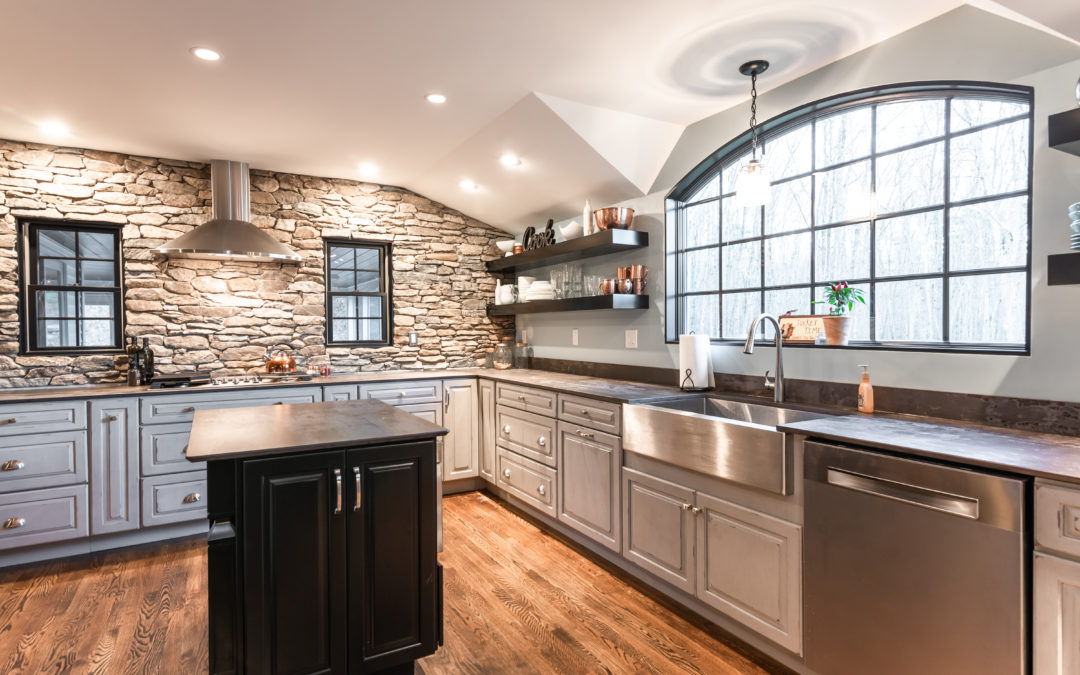
Image Source: fairviewkitchens.com
How To Add Texture In Kitchen: Easy Ideas
Can you add texture to your kitchen? Absolutely! Adding texture to your kitchen is a fantastic way to make it more inviting and visually interesting. What is texture in kitchen design? It refers to how surfaces feel to the touch and how they look, contributing to the overall sensory experience of the space. This article explores simple and effective ways to introduce tactile surfaces and create visual depth, transforming your kitchen into a more engaging and dynamic environment. We’ll delve into how to achieve a rich tapestry of sensory experience through thoughtful material choices and design elements.
Why Texture Matters in Kitchen Design
A kitchen often functions as the heart of the home, a place for cooking, gathering, and connecting. While practicality is paramount, aesthetics play a crucial role in creating a comfortable and enjoyable atmosphere. Texture is a powerful design tool that can elevate a kitchen from merely functional to truly captivating. It adds surface interest, preventing a space from feeling flat or sterile. Think about the difference between a smooth, painted wall and one clad in natural stone or wood – the latter immediately evokes a warmer, more inviting feel.
Grasping the importance of texture involves recognizing its impact on multiple senses:
- Touch: Tactile surfaces invite interaction. The cool smoothness of marble, the rough grain of wood, the subtle patterns on tile – these all contribute to how we physically engage with our environment. In a kitchen, where we’re constantly interacting with countertops, cabinets, and backsplashes, the feel of these materials is significant.
- Sight: Texture creates visual depth. Even without touching, the way light plays on different surfaces – highlighting shadows and contours – adds dimension. A bumpy finish will look different from a glossy one, creating variations that draw the eye.
- Atmosphere: Texture significantly influences the overall mood of a kitchen. Rough, natural textures can create a cozy, rustic feel, while smooth, sleek textures can contribute to a modern, minimalist aesthetic.
Introducing Tactile Surfaces Through Cabinetry
Kitchen cabinets are the largest visual element in most kitchens, making them a prime opportunity to inject texture. Forget plain, flat-fronted doors; explore options that offer tactile design and surface interest.
Exploring Cabinet Finishes
The finish of your cabinets can dramatically alter their textural appeal.
- Wood Grain: Unfinished or lightly finished wood cabinets offer a beautiful, natural texture. The inherent grain patterns provide visual depth and a tactile experience that is both grounding and sophisticated. Consider oak, walnut, or even reclaimed wood for a more rustic feel.
- Shaker Style: The recessed panels in Shaker-style cabinets create subtle shadow lines and dimensional walls within the cabinetry itself. This adds surface interest without being overpowering.
- Textured Laminates and Veneers: Modern manufacturing offers a wide range of laminates and veneers that mimic the look and feel of natural materials like wood, stone, or even fabric. These can be a cost-effective way to achieve a rich tactile experience.
- Matte vs. Glossy: While glossy finishes are sleek, matte finishes can often feel warmer and more inviting, with a softer tactile surface.
- Painted Finishes with Texture: Consider paints with subtle textures, like limewash or chalk paint, applied to cabinet doors. These create unique, tactile elements that add character.
Hardware as a Textured Accent
Don’t overlook cabinet hardware! It’s a small detail that can make a big impact on the tactile experience of your cabinets.
- Knobs and Pulls: Opt for hardware with interesting shapes, finishes, or even embedded textures. Think hammered metal, brushed bronze, or carved wood. These provide direct tactile surfaces every time you open a drawer or cabinet.
- Material Contrast: Mixing materials for your hardware can also enhance the material contrast. For example, pairing wooden cabinets with matte black metal pulls creates a distinct textural interplay.
Countertops: Where Function Meets Tactile Delight
Your kitchen countertops are frequently touched surfaces, making them crucial for introducing a rich sensory experience. The choice of material here significantly impacts both the look and feel of your kitchen.
Natural Stone Options
Natural stones are renowned for their inherent beauty and unique textures.
- Granite: Known for its durability and varied patterns, granite can have a naturally speckled or veined appearance that adds visual depth. Some granite finishes are honed or leathered, offering a softer, more textured feel than highly polished surfaces.
- Marble: Marble exudes luxury with its veining and often polished, cool surface. While typically smooth, some marbles have a more pronounced veining that creates a subtle surface interest.
- Quartzite: Similar to granite, quartzite offers durability and stunning natural patterns that contribute to visual depth. Its texture can range from smooth to slightly undulating.
- Soapstone: This soapstone is prized for its silky, matte finish that develops a beautiful patina over time. Its inherent softness provides a unique tactile surface that many find incredibly appealing. It’s a prime example of tactile design that ages gracefully.
Other Textured Countertop Materials
Beyond natural stone, other materials offer excellent textural possibilities.
- Butcher Block: Wooden countertops provide a warm, natural texture. The grain of the wood offers surface interest and a pleasant tactile experience. Over time, butcher block develops a unique character through use and care.
- Concrete: Concrete countertops can be customized to achieve various textures, from smooth and polished to more rustic, troweled finishes. This offers a modern, industrial feel with a distinct tactile surface.
- Textured Tile: While less common for large countertop areas, mosaic tiles or tiles with embossed patterns can introduce intricate tactile elements and visual depth, especially for backsplashes or smaller prep areas.
Backsplashes: A Canvas for Textured Design
The backsplash is an excellent opportunity to add a significant amount of surface interest and tactile elements to your kitchen, often without overhauling your entire space.
Tile Choices for Texture
Tiles offer an almost endless array of textural possibilities.
- Subway Tile: While classic, subway tiles laid in a traditional brick pattern create subtle shadow lines, adding a touch of visual depth. Consider glazed tiles with a slight variation in finish for added surface interest.
- Mosaic Tiles: Small mosaic tiles, whether glass, stone, or ceramic, create a highly textured and intricate surface. The grout lines themselves contribute to the overall tactile experience.
- Textured Ceramic or Porcelain: Many ceramic and porcelain tiles are manufactured with embossed patterns, raised designs, or matte finishes that mimic natural materials like stone or fabric. These provide distinct tactile surfaces.
- Dimensional Tiles: Tiles with 3D patterns, like beveled edges or geometric shapes, create significant dimensional walls and catch the light in interesting ways, adding dynamism to your backsplash.
- Natural Stone Backsplashes: Using materials like stacked stone or slate for a backsplash can bring a dramatic and rugged texture into the kitchen, offering a truly authentic tactile experience. This is a strong example of tactile design.
Beyond Tile: Other Backsplash Textures
Don’t limit yourself to traditional tiles.
- Metal Panels: Brushed or hammered metal panels can add a sleek, industrial texture. Stainless steel, copper, or even tin tiles can provide a distinct material contrast.
- Glass: Frosted or textured glass backsplashes can offer a subtle play of light and shadow, adding visual depth without an overtly rough texture.
- Wood Paneling: Properly sealed wood paneling can offer warmth and a natural grain, creating a cozy tactile surface.
Flooring: The Foundation of Tactile Experience
Your kitchen floor is a large surface that you interact with daily, so its texture is crucial for the overall sensory experience.
Material Considerations
- Natural Stone Tiles: Travertine, slate, or textured ceramic tiles offer beautiful patterns and natural variations that contribute to surface interest and provide a pleasant tactile surface. Consider unpolished finishes for better slip resistance.
- Wood Flooring: Hardwood floors, especially those with a natural grain or a slightly distressed finish, offer warmth and a classic tactile experience.
- Laminate and Vinyl: Modern options in laminate and vinyl flooring can convincingly mimic the look and feel of natural wood or stone, offering a budget-friendly way to introduce texture. Look for products with embossed textures for added realism.
- Textured Porcelain Tiles: Porcelain tiles with a textured finish, designed to resemble wood, stone, or even concrete, can provide both durability and a desirable tactile surface.
Rugs and Mats
Area rugs and floor mats are an easy and effective way to add immediate tactile elements to your kitchen floor, especially in high-traffic areas or in front of the sink.
- Natural Fiber Rugs: Jute, sisal, or wool rugs offer a pleasingly rough tactile surface and an earthy aesthetic.
- Patterned Rugs: Rugs with woven patterns or raised textures can add both visual depth and a more pronounced tactile experience.
Walls: Creating Dimensional Interest
While often painted, your kitchen walls can also be a canvas for textural exploration, creating dimensional walls and adding surface interest.
Beyond Paint
- Textured Paint Finishes: As mentioned for cabinets, limewash, Venetian plaster, or even a slightly sand-textured paint can add subtle tactile elements and a unique finish to your walls.
- Wallpaper: Modern wallpapers come in a vast array of textures, from embossed patterns that mimic fabric to faux finishes that resemble wood or stone. This is a great way to introduce surface interest without extensive renovation.
- Wall Paneling: Beadboard, shiplap, or decorative wood panels can create dimensional walls with a classic or rustic appeal. These offer a distinct tactile experience.
- Exposed Brick or Stone: If you’re lucky enough to have exposed brick or stone, embrace it! These natural materials provide incredible tactile surfaces and a rich, historical feel. If you don’t have existing elements, consider a faux brick or stone veneer for a similar effect.
- Tile Accents: Using decorative tiles as an accent on a wall, perhaps above a sink or around a range hood, can introduce material contrast and surface interest without overwhelming the space.
Lighting: Enhancing Texture
Lighting plays a crucial role in how we perceive texture. The right lighting can highlight the contours and patterns of your chosen materials, enhancing their tactile qualities and visual depth.
- Task Lighting: Focused task lighting, such as under-cabinet lights, can illuminate the textures of your countertops and backsplashes, making them more noticeable and inviting.
- Accent Lighting: Spotlights directed at textured walls or decorative elements can create dramatic shadows and highlights, emphasizing the tactile design and adding visual depth.
- Ambient Lighting: The warmth and diffusion of ambient light can soften textures, creating a more relaxed and inviting atmosphere. Consider fixtures that emit a warm glow to enhance the overall sensory experience.
- Layering Light: Combining different types of lighting allows you to control how textures are perceived throughout the day, offering versatility in the tactile experience.
Introducing Texture Through Accessories and Decor
Even small touches can contribute significantly to the overall tactile experience and surface interest of your kitchen.
- Textiles: Kitchen towels, placemats, rugs, and seat cushions can introduce a variety of textures. Consider linen, cotton, wool, or woven materials.
- Ceramics and Pottery: Handmade pottery, glazed ceramic bowls, or textured vases add a personal touch and inviting tactile elements.
- Wooden Accents: Wooden cutting boards, bowls, or decorative objects bring natural warmth and grain to your countertops and shelves.
- Metal Accents: Stainless steel appliances, copper cookware, or brass decorative items can add a metallic sheen and a different material contrast to your kitchen.
- Plants: Live plants bring organic texture and color, adding life and a natural feel to the space.
Balancing Texture for a Cohesive Kitchen
While embracing texture is exciting, it’s important to strike a balance to avoid an overwhelming or cluttered look.
Creating Harmony with Material Contrast
- Combine Smooth and Rough: Pair a sleek, smooth countertop with a textured backsplash for a pleasing material contrast.
- Vary Finishes: Mix matte and polished finishes on cabinets, hardware, and surfaces to create subtle variations in surface interest.
- Limit Dominant Textures: While layering textures is good, avoid using too many highly textured elements in close proximity. Let key features shine.
The Role of Color
Color can influence how we perceive texture.
- Subtle Colors: Neutral or muted colors can make textures appear more pronounced, allowing the tactile elements to take center stage.
- Bold Colors: Bright colors can sometimes make textures appear flatter, though they can also add vibrancy to a textured surface.
Frequently Asked Questions (FAQ)
Q1: What is the easiest way to add texture to my kitchen?
The easiest ways involve incorporating textiles like rugs and kitchen towels, changing cabinet hardware, or updating your backsplash with a textured tile. These are relatively quick and can make a significant difference in the sensory experience.
Q2: Can I mix different types of wood in my kitchen for texture?
Yes, mixing different wood tones and grain patterns can add rich visual depth and a unique tactile experience, provided it’s done thoughtfully to create harmony rather than chaos.
Q3: How do I clean textured surfaces in the kitchen?
Cleaning methods depend on the material. For natural stone, use pH-neutral cleaners. For wood, use appropriate wood cleaners. Textured tiles might require a grout brush for crevices. Always check manufacturer recommendations.
Q4: What if I have a small kitchen? Can I still add texture?
Absolutely! In a small kitchen, focus on key areas like the backsplash or cabinet hardware. Textured elements can actually make a small space feel more dynamic and inviting. Avoid overwhelming it with too many competing textures.
Q5: How do I ensure my chosen textures are practical for a kitchen environment?
Prioritize durability and ease of cleaning for high-use surfaces like countertops and floors. Consider sealed materials and finishes that can withstand moisture and frequent use. For example, honed or leathered natural stone can offer texture while still being practical.
By thoughtfully incorporating these ideas, you can transform your kitchen into a space that is not only beautiful but also rich in surface interest, inviting tactile surfaces, and a truly engaging sensory experience. Embrace the power of material contrast and tactile design to create dimensional walls and add visual depth that you and your family will love.