
The standard kitchen table height typically falls between 28 and 30 inches from the floor to the tabletop. This measurement is crucial for comfortable dining and ensuring proper ergonomics when seated.
Choosing the right height for your kitchen table is a fundamental decision that impacts both functionality and comfort in your home. It’s not just about aesthetics; the height dictates what kind of chairs you can use, how people will feel sitting at it, and even how it integrates with other kitchen elements. So, how tall is a kitchen table, really? Let’s delve into the world of dining table dimensions and explore the various heights that cater to different needs and styles.
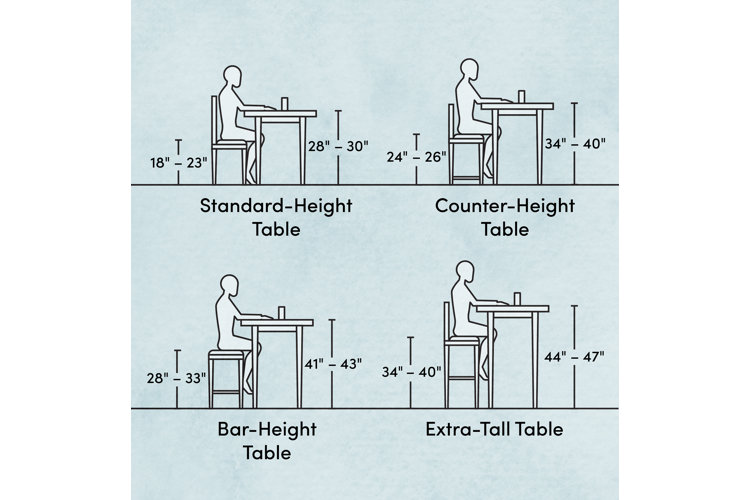
Image Source: assets.wfcdn.com
Standard Kitchen Table Height: The Classic Choice
The most common and widely recognized standard kitchen table height is 29 to 30 inches. This height has been the go-to for decades because it perfectly complements standard dining chairs. When you sit at a table of this height, your knees should fit comfortably underneath, and your elbows should rest at a natural angle on the tabletop when you’re eating.
- Comfort: This height allows for relaxed dining without feeling too high or too low.
- Chair Compatibility: It pairs seamlessly with standard dining chairs, which typically have a seat height of around 17 to 19 inches. This leaves about 11 to 13 inches of legroom, which is ideal.
- Versatility: A standard height table works well in various settings, from formal dining rooms to casual eat-in kitchens.
When considering your own space, think about the seating capacity for kitchen table you envision. A larger table might require more clearance, and the height is a key factor in ensuring everyone has enough elbow room.
Beyond the Standard: Exploring Other Table Heights
While the 29-30 inch mark is the standard, the world of kitchen and dining furniture offers other popular heights, each designed for specific purposes and aesthetics.
Counter Height Tables: A Modern Trend
Counter height table size typically ranges from 34 to 36 inches. These tables are designed to be used with counter stools, which have seat heights of 24 to 26 inches. This creates a comfortable seating arrangement where your legs can still tuck under the table, but you’re sitting higher than at a standard dining table.
- Casual Feel: Counter height tables lend a more relaxed, contemporary vibe to a kitchen or dining area.
- Space Saving: They can often double as a breakfast bar, separating kitchen areas or providing a casual gathering spot without taking up as much visual space as a larger dining set.
- Integration with Kitchen Design: Many modern kitchens feature islands or countertops at a counter height, making a counter height dining table a natural extension of the kitchen’s design. This relates to the question of the best height for kitchen island, as matching dining table height can create a cohesive look.
When selecting a counter height table, remember to consider the average kitchen table width you need to accommodate your guests comfortably, even in a more casual setting.
Bar Height Tables: For a Pub-Like Atmosphere
Bar height table dimensions are generally between 40 to 42 inches. These tables are meant to be paired with bar stools that have seat heights of 28 to 30 inches. They offer the highest seating position among common dining table types.
- Distinct Style: Bar height tables evoke a sophisticated, pub-like atmosphere.
- Verticality: They draw the eye upward, which can make smaller spaces feel larger.
- Ideal for Gatherings: Perfect for casual entertaining and quick meals, they encourage mingling and a more social dining experience.
It’s important to note the difference between table height vs counter height. Bar height tables are significantly taller, and require correspondingly taller stools.
Breakfast Nook Tables: Cozy and Compact
A breakfast nook table size can vary, but they are often smaller and designed to fit into tighter spaces, like a cozy corner. The height can fall into the standard range (29-30 inches) or be slightly lower, particularly if intended for smaller children or a more intimate seating arrangement.
- Space Efficiency: Breakfast nook tables are excellent solutions for utilizing awkward corners or smaller kitchens.
- Intimate Settings: They create a charming and inviting atmosphere for casual meals.
- Customization: Because they are often integrated into built-in seating, their height can be precisely tailored to the bench or banquette.
When planning for a breakfast nook, consider the kitchen table length requirements to ensure it fits comfortably without overwhelming the space.
Factors Influencing Table Height Choice
Several elements should guide your decision when picking the perfect table height.
Chair Height is Key
The most critical factor is the chair height. For comfortable dining, there should be a gap of about 10 to 12 inches between the seat of the chair and the top of the table.
- Standard Dining Chairs: Seat height of 17-19 inches pairs with tables of 29-30 inches.
- Counter Stools: Seat height of 24-26 inches pairs with tables of 34-36 inches.
- Bar Stools: Seat height of 28-30 inches pairs with tables of 40-42 inches.
Always measure your chairs before buying a table, or vice-versa, to ensure a proper fit.
Your Kitchen Layout and Design
Consider how the table will fit into your overall kitchen design.
- Kitchen Islands: If you have a kitchen island, its height can influence your dining table choice. Islands are commonly 36 inches high (counter height). If your island has an overhang for seating, you might opt for a table of similar height for a cohesive look, or a standard height table to create a distinct dining zone. The best height for kitchen island seating often aligns with counter height tables.
- Space: The amount of space you have will dictate not only the dining table dimensions (length and width) but also the visual impact of the table’s height. Taller tables can sometimes make a small space feel more cramped.
- Flow: Ensure there is enough clearance around the table for comfortable movement. You’ll need at least 3 feet (36 inches) of space between the table and walls or other furniture for people to walk around easily.
Intended Use and Lifestyle
Who will be using the table and how will it be used?
- Families with Young Children: Standard height tables are generally best. They are safer and easier for children to get in and out of. If you have very young children, you might even consider a slightly lower table.
- Entertaining Guests: A standard height table is always a safe bet for formal or semi-formal dining. Counter or bar height tables can add a modern, casual touch to gatherings.
- Everyday Meals: For a busy family, a durable and comfortable standard height table is often the most practical choice.
Ergonomics and Comfort
Beyond just fitting chairs, consider the overall ergonomics.
- Knee Clearance: Ensure there’s enough space for legs to comfortably tuck under the table. This is typically 10-12 inches of clearance between the chair seat and the table apron (the underside support structure).
- Elbow Room: When seated, your elbows should be at a comfortable angle when resting on the table. Too high, and you’ll be straining; too low, and you might feel hunched over.
Deciphering Dining Table Dimensions: Length and Width
While height is a primary consideration, let’s not forget about the other crucial dining table dimensions: length and width. These are vital for accommodating your guests and fitting your space.
Kitchen Table Length Requirements
- Seating Capacity: A general rule of thumb is to allow 24 to 30 inches of table space per person along the length.
- A 4-person table might be around 48 inches long.
- A 6-person table could be 60-72 inches long.
- An 8-person table might be 72-84 inches long.
- Shape: Rectangular tables are common for maximizing seating, while round tables can foster conversation but may offer less efficient use of space. Oval tables offer a compromise.
Average Kitchen Table Width
- Comfortable Dining: For a rectangular or oval table, a width of 36 to 42 inches is standard for comfortable dining. This allows enough space for serving dishes in the center.
- Round Tables: The diameter of a round table depends on the seating capacity for kitchen table.
- A 36-inch diameter table can seat 2-4 people.
- A 48-inch diameter table can seat 4-6 people.
- A 60-inch diameter table can seat 6-8 people.
Considering Table Height vs Counter Height
The distinction between table height vs counter height is significant for furniture selection.
- Standard Table Height (29-30 inches): Designed for standard dining chairs. Creates a traditional dining experience.
- Counter Height (34-36 inches): Designed for counter stools. Offers a more casual, contemporary feel and often integrates well with kitchen islands.
Choosing between them depends heavily on your kitchen’s overall design and how you intend to use the space. A kitchen island at 36 inches high makes a counter height table a natural fit for seamless integration.
Frequently Asked Questions (FAQ)
Q1: What is the standard height for a kitchen table?
A1: The standard height for a kitchen table is typically between 29 and 30 inches from the floor to the tabletop.
Q2: How tall is a counter height table?
A2: Counter height tables usually measure between 34 and 36 inches tall.
Q3: What is the difference between counter height and bar height tables?
A3: Bar height tables are taller, typically 40 to 42 inches, designed for bar stools, while counter height tables are 34 to 36 inches, designed for counter stools.
Q4: How much space do I need between my chair and the table?
A4: You should have about 10 to 12 inches of space between the seat of your chair and the top of the table for comfortable legroom.
Q5: Can I use counter height stools with a standard height table?
A5: No, it is not recommended. Counter height stools are too tall for standard dining tables, and bar stools are too tall for counter height tables. The height difference will make seating uncomfortable and awkward.
Q6: What is the best height for a kitchen island if I want to use it for seating?
A6: The best height for a kitchen island to be used for casual seating is typically 36 inches (counter height), as this accommodates standard counter stools comfortably and aligns with the height of most kitchen countertops.
By carefully considering these dimensions and factors, you can select a kitchen table that not only fits your space but also enhances your home’s comfort and style.