
The standard kitchen counter height in the United States is 36 inches from the finished floor to the top of the counter.
This seemingly simple question holds a surprising amount of importance when it comes to kitchen design and functionality. The height of your kitchen counters directly impacts how comfortable and efficient your workspace will be. It affects everything from chopping vegetables to loading the dishwasher. So, how high is a kitchen counter, really? For most homes, the answer is a very consistent 36 inches. However, understanding the nuances of kitchen counter height, including variations like kitchen island height and bar height counter options, is key to creating a kitchen that works for you.
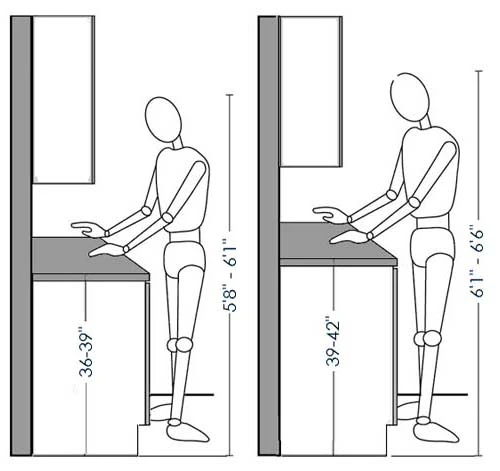
Image Source: www.regattaexports.com
The Foundation: Standard Kitchen Counter Height
When we talk about the typical kitchen counter height, we are generally referring to the standard kitchen counter height that has become the norm in modern kitchens. This height is not arbitrary; it’s a result of decades of ergonomic research and practical application. The 36-inch mark is designed to accommodate the average adult user, providing a comfortable working surface for a variety of tasks.
Why 36 Inches? Deciphering the Ergonomics
The 36-inch countertop height is considered the sweet spot for several reasons:
- Comfortable Working Posture: For most adults, standing at a 36-inch counter allows for a relatively neutral spine and relaxed arm position while performing tasks like chopping, mixing, and kneading. This reduces strain on the back and shoulders.
- Accessibility: This height is generally accessible for a wide range of users, including those of average height. It allows for easy reach into drawers and cabinets located above and below the counter.
- Appliance Integration: Many standard kitchen appliances, such as dishwashers and base cabinets, are designed to fit seamlessly under a 36-inch counter. This simplifies installation and creates a cohesive look.
- Versatility: The 36-inch kitchen work surface height serves as a good all-around height for many kitchen activities. It’s low enough for comfortable prep work but high enough to prevent excessive bending.
Historical Context of Countertop Height
It’s interesting to note that kitchen counter heights haven’t always been this standardized. In older homes, you might find counters that are slightly lower or higher. These variations often reflected the average height of people at the time of construction or specific design choices made by the builder or homeowner. However, as our understanding of ergonomics and workplace design has evolved, the 36-inch standard has largely prevailed.
Beyond the Standard: Variations and Considerations
While 36 inches is the benchmark, the world of kitchen design offers flexibility. Factors like the user’s height, specific kitchen tasks, and desired aesthetic can lead to variations in counter height dimensions.
Kitchen Island Height: A Complementary Workspace
When planning a kitchen island, the kitchen island height can often mirror the standard counter height. However, islands can also serve multiple purposes, sometimes incorporating different levels. A common approach is to have the main workspace of the island at 36 inches, aligning with the perimeter counters. This provides a continuous and functional prep area.
However, some kitchen islands are designed with an extended countertop to accommodate seating. This creates a casual dining or social space. These extended sections are often higher to allow for comfortable bar stool seating, which leads us to our next point.
Bar Height Counter: For Social Gatherings
A bar height counter is typically taller than a standard kitchen counter, often measuring around 42 inches. This height is specifically designed for comfortable seating with bar stools. These counters are popular for kitchen islands or as a separate breakfast bar area. They provide a distinct zone for casual dining, conversation, or even a quick meal.
When planning for a bar height counter, it’s important to consider the height of the stools to ensure a comfortable fit. Generally, bar stools are around 30 inches high for a 42-inch counter.
Customization: Designing for Your Needs
For homeowners of significantly different heights or those with specific ergonomic needs, custom counter heights can be a game-changer.
- Lower Counters: Someone who is very tall might find a standard counter height a bit too low, leading to bending and back strain. In such cases, counters can be raised to 37 or even 38 inches.
- Higher Counters: Conversely, individuals who are shorter might find 36 inches a bit too high. Lowering counters to 34 or 35 inches can significantly improve comfort and usability.
- Multi-Level Designs: Some kitchens feature multi-level countertops, combining different heights to suit various tasks. For example, a lower section might be ideal for baking prep, while a higher section could serve as a transition to a dining area.
The Impact of Countertop Thickness
It’s important to remember that countertop height dimensions are measured from the finished floor to the top of the counter. The thickness of your chosen countertop material will affect the cabinet base height required.
For example:
| Countertop Material | Typical Thickness (inches) | Cabinet Base Height Needed for 36″ Total Height (inches) |
|---|---|---|
| Laminate | 1.5 – 1.75 | 34.25 – 34.5 |
| Granite | 2 | 34 |
| Quartz | 2 | 34 |
| Marble | 2 | 34 |
| Butcher Block | 1.5 – 2 | 34 – 34.5 |
| Solid Surface | 1.5 | 34.5 |
These are approximate figures, and actual cabinet base heights can vary slightly depending on the manufacturer and specific installation details. The key is to account for the countertop thickness when ordering base cabinets to achieve your desired final kitchen counter height.
Factors Influencing Your Kitchen Counter Height Choice
While the standard is 36 inches, several factors might steer you towards a different average kitchen counter height or a custom solution.
User Height and Ergonomics
As mentioned, the most significant factor is the height of the primary users of the kitchen.
- For Taller Individuals (6 feet and above): You might find that a slightly higher counter, perhaps 37-38 inches, offers more comfort for tasks requiring standing. This can reduce the need to hunch over your work.
- For Shorter Individuals (5 feet 4 inches and below): Lowering the counter to 34-35 inches can make a substantial difference in ease of use, reducing strain on your arms and shoulders during prep work.
Kitchen Tasks and Activities
Consider the primary activities that will take place at your counters:
- Extensive Prep Work: If you spend a lot of time chopping, rolling dough, or mixing, a comfortable and ergonomic kitchen work surface height is crucial.
- Baking: Some bakers prefer slightly lower counters for tasks like kneading dough, as it allows them to use their body weight more effectively.
- Appliance Use: Think about the height of appliances that will sit on the counter, such as stand mixers or food processors. Ensure there’s enough clearance and that their use doesn’t necessitate an awkward posture.
- Dining and Entertaining: If your kitchen features an island with seating, the kitchen island height needs to accommodate comfortable dining. This is where the distinction between standard counter height and bar height counter becomes important.
Kitchen Layout and Design Style
The overall design and layout of your kitchen can also influence your decision regarding countertop height.
- Open Concept Layouts: In homes with open-concept living spaces, the kitchen often blends with dining and living areas. Maintaining a consistent kitchen counter height throughout can create a more unified flow. However, a raised bar height counter on an island can effectively define the kitchen zone while providing a distinct social area.
- Multi-Functional Islands: If your island is intended to be a central hub for cooking, dining, and socializing, you might consider a split-level design. This could feature a standard prep height section and a higher section for bar seating.
- Appliance Integration: Built-in ovens or specific cooktops might have integrated countertop heights that need to be considered when planning your overall counter height dimensions.
Accessibility Needs
For individuals with mobility challenges or those who use wheelchairs, custom counter heights are essential for creating a fully functional and accessible kitchen. Lowered counters and open space underneath are critical design considerations.
Implementing Your Kitchen Counter Height Plan
Once you’ve decided on the ideal kitchen counter height for your needs, the next step is to ensure it’s executed correctly during the renovation or build process.
Working with Cabinet Makers and Installers
- Clear Communication: Be explicit about your desired final kitchen counter height. Provide your cabinet maker with the exact measurement from the finished floor to the top of the countertop.
- Account for Countertop Thickness: As shown in the table above, the thickness of your chosen countertop material is a critical factor. Your cabinet maker will need to know this to determine the correct height of the base cabinets.
- Level Flooring: Ensure your flooring is installed and level before cabinet installation. Any unevenness in the subfloor or finished floor will directly impact the final countertop height.
- Plumbing and Electrical: Coordinate plumbing and electrical rough-ins to align with your chosen counter heights, especially if you are opting for non-standard heights or unique island configurations.
Considering the Overall Kitchen Work Surface Height
Think beyond just the main counters. Other work surfaces in your kitchen, such as a pantry work surface or a dedicated baking station, might benefit from different heights. However, for most kitchens, a consistent kitchen counter height for the main prep areas provides the best functionality.
Frequently Asked Questions (FAQ)
Q1: What is the minimum height for a kitchen counter?
While there isn’t a strict minimum height mandated by building codes for residential kitchens, the generally accepted standard kitchen counter height of 36 inches is considered the most ergonomic. Customization is possible, but it’s advisable to consult with a kitchen designer or ergonomist if considering heights significantly below 36 inches to ensure functionality.
Q2: Can I have different counter heights in my kitchen?
Yes, absolutely! It’s common to have different counter heights, especially with kitchen islands. You might have a standard 36-inch prep area and a raised 42-inch bar height counter for seating. Multi-level countertops are also a popular design choice for enhanced functionality.
Q3: How do I determine the best kitchen counter height for me?
Consider your own height and the height of other primary users. Think about the tasks you perform most often. Standing at various heights (using chairs or stable objects if necessary) can help you feel what’s most comfortable for your back and arms. Consulting with a kitchen designer can also provide valuable insights.
Q4: What is the standard height for a kitchen island?
The kitchen island height often matches the standard perimeter counter height of 36 inches for seamless workflow. However, islands designed with seating typically have a higher section, often at bar height counter (around 42 inches), or counter height (around 36 inches) with a seating overhang.
Q5: Does countertop thickness affect the cabinet height?
Yes, significantly. Cabinet base heights are manufactured to standard dimensions, and then the countertop is added. To achieve your desired final countertop height, you must subtract the thickness of your chosen countertop material from your target total height. Always confirm the exact thickness of your countertop material with your supplier.
Q6: What is the typical kitchen counter height for people with disabilities?
For individuals using wheelchairs, ADA (Americans with Disabilities Act) guidelines suggest a minimum clear floor space and a maximum counter height of 34 inches, with a minimum clear knee space of 27 inches high, 30 inches wide, and 19 inches deep. However, custom heights can be adjusted based on individual needs.
Q7: How high is a kitchen counter for baking?
Many bakers find that a slightly lower kitchen work surface height, perhaps 34-35 inches, can be more comfortable for tasks like kneading dough, allowing them to utilize their body weight more effectively without excessive bending. However, the standard 36 inches is also perfectly functional for most baking tasks.
By carefully considering these factors, you can ensure your kitchen counters are not only aesthetically pleasing but also perfectly suited to your everyday needs, making your kitchen a more enjoyable and efficient space.