
Can you get rid of gnats in the kitchen quickly and keep them away for good without using harsh chemicals? Yes, you absolutely can! By understanding where they come from and using a combination of smart strategies, you can banish those tiny pests and prevent their return.
A kitchen gnat infestation can be incredibly frustrating. These tiny, buzzing insects seem to appear out of nowhere, drawn to ripe fruit, damp areas, and decaying matter. While generally harmless, they are a nuisance and can quickly make your kitchen feel unhygienic. This guide will walk you through effective gnat control methods to eliminate them fast, permanently, and safely.
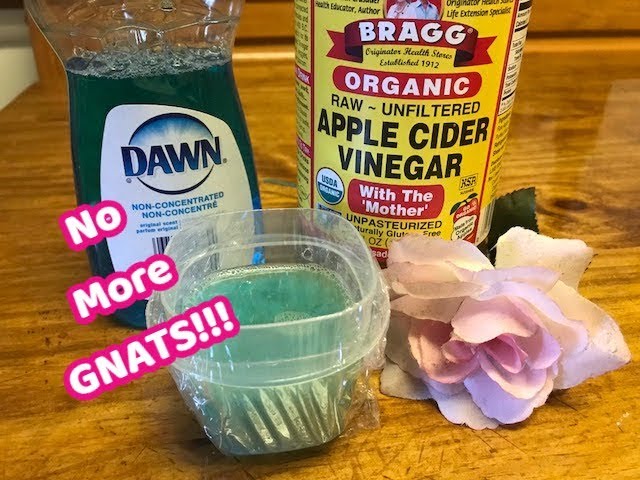
Image Source: i.ytimg.com
Identifying the Culprits: What Exactly Are Kitchen Gnats?
Before we dive into eradication, it’s helpful to know what we’re dealing with. The most common culprits in a kitchen are:
- Fruit Flies: Tiny, tan to brown flies with red eyes, typically found around ripening or decaying fruits and vegetables, as well as sugary spills.
- Drain Flies: Also known as sewer flies, these are small, moth-like insects with fuzzy bodies and long antennae. They often emerge from drains, especially in moist, organic-rich environments.
- Fungus Gnats: Darker, more delicate-looking flies that are attracted to damp soil, often found in houseplants. While less common in typical kitchen infestations, they can sometimes be mistaken for fruit flies.
For the purpose of this guide, when we refer to “gnats” in the kitchen, we are primarily addressing fruit flies and drain flies, as they are the most frequent unwelcome guests.
The Root of the Problem: Where Do Gnats Come From?
To effectively get rid of gnats, we need to eliminate their breeding grounds. Gnats are attracted to moisture and decaying organic matter. Here are the most common sources in your kitchen:
- Overripe or Damaged Produce: This is the number one attractant for fruit flies. Left-out fruit, vegetables with soft spots, or even forgotten potatoes can become a nursery for gnat eggs.
- Dirty Drains: Food particles and slime build-up in sink drains and garbage disposals provide the perfect environment for drain flies.
- Garbage Cans: Unemptied trash, especially with food scraps, is a magnet for gnats. Even a small amount of residue at the bottom can be enough.
- Spills and Residue: Sticky spills from juice, soda, wine, or beer, especially those under appliances or in hard-to-reach corners, can attract gnats.
- Damp Mops and Sponges: Kitchen cloths, sponges, and mops that aren’t dried properly can harbor moisture and organic matter, becoming a breeding site.
- Recycling Bins: Residue from cans and bottles, particularly those containing sugary drinks, can attract gnats.
Eliminating Kitchen Gnats Fast: Immediate Actions
When you see gnats buzzing around, you want them gone now. Here are quick methods to reduce their numbers immediately:
1. The Vinegar Trap: A Classic and Effective Method
This is perhaps the most popular and effective DIY fruit fly trap. The sweet smell of vinegar lures them in, and the dish soap breaks the surface tension, causing them to drown.
How to Make a Vinegar Trap:
-
Ingredients:
- A small bowl or jar
- Apple cider vinegar (ACV) – this is often most effective
- A few drops of liquid dish soap
- Plastic wrap (optional)
- Rubber band (optional)
- Toothpick (optional)
-
Instructions:
- Pour about an inch of apple cider vinegar into the bowl or jar.
- Add a few drops of dish soap.
- Option A (Open Trap): Leave the bowl uncovered. The soap will help them sink.
- Option B (Covered Trap): Cover the top of the bowl tightly with plastic wrap. Secure with a rubber band. Use a toothpick to poke several small holes in the plastic wrap. The gnats can get in through the holes but will have trouble finding their way out.
-
Placement: Place these traps near areas where you see the most gnat activity, such as near fruit bowls or sinks.
Why it works: The fermentation smell of the ACV mimics ripening fruit, attracting gnats. The soap prevents them from landing on the surface and flying away.
2. Sticky Traps: Silent Sentinels
Sticky traps are simple to use and very effective for catching flying insects. They come in various forms, from pre-made sticky strips to DIY versions.
Types of Sticky Traps:
- Commercial Sticky Strips: These are often yellow, which attracts gnats, and coated with a strong adhesive. You can hang them or place them on surfaces.
- Sticky Paper: Similar to flypaper, but often designed to be less conspicuous.
- DIY Sticky Traps: You can coat strips of cardboard or index cards with petroleum jelly or honey and place them near problem areas.
Pros: They catch gnats passively, requiring no active effort once placed.
Cons: They can be unsightly, and larger infestations might require many traps.
3. The Vacuum Cleaner Method: A Direct Approach
For a more immediate, albeit temporary, solution to a swarm of gnats, a vacuum cleaner can be surprisingly effective.
How to Use:
- Attach the hose attachment to your vacuum cleaner.
- Carefully vacuum the gnats as they fly around.
- Immediately after, take the vacuum bag or canister outside, seal it, and dispose of it in an outdoor trash bin. This prevents any surviving gnats from escaping back into your kitchen.
This is a good way to quickly reduce the visible population while you implement longer-term solutions.
Preventing Gnats from Returning: Long-Term Solutions
Catching the gnats you see is one thing, but permanently eliminating kitchen gnats requires addressing their breeding sources and implementing preventative measures.
1. Deep Cleaning: The Foundation of Gnat-Free Living
This is the most crucial step. Without thorough cleaning, any trapping or repelling efforts will be temporary.
Key Cleaning Tasks:
-
Produce Management:
- Store ripe fruit and vegetables in the refrigerator.
- Discard any overripe, bruised, or decaying produce immediately.
- Wash fruits and vegetables as soon as you bring them home to remove any existing gnat eggs.
- Store potatoes, onions, and other root vegetables in a cool, dark place, but check them regularly for any signs of spoilage.
-
Sink and Drain Maintenance:
- Clean your sink drains regularly. Pouring boiling water down the drain can help kill gnat eggs and larvae.
- Use a stiff brush to scrub inside the drains and around the garbage disposal opening.
- Consider using a drain cleaner specifically formulated for organic build-up. Avoid harsh chemical drain cleaners if possible, as they can be harmful to your plumbing and the environment. Baking soda and vinegar followed by hot water is a safer alternative.
-
Garbage and Recycling:
- Empty your kitchen trash can daily, or at least every other day, especially if it contains food scraps.
- Rinse out your recycling bins regularly.
- Ensure trash can lids fit snugly.
-
Wipe Down Surfaces:
- Clean counters, tables, and stovetops immediately after cooking or eating to remove any spills or crumbs.
- Pay attention to areas under appliances and behind them.
- Clean your microwave regularly.
-
Fabric Care:
- Wash dish towels and sponges frequently.
- Allow sponges and dishcloths to dry completely between uses. Consider replacing sponges every week or two.
- Don’t leave wet mops sitting in buckets; rinse and dry them thoroughly.
2. Natural Gnat Repellent Strategies
Once your kitchen is clean, you can use natural gnat repellent to deter any remaining gnats and prevent new ones from settling.
-
Essential Oils: Certain essential oils have properties that can repel gnats.
- Peppermint Oil: Strong scent that gnats dislike.
- Eucalyptus Oil: Similar to peppermint, its potent aroma deters insects.
- Citronella Oil: A well-known natural insect repellent.
- Lemongrass Oil: Another effective deterrent with a pleasant scent.
How to Use:
1. Add 10-15 drops of your chosen essential oil to a spray bottle filled with water.
2. Spray around windows, doors, and areas where you’ve seen gnat activity.
3. You can also place a few drops on cotton balls and strategically place them around the kitchen. -
Herbs: Certain fresh herbs can act as natural repellents.
- Basil: Planting basil on your windowsill or placing fresh sprigs in your kitchen can help.
- Mint: Similar to mint essential oil, fresh mint leaves can deter gnats.
-
Cinnamon: The strong scent of cinnamon can be a deterrent. Sprinkle a small amount in areas where gnats tend to gather or add a cinnamon stick to your vinegar traps.
3. Dealing with Specific Gnat Types
-
For Drain Flies: Beyond cleaning drains thoroughly, you can use a gnat spray specifically designed for flying insects if the problem persists after cleaning. However, always opt for less toxic options first. Ensure there are no leaks under sinks that could be creating damp conditions.
-
For Fruit Flies: Focus on eliminating their food sources. Be vigilant about fruit and vegetable storage.
4. Advanced Gnat Control Methods
If DIY methods aren’t cutting it, consider these more targeted approaches.
Commercial Gnat Traps and Sprays
- Sticky Traps: As mentioned earlier, commercial sticky traps are readily available and effective. Look for ones specifically designed for fruit flies or gnats.
-
Gnat Sprays: If you choose to use a gnat spray, select one with a low toxicity rating and minimal scent. Always follow the product instructions carefully. It’s best to use these as a last resort and only in targeted areas, ensuring good ventilation afterward. Look for sprays with pyrethrins, which are derived from chrysanthemum flowers and are generally considered safer than synthetic insecticides.
-
UV Light Traps: These devices use UV light to attract flying insects and then trap them on an adhesive board or electrocute them. They can be effective but might not be the most aesthetically pleasing option for your kitchen.
Professional Pest Control
In cases of severe or persistent infestations, it might be worth calling a professional pest control service. They can identify the specific type of gnat and implement targeted treatments safely and effectively.
Table: Gnat Control Methods at a Glance
| Method | How it Works | Speed of Action | Longevity | Safety Level | Notes |
|---|---|---|---|---|---|
| Vinegar Trap | Attracts gnats with vinegar, traps them with soap | Fast | Temporary | High | Effective for fruit flies. Replenish regularly. |
| Sticky Traps | Adheres to flying gnats | Moderate | Temporary | High | Can be unsightly. Place strategically. |
| Vacuum Cleaner | Physically removes gnats | Very Fast | Very Temporary | High | Best for immediate swarm reduction. Dispose of bag. |
| Deep Cleaning | Removes food sources & breeding grounds | Slow | Permanent | Very High | The most important step for long-term control. |
| Essential Oils | Deters gnats with strong scents | Moderate | Temporary | High | Use diluted. Can be sprayed or placed on cotton balls. |
| Commercial Gnat Spray | Kills gnats on contact | Fast | Temporary | Moderate | Use as a last resort. Follow instructions carefully. |
| UV Light Traps | Attracts and traps/kills gnats | Moderate | Temporary | High | Can be effective, consider placement. |
| Professional Pest Control | Targeted treatments by experts | Varies | Varies | Varies | For severe or persistent infestations. |
Fathoming the Life Cycle: Breaking the Gnat Cycle
To truly achieve permanent eliminating kitchen gnats, it’s essential to break their life cycle. A gnat’s life cycle typically includes:
- Eggs: Female gnats lay tiny eggs, often in moist organic matter.
- Larvae: The eggs hatch into small, worm-like larvae.
- Pupae: Larvae develop into pupae.
- Adult Gnats: Adult gnats emerge and begin the cycle anew.
The entire cycle can be completed in as little as a week to ten days, depending on the conditions. This rapid reproduction is why a small problem can quickly become a significant kitchen gnat infestation. By diligently cleaning and removing breeding sites, you prevent the eggs and larvae from developing into flying adults.
Frequently Asked Questions (FAQ)
Q1: How quickly can I get rid of gnats in my kitchen?
A1: You can see a noticeable reduction in gnats within 24-48 hours by using traps and eliminating immediate food sources. However, complete elimination and prevention of their return will take consistent cleaning and attention to detail over several days to weeks.
Q2: Are kitchen gnats dangerous?
A2: Kitchen gnats themselves are not dangerous. They don’t bite or transmit diseases directly. However, their presence indicates a lack of hygiene, which could potentially harbor bacteria.
Q3: Can I use a gnat spray on my fruit before eating it?
A3: No, you should never spray insecticides directly onto food or surfaces where food is prepared. If you must use a spray, ensure it’s food-safe and follow all label instructions, allowing the area to air out thoroughly before use. It’s always best to wash produce thoroughly.
Q4: What if I have gnats but can’t find the source?
A4: If you’ve cleaned thoroughly and still have gnats, re-examine all potential breeding sites: check behind appliances, inside cabinets for forgotten spills, under the sink for leaks, and in the soil of houseplants if you have any. Drain flies can be particularly tricky and might originate from infrequently used drains.
Q5: How do I prevent gnats from coming back after I get rid of them?
A5: The key to permanent eliminating kitchen gnats is consistent preventative measures. This includes regular cleaning, proper produce storage, immediate cleanup of spills, and keeping drains clean and dry.
By following these comprehensive steps, you can effectively tackle a kitchen gnat infestation and maintain a clean, pest-free kitchen environment. Remember, consistency is your greatest ally in the battle against these tiny invaders.