
So, “How do I install kitchen cabinets?” you ask. The answer is that installing kitchen cabinets is a project that many homeowners can tackle with careful planning and the right tools, transforming their kitchen’s look and function. This comprehensive kitchen cabinet installation guide will walk you through the process, from preparation to the final touches, making DIY cabinet installation achievable and rewarding.
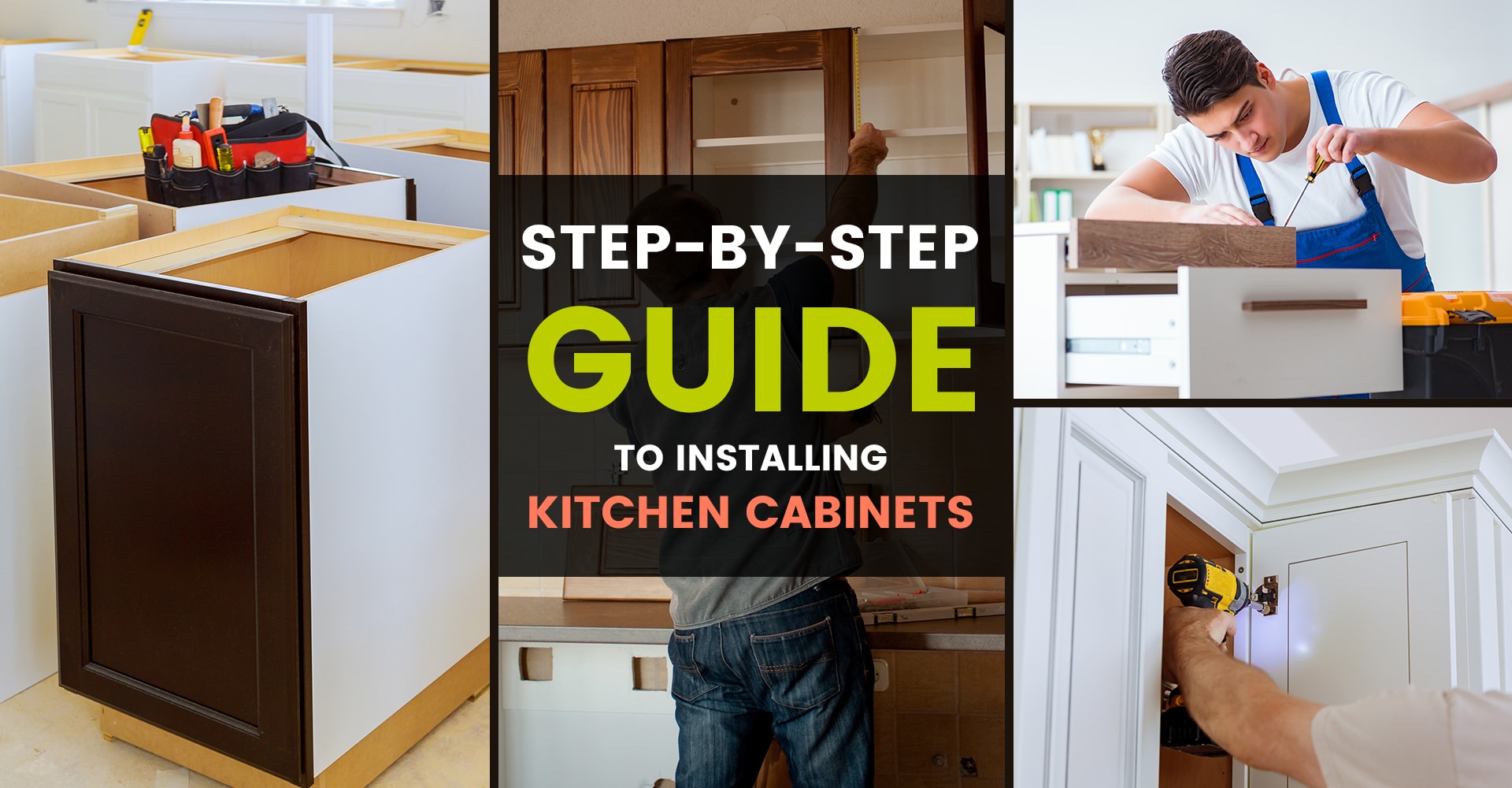
Image Source: www.cabinetcorp.com
Preparing for Cabinet Installation
Before you even think about mounting kitchen cabinets, thorough preparation is key. This step prevents costly mistakes and ensures a smooth installation.
Gathering Your Tools and Materials
Having everything on hand before you start is crucial. Here’s a list of essential items:
- Cabinets: Your new kitchen cabinets, of course!
- Measuring Tape: For accurate measurements.
- Level: A good quality level (4-foot is recommended) is vital for ensuring cabinets are straight.
- Stud Finder: To locate wall studs for secure mounting.
- Pencil: For marking.
- Drill/Driver: With various drill bits and driver bits.
- Screws: Cabinet installation screws (typically 2 1/2-inch to 3-inch).
- Shims: Wood or composite shims for leveling and filling gaps.
- Clamps: Cabinet clamps or bar clamps to hold cabinets in place while you join them.
- Safety Glasses: Always protect your eyes.
- Safety Gloves: For hand protection.
- Caulk Gun and Caulk: For finishing.
- Putty Knife: For applying caulk or filler.
- Wood Glue: For joining cabinet faces.
- Sander and Sandpaper: For any necessary minor adjustments.
- Drop Cloths: To protect your floors.
- Cabinet Installation Hardware: This includes screws, washers, and sometimes specialized brackets depending on your cabinet type.
- Optional: Jigsaw or multi-tool for minor adjustments, a helper!
Checking Your Cabinets
Unpack your cabinets carefully. Inspect them for any damage that may have occurred during shipping. Ensure all doors, drawers, and hardware are present and accounted for.
Preparing the Installation Area
Clear the kitchen of any obstructions. Cover countertops and floors with drop cloths to protect them from dust and potential damage.
Locating Wall Studs
This is a critical step for secure kitchen cabinets. Using a stud finder, locate the center of each wall stud where you plan to hang cabinets. Mark these stud locations clearly with a pencil. Most studs are 16 or 24 inches apart on center.
Establishing a Level Baseline
For base cabinets, you’ll need to establish a level line around the room. For wall cabinets, you’ll also need a level line to guide the top or bottom edge.
- For Base Cabinets: Use your level and measuring tape to mark a consistent height (usually 34.5 inches from the subfloor to the top of the cabinet box, before countertop installation) around the room. This line will serve as the guide for the bottom of your base cabinets.
- For Wall Cabinets: A common practice is to have the bottom of wall cabinets 54 inches from the finished floor, leaving 18 inches between the base cabinets and wall cabinets. Mark this line.
Mock Layout and Dry Fit
Before drilling any holes, lay out your cabinets on the floor in their intended positions. This helps visualize the layout and identify any potential issues with spacing or door swing.
Installing Base Cabinets
Installing base cabinets provides the foundation for your kitchen’s functionality.
The First Cabinet (Usually a Corner)
- Start in a Corner: It’s often easiest to start with a corner base cabinet.
- Position and Level: Place the cabinet in its position, ensuring it’s flush with the wall. Use your level to check if it’s plumb (vertical) and level (horizontal).
- Shim as Needed: Insert shims between the cabinet and the wall or floor to achieve perfect level and plumb.
- Secure to the Wall: Once level and plumb, drill pilot holes through the cabinet’s back into the wall studs you marked earlier. Use appropriate cabinet installation screws to secure kitchen cabinets firmly to the wall. Use at least two screws per stud.
Joining Adjacent Base Cabinets
- Position Second Cabinet: Place the next base cabinet next to the first one.
- Clamp and Align: Use clamps to pull the cabinet faces flush. Ensure the front edges are perfectly aligned.
- Drill and Join: Drill pilot holes through the face frames of the two cabinets, typically from the inside of one cabinet into the face frame of the other. Use cabinet joining screws or wood screws to connect them securely. Apply wood glue to the joining edges for extra strength.
- Check for Level and Plumb: Continuously check that each new cabinet is level and plumb as you install it. Shim and secure each one individually before joining them to the next.
Key Considerations for Base Cabinets
- Toe Kick: Ensure the toe kick area is clear and accessible for mounting screws.
- Plumbing and Appliances: Remember to account for the placement of sinks, dishwashers, and other appliances. You might need to notch out cabinet backs or leave access for plumbing.
- Drawers and Doors: Install doors and drawers after the cabinet boxes are securely mounted to avoid interference.
Installing Wall Cabinets
Hanging kitchen cabinets requires precision and a solid support system.
Marking the Cabinet Mounting Line
Using your previously established level line (usually 54 inches from the floor), draw a clear line on the wall. This will be the bottom edge of your wall cabinets.
Mounting the First Wall Cabinet
- Positioning: Lift the first wall cabinet into place, resting its bottom edge on your marked line. Have a helper if possible; wall cabinets can be heavy.
- Leveling: Use your level to ensure the cabinet is plumb and level.
- Shimming: Insert shims between the cabinet and the wall to achieve perfect alignment.
- Securing to Studs: Drill pilot holes through the cabinet’s mounting rails (the solid wood strips at the top and back) into the wall studs. Use appropriate cabinet installation screws to secure kitchen cabinets to the wall. Aim for at least two screws per stud, ideally through the top and bottom mounting rails for maximum support.
Joining Adjacent Wall Cabinets
- Position Next Cabinet: Lift the adjacent wall cabinet into place.
- Align and Clamp: Align the front edges of both cabinets so they are flush. Use clamps to hold them tightly together.
- Drill and Join: Similar to base cabinets, drill pilot holes through the face frames from the inside. Use cabinet joining screws or wood screws to connect them. Apply wood glue for added strength.
- Check Alignment: Constantly check that the cabinets are level, plumb, and that the doors will align correctly when closed.
Tips for Hanging Kitchen Cabinets
- Temporary Support: Use cabinet jacks or sturdy blocks of wood to support the cabinets while you are working on them, especially if you don’t have a helper.
- Cabinet Installation Hardware: Ensure you are using the correct hardware specified for your cabinets and the weight they will bear.
- Don’t Over-Tighten: Be careful not to over-tighten screws, as this can strip the wood or damage the cabinet.
Levelling and Securing Cabinets
Achieving perfectly level kitchen cabinets is paramount for both aesthetics and functionality. Secure kitchen cabinets properly to prevent sagging or detachment.
Why Leveling is Crucial
- Door and Drawer Alignment: Cabinets that are not level will have doors and drawers that don’t close properly or sit flush.
- Countertop Installation: Countertops need a level base to sit correctly and avoid stress points.
- Aesthetics: Visually, crooked cabinets are jarring and detract from the overall kitchen appearance.
Securing for Stability
- Into Studs: Always aim to drive screws into wall studs whenever possible. This provides the strongest anchor.
- Backing Plates: If you can’t hit a stud, consider using heavy-duty drywall anchors or attaching blocking (pieces of wood) between studs to create a secure mounting point.
- Multiple Fasteners: Use enough screws to ensure the cabinet is stable. For wall cabinets, using both top and bottom mounting rails for screws is ideal.
Cabinet Installation Cost Considerations
While DIY cabinet installation can save money, it’s important to factor in potential costs.
Material Costs
- Cabinets: The primary expense.
- Cabinet Installation Hardware: Screws, shims, anchors, etc.
- Finishing Supplies: Caulk, wood glue, sandpaper.
Tool Rental or Purchase
If you don’t own all the necessary tools, you’ll need to factor in rental or purchase costs.
Potential for Professional Help
- Complex Layouts: If you have an unusually shaped kitchen or a very complex cabinet layout, you might consider hiring a professional for part or all of the installation.
- Electrical and Plumbing: If your installation involves moving electrical outlets or plumbing, you’ll definitely need to hire licensed professionals for those tasks.
- Cabinet Installation Cost for Professionals: Hiring a contractor can range from \$500 to \$3,000 or more, depending on the kitchen size and complexity. This includes labor but not the cabinets themselves.
Finishing Touches
Once your cabinets are installed, a few finishing steps will elevate the look and durability.
Filling Gaps and Sealing
- Caulking: Use paintable caulk to fill any small gaps between the cabinets and the walls or ceiling.
- Wood Filler: For any nicks or imperfections in the cabinet wood, use wood filler and then sand smooth.
Installing Doors, Drawers, and Hardware
- Attach Doors and Drawers: Follow the manufacturer’s instructions for attaching hinges and drawer slides.
- Adjust Doors and Hinges: Most hinges allow for adjustments to ensure doors hang straight and close properly.
- Install Handles and Knobs: Measure and mark carefully for consistent placement of hardware.
Frequently Asked Questions (FAQ)
Q1: How far apart should wall cabinets be from base cabinets?
A1: Typically, wall cabinets are installed so their bottom edge is 54 inches from the finished floor. This leaves an 18-inch space between the top of the base cabinets (with countertops) and the bottom of the wall cabinets, which is standard for most kitchen tasks.
Q2: Can I install kitchen cabinets myself?
A2: Yes, many homeowners successfully complete DIY cabinet installation. It requires patience, precision, and the right tools. If you are comfortable with basic carpentry and measuring, you can likely do it.
Q3: What is the most important tool for cabinet installation?
A3: While many tools are essential, a good quality level is arguably the most critical. Perfectly level kitchen cabinets are the foundation for a professional-looking and functional kitchen.
Q4: How do I make sure my cabinets are secure?
A4: To secure kitchen cabinets properly, always mount them into wall studs using appropriate screws. Use shims to ensure a snug fit against the wall, and don’t hesitate to use additional fasteners or blocking if you can’t reach a stud.
Q5: What type of screws should I use for mounting kitchen cabinets?
A5: You should use cabinet installation screws that are long enough to go through the cabinet’s mounting rails and firmly into the wall studs. Typically, 2.5-inch to 3-inch screws are recommended. Ensure they have a washer head for better grip.
Q6: How do I join two cabinets together?
A6: To join cabinets, align their front faces, clamp them together tightly, and then drill pilot holes through the face frames from the inside. Use cabinet joining screws or wood screws to connect them. Applying wood glue to the joining edges before screwing provides extra strength.
Q7: How do I level kitchen cabinets?
A7: Use a level to check each cabinet for plumb (vertical) and level (horizontal). Insert wooden or composite shims between the cabinet and the wall or floor to make adjustments until the cabinet is perfectly aligned. Then, secure the cabinet with screws.
Q8: What is the average cabinet installation cost if I hire a professional?
A8: The cabinet installation cost for professionals can vary widely. For a standard kitchen, expect to pay anywhere from \$500 to \$3,000 or more, depending on the number of cabinets, the complexity of the layout, and your location. This cost typically covers labor only.
This guide should provide you with a solid foundation for undertaking your kitchen cabinet installation. Remember to take your time, measure twice, and prioritize accuracy for the best results.