
Seeing tiny, annoying gnats buzzing around your kitchen can be incredibly frustrating. These small, often brown or black insects are a common kitchen pest. How do you get rid of gnats in your kitchen quickly? The fastest way is to eliminate their food sources and breeding grounds, then use simple traps to catch the adults.
The appearance of gnats in your kitchen usually signals a problem with moisture and decaying organic matter. They aren’t just a nuisance; they can indicate an underlying issue with sanitation that needs addressing. Dealing with a persistent fruit fly infestation or even drain flies requires a multi-pronged approach. This guide offers quick fixes and more comprehensive strategies to eliminate kitchen gnats for good.
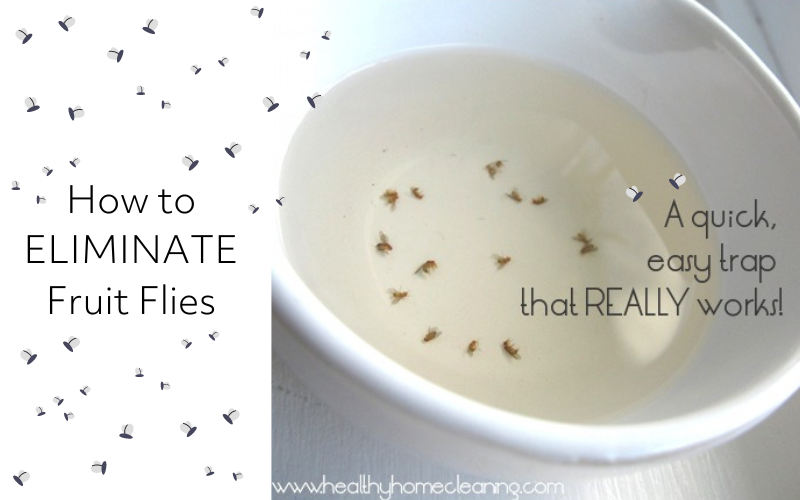
Image Source: healthyhomecleaning.com
Identifying the Culprits: More Than Just Gnats
Before you can effectively tackle a gnat problem, it’s helpful to know what you’re dealing with. While many people use the term “gnat” generically, there are several types of small flying insects that commonly invade kitchens.
Fungus Gnats vs. Drain Flies vs. Fruit Flies
- Fungus Gnats: These are often found near houseplants or in damp areas with organic material. They are typically dark brown or black and have long legs and antennae. They are attracted to moist soil and decaying plant matter.
- Drain Flies: As their name suggests, drain flies inhabit drains, sewers, and other damp, stagnant areas. They have fuzzy bodies and appear moth-like. Their presence often points to a buildup of organic sludge in your pipes.
- Fruit Flies: These are probably the most common kitchen invaders. They are small, usually tan or brownish-red, with bright red eyes. Fruit flies are attracted to ripening or fermenting fruits and vegetables, as well as sugary spills and moisture.
While the solutions for each can overlap, understanding the specific type of pest can help you target the gnat breeding sites more effectively. For the purpose of this guide, we’ll focus on general kitchen gnat control, which will largely address all these common culprits.
Locating Gnat Breeding Sites: The First Step to Elimination
The most crucial aspect of kitchen pest control is finding where the gnats are coming from. If you only kill the adult gnats, new ones will continue to hatch.
Common Breeding Grounds in Your Kitchen
- Overripe Produce: This is a prime suspect. Fruits and vegetables left out on countertops, especially those that are bruised or soft, are magnets for gnats. Even a small amount of forgotten fruit in a bowl can sustain a population.
- Garbage Cans: Kitchen trash bins, especially those containing food scraps, are ideal breeding sites. Bacteria break down food, creating an attractive environment. Leaky bags or residue at the bottom of the can can also harbor gnats.
- Drains and Garbage Disposals: Food particles can get trapped in drains and garbage disposals, creating a moist, organic-rich environment. This is a common spot for drain flies and can also attract fruit flies.
- Spills and Residue: Sticky spills of juice, soda, or wine on countertops, floors, or inside cabinets can attract gnats. Even a small amount of spilled milk or sauce can be enough.
- Moist Sponges and Mops: Damp cleaning cloths, sponges, and mops that aren’t dried properly can become breeding grounds for gnats due to the accumulated food particles and moisture.
- Empty Cans and Bottles: Residue in recycled beverage cans or bottles, especially those that contained sugary drinks, can attract gnats.
- Houseplants: If you have houseplants, their soil can become a breeding site for fungus gnats, especially if the soil stays consistently wet.
Quick Fixes: Immediate Action to Reduce Gnat Numbers
Once you’ve identified potential breeding sites, you can take immediate action to reduce the gnat population.
Immediate Gnat Removal Strategies
- Dispose of Overripe Produce: Immediately discard any fruits or vegetables that are showing signs of spoilage. If you want to save them, seal them in airtight containers or refrigerate them.
- Clean Your Garbage Can: Empty your kitchen trash daily. Wash the inside and outside of your garbage can with hot, soapy water. Consider using a liner and ensuring it’s sealed tightly.
- Sanitize Drains: Pour boiling water down your drains to kill any larvae or eggs. Follow up with a mixture of baking soda and vinegar, allowing it to fizz for 10-15 minutes before rinsing with hot water. You can also use a specialized drain cleaner if the problem persists.
- Wipe Down Surfaces: Thoroughly clean all kitchen surfaces, especially countertops, tables, and stovetops, to remove any sticky residue or food particles.
- Wash Dishes Promptly: Don’t leave dirty dishes in the sink. Wash them immediately after use, or at least rinse them thoroughly.
- Dry Out Damp Areas: Ensure sponges, dishcloths, and mops are wrung out and allowed to dry completely between uses.
DIY Gnat Removal: Effective and Economical Traps
Trapping adult gnats is an excellent way to quickly reduce their numbers while you address the root causes. These DIY methods are simple and use common household items.
The Classic Vinegar Trap
The vinegar trap is one of the most effective and popular methods for catching fruit flies and gnats.
How to Make and Use a Vinegar Trap:
- Choose Your Container: A small bowl, jar, or even a plastic cup works well.
- Add the Bait: Pour a small amount of apple cider vinegar into the container. The sweet, fermented scent is irresistible to gnats. A splash of red wine can also be used as it also contains fermented sugars.
- Add a Drop of Dish Soap: A single drop of liquid dish soap is crucial. It breaks the surface tension of the vinegar, causing the gnats to sink and drown instead of landing on the surface and flying away.
- Cover the Container (Optional but Recommended): You can cover the top with plastic wrap and poke small holes in it with a toothpick or fork. This allows the gnats to enter but makes it harder for them to escape. Alternatively, you can create a cone from paper, tape it, and place the narrow end into the container, ensuring there are no gaps.
Placement: Place these traps in areas where you see the most gnat activity. Change the bait every few days.
Other DIY Trap Variations
- Fruit Bait Trap: Place a small piece of overripe fruit in a jar. Cover the jar with plastic wrap and poke holes. The gnats will be attracted to the fruit and get trapped.
- Sweet Liquid Trap: Similar to the vinegar trap, you can use sugary liquids like soda or fruit juice mixed with a drop of dish soap.
Commercial Gnat Traps: Convenient Solutions
If DIY isn’t your preference, there are many effective commercial gnat traps available.
Types of Commercial Gnat Traps
- Sticky Traps: These are adhesive strips or cards that attract gnats with a sweet scent or light and then trap them. They are great for monitoring gnat activity and catching adults.
- UV Light Traps: These devices use a UV light to attract insects, which are then either zapped by an electric grid or trapped on an adhesive surface. They can be effective for general flying insect control.
- Bait Traps: Similar to the DIY vinegar trap, these often contain a liquid bait that attracts gnats, which then drown.
When to Use Commercial Traps: These are useful for ongoing control or when DIY methods aren’t sufficient. Place them strategically near problem areas.
Natural Gnat Repellent: Keeping Them Away
Beyond trapping, using natural gnat repellent can help deter them from your kitchen in the first place.
Essential Oils and Plants
Certain essential oils and plants are known to repel gnats and other flying insects.
- Citronella: A classic insect repellent, citronella can be used in candles or diffusers.
- Peppermint Oil: The strong scent of peppermint can deter gnats. Mix a few drops with water in a spray bottle and mist around windowsills or entry points.
- Eucalyptus Oil: Similar to peppermint, eucalyptus has a strong scent that gnats dislike.
- Basil Plants: Growing a basil plant in your kitchen can act as a natural deterrent. Gnats are said to dislike the smell of basil.
- Lavender: Another fragrant herb that can help keep gnats away.
How to Use Essential Oils:
- Mix 5-10 drops of your chosen essential oil (peppermint, eucalyptus, citronella) with 1 cup of water in a spray bottle.
- Add a splash of white vinegar or a few drops of dish soap to help the oil disperse in the water.
- Shake well and spray around kitchen entry points, near windows, or in areas where gnats are prevalent. Reapply as needed.
Deep Cleaning for Long-Term Control: Eliminating Kitchen Gnats
While quick fixes are great for immediate relief, a thorough cleaning is essential for long-term kitchen pest control. This is how you truly eliminate kitchen gnats.
A Comprehensive Cleaning Checklist
- Empty and Clean Pantry: Check for any spilled grains, flour, or other food items that might have attracted gnats. Wipe down shelves and vacuum any crumbs.
- Check Under Appliances: Pull out your refrigerator, stove, and dishwasher. Clean up any spills or food debris that may have accumulated. These hidden areas are often overlooked gnat breeding sites.
- Inspect Fruit Bowls and Vegetable Bins: Ensure all produce is fresh. Discard anything that is starting to go bad. Consider storing fruits and vegetables in the refrigerator.
- Clean Sink and Dishwasher: Regularly clean your sink and ensure your dishwasher filter is free of food debris. Run a cleaning cycle on your dishwasher with vinegar or a specialized cleaner.
- Mop Floors Regularly: Pay special attention to areas under cabinets and around appliances.
- Wipe Down Cabinets: Remove any sticky residue on the inside and outside of your kitchen cabinets.
Addressing Drain Flies Specifically
If you suspect drain flies are the primary issue, your cleaning efforts should focus on your plumbing.
Plumbing Solutions for Drain Flies
- Boiling Water Flush: As mentioned, pouring boiling water down drains can help dislodge organic buildup.
- Baking Soda and Vinegar: This combination is excellent for cleaning drains. Pour about 1/2 cup of baking soda down the drain, followed by 1 cup of white vinegar. Let it fizz for 15-20 minutes, then flush with hot water.
- Enzyme Drain Cleaners: These cleaners use enzymes to break down organic matter that attracts drain flies. They are a more effective and longer-lasting solution than harsh chemical cleaners.
- Clean the Garbage Disposal: Run your garbage disposal regularly with cold water and a few ice cubes to help clear out any trapped food particles. You can also grind citrus peels or use a specialized disposal cleaner.
Using Organic Gnat Killer: Safer Alternatives
For those who prefer to avoid harsh chemicals, there are effective organic gnat killer options.
Natural and Organic Solutions
- Diatomaceous Earth: Food-grade diatomaceous earth is a natural powder made from fossilized aquatic organisms. It works by dehydrating insects. Sprinkle a thin layer in areas where gnats are a problem, such as around the base of houseplants or in cabinet corners. Important: Ensure you use food-grade DE and avoid inhaling the dust.
- Essential Oil Sprays: As discussed earlier, sprays made with essential oils like peppermint or eucalyptus can act as organic repellents and killers.
- Commercial Organic Traps: Many companies now offer organic bait traps that are specifically designed to attract and kill gnats without harsh chemicals.
Prevention is Key: Staying Ahead of the Gnats
Once you’ve successfully eliminated the current gnat problem, implementing preventative measures is crucial to avoid future infestations.
Ongoing Prevention Strategies
- Store Produce Properly: Keep fruits and vegetables in the refrigerator or in airtight containers. Regularly check produce for any signs of spoilage.
- Maintain a Clean Kitchen: This is paramount. Wipe down surfaces regularly, don’t leave dirty dishes in the sink, and promptly clean up spills.
- Manage Trash: Empty your kitchen trash daily, especially if it contains food scraps. Use a trash can with a tight-fitting lid.
- Keep Drains Clean: Regularly flush your drains with hot water or the baking soda/vinegar mixture.
- Check for Leaks: Fix any leaky pipes or faucets, as excess moisture can attract gnats.
- Inspect Houseplants: Ensure you’re not overwatering houseplants. Allow the soil to dry out between waterings to prevent fungus gnats.
- Seal Entry Points: Check window screens and door seals for any gaps where gnats might enter your home.
Frequently Asked Questions About Kitchen Gnats
Q1: Are kitchen gnats dangerous?
A1: While annoying and unhygienic, kitchen gnats are generally not dangerous to humans. They do not bite, and their primary concern is hygiene. However, they can contaminate food surfaces with bacteria from whatever they’ve been feeding on.
Q2: How long does it take to get rid of gnats?
A2: With consistent effort in cleaning, trapping, and eliminating breeding sites, you should see a significant reduction in gnats within a few days to a week. However, completely eliminating them and preventing their return can take ongoing vigilance.
Q3: Can gnats live in clean kitchens?
A3: Gnats are attracted to moisture and organic matter. Even in a relatively clean kitchen, a forgotten piece of fruit, a small spill, or a slightly damp sponge can provide enough of what they need to survive and reproduce.
Q4: What kills gnats instantly?
A4: A direct spray with an insecticide will kill gnats instantly. However, for a more natural and immediate approach, a strong spray of soapy water can also be effective by coating their bodies and hindering their ability to fly and breathe.
Q5: My drains are clean, but I still have drain flies. What else could it be?
A5: Drain flies can also breed in other moist organic environments, such as around seldom-used toilets, shower drains that aren’t flushed regularly, or even in condensate lines of refrigerators or air conditioners if they become clogged with organic debris.
By combining quick fixes with thorough cleaning and preventative measures, you can effectively reclaim your kitchen from these tiny pests and enjoy a gnat-free environment.