
A clogged kitchen sink can be a real nuisance. Can you fix a clogged kitchen sink yourself? Yes, in most cases, you can fix a clogged kitchen sink yourself with common household items or simple tools. This guide will walk you through the most effective ways to tackle a stubborn pipe blockage. We’ll explore various plumbing solutions, from simple drain cleaning techniques to more involved methods to unclog sink drains.
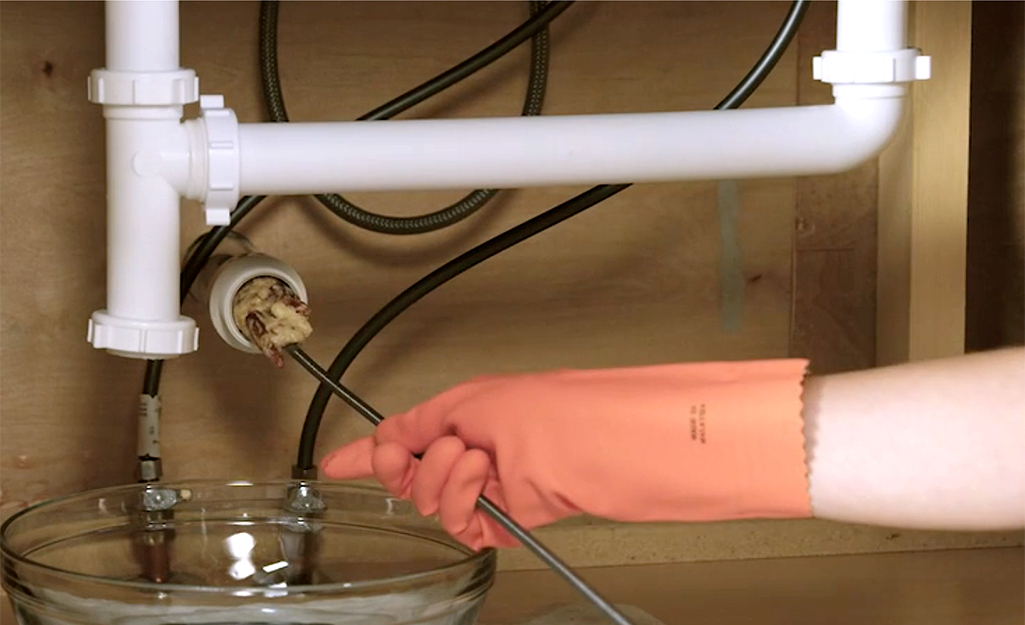
Image Source: contentgrid.homedepot-static.com
Why Does My Kitchen Sink Clog?
Kitchen sinks are prone to clogs for several reasons. The most common culprits are:
- Grease and Fats: When hot grease or fat goes down the drain, it cools and solidifies. Over time, this buildup narrows the pipe, trapping other debris and leading to a pipe blockage.
- Food Scraps: Small food particles, especially those that don’t break down easily (like coffee grounds, eggshells, and fibrous vegetables), can accumulate in the pipes.
- Soap Scum: Soap, particularly bar soap, can leave a residue that hardens and traps other materials.
- Foreign Objects: Accidentally dropping small items like bottle caps, plastic pieces, or even jewelry down the drain can cause immediate clogs.
- Mineral Deposits: In areas with hard water, mineral deposits can build up inside the pipes, reducing the flow and making clogs more likely.
- Old or Corroded Pipes: Older pipes can develop rough interiors that catch debris more easily, contributing to frequent clogs.
Quick Fixes for a Clogged Kitchen Sink
Before you resort to harsh chemicals, try these simple and effective methods to unclog your sink. These are great for minor to moderate clogs.
Method 1: Boiling Water Power
What it is: This is the simplest and often first step for grease-related clogs. Boiling water can help melt solidified grease and flush out loose debris.
How to do it:
- Boil Water: Heat a kettle or pot of water until it’s boiling.
- Pour Slowly: Carefully pour the boiling water directly down the drain opening. Pour it in stages, allowing it to work for a few seconds between pours.
- Repeat if Necessary: If the water starts to drain, repeat the process. You might need to do this 2-3 times for stubborn grease.
Caution: This method is generally safe for most pipes, but avoid it if you have very old or fragile pipes that might be damaged by extreme heat. It’s also not recommended for PVC pipes if you suspect a complete blockage, as the hot water could soften the plastic.
Method 2: The Classic Plunger Technique
What it is: Plunging a sink is a time-tested method for creating suction and pressure to dislodge blockages.
How to do it:
- Seal the Overflow (if applicable): If your sink has an overflow hole (usually near the top of the basin), block it with a wet cloth or tape. This ensures the suction is directed towards the clog, not escaping through the overflow.
- Add Water: Make sure there’s enough water in the sink to cover the bell of the plunger. This creates a better seal.
- Position the Plunger: Place the plunger over the drain opening, ensuring a tight seal.
- Plunge Vigorously: Push and pull the plunger up and down with force for about 20-30 seconds. The goal is to create strong suction to pull and push the blockage.
- Check for Drainage: Remove the plunger and see if the water drains. If it’s slow, repeat the plunging process.
- Flush with Hot Water: Once the clog seems cleared, pour hot water down the drain to flush away any remaining debris.
Method 3: Baking Soda and Vinegar
What it is: This natural drain opener uses a chemical reaction to help break down grease and grime.
How to do it:
- Remove Standing Water: If there’s standing water, try to bail out as much as possible first.
- Baking Soda First: Pour about half a cup to a full cup of baking soda directly into the drain opening.
- Add Vinegar: Pour an equal amount of white vinegar (about half a cup to a cup) into the drain. It will fizz.
- Cover the Drain: Immediately cover the drain opening with a stopper or cloth to trap the fizzing action and direct it downwards.
- Wait: Let it sit for at least 15-30 minutes. For tougher clogs, you can leave it for an hour or even overnight.
- Flush: After waiting, pour boiling water down the drain to flush away the loosened debris.
Method 4: Salt and Baking Soda Combo
What it is: Similar to the vinegar method, salt can add an abrasive element to help scrub away buildup.
How to do it:
- Mix Dry Ingredients: Combine ½ cup of baking soda and ½ cup of salt.
- Pour into Drain: Pour this mixture into the drain.
- Wait: Let it sit for several hours, or preferably overnight.
- Flush with Boiling Water: Pour boiling water down the drain to clear the mixture and any loosened blockage.
Intermediate Solutions for Stubborn Clogs
If the quick fixes don’t work, it’s time to move on to slightly more involved methods.
Method 5: The Bent Wire Hanger
What it is: This is a simple tool to physically remove hair, food particles, and other soft debris near the drain opening.
How to do it:
- Straighten the Hanger: Take a wire coat hanger and straighten it out as much as possible.
- Create a Hook: Bend a small hook at one end.
- Insert into Drain: Carefully insert the hooked end into the drain opening.
- Fish for Debris: Gently probe around the drain and pipe, trying to snag and pull out any visible debris. You’ll often be surprised by what you find!
- Dispose of Debris: Dispose of the removed gunk in the trash, not back down the drain.
- Flush: Run hot water to check if the blockage has cleared.
Method 6: Using a Drain Snake (Auger)
What it is: A drain snake, also known as a plumber’s snake or auger, is a flexible metal cable that can be fed into the drain to reach deeper clogs. This is a very effective way to remove a pipe blockage.
How to do it:
- Feed the Snake: Insert the end of the drain snake into the drain opening.
- Push and Turn: Gently push the snake further into the pipe while turning the handle. The rotating action helps the snake’s head to bore into and break up the clog, or to grab onto it.
- Feel for Resistance: When you feel resistance, you’ve likely hit the clog. Continue to push and turn.
- Retrieve the Clog: Once the snake has engaged with the clog, slowly pull it back out. You may need to repeat this process.
- Clean and Flush: Clean the end of the snake and then flush the drain with hot water.
Method 7: Cleaning the P-Trap
What it is: The P-trap is the U-shaped pipe under your sink. It’s designed to hold water, which prevents sewer gases from entering your home. It’s also a common place for debris to accumulate.
How to do it:
- Prepare: Place a bucket or old towels underneath the P-trap to catch any water or debris that may spill out.
- Loosen the Slip Nuts: The P-trap is usually held in place by two slip nuts. Loosen these nuts by hand or with adjustable pliers.
- Remove the Trap: Carefully remove the P-trap.
- Clean Out Debris: Empty the contents of the P-trap into the bucket. You can use a brush or a bent hanger to clean out any stubborn buildup.
- Reassemble: Reattach the P-trap, ensuring the slip nuts are tightened securely, but don’t overtighten them.
- Test: Run water into the sink to check for leaks and ensure the drain is clear.
When to Consider a Drain Opener (Chemicals)
Chemical drain openers can be effective for dissolving organic matter, but they should be used with caution. They are a last resort for DIY fixes and can be harmful to pipes if used improperly or too frequently.
What to Consider:
- Type of Clog: Most effective on grease, hair, and soap scum. Less effective on solid objects.
- Pipe Material: Some chemicals can damage older pipes or certain types of plastic. Always check the product label for compatibility.
- Safety: These products contain corrosive chemicals. Wear gloves and eye protection, and ensure good ventilation. Never mix different chemical drain openers, as this can create dangerous fumes.
- Environmental Impact: Many chemical drain openers are not environmentally friendly.
How to Use (General Guidelines – Always Follow Product Instructions):
- Remove Standing Water: If possible, bail out excess water.
- Pour Slowly: Pour the recommended amount of drain opener directly into the drain opening.
- Wait: Allow the product to sit for the time specified on the label.
- Flush: Flush with plenty of cool water. Never use hot water immediately after a chemical treatment, as some reactions can be accelerated by heat.
Important Note: If the clog doesn’t clear after the recommended treatment time, do NOT add more drain opener. Instead, try a mechanical method or call a professional.
Preventing Future Sink Blockages
Regular sink drain maintenance is key to preventing future clogs and expensive plumbing solutions.
Proactive Sink Drain Maintenance Tips:
- Scrape Plates: Before washing dishes, scrape food scraps into the trash or compost bin.
- Use a Sink Strainer: A good quality sink strainer will catch most food particles and debris, preventing them from entering the pipes. Empty the strainer regularly.
- Avoid Pouring Grease Down the Drain: Collect grease and oil in a container and dispose of it in the trash once it solidifies.
- Run Hot Water Regularly: After washing greasy dishes, run hot water for a minute or two to help melt and flush away any residual grease.
- Monthly Baking Soda & Vinegar Flush: Perform the baking soda and vinegar method (Method 3) once a month as a preventative measure.
- Never Flush Inappropriate Items: Avoid putting coffee grounds, eggshells, pasta, rice, or fibrous vegetables down the drain.
- Be Mindful of What Goes Down: Educate everyone in the household about what can and cannot go down the kitchen sink.
Troubleshooting Table: Common Sink Clogs
| Symptom | Likely Cause | Recommended Solution(s) |
|---|---|---|
| Slow Draining Water | Minor grease buildup, soap scum | Boiling water, baking soda & vinegar, plunger. Monthly preventative maintenance. |
| Complete Blockage (no draining) | Significant grease accumulation, food debris | Plunger, drain snake, P-trap cleaning. Chemical drain opener (with caution). |
| Foul Odor from Drain | Trapped food particles, bacteria growth | Baking soda & vinegar, drain snake to remove debris, specialized drain cleaner for odors. Regular cleaning. |
| Water Backup in Other Fixtures | Main sewer line clog (less common for sinks) | Call a plumber immediately. This indicates a more serious issue affecting your entire plumbing system. |
| Gurgling Sounds from Drain | Air trapped by a partial clog | Plunger, drain snake, P-trap cleaning. |
| Sink Drains Slowly After Dishwasher | Clog in the shared drain line | Plunger or drain snake targeting the sink drain connection. Ensure dishwasher drain hose isn’t kinked. |
When to Call a Professional Plumber
While many kitchen sink clogs can be fixed with DIY methods, there are times when it’s best to call in a professional.
Signs you need a plumber:
- Persistent Clogs: If you’ve tried multiple methods and the sink still won’t drain, the blockage might be too severe or located further down the line.
- Multiple Fixtures Affected: If you notice water backing up in your toilet or shower when you run the sink, it suggests a problem in your main drain line, requiring professional attention.
- Foul Smells Persist: Persistent foul odors can indicate a serious issue with your drainage system.
- You’re Uncomfortable: If you’re not comfortable with any of the DIY methods, especially P-trap cleaning or using a drain snake, it’s always safer to hire an expert.
- Suspected Pipe Damage: If you suspect your pipes are old, corroded, or damaged, DIY attempts could worsen the problem. A plumber can assess the condition of your pipes and offer appropriate plumbing solutions.
- Recurring Clogs: If your sink clogs frequently despite your best efforts, there might be an underlying issue with your plumbing system that needs professional diagnosis and repair.
Frequently Asked Questions (FAQ)
Q1: How long should I let baking soda and vinegar sit in my drain?
A1: For minor clogs, 15-30 minutes is usually sufficient. For more stubborn blockages, leaving it for an hour or even overnight can be more effective.
Q2: Can I use a chemical drain opener if I have a garbage disposal?
A2: Generally, yes, but always check the product label to ensure it’s safe for use with garbage disposals. Some chemicals can damage the disposal unit. It’s often better to try mechanical methods first.
Q3: My sink is completely blocked, and water is backing up. What should I do?
A3: Stop using the sink immediately. If the water is backing up in other fixtures as well, this points to a more significant issue in your main drain line, and you should call a plumber.
Q4: Is it safe to plunge a sink with a garbage disposal?
A4: Yes, you can plunge a sink with a garbage disposal. Ensure the disposal is switched OFF and the overflow is sealed. If the clog is within the disposal itself, you might need to clear that separately following the manufacturer’s instructions.
Q5: How often should I perform sink drain maintenance?
A5: It’s a good practice to do a preventative flush with baking soda and vinegar once a month. Regularly using a sink strainer and scraping dishes are daily habits that contribute to good sink drain maintenance.
By following this comprehensive guide, you should be well-equipped to handle most clogged kitchen sink situations. Remember to prioritize safety and consider calling a professional plumber if the problem persists or if you’re unsure about any step. Consistent sink drain maintenance will save you time, money, and frustration in the long run.