
Greasy kitchen cabinets are a common problem, but thankfully, you can effectively clean grease off kitchen cabinets easily and safely with the right methods. The best way to clean kitchen cabinets often depends on the cabinet’s finish, but generally, mild solutions are the safest starting point.
Kitchen cabinets bear the brunt of daily cooking. Splatters of oil, grease, and food particles can accumulate over time, leaving a sticky, dull film that’s not only unsightly but can also attract more dirt and grime. But fear not! Tackling this common kitchen woe is achievable without resorting to harsh chemicals that could damage your cabinet finish. This comprehensive guide will walk you through the most effective and safe methods for removing grease from cabinets, ensuring your kitchen always looks its best. We’ll cover everything from everyday maintenance to deep cleaning, including fantastic DIY cabinet cleaning solutions.
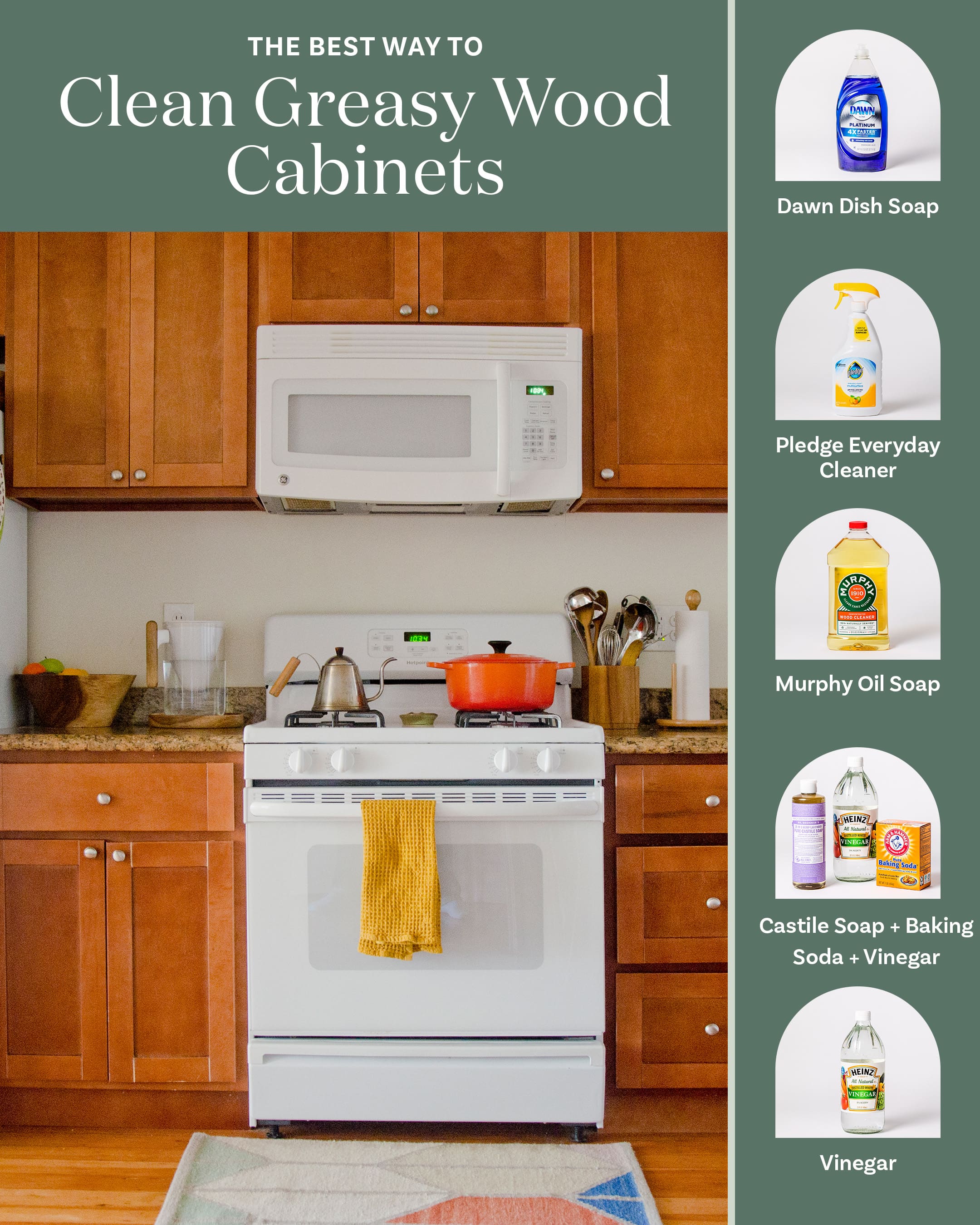
Image Source: cdn.apartmenttherapy.info
Deciphering the Greasy Build-up
Before diving into cleaning, it’s helpful to understand what you’re dealing with. Grease is essentially oil that has been heated, often from cooking methods like frying or sautéing. When this hot oil encounters cooler air, it can become airborne and settle on surfaces, including your kitchen cabinets. Over time, this grease film can harden and become increasingly difficult to remove if left unaddressed.
Key factors contributing to grease build-up:
- Cooking Methods: Frying, grilling, and stir-frying are primary culprits.
- Ventilation: Inadequate kitchen ventilation allows grease particles to spread more widely.
- Cabinet Finish: Some finishes are more porous or prone to attracting grease than others.
- Frequency of Cleaning: Letting grease sit for extended periods makes it harder to remove.
Preparing for a Sparkling Clean
Proper preparation is crucial for efficient and safe cabinet cleaning. Gathering your supplies and protecting your workspace will make the process smoother.
Essential Cleaning Supplies:
- Soft cloths: Microfiber cloths are ideal as they are gentle and absorbent.
- Sponges: Non-abrasive sponges are suitable for tougher spots.
- Buckets: Two buckets are recommended – one for your cleaning solution and one for rinsing.
- Mild dish soap: A staple for cutting through grease.
- Warm water: Helps to dissolve grease more effectively.
- Baking soda: A gentle abrasive and deodorizer.
- White vinegar: A natural degreaser and disinfectant.
- Optional: Specialized kitchen cabinet degreaser: For stubborn, built-up grease.
- Gloves: To protect your hands.
- Old towels or newspaper: To protect your countertops and floor.
Protecting Your Kitchen Environment:
- Clear the counters: Remove any items from the cabinet fronts you’ll be cleaning.
- Lay down protection: Place old towels or newspaper on your countertops and floor directly below the cabinets. This will catch any drips and prevent damage to your surfaces.
Simple, Effective Cleaning Solutions for Removing Grease from Cabinets
There are several tried-and-true methods for tackling greasy cabinets. We’ll start with the gentlest and work our way up to more potent solutions if needed.
1. The Gentle Approach: Mild Dish Soap and Warm Water
This is often the best way to clean kitchen cabinets for everyday grime and light grease.
What you’ll need:
- 2 buckets
- Mild dish soap
- Warm water
- Soft cloths
How to do it:
- Fill one bucket with warm water and add a few drops of mild dish soap.
- Fill the second bucket with clean, warm water for rinsing.
- Dip a soft cloth into the soapy water, wring it out well so it’s damp, not soaking.
- Gently wipe down the cabinet surfaces, focusing on areas with visible grease. Work in small sections.
- Rinse your cloth frequently in the clean water bucket to avoid spreading the grease.
- After wiping with the soapy cloth, immediately wipe the cabinets with a clean, damp cloth from the rinse bucket to remove any soap residue.
- Finally, dry the cabinets thoroughly with a clean, dry microfiber cloth. This prevents water spots and protects the finish.
Why it works: Dish soap is specifically formulated to break down oils and fats, making it an excellent kitchen cabinet degreaser.
2. The Natural Powerhouse: Baking Soda Paste
For slightly more stubborn grease, a baking soda paste can be a lifesaver. Baking soda is a mild abrasive that can lift grease without scratching most finishes.
What you’ll need:
- Baking soda
- Water
- Soft cloth or non-abrasive sponge
How to do it:
- In a small bowl, mix baking soda with a little water to create a thick paste. Aim for a consistency similar to toothpaste.
- Apply the paste directly to the greasy areas on your cabinets.
- Let the paste sit for 5-10 minutes to allow it to work on the grease.
- Gently scrub the area with a damp cloth or sponge. Use a soft, circular motion.
- Wipe away the paste and dissolved grease with a clean, damp cloth.
- Rinse the cloth and wipe again to ensure all baking soda residue is removed.
- Dry the cabinets thoroughly with a clean, dry cloth.
Considerations: While generally safe, test this method on an inconspicuous area first, especially on delicate or antique finishes.
3. The Vinegar Solution: A Versatile Degreaser
White vinegar is a fantastic natural degreaser and can also help disinfect your cabinets.
What you’ll need:
- White vinegar
- Water
- Spray bottle
- Soft cloths
How to do it:
- Mix equal parts white vinegar and water in a spray bottle.
- Lightly mist the greasy areas of your cabinets. Avoid saturating the wood.
- Let the solution sit for a few minutes to break down the grease.
- Wipe the cabinets clean with a soft, damp cloth.
- Follow up by wiping with a clean, damp cloth to rinse away the vinegar.
- Dry the cabinets immediately with a clean, dry cloth.
Important Note: While vinegar is effective, it is acidic. Always dilute it with water and avoid leaving it on the surface for too long, especially on unsealed or very old wood finishes. Always test in an inconspicuous spot.
Tackling Tougher Grease: When Mild Isn’t Enough
Sometimes, standard kitchen cabinet cleaning recipes aren’t enough for heavily encrusted grease. This is when you might need a stronger, yet still safe, kitchen cabinet degreaser.
1. Specialized Kitchen Cabinet Degreasers
There are many excellent commercial products designed specifically for cleaning greasy kitchen cabinets. When choosing one, look for products that are formulated for your specific cabinet material (e.g., wood, laminate, painted).
What to look for in a product:
- Formulated for cabinets: Avoid general-purpose cleaners.
- Mild and non-abrasive: Crucial for protecting the finish.
- Good reviews: Check for customer feedback on effectiveness and safety.
How to use commercial degreasers:
- Read the label carefully: Always follow the manufacturer’s instructions precisely.
- Test in an inconspicuous area: Before applying to the entire cabinet, test the product on a small, hidden spot to ensure it doesn’t damage or discolor the finish.
- Apply with a cloth, not directly to the cabinet: Spray the degreaser onto a soft cloth, then wipe the cabinets. This gives you more control and prevents oversaturation.
- Wipe clean and rinse: After the degreaser has had time to work, wipe the cabinets with a clean, damp cloth to remove residue.
- Dry thoroughly: Always dry the cabinets with a soft, dry cloth.
2. DIY Kitchen Cabinet Cleaner Recipe for Stubborn Grease
This recipe combines the power of dish soap with a touch of degreasing strength from ammonia (use with extreme caution and ventilation).
What you’ll need:
- 1 cup of warm water
- 1 tablespoon of mild dish soap
- 1 tablespoon of clear ammonia (optional, for very tough grease – use with extreme caution and ventilation)
- Soft cloths
- Gloves
How to do it:
- Ventilate the area: Open windows and turn on your kitchen fan. Ammonia fumes can be strong.
- Mix the solution: In a bucket, combine warm water and dish soap. If using ammonia, add it very carefully and stir gently. NEVER mix ammonia with bleach or other cleaning products.
- Apply the solution: Dip a soft cloth into the mixture, wring it out thoroughly, and wipe down the greasy cabinets.
- Address tough spots: For very stubborn grease, you might need to let the solution sit for a minute or two, or gently scrub with a non-abrasive sponge.
- Rinse and dry: Wipe the cabinets with a clean, damp cloth to remove all residue. Then, dry them completely with a soft, dry cloth.
Crucial Safety Precautions for Ammonia:
- Ventilation is paramount.
- Never mix with bleach. This creates toxic chlorine gas.
- Wear gloves.
- Avoid inhaling fumes directly.
If you’re uncomfortable with ammonia, skip this step and stick to the dish soap and baking soda methods.
Cleaning Specific Cabinet Materials
The material of your kitchen cabinets significantly impacts the best cleaning approach.
Cleaning Wood Kitchen Cabinets
Wood cabinets, whether stained, painted, or natural, require a gentler touch. Harsh chemicals or excessive water can damage the finish, leading to warping, discoloration, or peeling.
- Stained or Varnished Wood: Mild dish soap and water, or the vinegar/water solution (diluted), are generally safe. Always wipe with the grain of the wood. After cleaning, consider a good quality furniture polish or wax to restore shine and provide protection.
- Painted Wood Cabinets: These can be more delicate. Start with the mildest solution (dish soap and water). If there’s a very tough spot, try the baking soda paste, but test it first. Avoid abrasive scrubbers at all costs.
- Unfinished Wood: This is the most porous and susceptible to damage. Use a very damp cloth and dry immediately. A specialized wood cleaner designed for unfinished wood might be necessary.
How to remove oil from cabinets made of wood: For oily residue on wood, a soft cloth dampened with the mild dish soap and water mixture is usually the most effective and safe first step.
Laminate and Melamine Cabinets
These are generally more durable and easier to clean.
- Dish soap and water: This is usually sufficient for most grease.
- Vinegar/water solution: Also effective.
- Avoid abrasive cleaners: Steel wool or harsh scrubbers can scratch the surface.
- Resistant to most mild household cleaners: But always check manufacturer recommendations if available.
Thermofoil and Vinyl Cabinets
These are popular for their affordability and ease of maintenance.
- Mild dish soap and water: The go-to solution.
- Avoid harsh chemicals: Acetone or strong solvents can damage the finish.
- Test spot: If unsure, always test a new cleaner in an inconspicuous area.
Tips for Safe Cabinet Degreaser Use
Safety is paramount when dealing with any cleaning product, especially those designed to break down grease.
Table: Safe Cabinet Degreaser Usage Guidelines
| Safety Measure | Description |
|---|---|
| Ventilation | Always ensure good airflow by opening windows and using your kitchen exhaust fan, especially when using ammonia or strong commercial degreasers. |
| Gloves | Wear rubber or nitrile gloves to protect your skin from harsh chemicals and prolonged exposure to moisture. |
| Test First | Always test any cleaning solution, DIY or commercial, on a small, hidden area of your cabinets before tackling the whole surface. |
| Use Soft Cloths | Opt for microfiber cloths or soft sponges. Avoid abrasive materials like steel wool or scouring pads that can scratch or damage finishes. |
| Avoid Oversaturation | Do not soak your cabinets. Use damp cloths and wring them out well to prevent damage to the wood or finish. |
| Rinse Thoroughly | After cleaning, wipe down the cabinets with a clean, damp cloth to remove any cleaning solution residue. |
| Dry Immediately | Always dry your cabinets thoroughly with a soft, dry cloth after cleaning and rinsing to prevent water spots and protect the finish. |
| Read Product Labels | For commercial cleaners, strictly adhere to the manufacturer’s instructions for application, dwell time, and safety precautions. |
| Never Mix Cleaners | Avoid mixing different cleaning products, especially ammonia and bleach, as this can create dangerous fumes. |
Kitchen Cabinet Maintenance: Preventing Future Buildup
The best defense against greasy cabinets is consistent kitchen cabinet maintenance. Regular cleaning prevents heavy build-up, making future cleaning much easier.
Daily Habits:
- Wipe spills immediately: Don’t let grease or food splatters sit on the cabinet surface. A quick wipe with a damp cloth can save a lot of effort later.
- Ventilate while cooking: Always use your kitchen exhaust fan when cooking, especially when frying or sautéing. This significantly reduces the amount of grease that settles on surfaces.
Weekly Routine:
- Quick wipe-down: Spend a few minutes each week wiping down the most used cabinet fronts, especially around the stove and sink area, with a slightly damp cloth.
Monthly Deep Clean:
- Thorough cleaning: Once a month, perform a more thorough cleaning using one of the methods described above. This will keep your cabinets looking their best and extend their lifespan.
Frequently Asked Questions (FAQ)
Q1: What is the safest way to clean greasy kitchen cabinets?
A1: The safest way to clean greasy kitchen cabinets is by using a mild solution of dish soap and warm water, applied with a soft cloth. Always test any cleaner in an inconspicuous area first, and dry the cabinets thoroughly afterward.
Q2: Can I use all-purpose cleaners on my kitchen cabinets?
A2: It’s generally not recommended. All-purpose cleaners can be too harsh for cabinet finishes and may cause discoloration or damage. Stick to cleaners specifically designed for cabinets or gentle DIY solutions.
Q3: How often should I clean my kitchen cabinets?
A3: For best results and to prevent heavy buildup, it’s recommended to do a quick wipe-down weekly and a more thorough cleaning monthly. Daily wiping of spills is also crucial.
Q4: My cabinets have a lot of sticky, old grease. What’s the best approach?
A4: For old, stubborn grease, try a baking soda paste. Let it sit on the grease for 10-15 minutes before gently scrubbing. If that doesn’t work, consider a specialized kitchen cabinet degreaser, following the product’s instructions carefully and testing in a hidden spot first.
Q5: Is it safe to use vinegar on my wood kitchen cabinets?
A5: Yes, but it must be diluted with water (a 1:1 ratio is common) and used sparingly. Avoid letting the vinegar solution sit on the wood for too long, and always rinse and dry the cabinets immediately afterward. Test on an inconspicuous area first, as some finishes may react differently.
Q6: How do I remove oil from cabinets without damaging the finish?
A6: Start with the gentlest method: a soft cloth dampened with warm water and a few drops of mild dish soap. Gently wipe the oily surface. If more is needed, a dilute vinegar solution can be used, followed by rinsing and thorough drying.
By following these guidelines and choosing the right kitchen cabinet cleaner recipe or commercial product for your cabinet type, you can effectively tackle grease and keep your kitchen looking clean and inviting. Remember, consistent kitchen cabinet maintenance is the key to making these cleaning tasks easier and ensuring your cabinets stay beautiful for years to come.