
Can you use dish soap to clean painted kitchen cabinets? Yes, mild dish soap is generally a safe and effective option for cleaning painted kitchen cabinets.
Painted kitchen cabinets are a beautiful and popular choice for many homes. They offer a fresh, modern look and can be customized in a vast array of colors. However, keeping them clean and looking their best requires a gentle approach. This comprehensive guide will walk you through the best methods for cleaning painted kitchen cabinets, ensuring they remain pristine without damaging the paint finish. We’ll cover everything from daily wipe-downs to tackling tougher grime.
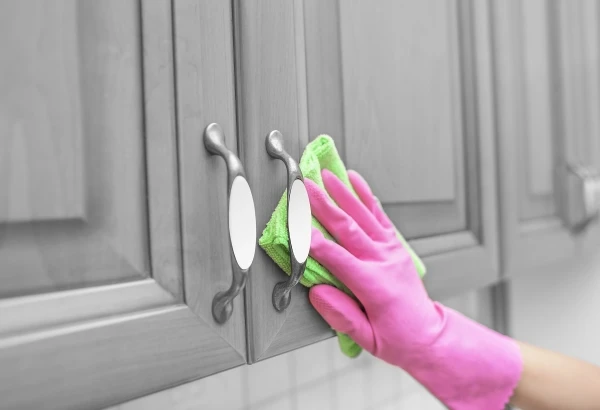
Image Source: www.fivestarpainting.com
Daily Care: The First Line of Defense
The simplest way to keep your painted cabinets looking great is through regular, gentle cleaning. This prevents dirt and grime from building up, making deeper cleaning less of a chore.
Quick Wipe-Downs
- Frequency: Aim to wipe down cabinets daily or every other day, especially in high-traffic areas like around the stove and sink.
- Tools: A soft microfiber cloth is ideal. These cloths are highly absorbent and won’t scratch the painted surface.
- Method: Lightly dampen the cloth with water. If needed, a tiny drop of mild dish soap can be added to the water. Gently wipe down the cabinet fronts, paying attention to any smudges or fingerprints.
- Drying: Immediately follow up with a dry microfiber cloth to prevent water spots.
Tackling Everyday Grime and Smudges
Even with daily care, you’ll encounter everyday grime. Knowing the right cabinet cleaning solutions is key.
Mild Dish Soap and Water
This is often the best cleaner for painted wood cabinets. Dish soap is designed to cut through grease and everyday dirt without being too harsh.
- Preparation: Mix a few drops of mild dish soap (avoid those with harsh degreasers or bleach) with warm water in a bucket or bowl.
- Application: Dip a soft cloth into the solution and wring it out thoroughly. You want the cloth to be damp, not dripping wet. Excess water can seep into cabinet seams and cause damage.
- Wiping: Gently wipe down the cabinet fronts. Work in sections.
- Rinsing: Use a separate clean cloth, dampened with plain water, to wipe away any soap residue. This is important to prevent a sticky film from forming.
- Drying: Immediately dry the cabinets with a clean, dry microfiber cloth.
Natural Cabinet Cleaner Options
For those who prefer to avoid commercial cleaners, there are effective natural cabinet cleaner options:
- Vinegar Solution: Mix equal parts white vinegar and water in a spray bottle. Vinegar is a natural disinfectant and degreaser.
- Caution: Vinegar is acidic. Always test this solution in an inconspicuous area first. For cabinets painted with certain finishes, or if you’re unsure, it might be best to stick to dish soap.
- Application: Spray lightly onto the cloth, not directly onto the cabinets. Wipe down the cabinets and then rinse with a damp cloth. Dry thoroughly.
- Baking Soda Paste: For tougher spots, a paste made from baking soda and water can be effective.
- Preparation: Mix baking soda with just enough water to form a paste.
- Application: Apply the paste to the stain with a soft cloth or sponge. Gently rub the area.
- Removal: Wipe away the paste with a damp cloth and then rinse with another damp cloth. Dry immediately.
- Caution: Baking soda is mildly abrasive. Use very gentle pressure to avoid dulling the paint finish.
Dealing with Stubborn Stains and Grease
Kitchens are prone to grease splatters, especially around the stovetop. You’ll need specific methods to remove grease from cabinets.
Addressing Grease Buildup
- Dish Soap (Again!): The mild dish soap and water solution is often sufficient for moderate grease.
- Degreasing Dish Soaps: For more stubborn grease, you can use a dish soap known for its degreasing power, but always dilute it significantly with water.
- Rubbing Alcohol (Isopropyl Alcohol): Isopropyl alcohol can be effective at cutting through grease.
- Preparation: Mix one part rubbing alcohol with one part water.
- Application: Apply to a cloth and gently wipe the greasy areas.
- Caution: Alcohol can sometimes affect certain paint finishes. Test in a hidden spot first. Ensure good ventilation when using. Always dry immediately after.
- Specialized Cabinet Cleaners: If natural or dish soap methods aren’t working, consider a cleaner specifically formulated for painted cabinets or wood. Always read the product label carefully and follow the instructions.
Removing Specific Stains
- Food Stains (e.g., Tomato Sauce, Coffee):
- Wipe with a damp cloth and mild dish soap solution.
- If the stain persists, try the baking soda paste (use gentle pressure).
- For very stubborn stains, a solution of diluted hydrogen peroxide (1 part hydrogen peroxide to 5 parts water) can be used sparingly on a cloth. Test this first in an inconspicuous area as it can lighten some finishes. Rinse thoroughly and dry.
- Ink or Crayon Marks:
- Try a melamine foam sponge (like Magic Eraser), but use it with extreme caution and very gentle pressure. These are abrasive and can remove paint.
- Rubbing alcohol on a cloth can sometimes lift ink.
- For crayon, a dab of mineral oil or peanut butter can sometimes break down the wax, followed by cleaning with dish soap and water.
Cleaning Different Types of Painted Finishes
The type of paint used on your cabinets will influence the best cleaning methods.
High Gloss and Semi-Gloss Finishes
These finishes are more durable and easier to clean.
- What to Use: Mild dish soap and water, or a diluted vinegar solution are generally safe. You can also use a specialized cabinet cleaner formulated for glossy surfaces.
- What to Avoid: Abrasive cleaners or scrubbers that can scratch the high gloss.
Matte and Satin Finishes
These finishes are more delicate and can be more prone to showing streaks or being dulled by harsh cleaners.
- What to Use: A very mild dish soap and water solution, with minimal water. Focus on using a well-wrung-out cloth. Gently clean kitchen cabinets with these finishes.
- What to Avoid: Harsh chemicals, alcohol-based cleaners (unless heavily diluted and tested), abrasive sponges, and excessive scrubbing. Always pat dry to prevent water spots that can be more noticeable on matte finishes.
Important Cleaning Tips for Cabinet Doors and Hardware
Don’t forget the details! Cleaning tips for cabinet doors also include hardware.
Cabinet Door Cleaning
- Work Top to Bottom: When cleaning cabinet doors, start with the top panels and work your way down to prevent drips from dirtying already cleaned areas.
- Clean Hinges and Knobs: Use a soft cloth dampened with your cleaning solution to wipe down hardware. For intricate designs or crevices, a soft-bristled toothbrush can be helpful. Ensure you dry hardware thoroughly to prevent rust or tarnish.
- Avoid Soaking: Never spray cleaner directly onto the cabinets, especially near seams or edges. Always apply cleaner to your cloth.
Hardware Cleaning
- Metal Hardware (Brass, Chrome, Stainless Steel):
- Brass: Can be cleaned with a brass cleaner or a paste of lemon juice and baking soda. Buff with a soft cloth.
- Chrome: Mild dish soap and water is usually best. For stubborn water spots, a paste of baking soda and water or a little white vinegar can be used, followed by thorough rinsing and drying.
- Stainless Steel: Use a stainless steel cleaner or a damp cloth with a bit of dish soap. Always wipe in the direction of the grain and dry with a soft cloth to prevent streaks.
- Wooden or Painted Hardware: Treat these the same way you would the cabinet fronts – with mild soap and water.
DIY Cabinet Cleaner Recipes
Creating your own DIY cabinet cleaner is economical and allows you to control the ingredients.
All-Purpose Gentle Cleaner
- Ingredients:
- 1 cup warm water
- 1 tablespoon mild liquid dish soap (like Dawn or a natural brand)
- Instructions: Combine in a spray bottle. Shake gently before each use. Spray onto a cloth, not the cabinets, and wipe. Rinse with a damp cloth and dry.
Vinegar-Based Degreaser (Use with Caution)
- Ingredients:
- 1 cup warm water
- 1/4 cup white vinegar
- Instructions: Combine in a spray bottle. Test in an inconspicuous area first. Spray lightly onto a cloth, wipe, rinse with a damp cloth, and dry.
Baking Soda Paste for Tough Spots
- Ingredients:
- 1/4 cup baking soda
- 1-2 tablespoons water (enough to make a paste)
- Instructions: Mix into a paste. Apply to the stain with a soft cloth, rub gently, wipe away with a damp cloth, rinse, and dry.
Maintaining Painted Cabinets for Longevity
Proper maintenance is key to ensuring your painted cabinets look good for years to come.
Regular Dusting
- A dry microfiber cloth is your best friend for daily dusting. This prevents a layer of dust from becoming ingrained in the paint.
Avoiding Harsh Chemicals
- As mentioned, stay away from ammonia, bleach, abrasive powders, steel wool, and abrasive sponges. These can strip paint, dull the finish, or cause scratches.
Protecting from Heat and Moisture
- While not a cleaning tip, it’s important to note that excessive heat from ovens or appliances, and prolonged exposure to steam from kettles or dishwashers, can damage paint finishes over time. Ensure good ventilation and consider using heat-resistant mats or guards where possible.
Touch-Up Paint
- Keep a small amount of your cabinet paint on hand for minor nicks or scratches. A small artist’s brush can be used for precise touch-ups.
What to Do When You’re Unsure
If you have specialty paint finishes or are hesitant about a particular cleaning method, here’s what to do:
Test in an Inconspicuous Area
- This is the golden rule for any cleaning product or method. Find a spot that’s not easily visible, like the inside of a cabinet door or a corner of a less-used cabinet. Apply your chosen cleaner and see how the paint reacts. Wait for it to dry completely before proceeding.
Consult the Manufacturer
- If your cabinets were professionally painted or if you know the brand and type of paint used, check the manufacturer’s recommendations for cleaning and care.
When to Call a Professional
- For extensive damage, deep-seated stains that won’t budge, or if you’re dealing with antique or highly valuable cabinets, it might be best to consult a professional cabinet refinisher or cleaner.
Table of Recommended Cleaning Agents
Here’s a quick reference for common cleaning agents and their suitability for painted cabinets:
| Cleaner Type | Suitability for Painted Cabinets | Notes |
|---|---|---|
| Mild Dish Soap | Excellent | Ideal for daily cleaning and general grime. Always dilute with water. |
| Warm Water | Excellent | For light dusting and wiping. |
| White Vinegar (Diluted) | Good (with caution) | Effective degreaser. Must be diluted and tested first, as its acidity can affect some finishes. Rinse thoroughly. |
| Baking Soda Paste | Good for spot cleaning (with caution) | Effective for tougher stains. Use gentle pressure to avoid abrasion. Rinse and dry well. |
| Rubbing Alcohol (Diluted) | Fair (with caution) | Can cut through grease but may affect some finishes. Test first, use diluted, and dry immediately. Ensure good ventilation. |
| All-Purpose Cleaners | Variable | Some are safe, but many contain harsh chemicals. Check labels carefully and test first. Avoid those with bleach or ammonia. |
| Abrasive Cleaners | Never Recommended | Will scratch, dull, or remove paint. Includes scouring powders, abrasive sponges, and steel wool. |
| Bleach/Ammonia | Never Recommended | Too harsh; can strip paint and damage finishes. |
| Specialized Cabinet Cleaners | Good (if formulated for painted cabinets) | Always read product instructions and test in a hidden area. |
| Melamine Foam Sponges | Use with extreme caution | Can be abrasive and remove paint. Use only on very tough spots with minimal pressure and test first. |
Frequently Asked Questions (FAQ)
Q1: How often should I clean my painted kitchen cabinets?
A1: It’s best to do a quick wipe down cabinets daily or every other day to catch fingerprints and light smudges. A more thorough cleaning using your chosen cabinet cleaning solutions can be done weekly or as needed, depending on how heavily you use your kitchen. Regular maintenance is key to keeping them looking their best.
Q2: Can I use a magic eraser on my painted cabinets?
A2: Melamine foam sponges, often known as Magic Erasers, can be effective for removing tough marks. However, they are abrasive and can easily remove or dull the paint finish if used with too much pressure or too often. It’s crucial to test in an inconspicuous area first and use very gentle pressure. For most cleaning needs, milder methods are preferred to gently clean kitchen cabinets.
Q3: What is the best way to remove grease from cabinets around the stove?
A3: To remove grease from cabinets, start with a solution of warm water and mild dish soap. For tougher grease, a slightly stronger concentration of dish soap or a diluted vinegar solution can be effective. Apply the cleaner to a cloth, wipe the greasy areas, then rinse with a clean, damp cloth and dry thoroughly. Ensure good ventilation when dealing with grease buildup.
Q4: Are there any natural cleaners I can use on my painted cabinets?
A4: Yes, there are several effective natural cabinet cleaner options. A mixture of equal parts white vinegar and water is a good degreaser, but it should always be diluted and tested first as vinegar is acidic. A paste made from baking soda and water can be used for stubborn spots, but use gentle pressure as baking soda is mildly abrasive. Always rinse and dry thoroughly.
Q5: What if my cabinets have a specialty paint finish, like a high-gloss or a chalk paint?
A5: For high-gloss finishes, mild dish soap and water or specialized glass cleaners (if they are very durable) are usually safe. For more delicate finishes like chalk paint or matte finishes, it’s best to use very minimal moisture and the gentlest cleaning agents, like a lightly dampened microfiber cloth with just water, or a heavily diluted mild soap solution. Always test any cleaner in an inconspicuous area first, as these finishes can be more sensitive to moisture and abrasion.
Q6: How can I prevent damage to my painted cabinets when cleaning?
A6: The key is to gently clean kitchen cabinets and avoid harsh chemicals and abrasive tools. Always use soft cloths like microfiber. Never spray cleaner directly onto the cabinets; apply it to the cloth first. Avoid saturating the cabinets with water, as excess moisture can seep into seams and cause damage. Dry cabinets immediately after cleaning to prevent water spots. If you’re ever unsure, always test your cleaning method on a hidden spot.
Q7: Can I use my regular household all-purpose cleaner?
A7: It depends on the cleaner. Many general household cleaners contain harsh chemicals like ammonia or bleach, or they can be too alkaline or acidic for painted surfaces. It’s best to test any cleaner in an inconspicuous area first. If a cleaner isn’t specifically designed for painted wood or cabinets, it’s safer to stick with proven methods like mild dish soap and water or a DIY cabinet cleaner.
Q8: How do I maintain painted cabinets to keep them looking good?
A8: To maintain painted cabinets, regular dusting with a soft cloth is essential. Address spills and smudges promptly. Avoid harsh chemicals, abrasive materials, and excessive moisture. Keep a small amount of touch-up paint handy for minor chips or scratches. Good kitchen ventilation can also help reduce grease buildup on cabinets.
Q9: What is the best cleaner for painted wood cabinets?
A9: The best cleaner for painted wood cabinets is typically a mild dish soap mixed with warm water. This combination is effective at cutting grease and grime without being too harsh on the paint finish. Always use a soft cloth, rinse with a clean damp cloth, and dry thoroughly.
Q10: How do I clean cabinet hardware?
A10: Cabinet hardware can be cleaned with the same mild dish soap and water solution used for the cabinets, applied to a cloth. For metal hardware, specific metal cleaners might be needed depending on the material (e.g., brass cleaner for brass). Use a soft-bristled toothbrush for intricate hardware details. Always dry hardware thoroughly after cleaning to prevent rust or tarnishing.
By following these guidelines, you can confidently clean and maintain your painted kitchen cabinets, keeping them looking beautiful and fresh for years to come.