
What are the most important cabinet dimensions to measure for a kitchen? The most crucial cabinet dimensions to measure for your kitchen are width, height, and depth, as these dictate how cabinets will fit and function within your space.
Planning a kitchen remodel or simply replacing your cabinets? Accurate measurements are the bedrock of a successful project. Without them, you risk ordering cabinets that are too big, too small, or simply won’t fit the layout of your dream kitchen. This guide will walk you through the entire process of measuring for kitchen cabinets, ensuring your new cabinetry looks great and works perfectly. We’ll cover everything from the overall kitchen cabinet size to the specifics of base cabinet dimensions and wall cabinet dimensions, making measuring for kitchen cabinets a breeze.
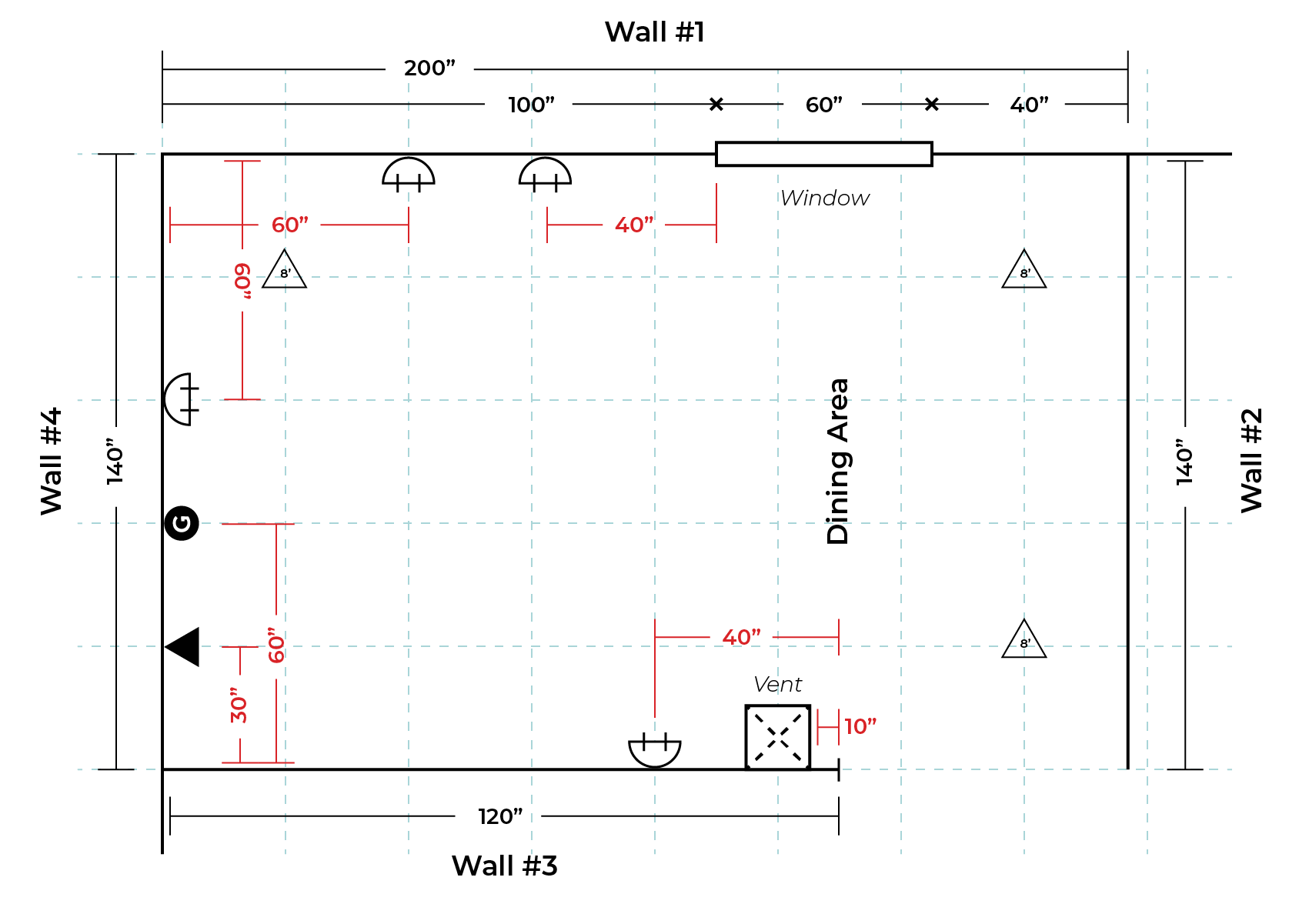
Image Source: cdn.kitchencabinetkings.com
Preparing Your Workspace for Accurate Measurements
Before you even pick up a tape measure, a little preparation goes a long way. A clean and clear workspace is essential for taking accurate cabinet installation measurements.
Clearing the Area
- Remove Obstacles: Move any appliances, furniture, or decorative items that are close to the walls where cabinets will be installed. This includes countertops, backsplash pieces, and anything else that might be in the way.
- Clean the Walls: Wipe down the walls and baseboards. Dust and grime can interfere with your tape measure’s grip and make readings less precise.
Gathering Your Tools
Having the right tools makes the job much easier and more accurate.
- Tape Measure: A sturdy, metal tape measure is essential. Aim for one at least 16 feet long.
- Pencil and Paper (or Digital Device): For recording your measurements.
- Graph Paper: Useful for sketching your kitchen layout and marking dimensions.
- Level: To ensure your measurements are taken on straight surfaces.
- Painter’s Tape: For marking specific points or boundaries.
- Assistant (Recommended): While you can measure alone, having a second person can help hold the tape measure steady and ensure accuracy, especially for longer spans.
Measuring Your Kitchen Space: The Foundation of Cabinet Planning
The first step in measuring for kitchen cabinets is to get a clear picture of your existing kitchen space. This involves taking measurements of the walls, windows, doors, and any existing plumbing or electrical outlets.
Measuring Wall Widths
This is arguably the most critical measurement. You’ll need to measure the length of each wall where you plan to install cabinets.
- Start Point: Begin at one corner of the wall.
- Extend the Tape: Pull the tape measure taut along the wall.
- End Point: Measure to the opposite corner.
- Record: Write down the exact measurement. It’s often best to measure to the nearest 1/8th of an inch.
- Repeat: Do this for every wall that will have cabinets.
Tip: Measure the same wall in at least two places (e.g., at the floor and at the ceiling) to ensure the wall is plumb (vertically straight). Slight variations are common, but significant differences can impact cabinet fit.
Measuring for Cabinet Height
Cabinet height is crucial for both base and wall cabinets.
Base Cabinet Height
Standard base cabinet dimensions usually include a height of 34.5 inches. This allows for a standard countertop thickness of 1.5 inches, bringing the total countertop height to 36 inches, which is the industry standard.
- Measure from Floor to Countertop: If you have existing countertops, measure the height from the floor to the top surface of your current countertop.
- Consider Finished Floor: If you are installing new flooring, factor in its thickness. The measurement should be from the finished floor level.
- Account for the Kick Plate: Base cabinets have a toe kick at the bottom. The standard height measurement typically excludes this.
Wall Cabinet Height
Wall cabinet height can vary significantly depending on your ceiling height and design preferences. Common heights include 30, 36, and 42 inches.
- Measure from Countertop to Ceiling: Measure the vertical distance from the top of your planned countertop to the ceiling.
- Consider Obstructions: Note any molding, soffits, or light fixtures that might limit the available cabinet height.
- Subtract for Clearance: Remember to leave adequate space between the countertop and wall cabinets. The standard is 18 inches for backsplash space. If you have a different backsplash height in mind, adjust accordingly.
Measuring Cabinet Depth
Cabinet depth is another important factor for both base and wall cabinets.
Base Cabinet Depth
Standard base cabinet dimensions for depth are typically 24 inches for the cabinet box itself. This depth usually includes the door or drawer front, bringing the total depth to around 25 inches.
- Measure Existing Base Cabinets (if applicable): Measure from the front of the cabinet doors/drawers to the back of the cabinet box.
- Consider Clearance: Ensure the depth doesn’t interfere with appliance doors (like ovens or dishwashers) or create an awkward protrusion into the kitchen walkway.
- Measure Wall Depth: For custom installations, measure the depth of the wall from the front of the cabinet to the wall itself.
Wall Cabinet Depth
Standard wall cabinet depth is typically 12 inches. This allows for adequate storage without protruding too far into the kitchen space and obstructing movement.
- Measure Wall to Front Edge: Measure the distance from the wall to the desired front edge of the wall cabinet.
- Check for Obstructions: Ensure the depth doesn’t clash with appliances or cabinets on the opposite wall.
Measuring for Specific Cabinet Types
Beyond the general dimensions, certain cabinet types require specific measurements.
Pantry Cabinet Measurements
Pantry cabinet measurements are critical for maximizing storage.
- Height: Measure the full height of the wall space where the pantry cabinet will go, from the finished floor to the ceiling or any overhead obstructions.
- Width: Measure the horizontal width of the wall space dedicated to the pantry.
- Depth: Measure the depth of the space available. Ensure the pantry cabinet depth allows for comfortable door swing and access to items stored inside.
Corner Cabinet Measurements
Corner cabinets can be tricky but are essential for utilizing every inch of space.
- Adjacent Wall Widths: Measure the width of both walls that meet at the corner.
- Diagonal Measurement: For a blind corner cabinet, you might need to measure the diagonal depth required to accommodate the cabinet box and its swing.
- Obstructions: Note any plumbing, electrical outlets, or windows that might interfere with the placement or operation of a corner cabinet.
Mapping Your Kitchen Layout: A Visual Representation
Once you have all your raw measurements, it’s time to create a visual representation of your kitchen. This helps you plan the layout and identify potential issues.
Sketching Your Kitchen Floor Plan
- Draw the Walls: On your graph paper, draw the outline of your kitchen, representing the walls. Use a scale (e.g., 1 inch = 1 foot) for accuracy.
- Mark Windows and Doors: Draw in the exact locations and sizes of all windows and doors. Note their swing direction.
- Indicate Fixtures: Mark the positions of sinks, ovens, refrigerators, dishwashers, and any other major appliances. Also, note the location of plumbing hookups and electrical outlets.
- Add Existing Cabinets (if applicable): If you’re not replacing all cabinets, draw in the existing ones, noting their cabinet dimensions.
Plotting Cabinet Placement
Now, you can start planning where your new cabinets will go.
- Start with Base Cabinets: Begin by placing your base cabinets along the walls, paying attention to appliance placements and workflow.
- Position Wall Cabinets: Next, plan your wall cabinets, considering the 18-inch backsplash clearance.
- Incorporate Filler Strips: Remember that standard cabinets often have a small gap between them and the wall or adjacent cabinets due to appliance depth or wall irregularities. Filler strips can be used to close these gaps. Add these to your plan.
- Consider Cabinet Widths: You’ll need to decide on the cabinet width for each section. This is often dictated by standard cabinet sizes (e.g., 12″, 15″, 18″, 24″, 30″, 36″). You’ll need to combine or adjust these to fit your measured wall lengths.
Example Measurement Sheet Structure:
| Location/Wall | Measurement (inches) | Notes (Windows, Doors, Outlets, etc.) |
|---|---|---|
| North Wall | 120 | Window at 36″ from East corner (36″ W x 48″ H) |
| East Wall | 144 | Door at 24″ from South corner (32″ W x 80″ H) |
| South Wall | 108 | Sink at 48″ from West corner |
| West Wall | 168 | Refrigerator space at 24″ from North corner (36″ W) |
Detailed Measurements for Base Cabinets
When measuring for base cabinets, focus on the space they will occupy from the floor up.
Base Cabinet Width
This is the horizontal measurement of the cabinet. Standard widths include 9″, 12″, 15″, 18″, 21″, 24″, 27″, 30″, 33″, and 36″. You’ll often need to combine these to fit your exact wall lengths.
- Measure Wall Section: Measure the clear, usable width of the wall section designated for a base cabinet.
- Subtract for Clearance: Account for any necessary gaps between cabinets or cabinets and walls (often 1/8″ to 1/4″ for ease of installation and to prevent binding).
- Choose Cabinet Width: Select a cabinet width that fits your measurement, or consider using filler strips if a standard size isn’t an exact match.
Base Cabinet Height
As mentioned, the standard base cabinet height is 34.5 inches, designed to work with a 1.5-inch countertop for a 36-inch finished height.
- Measure Floor to Countertop: If you have existing countertops, measure from the finished floor to the top of the countertop.
- Factor in New Flooring: If new flooring is planned, add its thickness to the measurement from the subfloor.
- Consider Toe Kick: Standard base cabinets have a toe kick recess at the bottom, typically 4 inches high and 3 inches deep. This is usually factored into the 34.5-inch height.
Base Cabinet Depth
The standard cabinet depth for base cabinets is 24 inches for the cabinet box.
- Measure from Wall to Front: Measure the distance from the wall to the desired front edge of the cabinet.
- Check for Obstructions: Ensure this depth does not conflict with appliance doors or create tripping hazards in walkways.
- Countertop Overhang: Remember that the countertop will typically overhang the base cabinet by about 1 to 1.5 inches at the front and sides.
Detailed Measurements for Wall Cabinets
Wall cabinets are mounted above the countertop and require careful measurement to ensure proper clearance and fit.
Wall Cabinet Width
Similar to base cabinets, wall cabinet widths are standardized.
- Measure Wall Section: Measure the horizontal length of the wall space where the wall cabinet will be installed.
- Consider Adjacent Cabinets: If placing multiple wall cabinets, measure the total width available and divide it by the number of cabinets or choose widths that fit together.
- Account for Filler Strips: Filler strips may be needed between cabinets or at the ends of runs.
Wall Cabinet Height
The choice of wall cabinet height is largely aesthetic and functional.
- Measure Countertop to Ceiling/Obstruction: Measure the vertical distance.
- Subtract for Backsplash: Deduct the desired backsplash height (typically 18 inches).
- Consider Cabinet Stack: If you’re stacking cabinets (e.g., a 30-inch cabinet with a 6-inch range hood above it), plan accordingly.
- Check Ceiling Height: Ensure your chosen cabinet height plus the backsplash clearance doesn’t exceed the ceiling height.
Wall Cabinet Depth
Standard wall cabinet depth is 12 inches.
- Measure from Wall: Measure the distance from the wall to where you want the front of the cabinet to be.
- Avoid Obstructions: Ensure the depth doesn’t interfere with appliance doors or create cramped walkways.
Addressing Unique Kitchen Features and Obstructions
Your kitchen likely has elements that require special attention during the measurement process.
Windows and Doors
- Measure Width and Height: Accurately measure the width and height of each window and door opening.
- Location from Corner: Note the distance from the nearest corner to the edge of the window or door. This helps determine how cabinets will frame these features.
- Sill Height: For windows, measure the height of the windowsill from the finished floor. This is crucial for ensuring wall cabinets align correctly with window tops.
- Door Swing: Note the direction the doors open. Cabinets should not impede their swing.
Plumbing and Electrical Outlets
- Location of Sink: Precisely measure the location of your sink’s water supply and drain pipes. This will dictate where your sink base cabinet can be placed.
- Outlet Placement: Mark the exact location of all electrical outlets and switches. You’ll need to ensure cabinets don’t cover them, or plan for specialized access.
- Ventilation: If you have a range hood, measure its location and the required clearance above the cooking surface.
Radiators and Vents
- Measure Size and Location: If radiators or vents are in the way of cabinet placement, measure their dimensions and position carefully. You might need to plan for custom cabinets to go around them or consider relocating them.
Uneven Walls and Floors
- Check for Plumb and Level: Use a level to check if walls are plumb and floors are level. Measure at multiple points.
- Account for Irregularities: If walls are significantly out of plumb or floors are uneven, you may need to use filler strips or shims during installation to ensure a tight fit and a straight appearance. Your measurements should reflect the actual space, not theoretical straight lines.
Double-Checking Your Measurements: The Key to Avoiding Errors
Mistakes in measurement are the most common reason for kitchen cabinet project delays and budget overruns. Therefore, meticulous double-checking is essential.
The “Measure Twice, Cut Once” Principle
This adage is particularly relevant here. After you’ve taken all your initial measurements:
- Re-Measure Everything: Go back over every single measurement you took. If possible, have your assistant take measurements independently and then compare.
- Compare with Your Plan: Cross-reference your measurements with your sketched layout. Do the wall lengths add up correctly with the planned cabinet widths and filler strips?
- Visualize the Fit: Imagine the cabinets in place. Do the wall cabinets clear the windows? Do the base cabinets provide enough walkway space?
Using Diagrams and Photos
- Annotate Photos: Take pictures of your kitchen and use a digital pen or markup tools to draw lines and add measurements directly onto the photos. This can be a helpful visual aid.
- Detailed Diagrams: Ensure your sketches are clear and include all relevant dimensions. Label each measurement clearly (e.g., “North Wall Width,” “Window Height from Floor”).
Common Pitfalls to Avoid
Even with the best intentions, there are common traps that can lead to measurement errors.
- Not Measuring Finished Floor: If you’re installing new flooring, remember that the finished floor height is what matters for base cabinet placement.
- Ignoring Obstructions: Small pipes, electrical boxes, or even slightly uneven walls can create significant problems if not accounted for.
- Assuming Standard Sizes: While cabinets come in standard sizes, your kitchen walls and spaces are unique. Always measure your specific space.
- Not Accounting for Appliances: The size and swing of your refrigerator, dishwasher, and oven doors will affect cabinet placement and clearances.
- Forgetting Filler Strips: These are often necessary to achieve a custom look and accommodate slight wall variations.
What to Do with Your Measurements
Once you have your accurate measurements, you can confidently move forward with your kitchen cabinet project.
- Consult with Cabinet Professionals: Share your measurements and layout with cabinet designers or manufacturers. They can help you select the right kitchen cabinet size and configurations.
- Order Cabinets: Use your measurements to place your order. Be precise with every dimension.
- Prepare for Installation: Your measurements will guide the installation process, ensuring everything fits as planned.
By following these detailed steps, you can confidently measure your kitchen for new cabinets, paving the way for a beautiful and functional renovation. Accurate measurement is the first and most important step towards achieving your ideal kitchen.
Frequently Asked Questions (FAQ)
Q1: Do I need to measure my existing cabinets?
A1: Measuring existing cabinets can be helpful for comparison or if you are replacing only a few, but for a full remodel, your primary focus should be on measuring the empty kitchen space itself to ensure the new cabinets fit perfectly.
Q2: What if my walls aren’t perfectly straight?
A2: Most kitchens have slightly imperfect walls. Measure at multiple points along the wall and use the smallest measurement for your cabinet width. You’ll use filler strips or shims during installation to account for these irregularities.
Q3: How much clearance do I need between cabinets and appliances?
A3: For appliances like refrigerators and ovens, check the manufacturer’s specifications for required clearances. For dishwashers, ensure the cabinet next to it allows for the door to open fully without obstruction.
Q4: Should I include the toe kick in my base cabinet height measurement?
A4: No, the standard base cabinet height (34.5 inches) usually refers to the cabinet box itself. The toe kick is the recess at the bottom, typically 4 inches high and 3 inches deep, and is factored into the overall design of the base cabinet.
Q5: What is a standard backsplash height?
A5: The standard space left between the countertop and the bottom of wall cabinets for a backsplash is 18 inches. However, this can vary based on your design preferences.
Q6: How do I measure for a corner cabinet?
A6: For a corner cabinet, you’ll need to measure the width of each wall it will attach to. For a blind corner cabinet, you’ll also need to consider the depth of the cabinet box that will extend into the corner.
Q7: What if I have an appliance like a microwave or a built-in oven that needs a specific cabinet?
A7: You’ll need to get the exact cabinet dimensions for that appliance (width, height, depth) and ensure the cabinet you order or build can accommodate it with proper clearance.
Q8: How precise do my measurements need to be?
A8: Aim for measurements to the nearest 1/8th of an inch. Even small inaccuracies can lead to problems during installation.
Q9: Can I measure the cabinets before the old ones are removed?
A9: It’s best to measure the space after all old cabinets and obstructions are removed. This gives you the truest representation of the available space for your new cabinets.
Q10: What are filler strips and why are they important?
A10: Filler strips are thin pieces of wood (often 1/4″ to 3″ wide) that are installed between cabinets or between a cabinet and a wall. They are crucial for closing gaps caused by uneven walls, allowing doors and drawers to open freely, and creating a finished, custom look. Your measurements should help determine where and what size filler strips you might need.