
What is the best way to get rid of kitchen smells naturally? The best way is a combination of proactive prevention and natural cleaning methods. This blog post will guide you through effective strategies. Can I use common household items to eliminate smells? Yes, many common items like baking soda and vinegar are excellent natural odor absorbers. Who is this guide for? This guide is for anyone looking to create a fresher, healthier kitchen environment without harsh chemicals.
A fresh-smelling kitchen is a joy. Nobody likes walking into a home where the lingering aroma of yesterday’s fish dinner or that forgotten onion slice dominates the air. Fortunately, you don’t need a cabinet full of chemical sprays to achieve a pleasant kitchen environment. Nature provides a bounty of solutions for eliminating stubborn odors. This in-depth guide will explore how to banish unwanted kitchen smells naturally, covering everything from daily habits to deep cleaning. We’ll delve into effective air freshening techniques, natural odor absorbers, and how to tackle specific culprits like garbage disposal cleaning and preventing fridge smells.
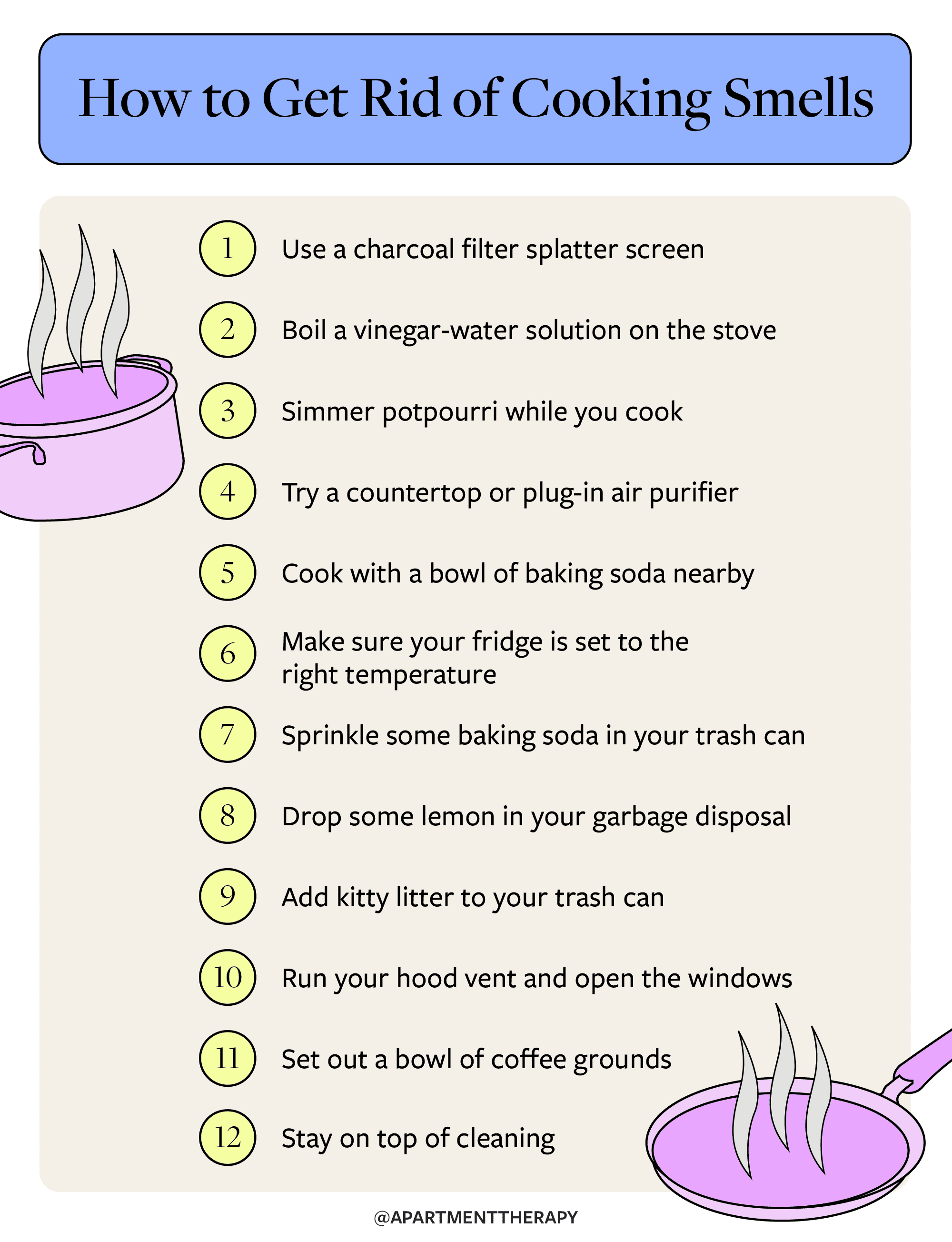
Image Source: cdn.apartmenttherapy.info
The Root Causes of Kitchen Odors
Before we dive into solutions, it’s helpful to pinpoint where those unpleasant smells originate. Understanding the source makes it easier to prevent them from returning.
Common Culprits
- Food Waste: This is perhaps the most obvious offender. Rotting food in trash cans, compost bins, or even small scraps left on countertops can quickly generate strong odors.
- Grease and Cooking Residues: Frying, sautéing, and roasting can leave a greasy film on surfaces, including walls, backsplashes, and ventilation hoods. This film traps odors and can become a source of stale smells.
- Dampness and Mold: Leaky pipes, spills that aren’t dried properly, or a consistently damp sponge can lead to mold and mildew growth, which have a distinct musty odor.
- Drain Issues: Food particles trapped in drains or the garbage disposal can decompose, releasing foul smells.
- Refrigerator Odors: Spills, spoiled food, and poor air circulation in the fridge are common causes of unpleasant smells.
- Dirty Appliances: Ovens, microwaves, and dishwashers can harbor food debris and grease, contributing to overall kitchen odor.
- Pet Food and Water Bowls: If pets are fed in or near the kitchen, their food and water bowls can also be a source of smell.
Proactive Prevention: The First Line of Defense
The most effective way to deal with kitchen smells is to prevent them from happening in the first place. Incorporating a few simple habits into your daily routine can make a massive difference.
Smart Garbage Management
Your trash can is a breeding ground for odors. Managing it wisely is key.
- Frequent Emptying: Don’t let your trash linger. Empty it daily, especially if you’ve disposed of food scraps or particularly pungent items.
- Lining is Key: Always use a trash bag. This contains leaks and makes disposal cleaner.
- Rinse Food Scraps: For particularly smelly items like seafood shells or meat scraps, give them a quick rinse before tossing them into the trash bag to reduce immediate odor.
- Natural Odor Absorbers for Your Bin:
- Baking Soda: Sprinkle a generous amount of baking soda at the bottom of your trash can before inserting a new bag. This is one of the most effective baking soda uses for odor control.
- Activated Charcoal: Place a small bag of activated charcoal in the bottom of your bin. It’s highly porous and excellent at trapping odors.
- Vinegar: Place a small bowl filled with white vinegar in or near your trash can. The vinegar helps neutralize airborne odors.
Effective Composting Tips
If you compost food scraps, proper management is crucial to avoid attracting pests and creating smells.
- Use a Sealed Bin: Opt for a compost bin with a tight-fitting lid to keep odors contained and pests out.
- Layering is Important: Aim for a balance of “greens” (food scraps) and “browns” (dry leaves, shredded paper, sawdust). Too many greens can lead to a smelly, wet mess.
- Bury Food Scraps: When adding new food scraps to your compost pile or bin, try to bury them under a layer of brown material.
- Regular Turning: Aerating your compost pile helps it break down faster and reduces anaerobic decomposition, which causes foul odors.
- Consider a Kitchen Countertop Composter: Many countertop composters are designed to be odorless, often using charcoal filters or a sealed design.
Refrigerator Smells: Keeping it Fresh
A clean fridge prevents spoiled food from impacting the entire kitchen.
- Regular Clean-outs: Dedicate 10-15 minutes each week to scan your refrigerator for anything past its prime. Discard old leftovers, wilted produce, and expired items promptly.
- Airtight Containers: Store leftovers and strong-smelling foods in airtight containers. This prevents odors from permeating the entire fridge.
- Preventing Fridge Smells:
- Baking Soda Power: Place an open box or bowl of baking soda on a shelf in your refrigerator. Replace it every 1-3 months. This is a classic method for preventing fridge smells.
- Activated Charcoal: Similar to the trash can, activated charcoal can be placed in the fridge to absorb odors.
- Vinegar Soak: Wipe down the interior of your fridge with a solution of equal parts water and white vinegar. This not only cleans but also deodorizes.
- Coffee Grounds: A small, open dish of dry, unused coffee grounds can also absorb odors, leaving a subtle coffee aroma.
Garbage Disposal Cleaning: Tackling the Drain’s Aroma
A smelly garbage disposal is a common kitchen woe.
- Regular Rinsing: After each use, run cold water for at least 30 seconds to flush away food particles.
- Citrus Power: Grinding citrus peels (lemons, oranges, limes) is a fantastic natural deodorizer. The oils help to cut through grease and leave a fresh scent.
- Vinegar Cleaning Hacks: Pour about ½ cup of white vinegar down the disposal, let it sit for 15-30 minutes, then rinse with cold water. For a deeper clean, freeze vinegar in ice cube trays and grind those. This is a brilliant vinegar cleaning hack.
- Baking Soda and Vinegar Blast: Pour ½ cup of baking soda down the disposal, followed by ½ cup of white vinegar. Let it fizz for 5-10 minutes, then rinse with hot water. This combination is potent for garbage disposal cleaning.
- Avoid Certain Foods: Never put fibrous vegetables (celery, corn husks), coffee grounds, eggshells, or starchy foods (pasta, rice) down the disposal, as they can build up and cause clogs and odors.
Sink and Dishcloth Freshness
Even seemingly clean areas can harbor smells.
- Cleaning Stained Sinks: For cleaning stained sinks, especially stainless steel, a paste of baking soda and water can work wonders. Apply the paste, let it sit for a few minutes, then scrub with a soft sponge or cloth. Rinse thoroughly.
- Dishcloth Care: Wash dishcloths frequently, ideally daily. An easy way to deodorize them is to soak them in a diluted vinegar solution (1 part vinegar to 4 parts water) for an hour before washing.
- Sponge Smarts: Squeeze out sponges thoroughly after each use and allow them to dry completely. You can also microwave a damp sponge for 1-2 minutes to kill bacteria and odors.
Eliminating Cooking Odors: Beyond the Fan
Cooking is a joy, but the lingering smells can be a challenge.
Maximizing Kitchen Ventilation
Good kitchen ventilation is your best friend in the fight against cooking odors.
- Use Your Range Hood: Always turn on your range hood when cooking, especially when frying, searing, or dealing with strong-smelling ingredients. Make sure it’s set to a high setting for maximum airflow.
- Clean Your Range Hood Filter: A clogged filter is inefficient. Clean or replace your range hood filter regularly (check your appliance manual for specific instructions).
- Open Windows: When weather permits, open windows to create cross-ventilation. This allows fresh air to circulate and push out stale, odor-filled air.
- Ceiling Fans: Running a ceiling fan can help move air around the kitchen, preventing odors from settling.
Natural Air Freshening Techniques
Once the cooking is done, use these natural air freshening techniques to refresh your space.
- Simmering Potpourri:
- Citrus and Spice: Simmer a pot of water on the stove with citrus peels (lemon, orange), a few cinnamon sticks, cloves, and perhaps a sprig of rosemary. This creates a delightful, natural aroma.
- Vanilla and Cinnamon: A few drops of vanilla extract and a sprinkle of cinnamon in simmering water work wonders.
- Vinegar Bowl: Leave a small bowl of white vinegar on the counter overnight. It’s a powerful natural odor absorber.
- Baking Soda Bowls: Similar to vinegar, bowls of baking soda placed strategically around the kitchen can absorb ambient odors.
- Houseplants: Certain houseplants can help purify the air and absorb some odors. Consider snake plants, spider plants, or peace lilies.
- Fresh Flowers: A simple bouquet of fresh flowers can add a pleasant natural scent to your kitchen.
- Essential Oils: Use an essential oil diffuser with calming scents like lavender, lemon, eucalyptus, or peppermint. A few drops of essential oil on a cotton ball placed in discreet locations can also work.
Tackling Persistent Smells
Sometimes, smells are more stubborn and require a deeper approach.
Deep Cleaning Strategies
Regular deep cleaning is essential for eliminating cooking odors and other lingering smells.
- Appliance Deep Cleans:
- Oven: For baked-on grease and grime, create a paste of baking soda and water. Apply it to the oven interior (avoiding heating elements), let it sit for several hours or overnight, then wipe clean. For tougher spots, a spray of vinegar can help loosen residue.
- Microwave: Heat a bowl of water with lemon slices or vinegar for a few minutes. The steam will loosen grime, making it easy to wipe away.
- Dishwasher: Run an empty cycle with a cup of white vinegar placed on the top rack. This cleans and deodorizes the interior.
- Surface Scrub: Regularly wipe down countertops, backsplashes, cabinets, and appliance exteriors with a mild soap and water solution or a vinegar-water mix. This removes the invisible film of grease and grime that traps odors.
- Floor Care: Mop your kitchen floor regularly, paying attention to grout lines where spills can soak in. A capful of vinegar in your mop water can boost its deodorizing power.
Addressing Upholstery and Fabrics
Kitchen curtains, chair cushions, and tablecloths can absorb odors.
- Fabric Refresher: Use a natural fabric refresher spray. You can make your own by mixing water, a splash of witch hazel or vodka (which evaporates quickly), and a few drops of essential oil in a spray bottle.
- Baking Soda Sprinkle: For cushions or curtains that can’t be easily washed, sprinkle them generously with baking soda, let it sit for a few hours, then vacuum it up. This is another excellent application of baking soda uses.
Natural Odor Absorbers: Your Arsenal of Freshness
Let’s highlight some of the star players in your natural scent-battling kit.
Baking Soda Uses: The Multi-Talented Deodorizer
We’ve touched on many baking soda uses, but its power as a natural odor absorber is undeniable.
- In the Fridge: As mentioned, an open box is a game-changer.
- In the Trash Can: A sprinkle at the bottom before adding a new bag.
- On Carpets and Rugs: Sprinkle it on carpets, let it sit for 15-30 minutes, then vacuum. This is great for general kitchen floor odors.
- In Bowls: Place open bowls of baking soda in areas where odors linger.
- Cleaning Paste: For scrubbing sinks and appliances.
Vinegar Cleaning Hacks: The Acidic Avenger
Vinegar’s acidity makes it a powerful cleaner and deodorizer.
- Neutralizing Odors: Its smell dissipates as it dries, taking other odors with it.
- Cleaning Surfaces: A diluted solution is effective for wiping down counters and appliances.
- Garbage Disposal: A fantastic cleaner and deodorizer for drains.
- Fabric Refresher: As a component in DIY sprays.
- Window Cleaning: A vinegar-water solution leaves windows streak-free and can help with any associated smells.
Other Natural Wonders
- Activated Charcoal: Highly effective at trapping odors due to its porous structure. Available in bags or loose form.
- Coffee Grounds: Both used and unused grounds can absorb smells, though unused ones are more potent and won’t leave a coffee stain.
- Lemon and Citrus Peels: The oils in citrus peels are natural degreasers and deodorizers.
- Fresh Herbs: Placing sprigs of rosemary, mint, or basil can add a subtle, pleasant fragrance.
- Vanilla Extract: A few drops in a simmering pot of water or on a cotton ball can mask and absorb odors.
Table of Natural Deodorizers
| Natural Deodorizer | How It Works | Best Uses | Notes |
|---|---|---|---|
| Baking Soda | Absorbs and neutralizes acidic and alkaline odors. | Fridge, trash cans, carpets, general air freshening, cleaning paste. | Replace in fridge every 1-3 months. |
| White Vinegar | Neutralizes alkaline odors with its acidity. | Fridge, garbage disposal, surfaces, fabric refresher, window cleaner. | The vinegar smell dissipates as it dries. |
| Activated Charcoal | Porous structure traps odor molecules. | Fridge, trash cans, general air freshening. | Available in handy bags or loose. |
| Coffee Grounds | Absorbs odors. | Fridge, trash cans, near pet food areas. | Unused grounds are best to avoid staining. Can leave a coffee aroma. |
| Citrus Peels | Natural oils cut through grease and deodorize. | Garbage disposal, simmering potpourri. | Use fresh peels for best results. |
| Essential Oils | Scent masks and can have mild deodorizing properties. | Diffusers, cotton balls, DIY sprays, simmering potpourri. | Use pure essential oils; dilute for sprays. |
| Fresh Herbs | Natural fragrant compounds. | Decorative bowls, simmering potpourri. | Rosemary, mint, basil are good choices. |
Creating a Fresher Kitchen Environment
Beyond specific odor removal, focus on maintaining a consistently fresh atmosphere.
The Importance of Regular Cleaning
A clean kitchen is a fresh kitchen. Establish a routine that includes:
- Daily Wipe-downs: Wipe down counters, the stovetop, and the sink after each meal.
- Weekly Deep Clean: Tackle appliances, floors, and any areas that tend to accumulate grime.
- Monthly Checks: Go through the fridge and pantry, check for expired items, and clean out any accumulated dust or debris.
Maintaining Good Kitchen Ventilation
As discussed, kitchen ventilation is crucial. Ensure your fans are working effectively and use them consistently.
Utilizing Natural Air Freshening Techniques Regularly
Don’t wait for odors to build up. Incorporate natural air freshening techniques as part of your weekly cleaning or even daily routine. A simmer pot on a weekend morning or a fresh bowl of baking soda in the fridge can make a world of difference.
Frequently Asked Questions (FAQ)
Q1: How often should I replace the baking soda in my refrigerator?
A1: For optimal odor absorption, it’s recommended to replace the open box of baking soda in your refrigerator every 1 to 3 months.
Q2: Can I pour essential oils directly down my garbage disposal?
A2: While the oils can help, it’s generally better to use citrus peels or a vinegar/baking soda mixture for garbage disposal cleaning. If you want to use essential oils, add a few drops to the other ingredients or to a piece of bread before grinding.
Q3: My kitchen always smells musty. What could be the cause?
A3: A musty smell usually indicates excess moisture or potential mold/mildew growth. Check for leaky pipes under the sink, ensure your dishwasher drains properly, and always dry spills thoroughly. Good kitchen ventilation is also key to preventing moisture build-up.
Q4: Are there any specific natural odor absorbers for pet food smells?
A4: Yes, baking soda and activated charcoal are excellent for this. Place an open box of baking soda or a bag of activated charcoal near where pet food is stored or fed. Also, ensure pet food bowls are cleaned regularly.
Q5: How do I deal with cleaning stained sinks that have a persistent odor?
A5: For cleaning stained sinks with odors, first try a paste of baking soda and water for scrubbing. If the odor persists, use a vinegar solution to wipe down the sink and drain. For drains, use the baking soda and vinegar method mentioned earlier. Ensure the drain stopper and surrounding areas are also cleaned.
Q6: What are some effective air freshening techniques that don’t involve heat?
A6: Bowls of baking soda or activated charcoal are great passive air freshening techniques. You can also place cotton balls with a few drops of essential oil in discreet locations or use dried herbs and spices in decorative bowls. Opening windows for ventilation is also a simple yet effective method.
Q7: How can I prevent preventing fridge smells from transferring to other foods?
A7: The most effective way is to store foods, especially strong-smelling ones like onions, garlic, or certain cheeses, in airtight containers. Regularly cleaning out your fridge and using baking soda or activated charcoal will also significantly help in preventing fridge smells.
By embracing these natural methods and adopting consistent cleaning habits, you can transform your kitchen into a fresh, inviting space, free from unwanted odors. Enjoy the clean, natural scent of your happy kitchen!