
What is the standard depth of kitchen cabinets? Standard kitchen cabinets typically have a base cabinet depth of 24 inches and a wall cabinet depth of 12 inches. These are the most common dimensions, but variations exist to suit different needs and kitchen designs.
Navigating the world of kitchen cabinets can feel like exploring a maze, especially when it comes to their dimensions. Getting these measurements right is crucial for a functional, safe, and aesthetically pleasing kitchen. This guide delves deep into the standard depths of kitchen cabinets, exploring base cabinets, wall cabinets, and the considerations that influence these typical cabinet depth measurements.
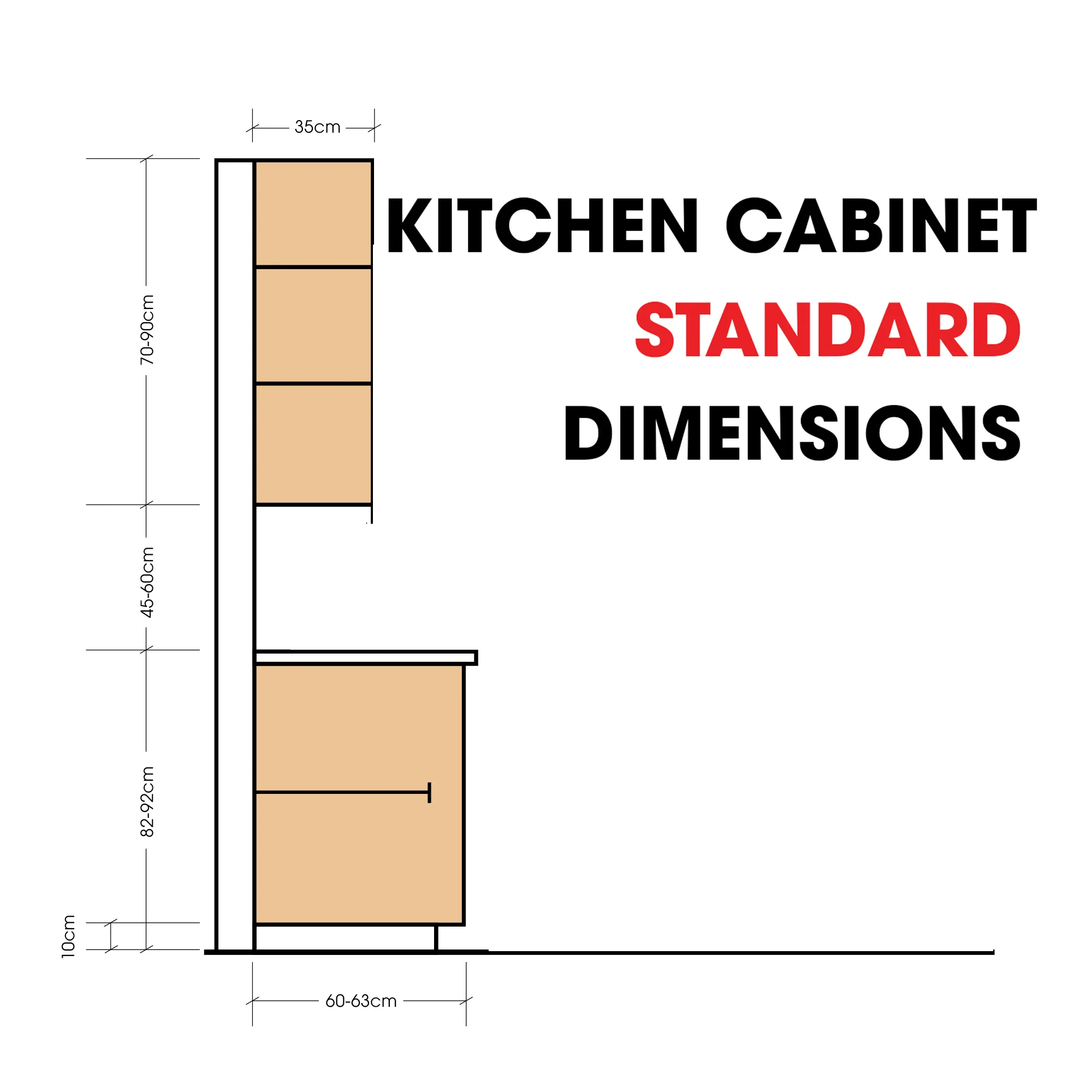
Image Source: guilincabinets.com
Delving into Base Cabinet Depths
Base cabinets are the workhorses of your kitchen. They sit on the floor and support your countertops, providing essential storage and workspace. Their depth is a critical factor in how you use your kitchen.
The 24-Inch Standard: Why It Works
The base cabinet depth of 24 inches is the industry standard for a reason. This dimension offers a harmonious balance between ample storage capacity and comfortable workflow.
- Storage Space: A 24-inch depth allows for spacious drawers and shelves, perfect for storing pots, pans, small appliances, and bulk food items. You can fit more into these cabinets than you might think!
- Countertop Support: This depth provides robust support for most standard countertop depths, which are typically 25 inches. This slight overhang on the countertop (usually 1 inch) is a key design element.
- Ergonomics and Workflow: The 24-inch depth ensures enough space behind your appliances, like your dishwasher or range, for plumbing and electrical connections. It also creates a comfortable working triangle between your sink, stove, and refrigerator.
- Appliance Fit: Standard refrigerators and dishwashers are designed to fit within or be flush with a 24-inch deep base cabinet, contributing to a cohesive kitchen layout.
Variations and Customizations
While 24 inches is standard, some situations call for different base cabinet depths.
- Narrower Base Cabinets: In smaller kitchens or tight spaces, you might encounter base cabinets that are 18 inches deep. These are great for providing storage without overpowering a compact area. However, they offer less storage and may not accommodate all standard appliances.
- Deeper Base Cabinets: For specialized storage needs, such as accommodating larger appliances or creating an extended workspace, deeper base cabinets can be custom-ordered. These might be 25 inches or even 30 inches deep, but they require careful planning to avoid impeding traffic flow.
- Specialty Cabinets: Corner base cabinets often have different depth measurements to accommodate the corner configuration and maximize usable space. Pull-out pantries or specialized appliance cabinets may also deviate from the standard.
Exploring Wall Cabinet Depths
Wall cabinets, also known as upper cabinets, are mounted on the wall above your base cabinets. Their depth impacts accessibility, storage, and the overall feel of your kitchen.
The 12-Inch Standard: Reaching and Storing
The wall cabinet depth of 12 inches is the most common choice for upper cabinets. This depth is carefully chosen to balance storage needs with accessibility and safety.
- Reachability: A 12-inch depth allows most individuals to reach the back of the cabinet without overstretching. This is crucial for everyday usability, ensuring you can easily access items without needing a step stool every time.
- Countertop Clearance: The standard 18-inch cabinet clearance between the countertop and the bottom of the wall cabinets is a vital kitchen design measurement. A 12-inch deep wall cabinet, when mounted with this clearance, leaves a comfortable 6-inch space between the front of the wall cabinet and the edge of the countertop. This space is essential for prep work and safe movement.
- Aesthetics: 12-inch deep wall cabinets generally maintain a balanced look in relation to base cabinets, preventing the kitchen from feeling too enclosed or cramped.
- Storage of Lighter Items: These cabinets are ideal for storing lighter, frequently used items like glasses, mugs, plates, spices, and smaller food containers.
When Deeper or Shallower Wall Cabinets Make Sense
While 12 inches is the norm, there are instances where different wall cabinet depths are considered.
- Deeper Wall Cabinets (15-18 inches): In some kitchens, particularly those with higher ceilings or a desire for increased storage, deeper wall cabinets might be used.
- Pros: Significantly more storage for larger items like serving platters, mixing bowls, or even small appliances.
- Cons: Can encroach on workspace, making it feel cramped. They may also be harder to reach into, especially for shorter individuals. Increased cabinet clearance might be necessary to maintain ergonomics, meaning the cabinets would be mounted higher. This can affect the visual balance of the kitchen.
- Shallower Wall Cabinets (8-10 inches): These are often used in specific design contexts or for particular storage needs.
- Pros: They feel less imposing, can enhance the sense of space, and are good for displaying decorative items or storing very shallow items like spice racks or small jars. They also offer excellent reachability.
- Cons: Limited storage capacity. They are not suitable for bulky items or large sets of dishes.
The Crucial Role of Countertop Depth
The depth of your countertop is intrinsically linked to the depth of your base cabinets and plays a significant role in the overall functionality of your kitchen.
Standard Countertop Dimensions
The countertop depth typically extends beyond the base cabinet to provide a comfortable overhang.
- Standard Depth: The most common countertop depth is 25 inches. This allows for a 1-inch overhang on a standard 24-inch deep base cabinet.
- The Overhang: This overhang, often referred to as the cabinet overhang, is essential for several reasons:
- Aesthetics: It provides a finished look and helps conceal the cabinet box.
- Functionality: It offers a slight buffer when leaning against the counter and can protect the cabinet from spills.
- Seating: If you plan for a breakfast bar or island seating, a deeper overhang (typically 12-15 inches) is required.
Variations in Countertop Depth
- Extended Countertops: Some kitchens opt for a deeper countertop, perhaps 26 or 27 inches, to maximize workspace or accommodate specific appliance sizes. This requires deeper base cabinets to match or a strategic placement to avoid creating an awkward protrusion.
- Standard Appliance Depth: Many standard appliances, like ranges, are 24 inches deep. Countertops that extend to 25 inches create a flush finish with these appliances.
Key Kitchen Design Measurements and Cabinet Clearance
When planning your kitchen, understanding kitchen design measurements is paramount. These numbers dictate how your kitchen flows and functions.
Cabinet Clearance: More Than Just Space
Cabinet clearance refers to the open space between different kitchen elements, most notably between the countertop and the underside of wall cabinets.
- The 18-Inch Rule: The standard cabinet clearance of 18 inches is a critical measurement for safe and efficient kitchen use.
- Workflow: It allows ample room to work at the counter without bumping your head.
- Appliance Use: It accommodates most countertop appliances like toasters, blenders, and mixers.
- Ventilation: It provides sufficient space for ventilation around the cooking area.
- Adjusting Clearance:
- Higher Ceilings: In kitchens with very high ceilings, you might mount wall cabinets higher, increasing the clearance. This can affect reachability.
- Lower Ceilings or Smaller Spaces: In some cases, a slightly reduced clearance (e.g., 16 inches) might be considered, but this can compromise workflow and appliance compatibility. Always consider the height of the tallest person who will regularly use the kitchen.
- Backsplash Height: The cabinet clearance dictates the height of your backsplash. If you have a 4-inch backsplash, your wall cabinets start 18 inches above the countertop, meaning your backsplash extends 14 inches up the wall.
Other Important Kitchen Design Measurements
- Walkways: Ensure adequate walkway space (at least 36 inches, preferably 42-48 inches between parallel counters or cabinets) for comfortable movement.
- Appliance Dimensions: Always check the exact dimensions of your chosen appliances, as they can vary. This includes height, width, and depth, as well as the required clearance for doors and ventilation.
- Door and Drawer Clearance: Allow sufficient space for cabinet doors and drawers to open fully without obstruction.
Fathoming Cabinet Overhang
The cabinet overhang is the portion of the countertop that extends beyond the front edge of the base cabinets. It’s a subtle detail that greatly influences both the look and practicality of your kitchen.
Standard Overhangs and Their Purpose
- Standard Countertop Overhang: As mentioned, a 1-inch overhang for a 24-inch deep base cabinet is the most common. This provides a clean, finished edge.
- Seating Overhangs: For islands or peninsulas designed for seating, the overhang needs to be significantly deeper to accommodate legs. Typically, 12 inches is the minimum for comfortable seating, but 15 inches is often preferred. This requires either deeper base cabinets or specialized support structures.
When to Adjust Overhangs
- Appliance Integration: If you have built-in appliances that are flush with the cabinet face, you might opt for a smaller or no overhang to maintain a seamless look.
- Appliance Clearance: Ensure the overhang doesn’t interfere with the operation of appliance doors, such as ovens or dishwashers.
- Traffic Flow: In high-traffic areas, a smaller overhang can prevent accidental bumps and injuries.
Typical Cabinet Depth Across Different Types
Let’s summarize the typical cabinet depth for the main types of kitchen cabinets.
Base Cabinets
| Cabinet Type | Standard Depth | Common Use | Notes |
|---|---|---|---|
| Base Cabinet | 24 inches | Floor cabinets, support countertops, primary storage | Accommodates standard appliances, drawers, and shelves. |
| Narrow Base | 18 inches | Smaller kitchens, tight spaces | Less storage, may not fit standard appliances. |
| Deep Base | 25-30 inches | Custom storage, larger appliances | Requires careful planning for workflow and space. |
| Corner Base | Varies | Maximizes corner storage | Often L-shaped or have specialized pull-out mechanisms. |
Wall Cabinets
| Cabinet Type | Standard Depth | Common Use | Notes |
|---|---|---|---|
| Wall Cabinet | 12 inches | Mounted above countertops, general storage | Ideal for glasses, plates, spices. Easy to reach. |
| Deeper Wall | 15-18 inches | Increased storage for larger items | Can make kitchen feel smaller, may require higher mounting. |
| Shallower Wall | 8-10 inches | Decorative display, shallow storage | Enhances sense of space, limited storage capacity. |
| Over-the-Fridge | Varies (often shallower) | Storage above refrigerators | Typically designed to fit the appliance profile, often 12-18 inches deep. |
Specialty Cabinets
There are numerous specialty cabinets designed for specific functions, and their depths can vary significantly.
- Pantry Cabinets: These can range from standard 24-inch depths to much deeper configurations for maximum food storage. Widths are also highly variable.
- Appliance Garages: These are designed to hide appliances like toasters or coffee makers and are typically no deeper than the appliance they house, often around 18-20 inches.
- Microwave Cabinets: These are designed to fit specific microwave models and their depths will vary accordingly, but they are often around 16-18 inches deep.
Making Informed Decisions About Cabinet Depth
When deciding on cabinet depths, consider these factors:
- Your Kitchen Size and Layout: A large kitchen can often accommodate deeper cabinets without issue, while a small kitchen may benefit from standard or even shallower depths to maintain open space.
- Your Storage Needs: If you have a lot of large pots, pans, or small appliances, deeper base cabinets might be advantageous. If you primarily store dishes and glasses, standard wall cabinets will suffice.
- Your Workflow and Ergonomics: Think about how you use your kitchen daily. Can you comfortably reach into the cabinets you’re considering? Does the depth create a comfortable workspace?
- Appliance Specifications: Always check the depth requirements of your appliances. Some need extra clearance behind them for ventilation or utility hookups.
- Aesthetics: The depth of your cabinets impacts the visual balance of your kitchen. Deeper wall cabinets, for instance, can make a space feel more enclosed.
- Budget: Custom depth cabinets will generally cost more than standard-sized cabinets.
Frequently Asked Questions
Q1: Can I mix cabinet depths in my kitchen?
Yes, you can absolutely mix cabinet depths, and it’s often done to enhance functionality and visual interest. For example, you might use standard 24-inch deep base cabinets but opt for shallower 10-inch deep wall cabinets in a specific area to create a more open feel or for displaying decorative items.
Q2: What is the standard depth for a kitchen island cabinet?
Kitchen island cabinets typically follow the same depth standards as base cabinets, with 24 inches being common. However, the countertop overhang for seating will dictate the overall depth. A standard 24-inch deep cabinet with a 12-15 inch seating overhang would result in a total island depth of 36-39 inches.
Q3: How deep are frameless cabinets compared to framed cabinets?
Frameless cabinets (also known as European-style cabinets) typically offer slightly more interior storage space because they lack the internal frame found in traditional framed cabinets. This means that a 24-inch deep frameless cabinet might have a usable interior depth of 22-23 inches, whereas a framed cabinet might have a usable interior depth closer to 20-21 inches. The external cabinet depth itself remains similar.
Q4: What is the standard depth of a pantry cabinet?
Pantry cabinets come in various depths, but a common depth is 24 inches to match base cabinets, offering ample storage for canned goods and dry staples. However, some pantry cabinets can be shallower (18 inches) or deeper, depending on the available space and storage needs.
Q5: How do I measure cabinet depth?
Cabinet depth is measured from the front of the cabinet box (not including the door or drawer front) to the back of the cabinet box. For base cabinets, this measurement typically includes the toe kick. For wall cabinets, it’s the depth of the box itself.
Q6: What is the standard cabinet clearance for a microwave?
If you are installing a microwave in a wall cabinet, the cabinet clearance is determined by the microwave’s dimensions. Most over-the-range microwaves are designed to fit within a standard 18-inch to 20-inch vertical clearance. Built-in countertop microwaves often have specific height and width requirements specified by the manufacturer.
Q7: Is there a standard depth for appliance cabinets?
Yes, appliance cabinets are designed to house specific appliances, so their dimensions, including depth, are dictated by the appliance manufacturer’s specifications. For example, a cabinet designed for a standard 24-inch wide dishwasher will have internal dimensions that accommodate that.
Q8: How much cabinet overhang is too much?
An overhang that is too large can become structurally unsound without proper support and can also pose a tripping hazard. For countertops, exceeding a 1.5-inch standard overhang without additional support (like brackets or a thicker countertop material) can be problematic. For seating on islands, a 15-inch overhang is generally considered the maximum comfortable and practical depth.
By carefully considering these standard dimensions and the factors that influence them, you can design a kitchen that is both beautiful and incredibly functional, ensuring every cabinet fits perfectly into your culinary space.