
Image Source: i.ytimg.com
How To Get Rid Of Gnats In Your Kitchen Fast
What are gnats and how can I get rid of them quickly? Gnats are tiny, annoying flying insects that often invade kitchens, drawn by ripened fruit, moist areas, and decaying organic matter. Getting rid of them fast involves a multi-pronged approach targeting both the adult gnats and their breeding sources.
The Tiny Terror: Identifying Your Kitchen Invaders
Gnats are a general term for several small flying insects, but in kitchens, the most common culprits are fruit flies and fungus gnats.
Fruit Flies: The Sweet Seduction
Fruit flies (Drosophila melanogaster) are small, tan or brown flies with prominent red eyes. They are attracted to ripe or fermenting fruits and vegetables, sugary spills, and anything sweet. Their lifecycle is incredibly fast; they can go from egg to adult in about a week, meaning a small infestation can quickly become a major problem.
Fungus Gnats: The Damp Deceivers
Fungus gnats are dark, slender flies that resemble small mosquitoes. They are typically found near houseplants, damp soil, or drains. They are attracted to moisture and decaying organic matter. While not as drawn to fruit as fruit flies, they can still become a nuisance in the kitchen, especially if you have plants or if drain issues exist.
Swift Strategies: Eliminating Gnats Immediately
When you need to eliminate gnats in your kitchen, acting quickly is key. The goal is to disrupt their breeding cycle and remove the attractants.
Immediate Action: Trapping the Tiny Terrors
Several effective gnat traps and fruit fly traps can be deployed right away.
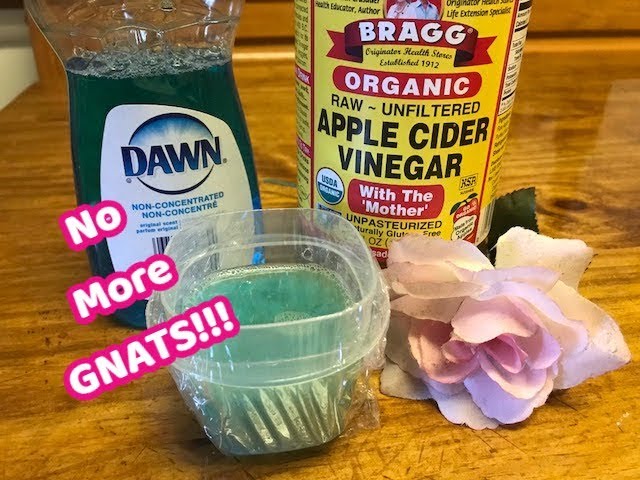
The Classic Vinegar Gnat Trap
This is a DIY favorite for a reason.
-
Materials:
- Small bowl or jar
- Apple cider vinegar
- Dish soap
- Plastic wrap or paper cone
-
How to Make It:
- Pour about an inch of apple cider vinegar into the bowl.
- Add a drop or two of dish soap. This breaks the surface tension, causing gnats to sink and drown.
- Cover the bowl tightly with plastic wrap and poke a few small holes in it, or create a paper cone with a small opening and place it into the bowl’s mouth, ensuring there are no large gaps.
-
Why it Works: The sweet, fermenting smell of apple cider vinegar attracts gnats. They fly into the trap, and once inside, they can’t escape. The dish soap ensures they drown.
Sticky Traps
Commercially available sticky traps are also effective. These are usually yellow, a color that attracts gnats, and are coated with a strong adhesive. Simply place them near areas where you see the most gnat activity.
Yeast Traps
Similar to vinegar traps, a bit of active yeast can also attract gnats.
- How to Make It:
- Mix a tablespoon of sugar with about half a cup of warm water in a bowl.
- Sprinkle a small amount of active dry yeast over the top.
- Cover as you would a vinegar trap.
Deep Dive: Targeting Breeding Grounds
To truly get rid of gnats, you need to find and eliminate where they are coming from.
Kitchen Drain Cleaning: The Hidden Haven
Drain gnats are a common problem, especially in kitchens. Drains, garbage disposals, and the surrounding pipes can accumulate food particles and slime, creating an ideal breeding ground.
Recognizing the Signs of Drain Gnats
- Small, dark flies emerging from or hovering around sinks.
- Persistent gnat presence even after cleaning visible food sources.
- A musty or rotten smell from drains.
The Gutter’s Grime: Kitchen Drain Cleaning Techniques
Effective kitchen drain cleaning is crucial to eradicate drain gnats.
- Boiling Water Flush: Pouring boiling water down the drain can kill eggs and larvae. Do this regularly.
- Vinegar and Baking Soda: Pour half a cup of baking soda down the drain, followed by half a cup of white vinegar. Let it foam for 15-30 minutes, then flush with hot water. This helps break down organic buildup.
- Bleach (Use with Caution): A diluted bleach solution can kill gnats and larvae. However, be cautious when mixing chemicals, and ensure good ventilation. Never mix bleach with ammonia or vinegar.
- Professional Drain Cleaners: For stubborn clogs or persistent infestations, enzyme-based drain cleaners can be very effective. They break down organic matter without harsh chemicals. Avoid chemical drain cleaners if possible, as they can be harmful to your pipes and the environment.
- Garbage Disposal Deep Clean: Run your garbage disposal with ice cubes and citrus peels to help scour the blades and pipes. Afterward, follow with a baking soda and vinegar flush.
Produce Patrol: Rotting Reminders
Overripe fruits and vegetables are prime attractants.
- Inspect Produce: Regularly check your fruit bowl and pantry for any overly ripe, bruised, or decaying items.
- Store Wisely: Store fruits and vegetables in the refrigerator, especially those that are particularly attractive to gnats, like bananas, tomatoes, and melons.
- Compost Carefully: If you compost, ensure your compost bin is sealed tightly and kept outdoors, away from the kitchen.
Sink and Countertop Sanity: Wipe Away the Welcome Mat
Sticky spills, crumbs, and moisture can all invite gnats.
- Clean Spills Immediately: Don’t let sugary drinks, fruit juices, or wine sit on counters or floors.
- Wipe Down Surfaces: Regularly clean countertops, tables, and stovetops with a mild cleaning solution.
- Empty Trash Regularly: Don’t let food scraps accumulate in your kitchen trash can. Use a bin with a tight-fitting lid and empty it daily, especially if it contains food waste.
Natural Solutions: Gentle Yet Effective Repellents
For those who prefer a more natural approach, several natural gnat repellent options exist.
Essential Oils for Gnats: Aromatic Annoyance
Certain essential oils for gnats can deter them due to their strong scents.
- Peppermint Oil: Mix a few drops with water in a spray bottle. Spray around windows, doors, and in areas where gnats are seen.
- Lemongrass Oil: Similar to peppermint, lemongrass is a potent repellent.
- Eucalyptus Oil: The strong scent of eucalyptus can also keep gnats away.
- Tea Tree Oil: Known for its antimicrobial properties, it can also deter insects.
Application: Always dilute essential oils with water or a carrier oil before applying. Test a small area first to ensure it doesn’t stain surfaces.
DIY Gnat Killer: Homemade Power
Beyond traps, you can create other DIY gnat killer solutions.
The Gentle Spray
-
Ingredients:
- 1 cup water
- 1/4 cup white vinegar
- A few drops of liquid dish soap
-
How to Use: Mix in a spray bottle and directly spray any gnats you see. The soap will help them fall and suffocate.
Herbal Deterrents
- Basil Plants: Keeping a fresh basil plant in your kitchen can act as a natural deterrent. Gnats dislike the scent of basil.
- Cloves: Studding an orange or lemon with whole cloves can create a natural repellent.
When to Call in the Cavalry: Persistent Problems
If you’ve tried all these methods and are still struggling to eliminate gnats, it might be time to consider more drastic measures.
Targeted Gnat Spray
While natural methods are preferred, a targeted gnat spray designed for flying insects can be used as a last resort. Always choose products specifically labeled for gnats and follow the instructions carefully. Ensure good ventilation when using any aerosol spray.
Professional Pest Control
In severe cases, or if you suspect a more widespread infestation beyond your immediate control, a professional pest control service can identify the source and implement a more comprehensive treatment plan.
Prevention is Key: Keeping Gnats Out for Good
Once you’ve conquered your gnat infestation, focus on prevention to keep them from returning.
Maintain a Clean Kitchen
- Wipe Down Surfaces Daily: This includes countertops, sinks, and stovetops.
- Rinse Dishes Promptly: Don’t leave dirty dishes in the sink, especially overnight.
- Empty Trash Regularly: Use a bin with a lid and take it out daily.
- Clean Your Dishwasher: Run an empty cycle with vinegar to keep it clean and odor-free.
Produce Protection
- Store Produce Properly: Refrigerate fruits and vegetables that are prone to attracting gnats.
- Cover Food: Use food covers or plastic wrap to protect food left out.
Drain Defense
- Regular Drain Cleaning: Make kitchen drain cleaning a routine, especially after disposing of food scraps.
- Check for Leaks: Repair any leaky pipes or faucets, as standing water can attract gnats.
Frequently Asked Questions About Kitchen Gnats
Q1: What attracts gnats to my kitchen?
A1: Gnats are attracted to ripening fruits and vegetables, sugary spills, moisture, decaying organic matter in drains and trash cans, and even damp soil in houseplants.
Q2: Are gnats dangerous?
A2: Kitchen gnats are primarily a nuisance. They don’t typically bite or spread diseases, but their presence can be unsanitary and irritating.
Q3: How can I quickly get rid of a few gnats I see flying around?
A3: You can use a DIY vinegar gnat trap, a sticky trap, or a targeted gnat spray for immediate relief. You can also swat them or use a vacuum cleaner with a hose attachment.
Q4: Why do I still have gnats even after cleaning?
A4: This often means you haven’t found the primary breeding source. It could be in your drains, behind appliances, or in a forgotten piece of produce. Persistent kitchen drain cleaning is often the answer.
Q5: Can I use essential oils for gnats on my countertops?
A5: Yes, but always dilute them with water in a spray bottle and test a small, inconspicuous area first to ensure they don’t stain surfaces.
By implementing these detailed strategies, you can effectively get rid of gnats in your kitchen fast and maintain a pest-free environment. Remember that consistency in cleaning and prevention is the best defense against these tiny invaders.