
Can I install a kitchen sink myself? Yes, with the right tools and instructions, you can successfully set a kitchen sink yourself. This guide will walk you through the entire process of kitchen sink installation, from preparation to the final touches.
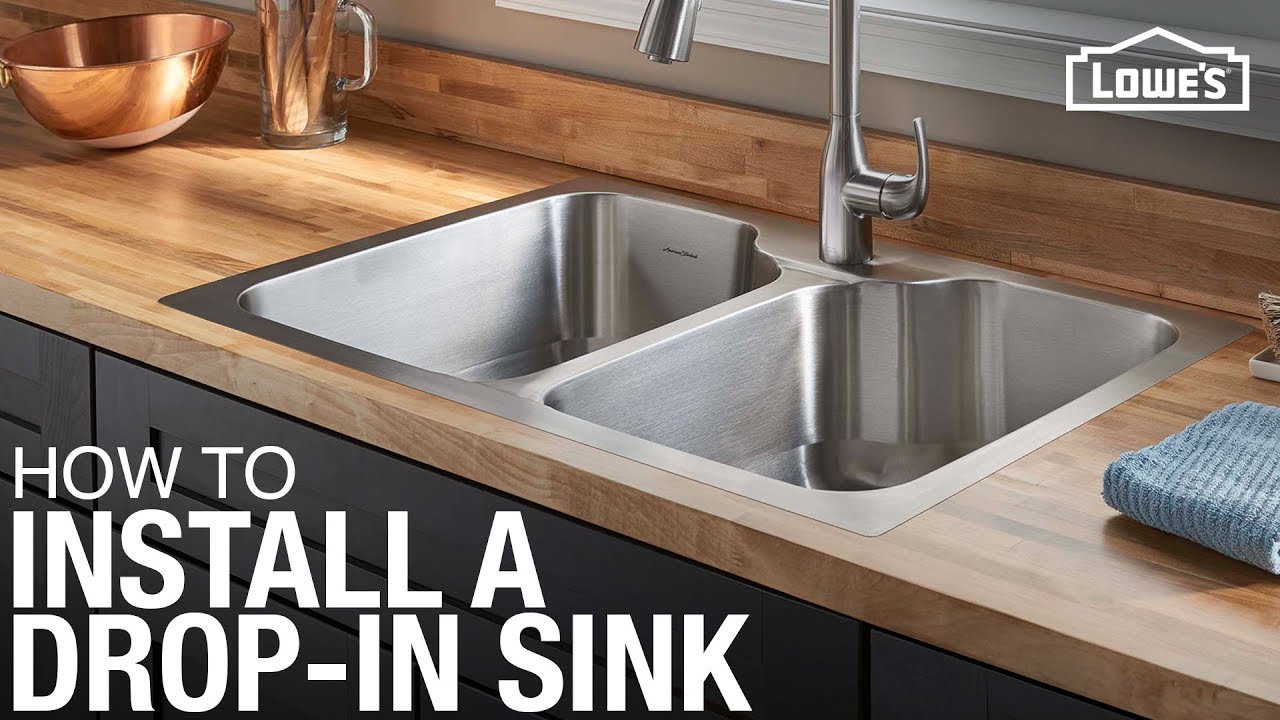
Image Source: i.ytimg.com
Getting Started with Your Kitchen Sink Installation
Setting a kitchen sink might seem daunting, but breaking it down into manageable steps makes it achievable for most DIY enthusiasts. Whether you’re replacing an old sink or upgrading to a new style, this comprehensive guide covers everything you need to know for a successful kitchen sink installation. We’ll cover both drop-in sink fitting and undermount sink mounting, discuss essential kitchen sink plumbing, and ensure a watertight seal.
What You’ll Need: Tools and Materials
Before you begin, gather all the necessary tools and materials. Having everything ready will save you time and frustration during the installation.
- Your New Sink: Ensure it’s the correct size and type for your countertop.
- Sink Faucet and Strainer Assembly: These are crucial for your kitchen sink plumbing.
- Plumber’s Putty or Silicone Sealant: Essential for sealing kitchen sink components. High-quality kitchen sink sealant is recommended.
- Adjustable Wrenches: For tightening and loosening plumbing connections.
- Pipe Wrench: For gripping pipes.
- Screwdriver Set: Both Phillips and flathead.
- Caulking Gun: For applying sealant.
- Safety Glasses: To protect your eyes.
- Gloves: To keep your hands clean and protected.
- Bucket: To catch water from old plumbing.
- Towels or Rags: For cleaning up spills.
- Measuring Tape: For accurate placement.
- Pencil: For marking.
- Jigsaw or Reciprocating Saw: For cutting countertop openings (if needed).
- Sandpaper: To smooth cut edges.
- Mounting Brackets (if applicable): These come with most sinks or are specific to undermount installations.
Safety First!
Always prioritize safety. Wear safety glasses and gloves throughout the process. If you’re working with electrical appliances or plumbing under pressure, turn off the water supply and the electricity to the relevant areas before you start.
Preparing the Workspace
Proper preparation is key to a smooth kitchen sink installation. This involves clearing the area and removing the old sink if you’re doing a replacement.
Removing an Old Sink
- Turn off the Water Supply: Locate the hot and cold water shut-off valves under the sink and turn them clockwise until they are tightly closed. Turn on the faucet to drain any remaining water in the lines.
- Disconnect Plumbing: Place a bucket underneath the P-trap (the U-shaped pipe) and loosen the slip nuts connecting it to the drainpipe and the sink tailpiece. Expect some residual water to drain.
- Disconnect Water Lines: Use an adjustable wrench to disconnect the hot and cold water supply lines from the faucet.
- Remove the Old Faucet: Follow the manufacturer’s instructions to detach the faucet from the sink.
- Release the Sink:
- Drop-in Sinks: Look for mounting clips underneath the countertop edge. Loosen or remove these clips with a screwdriver or wrench.
- Undermount Sinks: These are typically held in place with adhesive and mounting brackets. You might need to pry them loose or unscrew brackets.
- Break the Seal: If the sink is sealed with caulk, run a utility knife around the edge to break the seal.
- Lift Out the Sink: Carefully lift the old sink out of the countertop opening. If it’s heavy, get help.
- Clean the Countertop: Scrape away any old putty or sealant from the countertop opening. Clean the area thoroughly.
Preparing the Countertop (If Installing a New Opening)
If you’re cutting a new opening for your sink, measure and mark the countertop carefully.
- Trace the Sink Template: Most sinks come with a paper template. Place it on the countertop in the desired location and trace around it with a pencil. Ensure proper clearance from edges and other fixtures.
- Drill a Pilot Hole: Drill a hole inside the traced line, large enough to insert your jigsaw blade.
- Cut the Opening: Using a jigsaw or reciprocating saw, carefully cut along the traced line. Go slowly and steadily.
- Smooth the Edges: Lightly sand the cut edges of the countertop to remove any rough spots.
Setting the New Sink: Drop-in vs. Undermount
The method for setting your sink depends on whether you have a drop-in (top-mount) or an undermount sink.
Drop-in Sink Fitting
Drop-in sinks are generally easier to install. They sit on top of the countertop, with their rim resting on the surface.
Installation Steps:
- Apply Sealant: Apply a continuous bead of plumber’s putty or silicone sealant around the underside of the sink’s rim. This is crucial for sealing kitchen sink components and preventing water damage.
- Position the Sink: Carefully lower the sink into the countertop opening, ensuring it’s centered and the rim is evenly resting on the countertop.
- Install Mounting Clips: From underneath the sink, attach the mounting clips that came with your sink. Tighten them against the underside of the countertop to secure the sink. These act as mounting brackets sink.
- Install the Faucet and Strainer: Before fully seating the sink, it’s often easier to install the kitchen faucet installation and the sink drain installation. Apply plumber’s putty or gasket to the base of the faucet and the sink strainer. Secure them according to their instructions.
- Connect the Drain Assembly: Connect the sink drain installation to the sink basin.
- Wipe Away Excess Sealant: Once the sink is in place and secured, wipe away any excess sealant that has squeezed out around the rim with a damp cloth or paper towel.
Undermount Sink Mounting
Undermount sinks offer a sleek, modern look as they are installed beneath the countertop. This type of installation requires a solid countertop material like granite, quartz, or solid surface.
Installation Steps:
- Prepare the Countertop Opening: Ensure the opening is clean and smooth.
- Install the Faucet and Strainer: It’s much easier to install the kitchen faucet installation and the sink drain installation onto the sink basin before you mount the sink to the countertop. Apply plumber’s putty or gasket to the bases and secure them.
- Apply Sealant: Apply a generous bead of silicone sealant around the underside of the sink’s rim.
- Position the Sink: Carefully lift the sink into the countertop opening from underneath. Press it firmly against the countertop to spread the sealant.
- Secure with Mounting Brackets: This is a critical step for undermount sink mounting. Use the provided mounting brackets or a specialized undermount sink mounting system. Position the brackets against the underside of the countertop and the side of the sink basin, then secure them with screws. The goal is to hold the sink firmly in place while the sealant cures. Ensure you use appropriate mounting brackets sink for your sink and countertop type.
- Check Alignment: Ensure the sink is perfectly aligned and flush with the countertop edge before the sealant begins to cure.
- Wipe Away Excess Sealant: Clean up any excess sealant that has squeezed out around the sink’s edge on the countertop.
Connecting the Kitchen Sink Plumbing
Once the sink is set, it’s time to connect the kitchen sink plumbing. This involves connecting the faucet supply lines and the drain assembly.
Connecting the Faucet Supply Lines
- Identify Lines: You should have two supply lines coming from your faucet – one for hot and one for cold.
- Connect to Shut-off Valves: Use adjustable wrenches to connect the other end of each supply line to the corresponding hot and cold water shut-off valves. Tighten them snugly but avoid overtightening, which can damage the fittings.
- Check for Leaks: Once the water is turned back on, check these connections carefully for any drips.
Installing the Sink Drain and P-Trap
The sink drain installation is crucial for preventing clogs and odors.
- Install the Sink Strainer:
- Apply a generous amount of plumber’s putty or silicone sealant to the underside of the strainer flange.
- Insert the flange into the drain opening from the top of the sink.
- From underneath, place the rubber gasket, friction washer, and then the locknut onto the threaded tailpiece of the strainer.
- Tighten the locknut securely with pliers or a pipe wrench.
- Wipe away any excess putty or sealant from the top of the sink.
- Assemble the P-Trap: The P-trap is the curved piece of pipe designed to hold water, preventing sewer gases from entering your kitchen.
- Attach the tailpiece (the straight pipe extending from the sink drain) to the top of the P-trap.
- Connect the P-trap to the wall drainpipe.
- Ensure all slip nuts are snug, but don’t overtighten plastic fittings.
- Connect the Dishwasher Drain Hose (if applicable): If you have a dishwasher, connect its drain hose to the designated inlet on the sink’s tailpiece or P-trap assembly. Often, this involves a special fitting. Ensure it’s clamped securely.
- Connect the Garbage Disposal (if applicable): If you have a garbage disposal, its inlet pipe will connect to the sink drain opening instead of a standard strainer. Follow the disposal manufacturer’s instructions for mounting and connecting the drainpipe.
Finalizing the Installation: Sealing and Testing
The final steps involve ensuring a watertight seal and testing your new setup.
Sealing Kitchen Sink Edges
For drop-in sinks, the sealant applied earlier creates the primary seal. For undermount sinks, the silicone sealant between the sink rim and the countertop is the seal.
- Reinforce the Seal: If you feel the need for an extra layer of protection or a cleaner finish, you can apply a thin bead of kitchen sink sealant (silicone caulk) around the outer edge of the sink where it meets the countertop for drop-in sinks, or along the interior edge for undermount sinks.
- Smooth the Sealant: Use a damp finger or a caulk smoothing tool to create a clean, uniform bead. Wipe away any excess immediately.
Testing for Leaks
This is a crucial step to ensure your kitchen sink installation is leak-free.
- Turn Water Back On: Slowly turn the hot and cold water shut-off valves back on.
- Run Water: Let the water run for a few minutes. Fill the sink partially and then let it drain.
- Check All Connections: Carefully inspect all connections:
- Faucet supply lines at the shut-off valves and the faucet.
- The sink drain strainer and its locknut.
- All connections of the P-trap and tailpiece.
- The dishwasher drain connection (if applicable).
- Look for Drips: Feel around each joint for any moisture. If you find a leak, turn off the water, dry the area, and tighten the connection slightly. If it persists, you may need to disassemble, reapply sealant or putty, and reassemble.
Frequently Asked Questions (FAQ)
Q1: How much does it cost to install a kitchen sink?
A1: Professional installation can range from $200 to $500 or more, depending on your location, the complexity of the job, and the type of sink. Doing it yourself can save significant labor costs.
Q2: What is the best sealant for a kitchen sink?
A2: For most applications, a high-quality 100% silicone caulk is recommended for sealing the edge of the sink to the countertop. Plumber’s putty is excellent for sealing around the sink drain flange and faucet bases. Ensure you use a product that is specifically designed for kitchen and bath use.
Q3: Can I use plumber’s putty on granite countertops?
A3: It’s generally advised not to use plumber’s putty on porous natural stone like granite or marble, as the oils in the putty can stain the stone over time. Use silicone sealant for these materials. For solid surface or laminate countertops, plumber’s putty is typically fine. Always check the sealant manufacturer’s recommendations.
Q4: How tight should I make the plumbing connections?
A4: Tighten connections until they are snug and you feel resistance. For plastic fittings, be especially careful not to overtighten, as they can crack. For metal fittings, a quarter-turn past snug is often sufficient. If you’re unsure, it’s better to err on the side of slightly loose and check for leaks, rather than overtightening and causing damage.
Q5: My new sink has different drain connections than my old one. What should I do?
A5: Drain assemblies are fairly standard, but adapters might be needed if there are significant differences in pipe sizes or types. Visit your local hardware store with your old and new drain parts to find the correct adapters, or consult with a plumbing professional if you’re uncertain.
By following these detailed steps, you can confidently tackle your DIY kitchen sink installation. Remember to take your time, double-check your work, and prioritize safety for a successful outcome.