
Can I replace my kitchen sink myself? Yes, with the right tools and a bit of patience, you can absolutely replace your kitchen sink. This guide will walk you through the process of a diy kitchen sink replacement, covering everything from kitchen sink removal to kitchen sink installation. Whether you’re dealing with a simple drop-in sink replacement or a more complex undermount sink installation, this detailed, step-by-step guide will help you tackle the job with confidence.
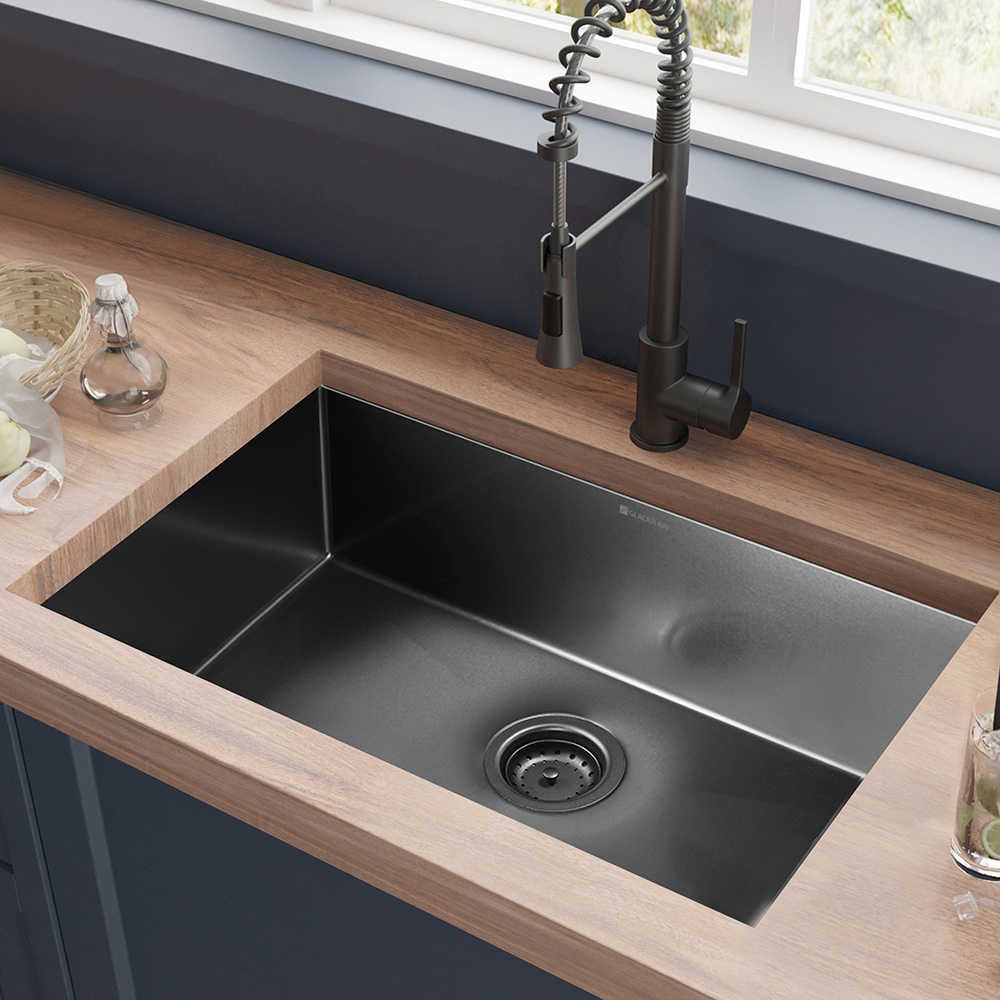
Image Source: contentgrid.homedepot-static.com
Preparing for Your Kitchen Sink Replacement
Before you start wrenching, it’s crucial to get prepared. This phase is about gathering your materials, tools, and ensuring you have a clear plan. A little preparation goes a long way in making the actual replacement smoother.
What You’ll Need: Tools and Materials
Having the right plumbing tools for sink work is essential. Here’s a comprehensive list:
- New Kitchen Sink: Make sure it’s the correct size and type (drop-in, undermount) for your countertop.
- New Faucet and Strainer Assembly (Optional but Recommended): It’s a good time to upgrade if your current ones are old or worn.
- Plumber’s Putty or Silicone Caulk: For sealing the sink to the countertop.
- Adjustable Wrenches (Pipe Wrench and Basin Wrench): A basin wrench is particularly useful for tight spots under the sink.
- Screwdrivers: Various sizes, both Phillips and flathead.
- Pliers (Slip-joint or Channel Lock): For gripping pipes and fittings.
- Bucket or Towels: To catch residual water.
- Safety Glasses: To protect your eyes from debris.
- Work Gloves: For better grip and protection.
- Utility Knife or Putty Knife: For cutting through old caulk.
- Pliers or Wrench for Drain Assembly: To disconnect the old drain.
- Hacksaw or Reciprocating Saw (if needed): For cutting through old pipes or stubborn fittings.
- Drop Cloth or Old Sheets: To protect your cabinet floor.
- Cleaning Supplies: For cleaning the countertop area.
- Teflon Tape (Pipe Thread Tape): For sealing pipe threads.
- New Drain Assembly and P-Trap Kit (if your old ones are worn): It’s wise to replace these during a sink replacement.
Choosing the Right Sink
There are two main types of kitchen sinks to consider:
- Drop-In Sinks (Top-Mount): These are the most common and easiest to install. They have a rim that rests on top of the countertop. The lip covers the cutout edge, making installation straightforward.
- Undermount Sinks: These are installed beneath the countertop, offering a seamless look. They are trickier to install and usually require a solid countertop material like granite or quartz that can support the sink’s weight.
Measuring and Planning
Before you even think about removing your old sink, measure everything!
- Sink Dimensions: Measure the length, width, and depth of your current sink.
- Countertop Cutout: Measure the size of the hole in your countertop. Ensure your new sink will fit this opening. For undermount sinks, the cutout is crucial for a snug fit with the mounting clips.
- Plumbing Location: Note the position of your hot and cold water supply lines and the drainpipe. Make sure your new sink and faucet are compatible with your existing plumbing.
- Cabinet Space: Ensure there’s enough clearance in your cabinet for the new sink and any new plumbing components like a garbage disposal or a more robust P-trap.
Kitchen Sink Removal: Step-by-Step
This is where the real work begins. Taking out the old sink requires careful disconnection of plumbing and loosening of the mounting hardware.
Step 1: Turn Off the Water Supply
This is the most important safety step.
* Locate the hot and cold water shut-off valves, usually found under the sink.
* Turn both valves clockwise until they are fully closed.
* Turn on the faucet to drain any remaining water in the lines and to test that the water is indeed off.
Step 2: Disconnect the Plumbing
This involves detaching the water supply lines and the drain assembly.
- Water Supply Lines:
- Place a bucket or towels under the supply line connections to catch any drips.
- Use an adjustable wrench to loosen the nuts connecting the supply lines to the faucet.
- Disconnect the lines from the faucet.
- Drain Assembly:
- Again, place a bucket or towels under the P-trap. The P-trap is the U-shaped pipe that prevents sewer gases from entering your home.
- Loosen the slip nuts that connect the P-trap to the sink’s drain tailpiece and to the wall drainpipe. You might need pliers or a pipe wrench for this.
- Once loosened, carefully detach the P-trap. Expect some water to spill out.
- If you have a garbage disposal, disconnect its electrical power source first, then disconnect it from the sink flange and the drainpipe.
Step 3: Detach the Sink from the Countertop
How the sink is attached depends on its type and how it was installed.
- For Drop-In Sinks:
- Look for mounting clips under the rim of the sink, secured to the underside of the countertop.
- Use a screwdriver or wrench to loosen and remove these clips.
- The sink might also be sealed to the countertop with caulk or plumber’s putty. Use a utility knife or putty knife to carefully cut through the caulk around the edge of the sink. Work slowly to avoid damaging the countertop.
- For Undermount Sinks:
- These are usually held in place with clips that are screwed into the underside of the countertop. You’ll need a basin wrench to reach these.
- Once the clips are loosened and removed, the sink will be held solely by the adhesive and caulk.
- Carefully cut through the caulk and adhesive with a sharp utility knife. You might need to gently pry the sink away from the countertop, being careful not to chip the edges of the countertop.
Step 4: Lift Out the Old Sink
- Once all connections and mounting hardware are removed, you should be able to lift the old sink out of the countertop opening.
- It might be heavy, so be prepared to lift. If it’s a large sink, you might need assistance.
Step 5: Clean the Countertop Opening
- After the old sink is out, clean the countertop around the opening thoroughly.
- Remove any old putty, caulk, or adhesive residue. This ensures a good seal for the new sink.
Kitchen Sink Installation: Step-by-Step
Now comes the exciting part: putting in the new sink! This phase involves assembling the new faucet and drain, mounting the sink, and reconnecting the plumbing. This is where your kitchen sink installation skills will shine.
Step 1: Prepare the New Sink and Faucet
This is best done before placing the sink into its opening.
- Install the Faucet:
- Follow the manufacturer’s instructions for your new faucet.
- Typically, you’ll feed the faucet’s supply lines through the holes in the sink.
- Secure the faucet from underneath with the provided mounting hardware.
- Install the sink strainer assembly into the drain opening. Apply plumber’s putty or silicone caulk to the underside of the strainer flange before inserting it. Then, secure it from underneath with the provided rubber gasket, washer, and locknut. Tighten it firmly but don’t overtighten.
- Install the Drain Assembly and P-Trap:
- Connect the tailpiece to the sink strainer assembly.
- Assemble the P-trap kit according to the instructions, ensuring all slip nuts and washers are properly in place.
Step 2: Mount the New Sink
This is where the mounting kitchen sink process happens.
- For Drop-In Sinks:
- Apply a bead of silicone caulk or plumber’s putty around the underside of the sink’s rim where it will meet the countertop.
- Carefully lower the sink into the countertop opening, ensuring it is centered.
- Press down firmly to seat the caulk.
- From underneath, re-install the mounting clips and tighten them to pull the sink securely against the countertop. Wipe away any excess caulk that squeezed out around the rim.
- For Undermount Sinks:
- This is more intricate. Apply a generous bead of silicone caulk or a special undermount adhesive around the edge of the countertop opening.
- Carefully position the sink into the opening from below.
- The sink will likely be secured using mounting clips that attach to the underside of the countertop and to the sink itself. These are often tightened from below with a basin wrench.
- Ensure the sink is level and securely fastened before the adhesive cures. It’s crucial for the undermount sink installation to be precise for a good seal.
Step 3: Connect the Plumbing for the New Sink
This involves reattaching the water supply and drain lines. This is the core of plumbing for sink connections.
- Connect Water Supply Lines:
- Ensure the shut-off valves are still closed.
- Connect the new faucet’s flexible supply lines to the hot and cold water shut-off valves.
- Tighten the nuts using an adjustable wrench. Avoid overtightening, which can damage the fittings. Use Teflon tape on threaded connections if recommended by the manufacturer.
- Connect the Drain Assembly:
- Align the P-trap assembly with the sink’s tailpiece and the wall drainpipe.
- Secure all slip nuts hand-tight first, then give them a quarter-turn with pliers or a wrench. Ensure the washers are seated correctly.
Step 4: Test for Leaks
This is a critical step to ensure your kitchen sink installation is successful.
- Turn the water supply valves back on slowly.
- Check all connections for any drips or leaks.
- Run water into the sink, checking both hot and cold lines.
- Fill the sink partially and then let it drain, carefully inspecting the drain assembly, tailpiece, and P-trap for leaks.
- If you find any leaks, tighten the fittings slightly. If the leak persists, you may need to disassemble the connection, check the washers, and reapply Teflon tape or plumber’s putty as needed.
Step 5: Seal the Kitchen Sink
The final step in securing your new fixture.
- For Drop-In Sinks: If you used plumber’s putty, you might not need further sealing. If you used caulk, ensure it creates a clean, watertight seal between the sink rim and the countertop.
- For Undermount Sinks: The adhesive or caulk applied during mounting should have created the seal. You can apply a small bead of silicone caulk around the edge where the sink meets the countertop for an extra layer of protection and a cleaner look. Smooth the caulk with your finger or a caulk-smoothing tool.
Specific Considerations for Different Sink Types
While the general steps are similar, there are nuances for each type of sink.
Drop-In Sink Replacement
This is generally the easiest type for a DIYer. The key steps involve ensuring the old clips are removed, the new sink is properly seated on a good seal, and the clips are tightened evenly. The rim of the drop-in sink covers the edge of the cutout, making it forgiving of minor imperfections in the hole.
Undermount Sink Installation
This is more advanced. It requires a solid countertop material that can bear the weight of the sink. The adhesive and mounting clips are critical for a secure installation. Precision is key to ensuring the sink is flush and properly supported. You’ll also need to be comfortable working in tight spaces underneath the cabinet.
Troubleshooting Common Issues
Even with careful planning, you might encounter some hiccups.
- Stubborn Connections: Old plumbing can be corroded. A bit of penetrating oil might help loosen stuck nuts. If all else fails, a hacksaw can cut through old pipes, but be prepared to replace that section.
- Leaking Faucet Connections: Ensure you’re using the correct type of sealant (Teflon tape for threaded metal fittings, plumber’s putty or silicone for gasketed connections). Don’t overtighten plastic fittings.
- Drain Leaks: Most drain leaks are due to loose fittings or improperly seated washers. Double-check that all slip nuts are snug and that the plastic or rubber washers are in the correct orientation.
- Sink Not Sitting Flush: For drop-in sinks, this might be due to uneven tightening of the clips or debris on the countertop. For undermount sinks, the adhesive might not have been applied evenly, or the mounting clips aren’t providing enough pressure.
Frequently Asked Questions (FAQ)
Q1: How long does it take to replace a kitchen sink?
A: For a DIYer, a simple drop-in sink replacement can take anywhere from 2 to 4 hours. An undermount sink installation might take longer, possibly 4 to 6 hours, especially if you’re unfamiliar with the process. This doesn’t include time for removing the old sink if it’s particularly difficult.
Q2: Do I need to shut off the main water supply?
A: No, you typically only need to shut off the hot and cold water supply valves located under the sink. These are specific to the sink and won’t affect the rest of your home’s water supply.
Q3: What is plumber’s putty used for?
A: Plumber’s putty is a pliable, clay-like substance used to create a watertight seal between plumbing fixtures and non-porous surfaces like stainless steel or porcelain sinks. It’s commonly used around sink strainers and faucet bases. Note that it can stain porous surfaces like marble or granite, so silicone caulk is often preferred for those materials.
Q4: Can I use silicone caulk instead of plumber’s putty?
A: Yes, silicone caulk is a good alternative, especially for undermount sink installation or when sealing around the rim of a drop-in sink on porous countertops. It provides a flexible, waterproof seal that won’t crack or shrink over time. Just ensure you apply it neatly and wipe away excess before it cures.
Q5: What’s the difference between a P-trap and a tailpiece?
A: The tailpiece is the straight pipe that extends down from the sink strainer. The P-trap is the U-shaped section that connects to the tailpiece and then to the wall drainpipe. The P-trap holds a small amount of water, which creates a seal to prevent sewer gases from entering your home.
Q6: My new sink has a different number of holes than my old one. What do I do?
A: If your new sink has fewer holes, you might need to use a faucet with integrated sprayers or soap dispensers. If it has more holes, you can use hole covers (escutcheons) for the unused openings. Always match the number of holes to your faucet configuration.
Q7: How tight should I make the plumbing connections?
A: Hand-tight is usually a good starting point for slip nuts on drain assemblies. Then, use a wrench to tighten about a quarter to a half turn. For threaded connections on water supply lines, tighten them firmly with a wrench, but avoid overtightening, which can strip threads or crack fittings.
By following these steps and taking your time, you can successfully complete a diy kitchen sink replacement and enjoy your refreshed kitchen! Remember to always consult the manufacturer’s instructions for your specific sink and faucet models.