
Can I get rid of gnats in my kitchen quickly? Yes, you can get rid of gnats in your kitchen quickly by combining sanitation, trapping, and repellent methods.
Seeing those tiny, annoying winged insects buzzing around your kitchen can be incredibly frustrating. These minuscule pests, often referred to as gnats or sometimes mistaken for fruit flies or drain flies, can quickly turn a clean kitchen into a source of irritation. But don’t despair! You don’t need to live with these kitchen pests. This guide will equip you with the knowledge and actionable steps for fast fixes to banish gnats from your home.
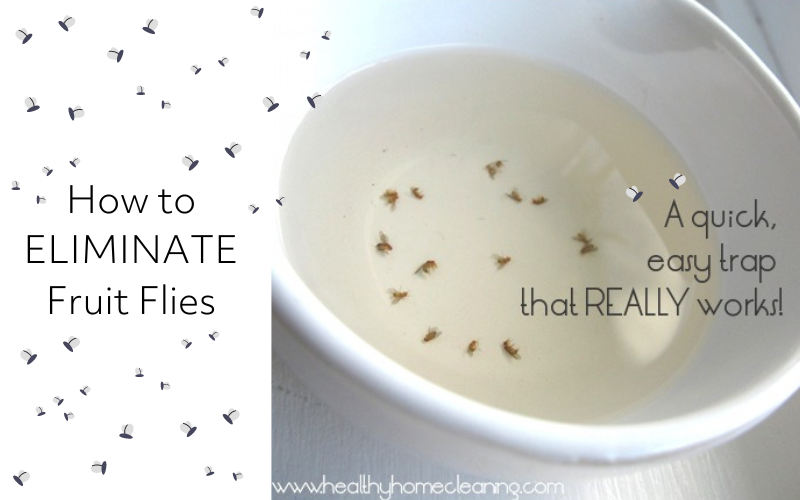
Image Source: healthyhomecleaning.com
Identifying Your Uninvited Guests
Before you can effectively tackle a gnat problem, it’s helpful to know what you’re dealing with. While the term “gnat” is often used broadly, specific types of flying insects might be the culprits.
The Common Culprits
- Fungus Gnats: These are often found around houseplants due to moist soil. They are typically black or dark brown and about 1/8 inch long. They are attracted to damp organic matter.
- Fruit Flies: Small, tan to reddish-brown flies, fruit flies are attracted to ripening or decaying fruits and vegetables, as well as sugary spills.
- Drain Flies: Also known as sewer flies, these fuzzy, moth-like flies often cluster around drains, where their larvae feed on organic buildup. They are usually grayish-brown.
- Eye Gnats: These are tiny, often whitish gnats that are attracted to moisture and secretions, sometimes found around eyes, but can also be in kitchens.
While this article focuses on general gnat removal, recognizing which type of gnat you have can help tailor your approach. However, the methods outlined below are effective against most common kitchen gnats.
The Root Cause: Why Are Gnats In My Kitchen?
Gnats are drawn to your kitchen for specific reasons, usually related to food sources and moisture. Identifying these attractants is the first crucial step in eradicating them and preventing future infestations.
Key Attractants for Gnats
- Overripe or Decaying Produce: This is a primary attractant for fruit flies, which are often mistaken for gnats. Any fruit or vegetable left out that is starting to spoil will quickly draw them in.
- Moisture and Dampness: Leaky pipes, standing water, damp sponges, and moist garbage cans create ideal breeding grounds, especially for drain flies.
- Food Residue: Small spills of juice, wine, beer, or any sugary liquid, as well as crumbs left on counters or floors, can attract gnats.
- Dirty Drains: The organic matter that accumulates in kitchen sink drains is a perfect food source and breeding site for drain flies.
- Garbage Cans: Unemptied garbage, especially with food scraps, provides a buffet and a place to lay eggs.
- Pet Food Bowls: Leftover wet pet food can also be a source of attraction.
Fast Fixes: Immediate Actions to Reduce Gnat Populations
When you need to get rid of gnats fast, you need to hit them from multiple angles. These methods focus on immediate population reduction.
Swift Sanitation: The Foundation of Gnat Control
Before employing any trapping or repelling methods, you must eliminate the gnats’ food and breeding sources. This is the most critical step for lasting success.
- Dispose of Overripe Produce: Immediately remove any fruit or vegetables that are past their prime. Store fresh produce in the refrigerator or sealed containers.
- Clean Up Spills and Crumbs: Wipe down counters, stovetops, and floors thoroughly. Pay attention to areas around appliances where crumbs can hide.
- Empty and Clean Garbage Cans: Take out the trash daily, especially if it contains food waste. Rinse out the garbage can itself with soap and water to remove any sticky residue or trapped food particles.
- Address Drain Issues: Pour boiling water down your sink drains to kill any larvae. Follow up with a mixture of vinegar and baking soda for deeper cleaning.
DIY Gnat Killer: Effective Traps You Can Make at Home
One of the most effective and fastest ways to catch gnats is by using homemade traps. These often lure gnats in with an attractive bait and then trap them.
The Classic Vinegar Trap
This is a go-to DIY gnat killer and is incredibly effective against fruit flies and gnats attracted to fermentation.
How to Make It:
-
Materials:
- A small jar or bowl
- Apple cider vinegar (the key ingredient)
- A few drops of liquid dish soap
- Plastic wrap
- A rubber band or tape
-
Instructions:
- Pour about an inch of apple cider vinegar into the jar or bowl.
- Add a few drops of dish soap. The soap breaks the surface tension of the liquid, causing gnats that land on it to sink and drown.
- Cover the top of the jar tightly with plastic wrap.
- Secure the plastic wrap with a rubber band or tape.
- Use a toothpick or fork to poke several small holes in the plastic wrap. The gnats will be able to get in but will have difficulty finding their way out.
- Place these vinegar traps in areas where you see the most gnat activity.
-
Why it Works: Gnats are attracted to the sweet, fermenting smell of the apple cider vinegar. They crawl through the holes in the plastic wrap, get trapped, and drown in the soapy liquid.
Other Effective DIY Trap Variations
- Bowl of Wine or Beer: A small amount of leftover wine or beer can also attract gnats. Add a drop of dish soap to the liquid.
- Overripe Fruit Bait: Place a piece of overripe fruit (like a banana peel) in a jar with holes poked in a plastic wrap cover.
Commercially Available Gnat Traps
If DIY isn’t your preference, there are several effective gnat traps available for purchase.
- Sticky Traps: These are usually yellow cards coated with a sticky substance. Gnats are attracted to the color and get stuck. They are great for monitoring and capturing gnats.
- UV Light Traps: These devices use a UV light to attract flying insects, which are then either trapped on a sticky surface or zapped by an electric grid. While effective, ensure they are placed away from food preparation areas.
- Liquid Traps: Similar to the DIY vinegar trap, these commercially made versions often use a specific attractant liquid in a specially designed container.
Repelling Gnats: Keeping Them Away
Once you’ve reduced the population, you want to prevent them from returning. Natural gnat repellent options are excellent for this.
Natural Gnat Repellent Strategies
-
Essential Oils: Certain essential oils have strong scents that can deter gnats.
- Citronella: A classic insect repellent, its strong scent can drive gnats away.
- Peppermint: Peppermint oil has a refreshing scent for humans but is off-putting to many insects.
- Eucalyptus: Known for its strong fragrance, eucalyptus can also act as a repellent.
- Lavender: While often associated with relaxation for humans, lavender can deter gnats.
How to Use Them:
1. Diffusers: Add a few drops of your chosen essential oil to a diffuser and run it in your kitchen.
2. Sprays: Mix 10-15 drops of essential oil with a cup of water and a tablespoon of witch hazel or vodka (as an emulsifier) in a spray bottle. Lightly mist around your kitchen, avoiding direct contact with food.
3. Cotton Balls: Soak cotton balls in essential oil and place them strategically around potential gnat entry points or problem areas. -
Herbs: Fresh or dried herbs with strong scents can also help.
- Basil: Planting basil in your kitchen or placing cut sprigs around can deter gnats.
- Mint: Similar to peppermint oil, fresh mint leaves can be effective.
What About Gnat Spray?
When dealing with a persistent infestation, a gnat spray or bug spray can be considered. However, it’s important to use these products cautiously in a kitchen environment.
- Read Labels Carefully: Always follow the instructions on the product label.
- Targeted Application: Use a bug spray specifically designed for flying insects and apply it directly to gnats or in areas where they congregate, but avoid spraying near food or food preparation surfaces.
- Ventilation: Ensure good ventilation when using any aerosol spray.
- Consider Less Toxic Options: Look for sprays with pyrethrin (a natural insecticide derived from chrysanthemums) or other less toxic formulations if possible.
Addressing Specific Gnat Sources
Beyond general cleanup and trapping, tackling specific breeding grounds is key.
Tackling Drain Flies in the Kitchen
If you suspect drain flies are the primary issue, focus your efforts on the drains themselves.
-
Regular Drain Cleaning:
- Boiling Water Flush: Regularly pour boiling water down all kitchen drains. This helps to dissolve organic buildup and kill larvae.
- Vinegar and Baking Soda: Pour about 1/2 cup of baking soda down the drain, followed by 1 cup of white vinegar. Let it fizz for 10-15 minutes, then flush with hot water.
- Drain Cleaners: Use a specialized drain cleaner designed for organic buildup if the problem persists. Be sure to choose one safe for kitchen plumbing and follow instructions precisely. Avoid harsh chemical drain cleaners if possible, as they can damage pipes over time.
-
Sealing Drain Openings: If you identify a specific drain as a persistent problem, and you suspect it might have cracks or leaks where flies are breeding, consider having it professionally inspected.
Eliminating Fungus Gnats
Fungus gnats are more commonly associated with houseplants, but they can emerge in kitchens if there’s a source of consistent moisture and decaying organic matter.
- Check Houseplants: Ensure your houseplants aren’t being overwatered. Let the top inch or two of soil dry out between waterings.
- Remove Decaying Matter: Check for any decaying organic matter in potted plants or around them.
- Sticky Traps for Plants: Yellow sticky traps placed in the soil of houseplants are very effective at catching adult fungus gnats.
Long-Term Prevention: Keeping Gnats Out For Good
Once you’ve conquered your current gnat problem, implementing preventative measures will save you future headaches.
Maintaining a Gnat-Free Kitchen Environment
- Consistent Sanitation: Make cleaning spills and crumbs a daily habit.
- Proper Produce Storage: Keep fruits and vegetables in the refrigerator or sealed containers.
- Regular Garbage Disposal: Don’t let garbage sit in your kitchen for too long. Ensure garbage cans have tight-fitting lids.
- Drain Maintenance: Regularly clean your kitchen drains.
- Check for Leaks: Fix any leaky pipes or faucets promptly, as even small amounts of standing water can be an attractant.
- Seal Entry Points: Check windows and doors for any gaps or holes where insects could enter. Consider fine mesh screens on windows.
When to Call the Professionals
If you’ve tried multiple methods and are still struggling with a significant gnat infestation, it might be time to consider professional pest control. A professional exterminator can identify the specific type of pest and the extent of the infestation, and provide more targeted and powerful treatments. They can also offer advice on long-term prevention strategies tailored to your home.
Frequently Asked Questions (FAQ)
Q1: Will gnats go away on their own?
A1: Gnats will eventually die off if their food and breeding sources are removed. However, without intervention, a small population can quickly grow into a significant infestation. Taking action with the methods described above will significantly speed up their removal.
Q2: Can gnats infest my entire house?
A2: While gnats are most common in kitchens due to food sources, they can spread to other areas of the house if conditions are favorable, such as bathrooms with dampness or rooms with houseplants.
Q3: Is it safe to use bug spray in my kitchen?
A3: It is generally advisable to avoid using standard bug spray or gnat spray directly on food preparation surfaces or where food is stored. Opt for targeted applications away from food areas, ensure good ventilation, and consider natural alternatives or specialized pest control products.
Q4: How long does it take to get rid of gnats?
A4: With consistent application of the fast-fix methods, you can see a significant reduction in gnat populations within 24-48 hours. However, completely eliminating them and preventing their return may take a week or more, depending on the severity of the infestation and your diligence with sanitation and trapping.
Q5: Are gnats harmful to humans?
A5: Gnats are generally not harmful to humans in terms of biting or transmitting diseases. Their primary nuisance is their presence and potential to contaminate food surfaces with their bodies. However, for individuals with allergies, their presence might cause discomfort.
By understanding the attractants and employing a combination of swift sanitation, effective trapping, and proactive prevention, you can reclaim your kitchen from these tiny invaders. Remember, consistency is key to keeping your kitchen gnat-free.