
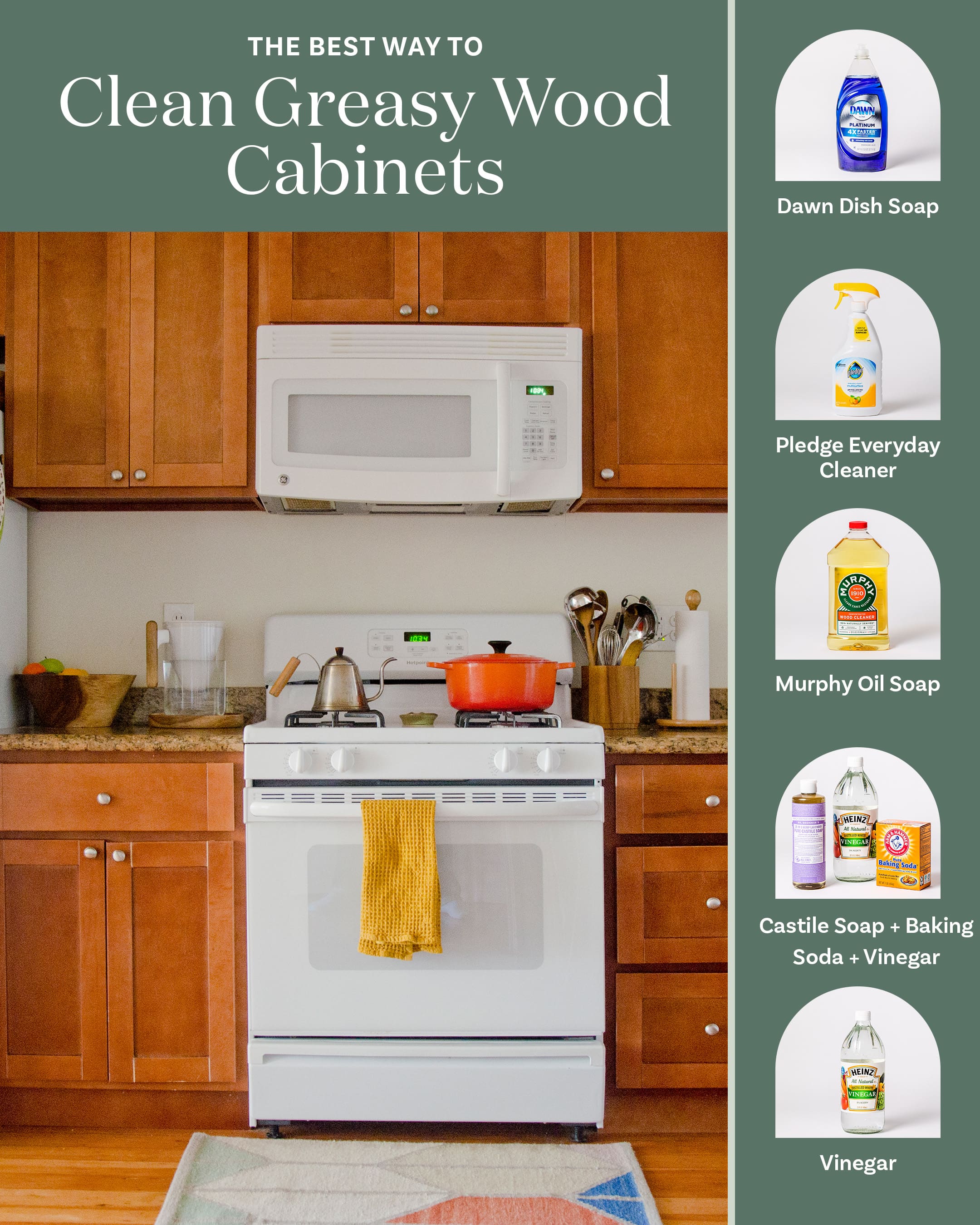
Image Source: cdn.apartmenttherapy.info
How to Clean Wood Kitchen Cabinets of Grease Effectively
Can you remove grease from wood cabinets? Yes, you can effectively remove grease from wood cabinets using various cleaning solutions, from commercial products to simple DIY mixtures. The key is to select the right method for your cabinet’s finish and the type of grease buildup.
Kitchen cabinets are magnets for grease. Every time you cook, especially when frying or sautéing, tiny oil droplets become airborne and settle on every surface, including your beautiful wood cabinets. Over time, this film of grease can become sticky, dull the finish, and attract more dirt, making your kitchen look less than pristine. Fear not! This comprehensive guide will walk you through the most effective ways to tackle greasy cabinets, ensuring your wood gleams and stays protected.
The Science of Greasy Cabinets
Before diving into cleaning methods, it’s helpful to grasp why grease is such a persistent problem. Cooking oils are made of fats, which are hydrophobic – they repel water. This is why a simple wipe with a damp cloth often doesn’t cut through the grime. Grease molecules cling to surfaces, and as they accumulate, they can start to degrade certain finishes. Heat from cooking can also bake the grease onto the surfaces, making it harder to remove.
Choosing Your Wood Cabinet Cleaner
The world of cleaning products can be overwhelming, but for wood cabinets, the goal is to find something that cuts grease without stripping the finish.
Commercial Wood Cabinet Cleaners
Many companies offer specialized wood cabinet cleaners. These are often formulated to be effective against grease while being gentle on wood finishes.
- Pros: Specifically designed for wood, often have pleasant scents, readily available.
- Cons: Can be more expensive, some may contain harsh chemicals that could damage certain finishes if not used as directed.
When selecting a commercial cleaner, always check the label to ensure it’s safe for your cabinet’s specific finish (e.g., stained, painted, lacquered).
DIY Cabinet Degreaser Options
Sometimes, the best solutions are right in your pantry. These DIY options are often cost-effective and use gentler ingredients.
- Pros: Economical, uses common household items, you control the ingredients.
- Cons: May require more elbow grease, effectiveness can vary depending on the grease buildup.
Effective Methods to Remove Grease from Wood Cabinets
Let’s get down to the practical steps for degreasing your cabinets.
Method 1: The Mild Dish Soap and Water Approach
This is your first line of defense and often sufficient for light to moderate grease buildup.
What you’ll need:
- Two buckets
- Mild dish soap (avoid those with harsh degreasers or moisturizers)
- Warm water
- Soft cloths (microfiber is ideal)
- A soft-bristled brush (optional, for stubborn spots)
Steps:
- Prepare the Solution: Fill one bucket with warm water and add a few drops of mild dish soap. Mix gently to create suds, but avoid over-sudsing. Fill the second bucket with clean, plain warm water for rinsing.
- Dampen, Don’t Soak: Dip a soft cloth into the soapy water and wring it out thoroughly. The cloth should be damp, not dripping wet. Excess water can damage wood finishes.
- Wipe Gently: Wipe down the cabinet surface in the direction of the wood grain. For areas with more grease, you might need to apply a little gentle pressure.
- Rinse: Immediately after cleaning a section, use a clean cloth dipped in the plain water bucket (again, wrung out well) to wipe away any soap residue. This is crucial to prevent a soapy film from forming.
- Dry Thoroughly: Use a dry, soft cloth to buff the cabinet dry. This prevents water spots and protects the finish.
- Stubborn Spots: If some greasy spots remain, try using the soft-bristled brush very gently on the damp cloth to work the soap into the grease before wiping and rinsing.
Table 1: Dish Soap Method Breakdown
| Step | Action | Key Consideration |
|---|---|---|
| Solution Preparation | Mix mild dish soap with warm water in one bucket, clean water in another. | Avoid excess suds; ensure water is warm, not hot. |
| Application | Dampen a cloth, wring out well, wipe cabinet surfaces. | Work with the wood grain; avoid over-wetting. |
| Rinsing | Use a clean, damp cloth (from plain water) to wipe away soap. | Crucial to remove all soap residue. |
| Drying | Buff with a dry, soft cloth. | Prevents water spots and protects the finish. |
| For Tougher Grease | Use a soft brush on the damp cloth for targeted areas. | Gentle application is essential. |
Method 2: Vinegar and Water: A Natural Wood Cabinet Cleaner
White vinegar is a fantastic natural degreaser due to its acidity.
What you’ll need:
- Spray bottle
- White vinegar
- Warm water
- Soft cloths (microfiber)
Steps:
- Mix the Solution: In the spray bottle, combine equal parts white vinegar and warm water.
- Lightly Mist: Lightly mist a section of your cabinet. Again, avoid soaking the wood.
- Wipe: Use a soft cloth to wipe away the grease. The vinegar will help break down the oil.
- Rinse (Optional but Recommended): For very sensitive finishes or if you dislike the vinegar smell, you can follow up with a cloth dampened with plain water and then dry thoroughly with another cloth.
- Ventilate: Open windows to help dissipate the vinegar smell, which usually dissipates quickly.
Important Note: While vinegar is generally safe for most finished wood, it’s always wise to test it on an inconspicuous area first, especially on antique or delicate finishes.
Method 3: Baking Soda Paste for Tough Grime
For those really stubborn, baked-on grease spots, a gentle abrasive like baking soda can be your friend.
What you’ll need:
- Baking soda
- Water
- Small bowl
- Soft cloth or sponge
- Soft toothbrush (optional)
Steps:
- Create the Paste: Mix baking soda with a small amount of water in the bowl to create a thick paste.
- Apply to Grease: Dab the paste directly onto the greasy area.
- Let it Sit: Allow the paste to sit for 5-10 minutes to work on the grease.
- Gently Scrub: Use a damp, soft cloth or sponge to gently rub the paste in a circular motion or with the grain. For tight corners or etched-in grease, a soft-bristled toothbrush can be used with extreme care.
- Wipe Clean: Wipe away the paste with a clean, damp cloth.
- Rinse and Dry: Follow up with a plain water rinse using a damp cloth and then dry thoroughly with a soft towel.
Caution: Baking soda is mildly abrasive. Use minimal pressure, especially on high-gloss finishes, to avoid dulling or scratching.
Method 4: Specialty Degreasers for Wood
If DIY solutions aren’t cutting it, there are specialized cleaners designed for kitchen cabinets.
- Cabinet Cleaning Wipes: These are convenient for quick touch-ups. Look for ones specifically made for wood.
- Concentrated Degreasers: These often need to be diluted. Always follow the manufacturer’s instructions precisely. Many reputable brands offer eco-friendly options.
How to Clean Cabinet Doors
The process for cleaning cabinet doors is the same as for the rest of the cabinet boxes, but here are some specific tips for how to clean cabinet doors:
- Work in Sections: Clean one door at a time. This prevents the cleaning solution from drying on the wood before you can rinse or wipe it off.
- Remove Hardware: For heavily soiled areas around knobs or handles, it can be easier to remove the hardware before cleaning. This also prevents moisture from seeping into screw holes.
- Pay Attention to Edges and Corners: Grease often accumulates in these areas. Use a soft cloth or a cotton swab for precise cleaning.
Cleaning Painted Wood Cabinets
Cleaning painted wood cabinets requires a slightly different approach. The paint layer can be more delicate than a stained or varnished finish.
- Mildest First: Always start with the gentlest cleaning method – the mild dish soap and water.
- Avoid Harsh Chemicals: Do not use abrasive cleaners, ammonia-based products, or solvents, as they can dull or strip the paint.
- Test Spot: Before applying any cleaner to the entire surface, test it in an inconspicuous area to ensure it doesn’t damage the paint.
- Soft Tools: Use only soft cloths and sponges. Never use scrubbing pads or brushes on painted surfaces.
- Gentle Pressure: Apply minimal pressure when cleaning. The goal is to lift the grease, not scrub it off.
Degreasing Wood Furniture (A Comparative Note)
While this article focuses on kitchen cabinets, the principles of degreasing wood furniture are similar. The key difference is that furniture might have more varied finishes and be less exposed to direct heat and cooking splatters. For furniture, always err on the side of caution and use the mildest possible cleaner, always testing first.
Best Cleaner for Greasy Cabinets: A Summary
The “best” cleaner depends on the severity of the grease and the type of cabinet finish.
- For light grease: Mild dish soap and water.
- For moderate grease and a natural option: White vinegar and water.
- For stubborn, baked-on grease: Baking soda paste (used gently).
- For extremely tough grease or convenience: Specialized wood cabinet cleaners or wipes.
Kitchen Cabinet Cleaning Tips for Long-Term Success
Preventing excessive grease buildup is much easier than removing it. Here are some kitchen cabinet cleaning tips to keep them looking great:
- Wipe Down Regularly: After cooking, especially if you’ve been frying, give your cabinets a quick wipe with a dry or slightly damp microfiber cloth. This removes fresh grease before it has a chance to stick.
- Ventilation is Key: Always use your range hood fan when cooking. This significantly reduces the amount of grease and steam that circulates in the air and settles on cabinets.
- Protect High-Splash Areas: Consider using a clear protective film or a removable backsplash behind your stove or other areas prone to splatters.
- Address Spills Immediately: If you spill something greasy, wipe it up right away with a damp cloth.
- Deep Clean Periodically: Schedule a deeper cleaning of your cabinets every few months, or as needed, to tackle any accumulated grime.
Frequently Asked Questions (FAQ)
Q1: Can I use glass cleaner on my wood cabinets?
A: Generally, no. Glass cleaners often contain ammonia or alcohol, which can be too harsh for wood finishes and may strip the protective coating, leading to dullness or damage.
Q2: Is it okay to use an all-purpose cleaner on my cabinets?
A: It depends on the all-purpose cleaner. Many are too strong for wood finishes. Always check the product label to ensure it’s safe for wood cabinets. If in doubt, stick to methods specifically recommended for wood.
Q3: How often should I clean my kitchen cabinets?
A: For light cleaning and wiping down, after cooking is ideal. For a more thorough degreasing, a deep clean every 3-6 months is usually sufficient, depending on your cooking habits.
Q4: My cabinets have a matte finish. What’s the best way to clean them?
A: Matte finishes are more delicate. Stick to the mildest methods: a slightly damp microfiber cloth with plain water or a very diluted solution of mild dish soap. Avoid excessive rubbing, as this can create shiny spots. Always test first in an unseen area.
Q5: Can I use a magic eraser on my cabinets?
A: Magic Erasers are very effective at removing marks, but they are also abrasive. Use them with extreme caution and only on very stubborn spots after testing in an inconspicuous area. Rub very gently and avoid using them regularly, as they can wear down the finish over time.
Q6: What about cleaning cabinet hinges and hardware?
A: For metal hardware, a soft cloth with mild soap and water is usually sufficient. For stubborn tarnish, you might need a specialized metal polish, but be careful not to get it on the wood finish. You can also use a toothbrush dipped in your cleaning solution to get into nooks and crannies.
By following these guidelines and choosing the right cleaning approach for your wood kitchen cabinets, you can effectively banish grease and keep your kitchen looking fresh and inviting for years to come. Remember, consistent, gentle cleaning is always better than infrequent, harsh scrubbing.