
What is the ideal height for a kitchen island? The standard kitchen island height for countertops is typically 36 inches from the floor, which matches the height of most base cabinets and provides a comfortable working surface. However, kitchen island height can vary significantly based on its intended use and design.
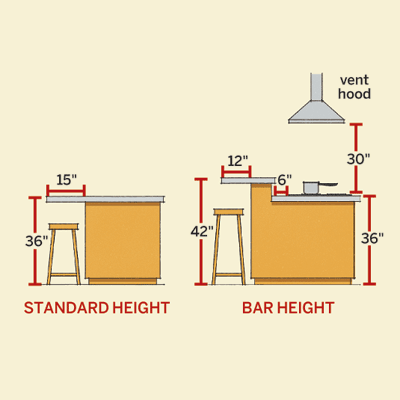
Image Source: kikiinteriors.com
Deciphering Kitchen Island Height Standards
When planning your kitchen, the height of your island is a crucial element that impacts both its functionality and your comfort. A kitchen island isn’t just a decorative piece; it’s a workspace, a gathering spot, and often a dining area. Getting the kitchen island height right makes a world of difference in how you use and enjoy your kitchen. Let’s break down the common heights and why they matter.
Standard Countertop Height and Its Importance
The most common countertop height for kitchen islands mirrors that of your base cabinets, which is generally 36 inches from the floor. This height is chosen for several practical reasons:
- Ergonomics: It’s a comfortable height for most people to chop vegetables, mix ingredients, and perform other kitchen tasks. Standing at 36 inches feels natural for many adults, reducing strain on the back and arms.
- Appliance Integration: Many standard kitchen appliances, such as dishwashers and ovens, are designed to fit under countertops of this height. If your island incorporates such appliances, the 36-inch height is often non-negotiable.
- Uniformity: It creates a consistent surface that flows seamlessly with the rest of your kitchen countertops, providing a cohesive look and feel.
However, this 36-inch height is just the starting point. Your island can be taller or shorter, or even feature different levels, to suit your specific needs.
Seating Height: A Key Consideration for Gatherings
If you envision your kitchen island as a place for casual meals or for guests to chat while you cook, then seating height becomes paramount. This is where variations in island design come into play.
- Counter Height Seating: Islands designed for counter height seating are typically around 36 inches tall. This matches standard counter height tables and chairs, making it easy to find comfortable seating. This is a very popular option as it keeps conversations at a similar eye level for those standing and sitting.
- Bar Height Seating: For a more elevated experience, islands can be built to bar height, which is usually around 42 inches tall. This height is perfect for tall bar stools and creates a more distinct separation between the prep area and the seating area. It can also be a good choice if you want to hide the mess of cooking from your seated guests.
- Eating Height (Table Height): Some islands can incorporate a lower section that matches standard dining table height, around 30 inches. This allows you to use regular dining chairs, which can be more comfortable for longer meals. This often results in a multi-level island design.
The Role of Different Heights in Island Design
The ideal kitchen island size and height depend heavily on how you plan to use it. A kitchen island that serves multiple purposes might feature different height zones.
Multi-Level Islands: Functionality Meets Style
Multi-level islands are a fantastic solution when you want your island to perform a variety of tasks. A common configuration involves a standard countertop height prep area (36 inches) and then a raised section for seating or a breakfast bar.
- Prep Zone: This lower section is ideal for food preparation, offering ample space for chopping, mixing, and plating. Its height is comfortable for standing tasks.
- Dining/Gathering Zone: The raised section, often at bar height (42 inches) or counter height (36 inches), provides a dedicated area for eating or socializing. This height difference can also help to visually separate the cooking mess from the dining area.
Custom Heights: Tailoring to Your Needs
Don’t be afraid to go beyond the standard. If you or someone in your household is particularly tall or short, adjusting the kitchen island height can significantly improve comfort.
- Taller Individuals: You might consider increasing the prep height by a few inches to avoid hunching over.
- Shorter Individuals: Similarly, lowering the prep height can make kitchen tasks more manageable.
When considering custom heights, think about the ergonomic benefits for the primary users of the kitchen.
Fathoming Standard Kitchen Island Dimensions
Beyond height, other kitchen island measurements are crucial for a functional and well-proportioned kitchen.
Width and Depth
The width and depth of your island will depend on the size of your kitchen and its intended use.
- Minimum Width: For a functional island with cabinets or drawers, aim for a minimum depth of 24 inches for the cabinet base.
- Countertop Depth: Once you add countertop overhang, the total depth often reaches 25 to 26 inches. If you’re incorporating seating, you’ll need additional depth for legroom, often adding another 12-18 inches to the seating side, bringing the total depth to 37-44 inches or more.
- Minimum Width for Seating: If you’re adding seating, ensure there’s at least 15 inches of clear space behind each stool for comfortable legroom.
Length
The length of your island is largely dictated by your kitchen’s layout and available space.
- Adequate Walkways: It’s essential to maintain adequate clearance around the island. A minimum of 36 inches is recommended for walkways, but 42-48 inches is even better, especially if you have multiple people moving around. This ensures easy access and prevents the island from feeling cramped.
- Proportion: The island’s length should be in proportion to the overall size of your kitchen. A massive island in a small kitchen will overwhelm the space, while a tiny island in a large kitchen can look lost.
Practicalities of Different Kitchen Island Heights
Let’s delve deeper into how various heights affect the practicality of your island.
Counter Height (36 inches)
This is the workhorse height.
- Pros:
- Ergonomically sound for most food preparation.
- Matches standard cabinet and countertop heights.
- Comfortable for casual standing tasks.
- Allows for counter-height stools, offering a social interaction level that’s not too high.
- Cons:
- May be slightly too high for some individuals doing extended prep work.
- Seating at this height might feel a bit low for those used to bar seating.
Bar Height (42 inches)
This higher option is popular for islands with integrated seating.
- Pros:
- Creates a distinct bar-like feel.
- Good for hiding clutter on the counter from seated guests.
- Accommodates standard bar stools.
- Can feel more elevated and formal.
- Cons:
- Might be too high for comfortable food preparation for some people.
- Requires taller bar stools, which might not be as comfortable for extended sitting for everyone.
- May create a barrier between the cook and seated guests if it’s too high.
Table Height (30 inches)
This lower height is less common for the main island surface but can be a feature in multi-level designs.
- Pros:
- Allows for comfortable use of regular dining chairs.
- Ideal for a dedicated dining nook within the kitchen.
- Can be more comfortable for children to sit at.
- Cons:
- Significantly lower than standard prep surfaces, requiring more bending for cooking.
- Requires a different type of seating than typical island stools.
Achieving a Comfortable Kitchen Island Height
The goal is always a comfortable kitchen island height that suits your lifestyle. Consider these questions:
- Who will use the island most? Think about the height preferences of the primary cooks and eaters.
- What activities will take place at the island? Will it be primarily for prep, dining, or both?
- What is the style of your kitchen? Do you want a seamless look, or a more distinct zone for seating?
A great way to test for comfort is to visit showrooms and try out different heights with appropriate seating. You can also temporarily place items at different heights in your existing kitchen to get a feel for them.
How Tall Is A Kitchen Island: A Summary of Common Dimensions
Here’s a quick reference table for typical kitchen island measurements:
| Feature | Typical Height | Typical Depth (with overhang) | Recommended Walkway Clearance |
|---|---|---|---|
| Standard Counter | 36 inches | 25-26 inches | 36-48 inches |
| Seating (Counter Height) | 36 inches | 37-44 inches (incl. seating) | 36-48 inches |
| Seating (Bar Height) | 42 inches | 37-44 inches (incl. seating) | 36-48 inches |
| Seating (Table Height) | 30 inches | 37-44 inches (incl. seating) | 36-48 inches |
Remember that these are general guidelines. The ideal kitchen island size and height are ultimately what works best for your specific kitchen and how you live.
Maximizing Your Island’s Potential with the Right Height
Choosing the right kitchen island height is more than just an aesthetic decision; it’s about enhancing the usability and comfort of your kitchen. Whether you opt for a standard 36-inch height, a more social 42-inch bar height, or a multi-level design, ensuring it aligns with your daily routines will make your kitchen a more enjoyable and efficient space.
By carefully considering the intended use, the people who will use it, and the overall kitchen design, you can select or design a kitchen island that perfectly meets your needs. Don’t underestimate the impact that a well-chosen kitchen island height can have on your cooking, dining, and entertaining experiences.
Frequently Asked Questions About Kitchen Island Height
Q: Can I have a kitchen island that is taller than standard countertops?
A: Absolutely! Many people opt for a bar height island (around 42 inches) for their seating area. This creates a distinct zone and is perfect for using tall bar stools. It’s common to have a multi-level island where the prep area is at standard countertop height (36 inches) and the seating area is higher.
Q: What is the minimum space needed around a kitchen island?
A: You need enough space for people to walk around comfortably and for appliances like oven doors or dishwasher doors to open fully. A minimum of 36 inches is generally recommended for walkways. However, 42 to 48 inches is ideal, especially in busy kitchens or if you plan for two people to be working on opposite sides of the island or walking past each other.
Q: How much legroom do I need for seating at a kitchen island?
A: For seating height at counter height (36 inches) or bar height (42 inches), you should aim for at least 15 inches of clear depth for legroom behind the seating. This allows people to sit comfortably without their knees hitting the island’s edge or structure.
Q: What is the best kitchen island height for cooking?
A: For cooking and food preparation, the standard countertop height of 36 inches is generally considered the most comfortable kitchen island height. It mimics the height of most base cabinets and provides an ergonomic surface for most tasks. Some people prefer to go slightly higher (37-38 inches) if they are particularly tall, to avoid excessive bending.
Q: Do I need to match my island height to my other countertops?
A: Not necessarily. While a uniform height can create a seamless look, multi-level islands are very popular and practical. One level can be for prep at 36 inches, while another, higher level can be for dining or serving at 36 inches (counter height seating) or 42 inches (bar height seating). The choice depends on your desired functionality and aesthetic.
Q: What are standard kitchen island dimensions for a small kitchen?
A: In a smaller kitchen, the ideal kitchen island size will be more compact. Consider a narrower island, perhaps 24-30 inches wide and 36-48 inches long, to ensure you maintain adequate walkway clearance. The height will still typically be around 36 inches for functionality, but ensure the overall footprint doesn’t make the kitchen feel cramped.
Q: How do I determine the ideal seating height for my island?
A: Consider the type of stools you want to use. Counter stools are designed for 34-36 inch countertops, while bar stools are for 40-42 inch countertops. Think about the comfort level of your guests and how you want the interaction to feel. For a more casual vibe, counter height is often preferred. For a more defined dining area, bar height can work well.