
If you’re asking, “What are the fastest ways to get rid of tiny ants in my kitchen?” the answer is to combine cleaning, blocking entry points, and using targeted ant control methods. Can you use natural products? Yes, many effective natural ant repellents can help manage an ant infestation.
The sight of tiny, unwelcome guests marching across your kitchen counters can be frustrating, especially when they seem to appear out of nowhere. These small black ants, often referred to as sugar ants, are a common problem in homes. Dealing with kitchen ants requires a swift and strategic approach to reclaim your clean space. This guide will walk you through effective methods to eliminate these household pests and prevent them from returning.
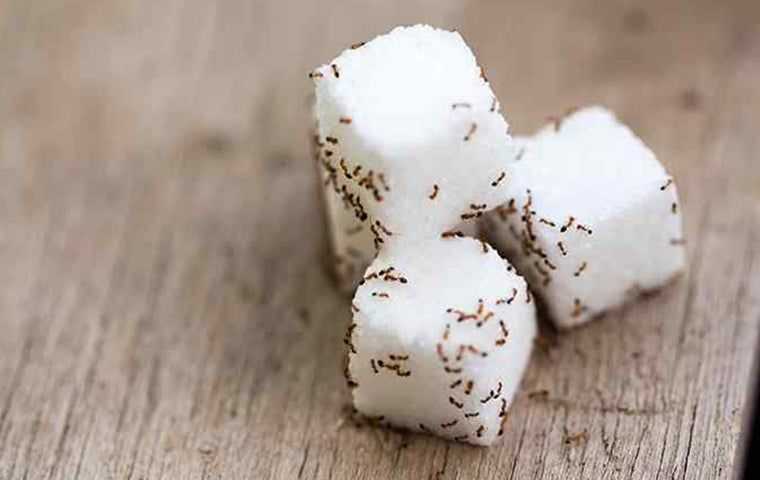
Image Source: www.nativepestmanagement.com
Pinpointing the Ant Problem
Before you can effectively get rid of ants, you need to understand why they are there. Ants are attracted to food and water sources. Your kitchen, with its abundance of both, is a prime target. They follow scent trails left by scout ants, leading them to a food source and then back to their colony.
Why Are Ants Invading My Kitchen?
- Food Crumbs: Even the smallest crumbs of sugar, grease, or other food particles can be a feast for tiny ants.
- Spills: Sticky spills from drinks or sauces left unattended are major attractants.
- Water Sources: Leaky faucets, damp sponges, or standing water in the sink can also draw ants.
- Entry Points: Ants can squeeze through incredibly small cracks and crevices.
Immediate Actions: Swift Ant Control
When you spot an ant infestation, you need to act fast. The goal is to disrupt their activity and eliminate the current invaders.
Cleaning Up the Mess
The first and most crucial step is to remove what’s attracting them.
- Wipe Down Surfaces: Thoroughly clean all kitchen surfaces, including countertops, stovetop, and sink, with a mild detergent or a vinegar solution. This removes food residues and disrupts ant trails.
- Sweep and Mop: Clean the floors to pick up any fallen crumbs.
- Deal with Trash: Empty your trash cans regularly and ensure they have tight-fitting lids. Clean the inside and outside of the bins.
Disrupting Ant Trails
Ants rely on scent trails to navigate. Erasing these trails confuses them and makes it harder for them to find their way back to your kitchen.
- Vinegar Solution: Mix equal parts white vinegar and water in a spray bottle. Spray this mixture directly on ant trails and the ants themselves. The strong smell deters them, and the vinegar helps erase their scent markings.
- Soapy Water: A simple solution of dish soap and water can also be effective. Spray it on the ants to kill them and on trails to remove their scent. The soap breaks down their exoskeleton, leading to dehydration.
Effective Ant Bait Strategies
While cleaning helps, it doesn’t eliminate the source – the colony. Ant bait is designed to be carried back to the nest by worker ants, poisoning the entire colony, including the queen. This is a key component of successful ant control.
How Ant Baits Work
Ant baits contain a slow-acting poison mixed with an attractant. Worker ants consume the bait and carry it back to the colony, sharing it with other ants. Because the poison is slow-acting, it allows the worker ants to distribute it widely before dying.
Types of Ant Baits
- Gel Baits: These are sticky and easy to apply in small amounts along ant trails or near entry points.
- Liquid Baits: These are placed in small bait stations and are particularly effective for sugar-loving ants.
- Granular Baits: Often used outdoors or in larger areas, these can also be effective for certain ant species.
Where to Place Ant Baits
- Along Ant Trails: Place bait stations or dots of gel bait directly on visible ant trails.
- Near Entry Points: Put baits near cracks, crevices, windows, or doors where ants are entering your kitchen.
- Away from Food Prep Areas: Ensure baits are placed out of reach of children and pets, and away from food preparation surfaces.
Important Note: Be patient with ant baits. You might see an increase in ant activity initially as they are drawn to the bait. This is a good sign that the bait is working. Do not spray insecticides near the bait, as this will deter the ants from taking the bait back to the colony.
Natural Ant Repellent Options
Many homeowners prefer to use natural methods to get rid of ants. These can be effective for minor infestations and as a preventative measure.
DIY Ant Killer and Repellent Recipes
Here are some popular and effective DIY solutions:
- Lemon Juice: The acidic nature of lemon juice can disrupt ant trails and deter them. Spray undiluted lemon juice on entry points and trails.
- Peppermint Oil: Ants dislike the strong scent of peppermint. Mix 10-15 drops of peppermint essential oil with water in a spray bottle and spray along ant pathways and entry points. You can also place cotton balls soaked in peppermint oil in affected areas.
- Cinnamon: Both ground cinnamon and cinnamon oil are strong ant repellents. Sprinkle cinnamon powder around entry points or use cinnamon oil as you would peppermint oil.
- Coffee Grounds: Used coffee grounds can deter ants. Sprinkle them around the exterior of your home, especially near foundation cracks.
- Chalk: Ants are said to avoid crossing chalk lines. Draw lines across entry points or along countertops where you see ants.
Natural Barrier Methods
Creating a physical barrier that ants cannot cross is another natural approach.
- Diatomaceous Earth (Food Grade): This is a natural powder made from fossilized aquatic organisms. It works by dehydrating ants when they come into contact with it. Sprinkle a thin layer of food-grade diatomaceous earth in areas where ants travel, but keep it away from food preparation surfaces.
- Cornmeal: While not a poison, some people find that scattering cornmeal can attract ants and then dehydrate them.
Tackling the Colony: Long-Term Ant Control
For persistent ant problems, you need to focus on eliminating the source – the colony.
Identifying the Nest
Sometimes, you can identify the ant nest, especially if you see ants entering or exiting a specific area. Nests can be found in soil, under rocks, in wall voids, or even within potted plants.
Targeting the Colony Directly
- Boiling Water: If you locate an outdoor nest, pouring boiling water directly into the nest can be an effective, albeit aggressive, solution. Be cautious when handling boiling water.
- Ant Bait Stations: As mentioned earlier, ant baits are the most effective way to target the colony indirectly. Place them strategically and be patient.
Preventing Future Ant Invasions
Once you’ve successfully gotten rid of ants, the key is to prevent them from returning. This involves consistent cleaning and sealing entry points.
Maintaining Kitchen Cleanliness
- Immediate Cleanup: Clean up spills and crumbs as soon as they happen.
- Regular Deep Cleaning: Schedule regular deep cleaning sessions to ensure no food residues are left behind.
- Pet Food: Don’t leave pet food out for extended periods. Clean pet bowls regularly.
- Food Storage: Store food, especially sugary items, in airtight containers.
Sealing Entry Points
This is a critical step in preventing future infestations.
- Inspect Your Home: Walk around your kitchen and the exterior of your home, looking for any small cracks, gaps, or holes.
- Caulking: Use caulk to seal any cracks in walls, baseboards, window frames, and door frames.
- Weather Stripping: Ensure weather stripping on doors and windows is in good condition to prevent entry.
Addressing Water Sources
- Fix Leaks: Repair any leaky faucets or pipes immediately.
- Dry Surfaces: Wipe down sinks and countertops to eliminate standing water.
Common Kitchen Ant Species and Their Habits
Different types of ants may invade your kitchen, and knowing them can help tailor your ant control strategy.
Small Black Ants (Commonly referred to as Odorous House Ants)
These are the most frequent kitchen invaders. They are small, dark brown to black, and known for emitting a foul odor when crushed. They are attracted to sweets, grease, and moisture.
Carpenter Ants
While less common as tiny invaders, larger carpenter ants can sometimes be mistaken for smaller species. They are typically larger and often seen in damp wood areas. If you suspect carpenter ants, a more aggressive approach may be needed, as they can cause structural damage.
Pavement Ants
These ants are usually found outdoors but can venture inside for food. They are typically brown or black and prefer nesting under sidewalks and foundations.
When to Call the Professionals
In some cases, despite your best efforts, you might still be struggling with an ant infestation. This is when professional pest control services can be invaluable.
Signs You Need Professional Help
- Large Infestations: If you see ants constantly and in large numbers, even after trying multiple methods.
- Persistent Problem: If the ants keep returning despite your efforts to prevent them.
- Uncertainty: If you are unsure of the ant species or the best method to use.
- Structural Concerns: If you suspect a carpenter ant infestation that could damage your home.
Professionals have access to more potent treatments and the expertise to identify and eliminate the source of the infestation effectively.
FAQ: Your Questions Answered
Here are some common questions people have when dealing with tiny kitchen ants.
Q1: How quickly can I see results after using ant bait?
A1: You might see an increase in ant activity as they find the bait, but it can take several days to a week or two to see a significant reduction in the ant population, as the poison needs time to work its way through the colony.
Q2: Can I just spray the ants I see with a general insecticide?
A2: While this will kill the ants you spray, it won’t solve the underlying problem. It can also deter ants from taking bait back to the colony, making your overall ant control efforts less effective. It’s better to use targeted baiting or cleaning methods.
Q3: Are natural ant repellents safe for pets and children?
A3: Most natural repellents like vinegar, lemon juice, and cinnamon are generally safe when used as directed. However, essential oils should be used with caution around pets, especially cats, as some can be toxic. Always supervise children and pets around any treatment area. Food-grade diatomaceous earth is safe but can be a respiratory irritant if inhaled, so apply it carefully.
Q4: What is the most effective DIY ant killer?
A4: Many find a combination of thorough cleaning and strategic placement of ant baits (DIY or commercial) to be the most effective. For immediate deterrence, vinegar and peppermint oil sprays are quite popular.
Q5: How do I prevent ants from coming back after I get rid of them?
A5: Prevention is key. Focus on maintaining impeccable kitchen hygiene, storing food properly in airtight containers, and sealing all potential entry points into your home. Regularly inspect your kitchen for any new signs of ant activity.
Q6: What attracts tiny ants to my kitchen specifically?
A6: Tiny ants are attracted to almost any food source, especially sweet substances, crumbs, grease, and even moisture. A small spill, a few forgotten crumbs under the toaster, or a damp dishcloth can be enough to draw them in.
By understanding the behavior of kitchen ants and employing a multi-pronged approach of cleaning, baiting, and prevention, you can effectively eliminate these tiny household pests and keep your kitchen ant-free.