
Can you unclog a kitchen double sink easily? Yes, you can unclog a kitchen double sink using simple household items and techniques. What causes a kitchen double sink to clog? Kitchen double sinks often clog due to a buildup of food scraps, grease, soap scum, and other debris that accumulates over time in the plumbing.
A clogged double sink is a frustrating kitchen problem, but thankfully, most blockages can be tackled without calling a plumber. This guide will walk you through the most effective methods for removing kitchen sink blockage, from simple DIY tricks to more robust solutions for stubborn clogs. We’ll cover everything you need to know about kitchen sink drain cleaning and how to fix a clogged double sink swiftly and safely.
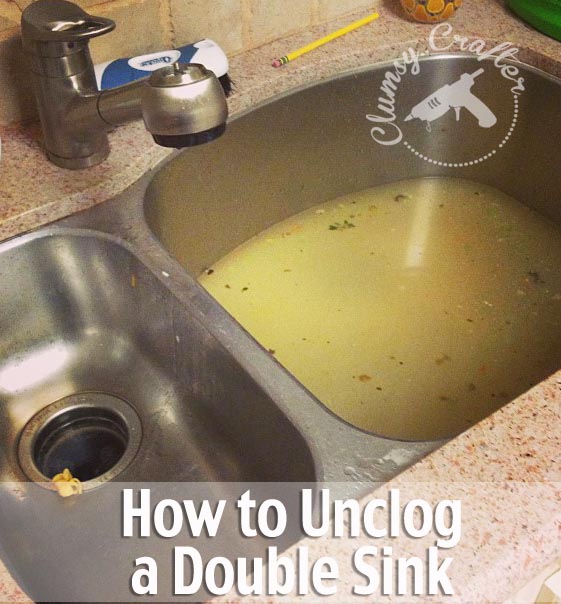
Image Source: www.clumsycrafter.com
Common Culprits Behind Double Sink Blockages
Before diving into the unclogging process, it’s helpful to know what typically causes these problems. Identifying the cause can sometimes point you towards the quickest solution.
- Grease and Oil: When hot grease or cooking oil is poured down the drain, it cools and solidifies as it travels through the pipes. This sticky substance traps other debris, creating a stubborn blockage.
- Food Scraps: Small food particles, especially fibrous ones like celery, potato peels, and coffee grounds, can accumulate. Even with a garbage disposal, some items can still pass through and get lodged.
- Soap Scum: Over time, soap residue can combine with minerals in the water to form a hard coating inside the pipes, narrowing the passage for water.
- Foreign Objects: Accidentally dropping utensils, bottle caps, or other small items down the drain can immediately cause a clog.
- Improper Garbage Disposal Use: Overloading the disposal, putting in fibrous materials, or not running enough cold water can lead to backups.
Step-by-Step Guide to Unclogging Your Double Sink
Let’s get your kitchen sink draining freely again! Here are the most effective methods to tackle a blocked kitchen sink.
Step 1: Identify the Problematic Side (If Only One is Clogged)
If only one side of your double sink is backing up, the clog is likely in the pipe section serving that particular basin or in the initial P-trap connection. If both sides are slow or completely blocked, the clog is likely further down the main drainpipe.
Step 2: Try the Simple Methods First
Always start with the least invasive and easiest solutions.
Method 1: Pour Hot Water Down the Sink
What you’ll need:
- Boiling water
- A kettle or pot
How to do it:
- Carefully boil a kettle or pot of water.
- Slowly pour the boiling water directly into the drain opening of the clogged sink. Do this in stages, allowing a few seconds between each pour.
- Wait a few minutes to see if the hot water loosens the blockage, especially if it’s caused by grease.
Why it works: Hot water can melt solidified grease and oil that might be causing the clog.
Important Note: Avoid this method if you have PVC pipes that are very old or show signs of wear, as extremely hot water could potentially warp them. For most modern plumbing, this is a safe and effective first step.
Method 2: The Plunger Technique
What you’ll need:
- A sink plunger (ensure it has a flat rim, not a toilet plunger with a flange)
- A damp cloth or old towel
How to do it:
- Seal the other drain: If you have a double sink, you need to block the other drain opening. Fill the second sink with enough water to cover the plunger’s rubber cup, then place the damp cloth firmly over the second drain to create a seal. This ensures the plunger’s suction is focused on the clogged drain.
- Create a seal: Fill the clogged sink with a few inches of water. This water is crucial for the plunger to create suction.
- Position the plunger: Place the plunger cup directly over the clogged drain opening, ensuring it creates a tight seal.
- Plunge vigorously: Push down and pull up on the plunger handle with a strong, steady motion. Perform about 15-20 vigorous plunges.
- Check for drainage: After plunging, quickly pull the plunger away from the drain. Listen for the sound of water draining.
- Repeat if necessary: If the water starts to drain, run hot water to flush out any remaining debris. If it’s still clogged, repeat the plunging process a couple more times.
Why it works: The suction and pressure created by the plunger can dislodge soft blockages.
Kitchen sink plunger use is a cornerstone of basic drain clearing. The key is creating a good seal to maximize the effectiveness of the suction.
Method 3: The Baking Soda and Vinegar Solution
What you’ll need:
- 1 cup baking soda
- 1 cup white vinegar
- Boiling water
- A drain plug or stopper
How to do it:
- Remove standing water: If there’s standing water, try to bail out as much as possible using a cup or small container.
- Pour baking soda: Pour the cup of baking soda directly into the drain.
- Add vinegar: Immediately follow with the cup of white vinegar. You’ll notice a fizzy reaction.
- Seal the drain: Quickly cover the drain opening with a stopper or plug to keep the fizzing action contained within the pipes.
- Wait: Let the mixture sit for at least 30 minutes, or even an hour for tougher clogs.
- Flush with hot water: After waiting, remove the plug and pour a kettle of boiling water down the drain to flush away the loosened debris.
Why it works: The chemical reaction between baking soda (a base) and vinegar (an acid) creates carbon dioxide gas, which can help break apart and dislodge clogs. The hot water then washes it all away. This is a classic kitchen sink drain cleaning method.
Step 3: More Advanced Solutions for Stubborn Clogs
If the simple methods don’t work, it’s time to bring out the heavy artillery.
Method 4: Using a Kitchen Sink Drain Snake (Auger)
What you’ll need:
- A kitchen sink drain snake (also known as a plumber’s snake or auger)
- Gloves
- A bucket and towels for potential mess
How to do it:
- Access the drain: You can usually insert the snake directly into the drain opening. For more difficult clogs, you might need to remove the sink stopper or strainer first.
- Insert the snake: Feed the snake down the drain until you feel resistance. This indicates you’ve reached the clog.
- Work through the clog: Turn the handle of the snake clockwise. This will cause the auger end to rotate and either break up the clog or snag it.
- Retrieve the clog: Once you feel the snake has broken through or hooked onto the clog, slowly pull the snake back out. You might pull out a clump of debris.
- Clear the snake: Clean the snake thoroughly before re-inserting it or before storing it.
- Flush the drain: Once you’ve removed the obstruction, run hot water down the drain for several minutes to clear out any remaining bits.
Why it works: A drain snake physically breaks apart or hooks onto blockages that are too solid for plunging or chemical reactions. This is a crucial tool for unclogging double sink plumbing when simpler methods fail. A kitchen sink drain snake is invaluable for removing kitchen sink blockage.
Method 5: Cleaning the P-Trap
The P-trap is the U-shaped pipe located directly beneath your sink. It’s designed to hold water, preventing sewer gases from entering your home, but it’s also a common place for clogs to form.
What you’ll need:
- Bucket
- Pliers or a pipe wrench
- Gloves
- Old towels or rags
- Wire brush (optional, for cleaning the trap)
How to do it:
- Prepare the area: Place a bucket directly underneath the P-trap to catch any water or debris that will spill out. Lay down towels to absorb drips.
- Loosen the slip nuts: The P-trap is usually connected by large plastic or metal nuts called slip nuts. Use pliers or a pipe wrench to carefully loosen these nuts. Turn counter-clockwise.
- Remove the P-trap: Once the nuts are loose, gently pull the P-trap away from the pipes. Be prepared for water and gunk to fall into the bucket.
- Clean the P-trap: Empty the contents of the P-trap into the bucket. You can use a brush to scrape out any stubborn buildup. Rinse the trap thoroughly with water.
- Check the connecting pipes: While the trap is off, look into the pipes on either side. If you can see a blockage within reach, try to remove it with your fingers (wearing gloves) or a straightened coat hanger.
- Reassemble: Carefully reattach the P-trap, ensuring the washers are properly seated. Hand-tighten the slip nuts first, then use pliers or a wrench for a final snug turn. Don’t overtighten, as this can crack plastic pipes.
- Test for leaks: Run water into the sink and check for any leaks around the slip nuts. Tighten them slightly if needed.
Why it works: Directly accessing and cleaning the P-trap removes accumulated debris that often causes blockages. This is a direct method for removing kitchen sink blockage.
Method 6: Chemical Drain Cleaners (Use with Caution)
What you’ll need:
- A commercially available chemical drain cleaner (follow product instructions precisely)
- Gloves and eye protection
- Good ventilation
How to do it:
- Read instructions carefully: Different products have different application methods and waiting times. Always follow the manufacturer’s instructions.
- Ventilate the area: Open windows and doors to ensure good airflow. Chemical cleaners can release strong fumes.
- Pour the cleaner: Carefully pour the recommended amount of cleaner into the drain.
- Wait: Allow the cleaner to sit for the time specified on the product label.
- Flush with water: Flush the drain with cold water (unless the instructions specify otherwise) to wash away the dissolved clog.
Why it works: Chemical drain cleaners use strong chemicals (acids or bases) to dissolve organic matter like grease, hair, and food particles.
Important Considerations for Chemical Cleaners:
- Never mix different chemical cleaners: This can create dangerous toxic fumes.
- Avoid using them after trying other methods: If you’ve already used baking soda and vinegar, or plunged, the chemicals might react unpredictably with the remaining residue.
- Not for complete blockages: If the sink is completely full of standing water, the cleaner might just sit on top without reaching the clog effectively.
- Damage to pipes: Frequent use of harsh chemical cleaners can damage older pipes, especially metal ones, and is generally not recommended as a regular kitchen sink drain maintenance practice.
Step 4: When to Call a Professional
If you’ve tried these methods and your double sink is still stubbornly clogged, or if you’re uncomfortable performing any of these steps, it’s time to call a qualified plumber. There might be a more significant issue further down the line, such as a blockage in the main sewer line or a collapsed pipe, that requires professional tools and expertise.
Preventing Future Clogs: Essential Kitchen Sink Drain Maintenance
The best way to deal with a clogged sink is to prevent it from happening in the first place. Regular kitchen sink drain maintenance can save you a lot of hassle.
- Scrape plates thoroughly: Always scrape food scraps into the trash or compost bin before rinsing dishes.
- Avoid pouring grease down the drain: Collect grease in a container and dispose of it in the trash once it solidifies.
- Use a drain strainer: A good sink strainer will catch most food particles and debris, making it easy to empty them into the trash.
- Run cold water with the garbage disposal: Always run cold water before, during, and after using the garbage disposal. Cold water helps solidify grease so the disposal can break it up and flush it away more easily.
- Grind fibrous materials well: If you do put fibrous items (like celery stalks or potato peels) in the disposal, cut them into smaller pieces and run the disposal with plenty of cold water.
- Regularly flush drains: Periodically pour hot water down sink drains, or use the baking soda and vinegar method as a preventative measure, to help keep pipes clear of grease and soap scum.
- Be mindful of what goes down: Avoid putting coffee grounds, eggshells, pasta, rice, or flour down the drain, as these can swell and create clogs.
Table: Quick Troubleshooting Guide for Kitchen Sink Clogs
| Problem | Likely Cause | Solution |
|---|---|---|
| Sink drains slowly | Minor grease/food buildup | Hot water flush, baking soda & vinegar, regular plunging. |
| Sink completely blocked, no drainage | Significant grease, food, or object obstruction | Plunger, drain snake, P-trap cleaning, (cautiously) chemical cleaner. |
| Clog keeps returning | Habitual disposal of problematic items, minor pipe buildup | Review disposal use, scrape plates, use strainers, regular maintenance. |
| Water backing up in the other sink | Clog in the shared drainpipe or main line | Plunge both sinks (sequentially), drain snake in main pipe, call plumber. |
| Foul odors from the drain | Trapped food particles, bacteria, dry P-trap | Baking soda & vinegar, hot water flush, ensure P-trap has water. |
Frequently Asked Questions (FAQ)
Q1: How often should I clean my kitchen sink drains?
A: For preventative maintenance, it’s a good idea to pour hot water down sink drains once a week. Using the baking soda and vinegar method once a month can also help keep them clear of buildup.
Q2: Can I use bleach to unclog my sink?
A: While bleach can kill bacteria and deodorize, it’s not very effective at dissolving grease or solid blockages. It’s also dangerous to mix with other cleaners. It’s generally better to stick to the methods described above.
Q3: My garbage disposal is clogged, what should I do?
A: First, turn off the power to the disposal at the breaker box. Never put your hand into a clogged disposal. Try using a plunger or a drain snake. If you suspect a foreign object is stuck, a pair of tongs might help retrieve it. If the problem persists, consult your disposal’s manual or a professional.
Q4: Is it safe to use a snake on my sink?
A: Yes, a drain snake is generally safe for most sink plumbing when used correctly. Be cautious with older PVC pipes or if you’re unsure about the pipe material. Avoid forcing the snake aggressively.
Q5: How do I fix a double sink where one side drains but the other doesn’t?
A: This usually means the clog is in the connecting pipe between the two sink basins or in the initial P-trap assembly. Try plunging the clogged side while sealing the other, or remove and clean the P-trap assembly.
By following these steps and tips for kitchen sink drain cleaning, you can effectively tackle most double sink clogs and keep your kitchen running smoothly. Remember, regular maintenance is key to avoiding these common plumbing woes.