
Are you struggling with a persistent gnat problem in your kitchen? You’re not alone! Many homeowners find themselves battling these tiny invaders, which can quickly turn a clean kitchen into an annoyance. The good news is that you can effectively get rid of gnats using natural methods without resorting to harsh chemicals.
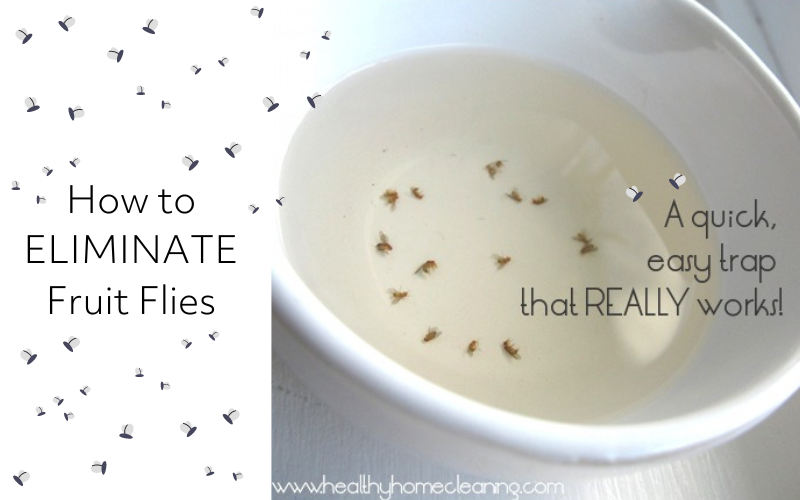
Image Source: healthyhomecleaning.com
Deciphering the Gnat Invasion: Why Are They Here?
Before we dive into solutions, let’s first comprehend why gnats seem to love our kitchens. These tiny flying insects, often mistaken for fruit flies, are drawn to moisture and decaying organic matter. Common culprits in a kitchen environment include:
- Overripe Produce: Fruits and vegetables left sitting out, especially those with soft spots or bruises, are a gnat’s paradise.
- Dirty Drains: Food particles and slime that accumulate in kitchen sinks and drains create the perfect breeding ground.
- Spills and Residue: Even small amounts of spilled juice, soda, or sticky substances can attract gnats.
- Moist Environments: Damp sponges, dishcloths, and trash cans that aren’t emptied regularly can harbor gnats.
- Houseplants: Overwatered plants, particularly those with decaying leaves at the soil surface, can also be a source of gnats, often referred to as fungus gnats.
Your Battle Plan: Natural Gnat Control Strategies
When faced with a gnat infestation, the key is a multi-pronged approach. We need to eliminate their food sources, disrupt their breeding cycles, and trap the adults. Here’s how to get rid of gnats effectively and naturally.
Setting Up Effective Fruit Fly Traps
Traps are your best allies in reducing the adult gnat population. These DIY fruit fly traps are simple to make and incredibly effective.
The Classic Apple Cider Vinegar Trap
This is the most popular and often the most successful method. Gnats are powerfully attracted to the scent of fermentation.
Materials You’ll Need:
- A small bowl or jar
- Apple cider vinegar
- A few drops of dish soap
- Plastic wrap or a paper cone
How to Make It:
- Pour about an inch of apple cider vinegar into your bowl or jar.
- Add a few drops of dish soap. The soap breaks the surface tension of the vinegar, causing the gnats to sink and drown when they land.
- Cover the top tightly with plastic wrap and secure it with a rubber band. Poke several small holes in the plastic wrap with a toothpick. Gnats will easily enter but find it difficult to escape.
- Alternatively, you can roll a piece of paper into a cone and place it into the opening of the jar, ensuring the narrow end doesn’t touch the liquid. This also creates an entry point that’s hard to exit.
- Place these traps in areas where you see the most gnat activity.
Why it Works: The sweet, fermented smell of apple cider vinegar is irresistible to gnats. They fly into the trap, attracted by the scent, and become trapped by the soap.
Other Effective Bait Options for Traps:
While apple cider vinegar is king, other sweet or fermenting substances can also work:
- Red Wine: Similar to vinegar, the fermented aroma attracts gnats.
- Overripe Fruit: A small piece of very ripe banana or peach in the bottom of the trap can be a strong attractant.
- Sugar Water: A simple solution of sugar and water can also lure them in.
Placement is Key: Position your traps near fruit bowls, sinks, trash cans, and anywhere else you’ve noticed gnat activity.
Tackling Gnats in Sink: The Often-Overlooked Culprit
Gnats in sink issues are very common and point to a significant problem in your plumbing. Food debris and organic matter clinging to the pipes can create a breeding ground.
Natural Drain Cleaner Solutions
You don’t need harsh chemicals to clean your drains. These natural methods can effectively disrupt gnat habitats.
Boiling Water Flush:
- Simply pour a pot of boiling water directly down your sink drain. This can kill any eggs or larvae present and help wash away some of the slime. Do this daily for a few days.
Baking Soda and Vinegar Drain Treatment:
- Pour about half a cup of baking soda down the drain.
- Follow it with about a cup of white vinegar.
- The mixture will fizz vigorously. Let it sit for about 15-30 minutes.
- Rinse thoroughly with hot or boiling water. This helps to break down organic buildup and eliminate odors that attract gnats.
Salt, Baking Soda, and Vinegar Method:
- Combine ½ cup of salt, ½ cup of baking soda, and ½ cup of white vinegar.
- Pour this mixture down the drain.
- Allow it to sit for several hours, preferably overnight.
- Flush with boiling water.
Why These Work: The alkaline nature of baking soda and the acidity of vinegar create a chemical reaction that can break down grease, food particles, and other organic matter that gnats feed on and use for breeding.
Scrubbing Your Drains
For a more thorough approach to dealing with gnats in sink problems, consider physically cleaning your drains.
- Use a Stiff Brush: A bottle brush or a pipe brush can be used to scrub the inside of your drain pipes, removing any accumulated slime and debris.
- Clean the Sink Strainer: Ensure your sink strainer is clean and free of any stuck-on food particles.
Eliminating Food Sources: The Foundation of Kitchen Pest Control
The most critical step in any kitchen pest control strategy is to remove what’s attracting the gnats in the first place.
Produce Patrol
- Inspect and Discard: Regularly check all fruits and vegetables. Discard anything that is overripe, bruised, or showing signs of decay.
- Refrigerate When Possible: Store ripe produce in the refrigerator to slow down the ripening process and deter gnats.
- Wash Produce: Even if produce looks fine, washing it can remove any gnat eggs that might have been laid on the surface.
Trash Management
- Daily Disposal: Empty your kitchen trash can daily, especially if it contains food scraps.
- Sealed Containers: Use trash cans with tight-fitting lids.
- Clean the Can: Regularly wash out your trash can with soap and water to eliminate lingering odors and residue.
Kitchen Cleanliness
- Wipe Up Spills Immediately: Don’t let any sticky residue or liquid spills sit on countertops or floors.
- Rinse Dishes Promptly: Don’t leave dirty dishes with food residue sitting in the sink. Rinse them thoroughly and wash them as soon as possible.
- Clean Appliances: Regularly clean out the crumb trays of toasters and the drip pans of coffee makers.
- Damp Cloths and Sponges: Wring out sponges and dishcloths thoroughly and allow them to dry completely between uses. Consider replacing sponges regularly.
Natural Gnat Repellent Options
While traps catch existing gnats, some natural methods can help repel them and prevent new ones from arriving.
Essential Oils
Certain essential oils have properties that gnats find unpleasant.
- Peppermint Oil: Known for its strong scent, peppermint oil can be a great deterrent.
- Eucalyptus Oil: Another potent essential oil that gnats tend to avoid.
- Lemongrass Oil: Possesses a citrusy scent that many insects dislike.
- Lavender Oil: While pleasant to humans, its strong scent can be off-putting to gnats.
How to Use Essential Oils:
- Diffuser: Add a few drops of your chosen essential oil to a diffuser and run it in your kitchen.
- Spray Bottle: Mix 10-15 drops of essential oil with water in a spray bottle. Lightly mist around windows, doorways, and known gnat hotspots. Be cautious about spraying directly onto food surfaces.
- Cotton Balls: Soak cotton balls in essential oil and place them strategically around your kitchen, such as near fruit bowls or trash cans.
Other Natural Repellents
- Basil Plants: Having a live basil plant in your kitchen is said to repel gnats due to its strong aroma.
- Cloves: Studding a lemon or orange with whole cloves can create a natural gnat repellent. The strong scent deters them.
When to Consider a Gnat Spray
While natural methods are preferred, in cases of severe gnat infestation, you might consider a gnat spray. However, opt for natural or organic formulations if possible. Many natural gnat spray products use essential oils or plant-based insecticides that are less harmful than conventional chemical sprays. Always follow product instructions carefully and ensure good ventilation when using any spray.
Addressing Gnats on Plants
If you notice gnats on plants, they are likely fungus gnats. These thrive in moist soil.
- Reduce Watering: Allow the top inch or two of soil to dry out completely between waterings.
- Improve Drainage: Ensure your plant pots have adequate drainage holes.
- Repotting: If the infestation is severe, consider repotting your plants in fresh, well-draining soil.
- Sticky Traps: Place yellow sticky traps near your plants. The bright color attracts the gnats, and they get stuck.
Long-Term Strategies for a Gnat-Free Kitchen
Preventing future gnat problems is as important as eradicating the current ones.
- Regular Cleaning: Maintain a consistent cleaning routine.
- Proper Food Storage: Store fruits and vegetables correctly.
- Drain Maintenance: Regularly clean your kitchen drains.
- Check for Leaks: Fix any leaky pipes or faucets that could create moisture.
- Compost Wisely: If you compost, ensure your compost bin is sealed tightly and kept away from the house.
Summary of Gnat Elimination Tactics
Here’s a quick recap of how to get rid of gnats and keep them away:
| Method | How it Works | Best For |
|---|---|---|
| Apple Cider Vinegar Trap | Attracts gnats with scent, drowns them with dish soap. | Capturing adult gnats. |
| Drain Cleaning | Removes food particles and slime where gnats breed. | Eliminating breeding sites in sinks. |
| Produce Management | Removes food sources, preventing attraction and breeding. | Eliminating food sources. |
| Trash Management | Removes food sources and prevents attracting gnats. | Eliminating food sources. |
| Essential Oil Repellents | Deters gnats with strong, unpleasant scents. | Repelling gnats from certain areas. |
| Plant Care | Addresses fungus gnats by managing soil moisture and creating barriers. | Dealing with gnats on houseplants. |
| Gnat Spray (Natural) | Kills gnats on contact; use as a targeted solution for severe infestations. | Quick knockdown of adult gnats. |
Frequently Asked Questions About Kitchen Gnats
Q1: How long does it take to get rid of gnats?
A: It can take anywhere from a few days to a couple of weeks, depending on the severity of the infestation and how consistently you implement the control methods. Eliminating their food sources and breeding grounds is key to a permanent solution.
Q2: Can gnats bite humans?
A: No, gnats are generally harmless to humans. They do not bite. They are attracted to food and moisture, and while annoying, they don’t pose a health risk in terms of bites.
Q3: Are fruit flies and gnats the same thing?
A: While often confused, fruit flies and gnats are different. Fruit flies are typically larger, reddish-brown, and strongly attracted to fermenting fruit. Fungus gnats, commonly found in kitchens, are smaller, darker, and often associated with moist environments like drains or houseplants. However, the control methods for both are quite similar, focusing on eliminating moisture and food sources.
Q4: What if I still see gnats after trying these methods?
A: If you’ve tried these natural methods consistently and are still experiencing a significant gnat problem, it might indicate a more persistent breeding source or a different type of pest. Double-check all potential food sources, moisture points, and consider thoroughly cleaning out pantry items. In very rare cases, a professional pest control service might be necessary for persistent infestations.
Q5: Can I use a commercial drain cleaner for gnats in my sink?
A: While commercial drain cleaner products can remove buildup, they often contain harsh chemicals that aren’t necessary for gnat control and can be harmful to your pipes and the environment. Natural methods like baking soda, vinegar, and boiling water are equally effective at removing the organic matter gnats need to survive without the harsh chemicals.
By following these detailed, natural strategies, you can effectively tackle your gnat problem and reclaim your kitchen. Consistency is key to ensuring these tiny pests don’t make a comeback.